




News Categories

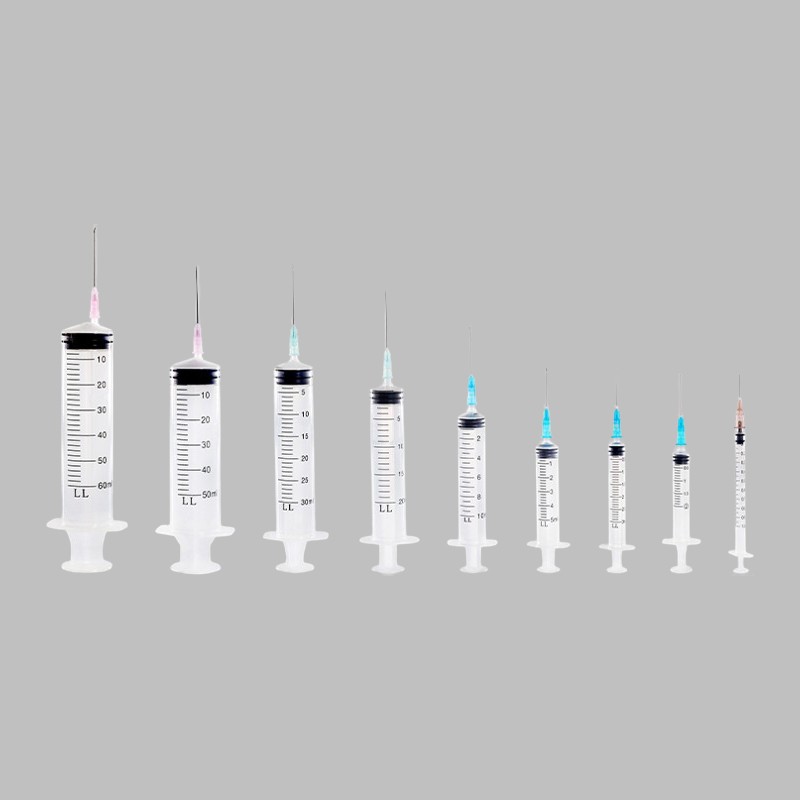
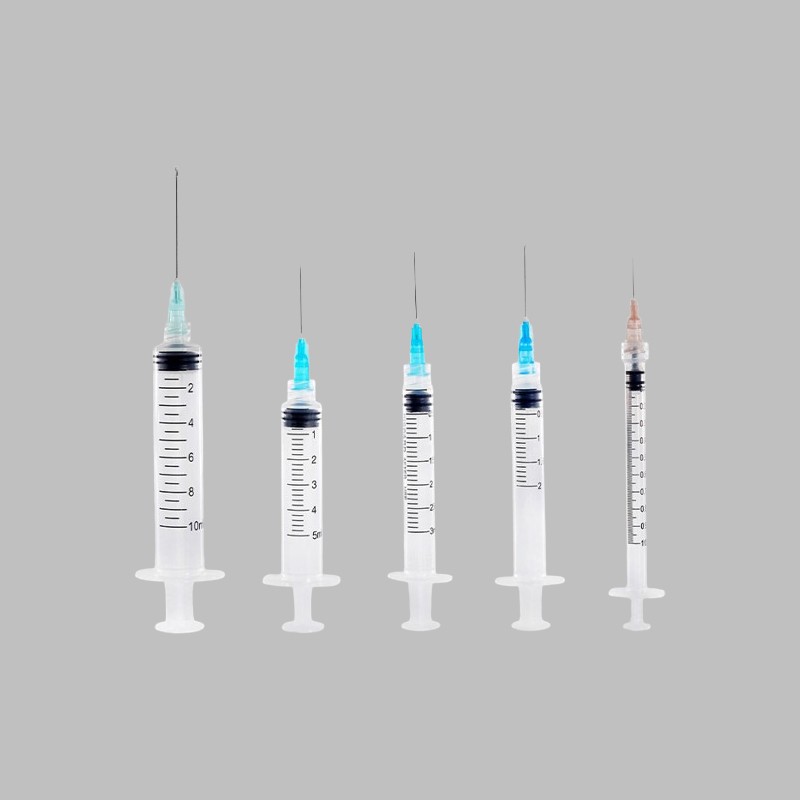
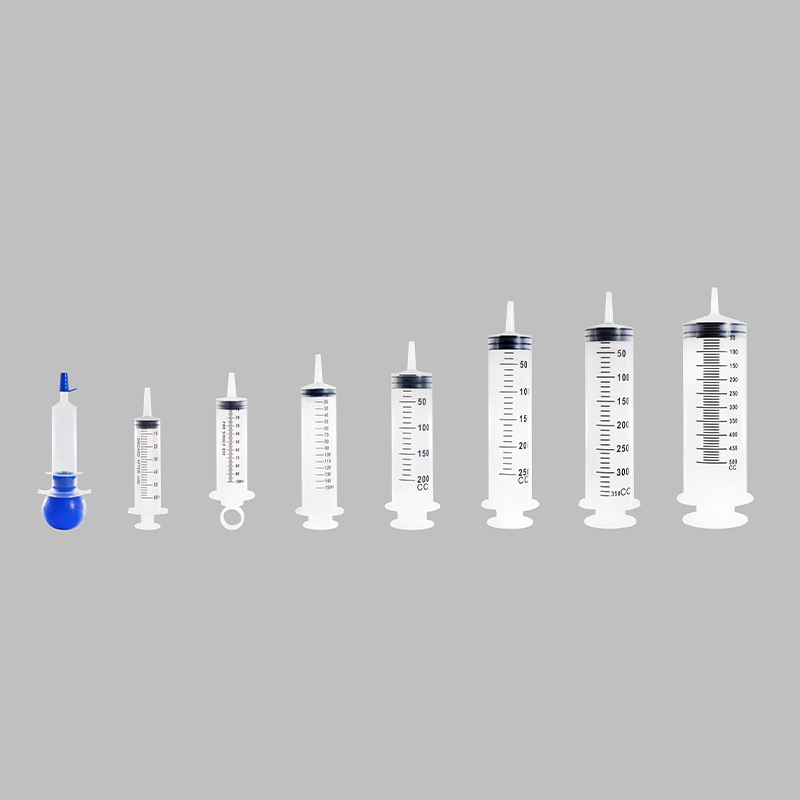
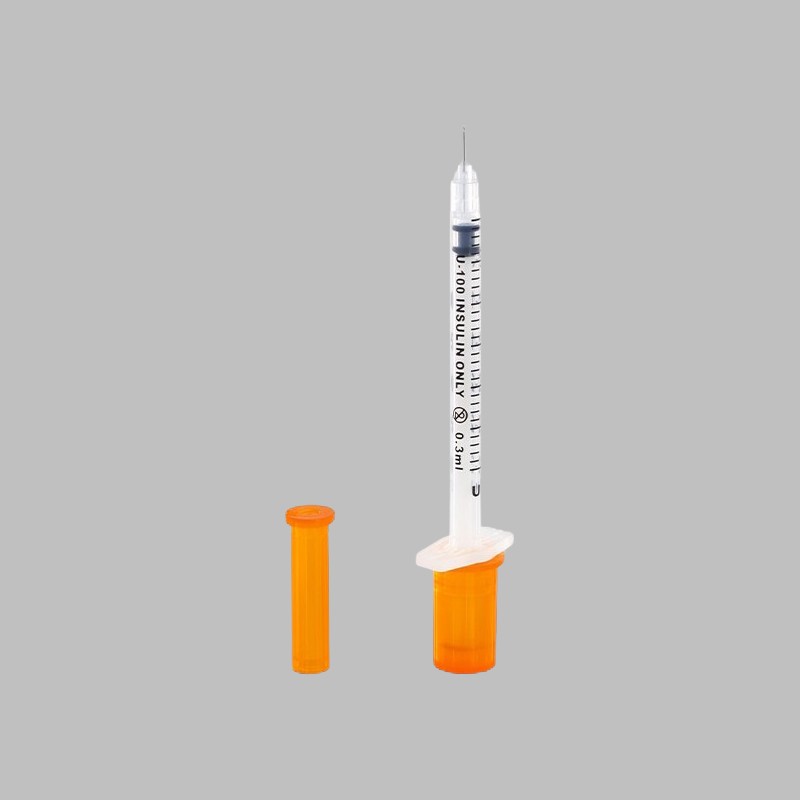
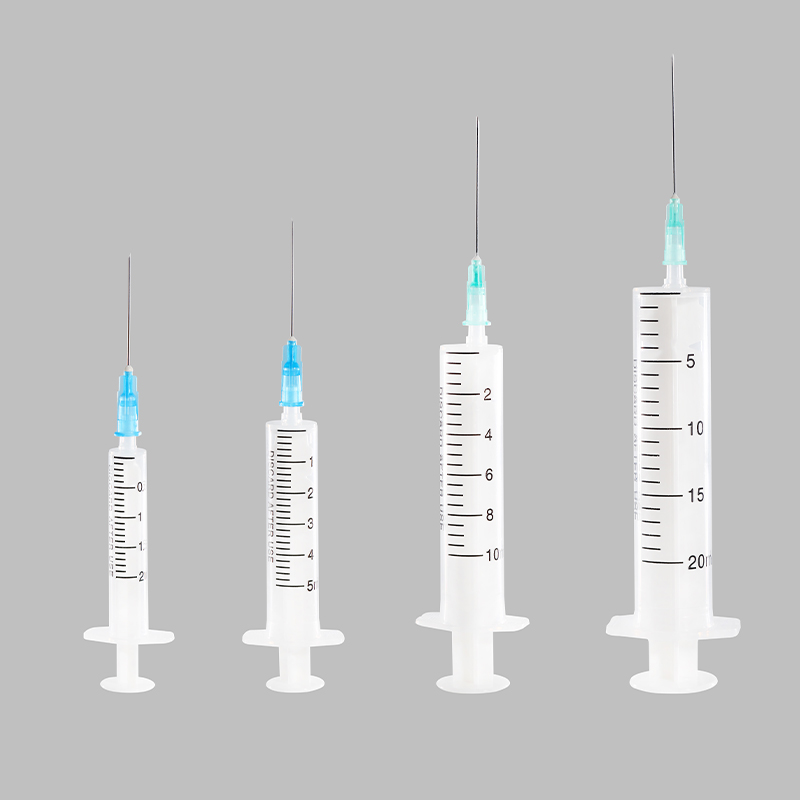
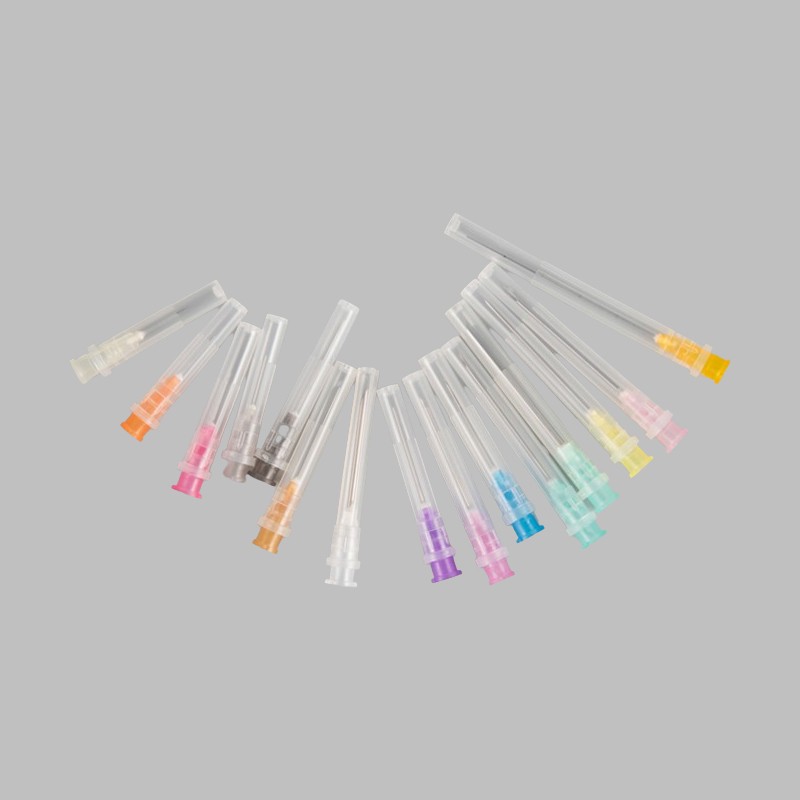
In the medical field, syringes have become an integral part of the medium through which drugs enter the patient's body. Although syringe needles are generally used for blood collection and drug injection, they are a very useful medical tool. However, there are still many people who are very afraid of them and have developed "needle phobia" and started to shiver when facing the needles. However, the status of the injection needle is unshakeable because it can save lives. Although it looks tiny, it is a complicated process, so what steps are required to produce the fine steel tube needed for a needle? As a professional disposable syringe manufacturer, we will explain this in detail below.
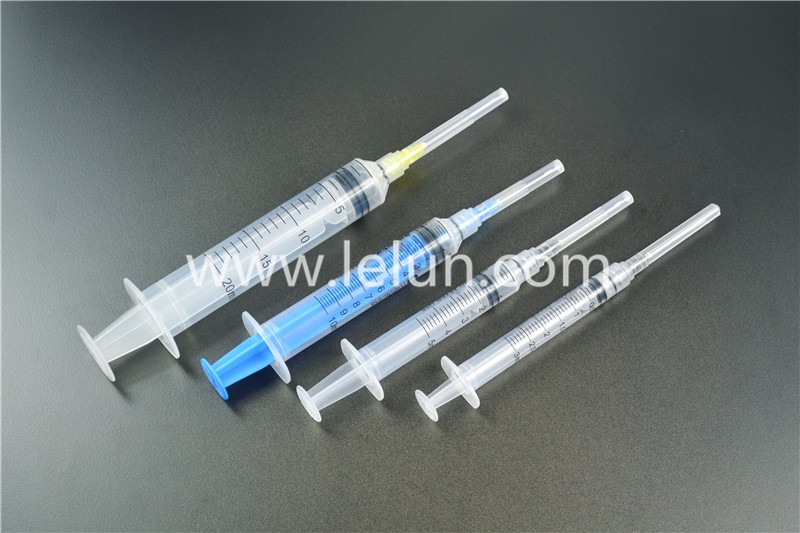
The material used for the needle is stainless steel. At the beginning of production, workers are responsible for processing the entire piece of stainless steel into a tube-like structure by machine. Afterward, to ensure that the entire needle tube looks seamless, it is also necessary to use laser welding to weld up all the gaps so that a very formal standard tubular object will be obtained.
The hardness of the stainless steel is not enough to reach the hardness needed for the tip of the needle, so to make the tube harder, the production workers need to cold process the tube several times, and by cold processing this way, the tube can also become thinner. Here, a steel tube that will be transformed into an injection needle is completed.
We all know that the top of a syringe needle is pointed, so the next important step in production is to turn the rounded ends of the tube into a needle with a sharp top. The tube is first cut along a line by a rolling machine, which results in a small tube of about 5 cm in length. The cut tubes are dropped directly into a box, which is vibrated by a pneumatic device so that all the tubes are arranged neatly, and the production workers can easily pack all the tubes and send them to the next stage of processing.
When the production workers pack the small steel tubes in bundles, it does not mean they can go to the next stage. This is because, at this point, a random selection of small tubes from each bundle is inspected using a state-of-the-art laser gauge to measure the outer diameter of the pin tube, which must be maintained at around 2 mm. The tubes that have successfully passed the test are then arranged in a row and taped to the outside of the tubes by the machine so that all the tubes are fully bonded together for subsequent processing.
Production workers cut the long line of tubes into strips of about 12 cm, each containing about 100 tubes. The ends of the strips are then sprayed with aluminum oxide, which is used to clean the surface of the tubes and make them easier to process. After the tube is fully cleaned, it is placed on a machine called a grinder jig. After the machine is started, the grinding fluid inside will begin to flush the tube's mouth, and then the grinding wheel inside will roughly sharpen the mouth of the tube.
After that, the steel tube will be repeatedly flushed and sharpened again because of the rotation of the grinding tool, and the grinding wheel will make timely angle adjustments according to the size of the needle tube. Then the needle tip will become sharper and has the appearance of the injection needle we usually see.
The above is about processing syringe needles, and I hope it can be useful for your purchase.
Whatsapp: +86-13616120206
E-mail: sale01@lelun.com
ADD: HengShanQiao Town, out of East Gate, Changzhou ,Jiangsu, China
Mobile: (+)86-13616120206