






News Categories

Choosing the right syringe is essential for safe injection practices and reliable medical supply procurement. Changzhou Medical Appliances General Factory Co., Ltd. (LELUN), established in 1988, specializes in disposable medical devices, including disposable syringes, safety syringes, auto-disable syringes, and infusion sets. With an established manufacturing facility and products supplied to customers in more than 60 countries and regions, LELUN supports healthcare distributors, medical product wholesalers, and institutional buyers seeking dependable syringe supply options. This guide explains the differences between auto-disable syringes and conventional disposable syringes, including their mechanisms, applications, advantages, and key purchasing considerations.
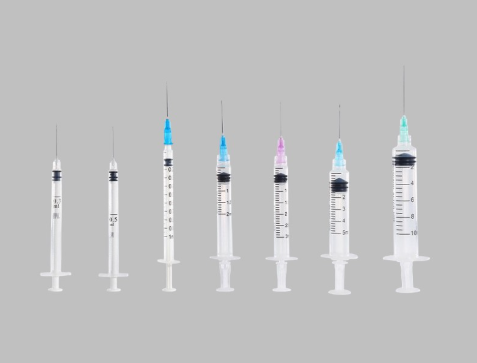
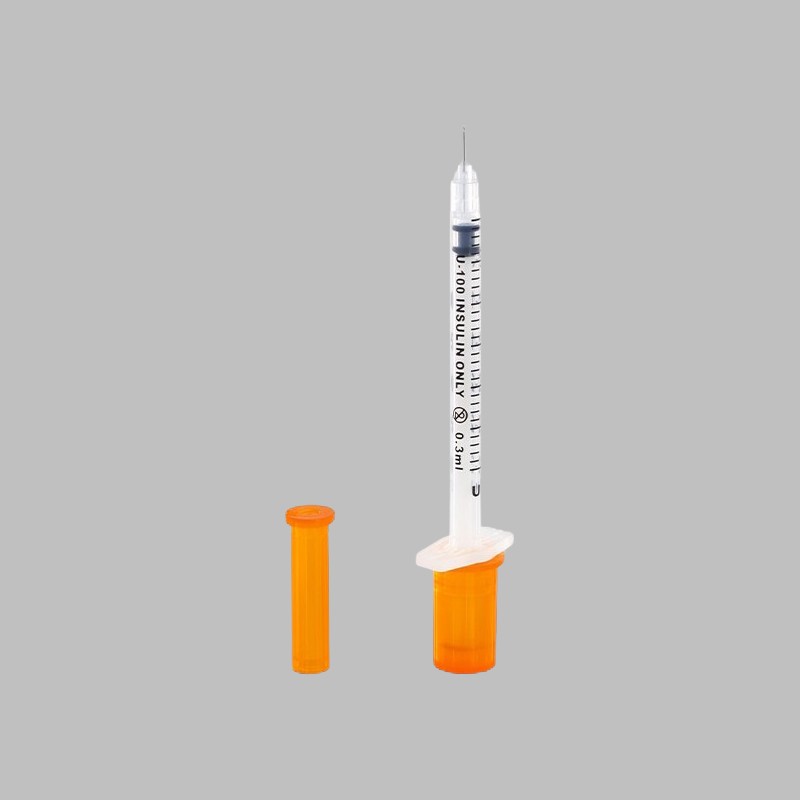
An auto-disable syringe (AD syringe) is a single-use medical syringe designed with a built-in mechanism that prevents or restricts reuse after an injection. Depending on the design, the mechanism may lock the plunger or otherwise disable the syringe after the intended use. This feature helps reduce the possibility of a used syringe being reused on another person.
Auto-disable syringes are particularly relevant to immunization programs and other injection settings where preventing syringe reuse is a priority. Their built-in mechanism provides an additional physical safeguard rather than relying solely on users to remember that a syringe must not be reused.
Common purchasing considerations for an auto-disable syringe include:
Anti-reuse mechanism: Confirm how the syringe becomes disabled and whether the design meets the intended application requirements.
Capacity and graduations: Select an appropriate volume and clearly readable scale for the intended injection.
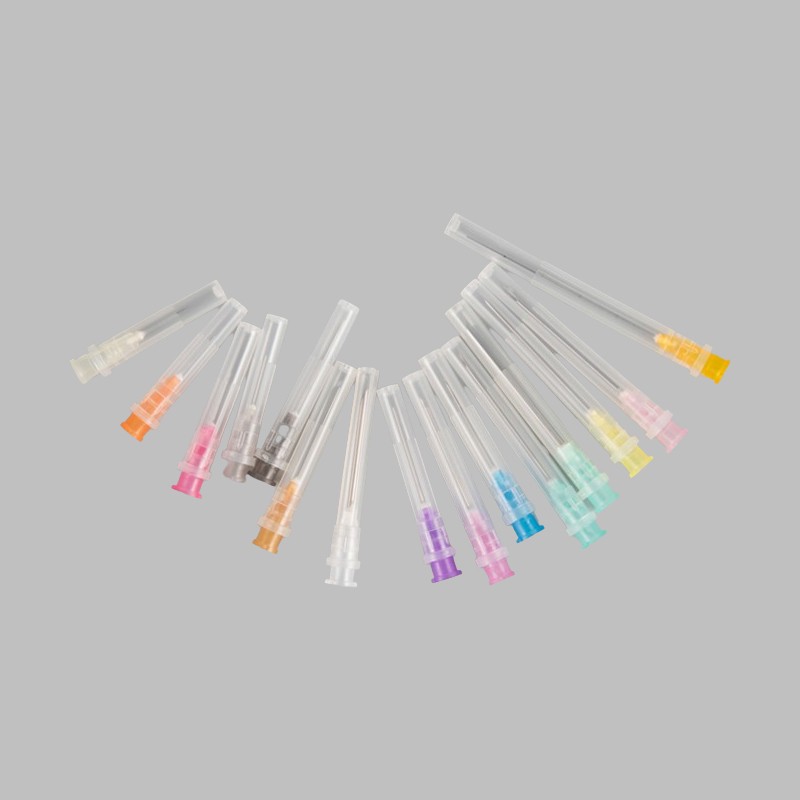
Needle configuration: Check whether the syringe is supplied with a fixed needle and verify the required needle specifications.
Sterility and packaging: Confirm the sterilization method, individual packaging, shelf life, and storage requirements for the specific model.
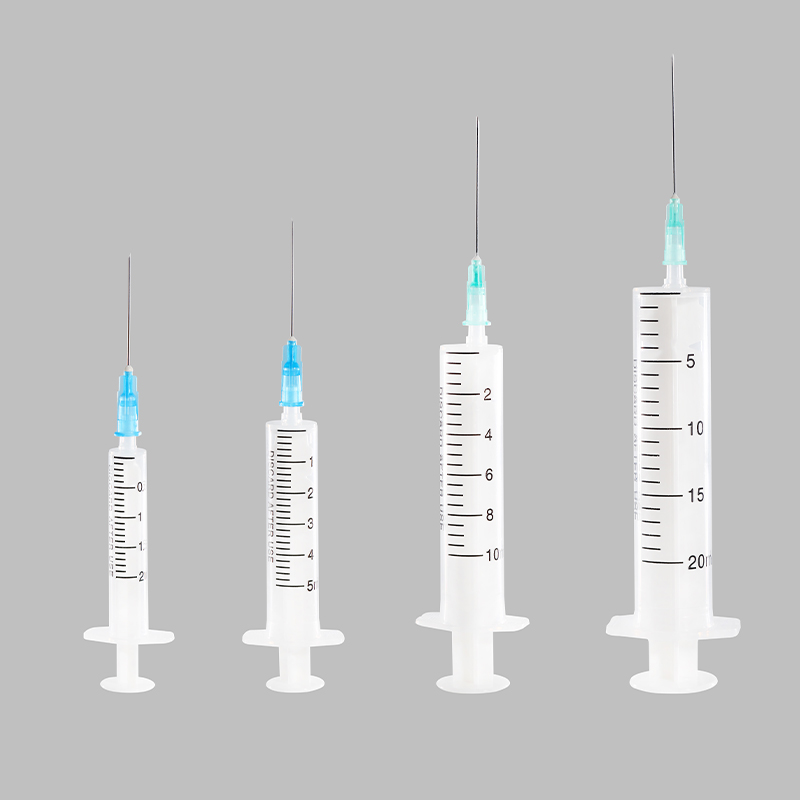
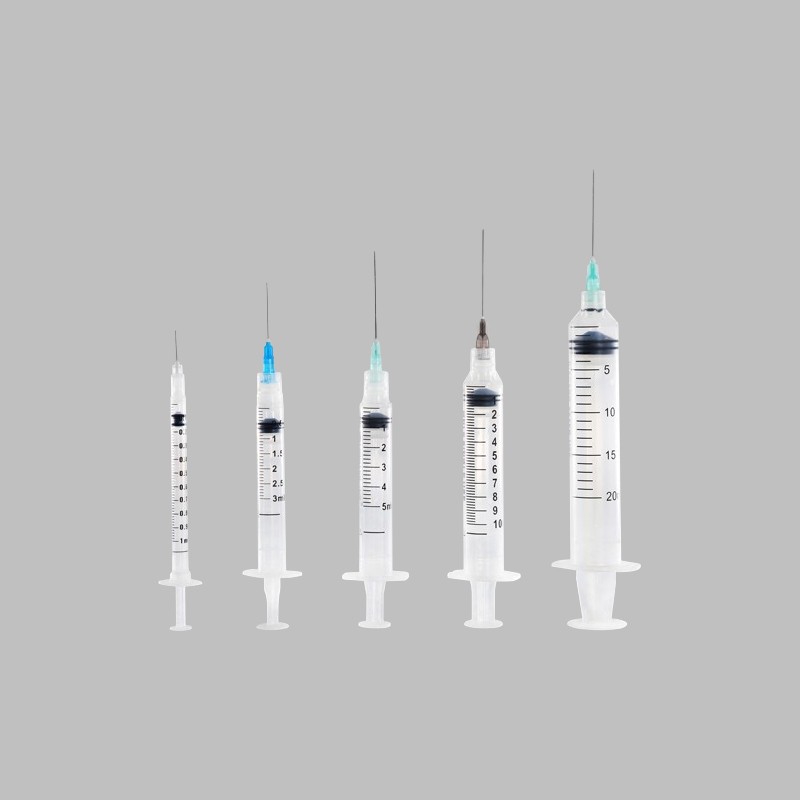
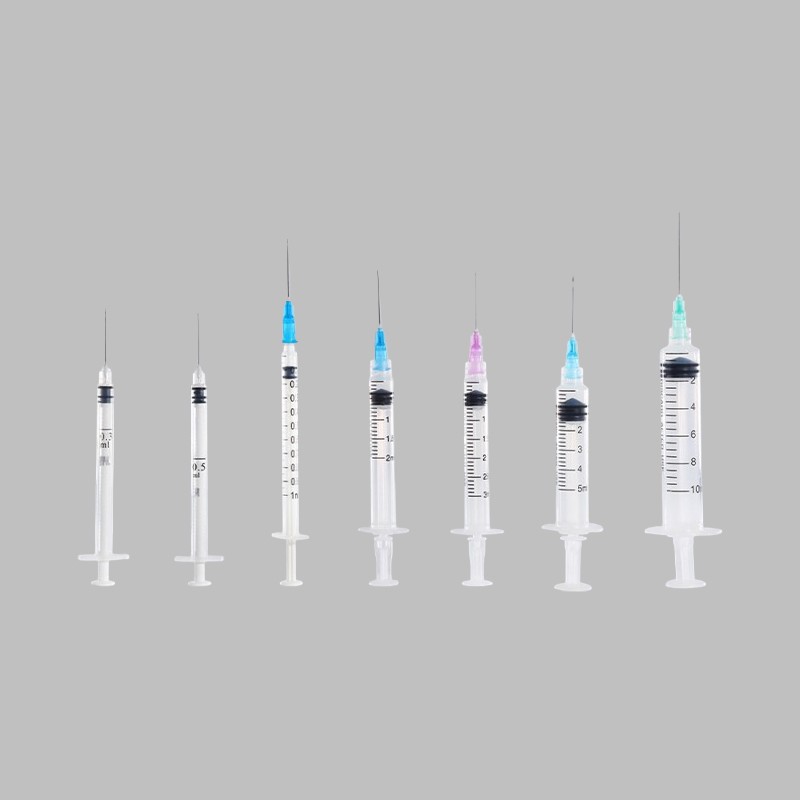
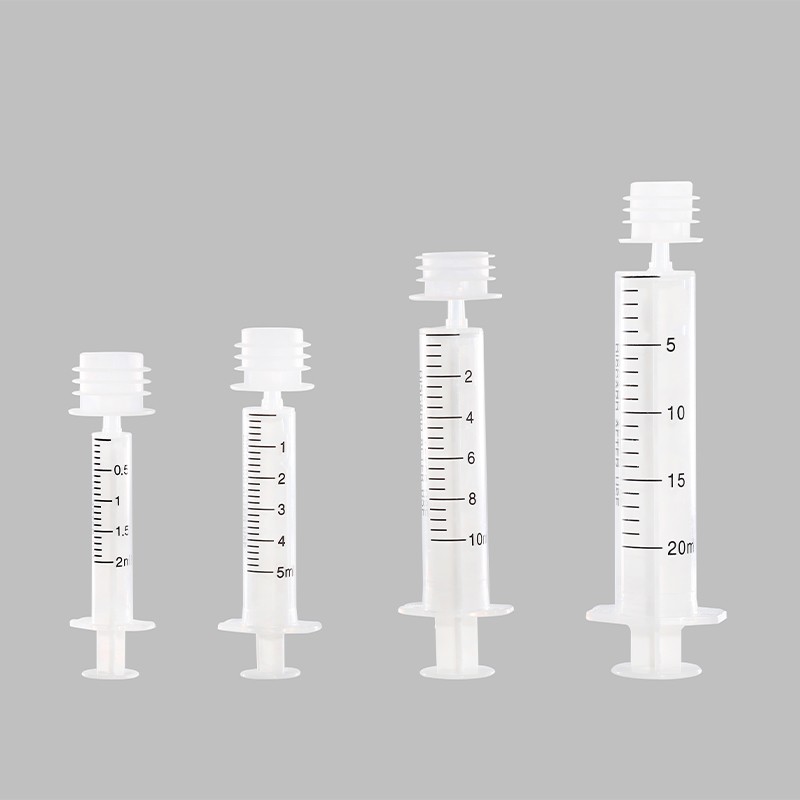
For example, LELUN lists auto-disable syringe options in several nominal capacities, including 0.5 mL, 1 mL, 2.5 mL, 3 mL, 5 mL, 10 mL, and 20 mL. Availability, needle configurations, and technical specifications should be confirmed for the specific product before ordering.
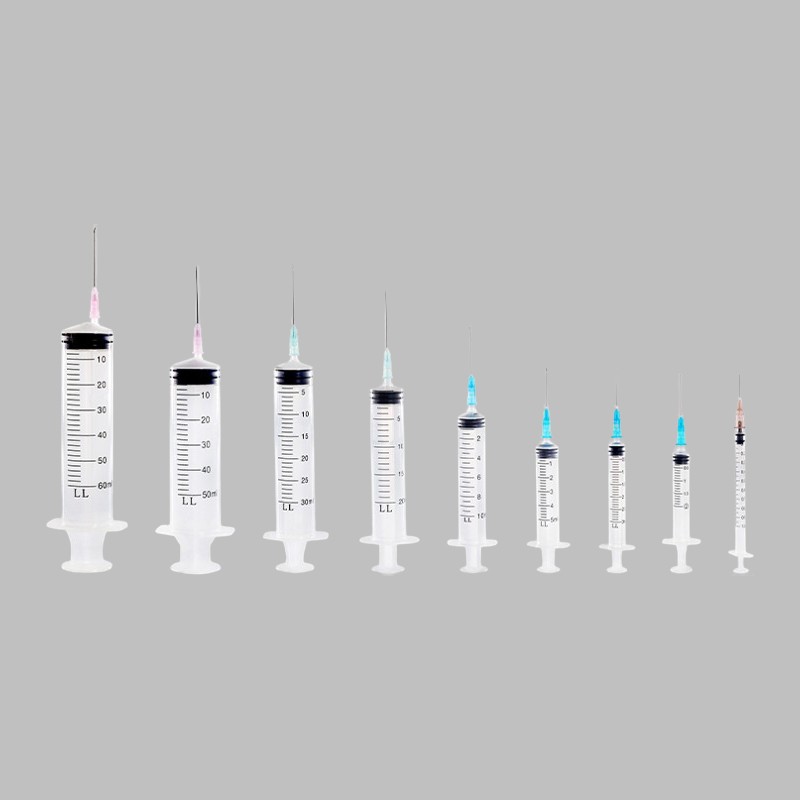
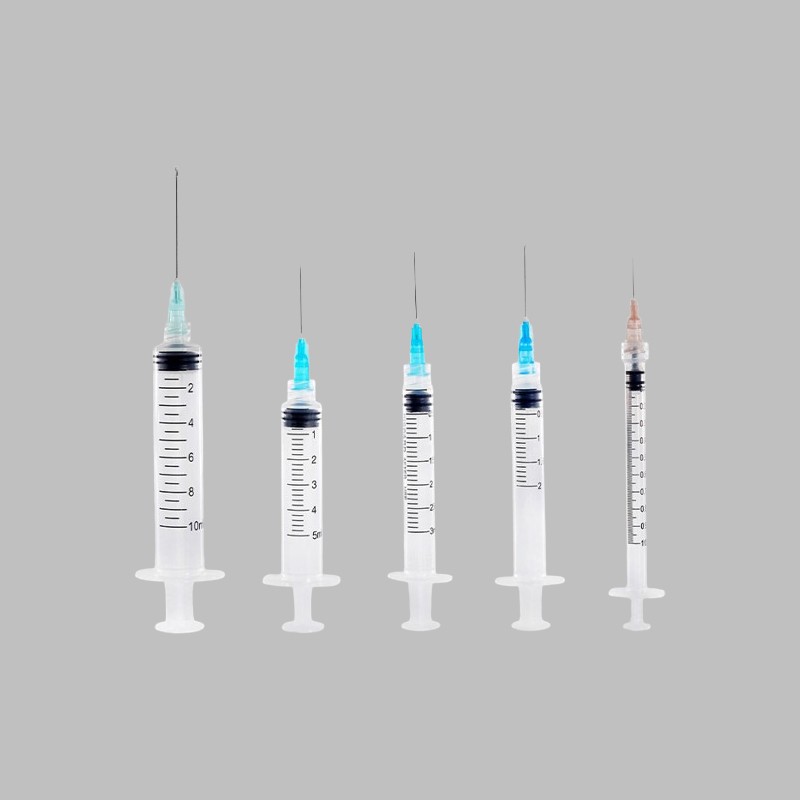
A conventional syringe is a standard syringe consisting of a barrel, plunger, graduated scale, and syringe tip, with a needle attached or supplied separately depending on the model. It is widely used for medication administration and other clinical procedures when the selected syringe is appropriate for the application.
A conventional disposable syringe is intended for one use only. However, unlike an auto-disable syringe, a conventional model generally does not have a built-in mechanism that automatically disables it after an injection. Therefore, preventing reuse depends on following established clinical procedures, handling instructions, and appropriate disposal practices.
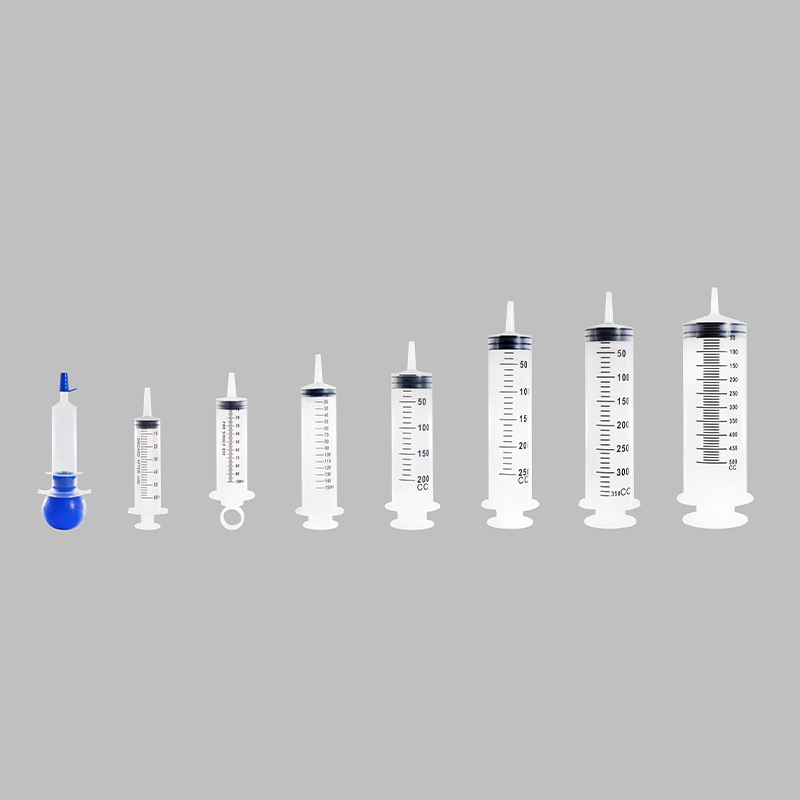
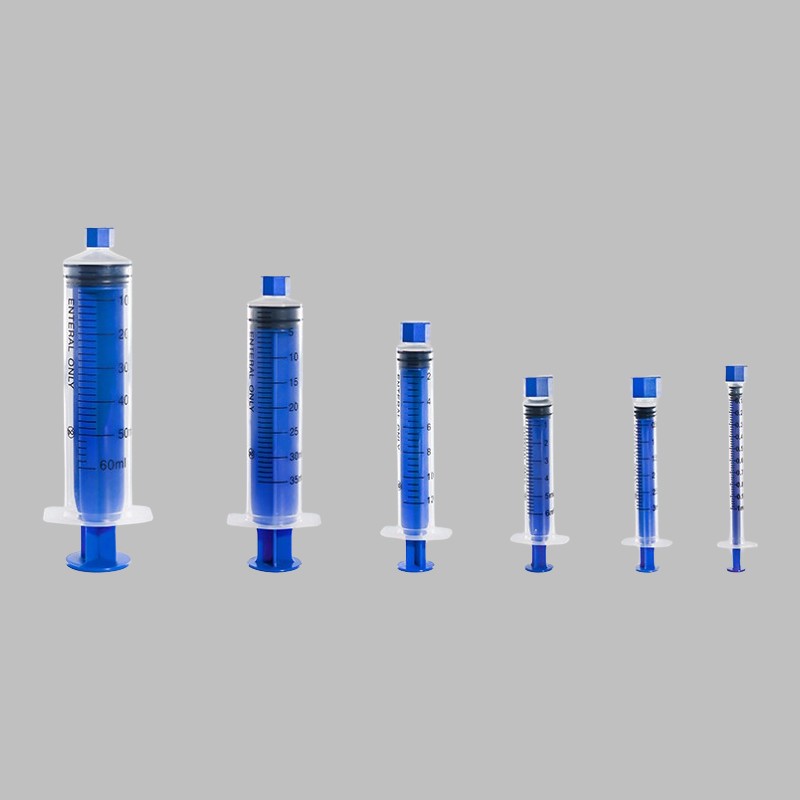
Conventional disposable syringes are available in different capacities, needle configurations, and connection types, such as Luer slip and Luer lock. These options can support different clinical requirements, but buyers should always match the product specifications to the intended use.
It is important to distinguish conventional disposable syringes from reusable syringes. A disposable syringe must never be reused, even if it appears clean or has no visible damage.
The main difference between an auto-disable syringe and a conventional disposable syringe is the presence of a built-in anti-reuse mechanism. Other differences depend on the individual model, including capacity, needle design, and intended application.
| Comparison Factor | Auto-Disable Syringe | Conventional Disposable Syringe |
|---|---|---|
| Reuse prevention | Built-in mechanism designed to disable or restrict reuse after use | Usually relies on correct handling and disposal procedures |
| Primary safety function | Adds a physical safeguard against syringe reuse | Provides sterile, single-use injection equipment when supplied and used correctly |
| Typical applications | Immunization programs and other suitable injection applications | A wide range of clinical injections and other indicated procedures |
| Product selection | Requires checking the disabling mechanism and application suitability | Requires checking capacity, tip connection, needle, and application suitability |
| Disposal | Must be disposed of according to applicable medical waste procedures after use | Must also be disposed of after one use according to applicable procedures |
Neither syringe type should be reused. An auto-disable feature provides an additional barrier to reuse, but it does not replace hand hygiene, aseptic technique, safe needle handling, or proper sharps disposal. It also does not eliminate every possible risk of infection.
The primary advantage of an auto-disable syringe is its reuse-prevention design. By making the syringe inoperable or restricting further use after the intended injection, the mechanism can help reduce opportunities for unsafe reuse. This is particularly important in high-volume immunization programs and healthcare settings serving many patients.
Auto-disable syringes can support standardized injection safety procedures by adding a physical safeguard to the workflow. Healthcare organizations can incorporate them into broader protocols that include staff training, sterile supplies, sharps containers, and appropriate medical waste management.
For distributors, healthcare procurement teams, and public health programs, selecting the right auto-disable syringe involves more than comparing unit prices. Buyers should evaluate product consistency, packaging, documentation, production capacity, delivery arrangements, and compliance with the regulations of the destination market. A suitable product specification can help reduce procurement mismatches and simplify supply planning.
Procurement note: An auto-disable syringe is not necessarily the same as a retractable safety syringe. Auto-disable designs focus on preventing reuse, while retractable safety syringes may incorporate a mechanism to withdraw the needle into the barrel after use. Some products may combine safety features, so buyers should check the exact product design.
Before purchasing auto-disable syringes, medical distributors and healthcare organizations should assess the following factors:
Determine whether the syringe will be used for an immunization program or another indicated clinical application. Select the appropriate nominal capacity, graduation scale, and needle configuration based on the procedure and applicable clinical requirements.
Ask the supplier how the auto-disable mechanism works and request the relevant product specifications and test documentation. For immunization devices, buyers may also review ISO 7886-3 and applicable World Health Organization guidance to determine which requirements are relevant to the intended procurement.
Confirm the sterilization method, sterile barrier packaging, package integrity, labeling, and stated shelf life for the exact model. LELUN's listed auto-disable syringe specifications include ethylene oxide (EO) sterilization and blister-pack or polybag options; confirm the available packaging configuration for your order.
Request the certificates, declarations, product registrations, and supporting documents applicable to the specific model and destination market. Do not assume that a supplier's general quality certification or another product's approval automatically applies to every syringe model. Where WHO prequalification or a specific regulatory approval is required, verify the exact product and current status through the relevant official source.
For bulk orders, confirm the minimum order quantity, lead time, sample availability, packaging requirements, and shipping arrangements. Clear communication about specifications and order volume helps suppliers assess feasibility and provide a more accurate quotation.
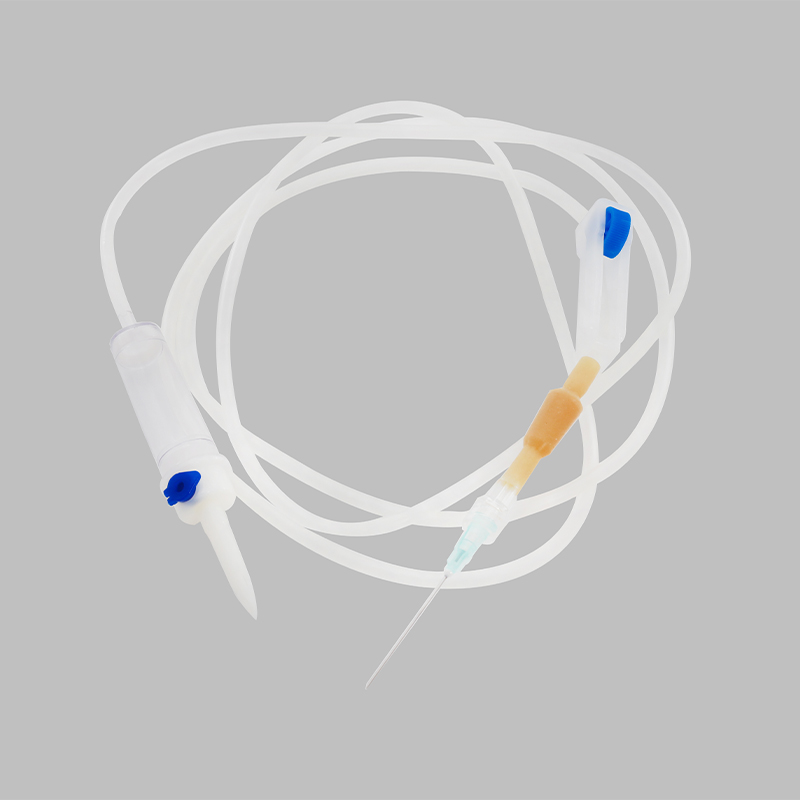
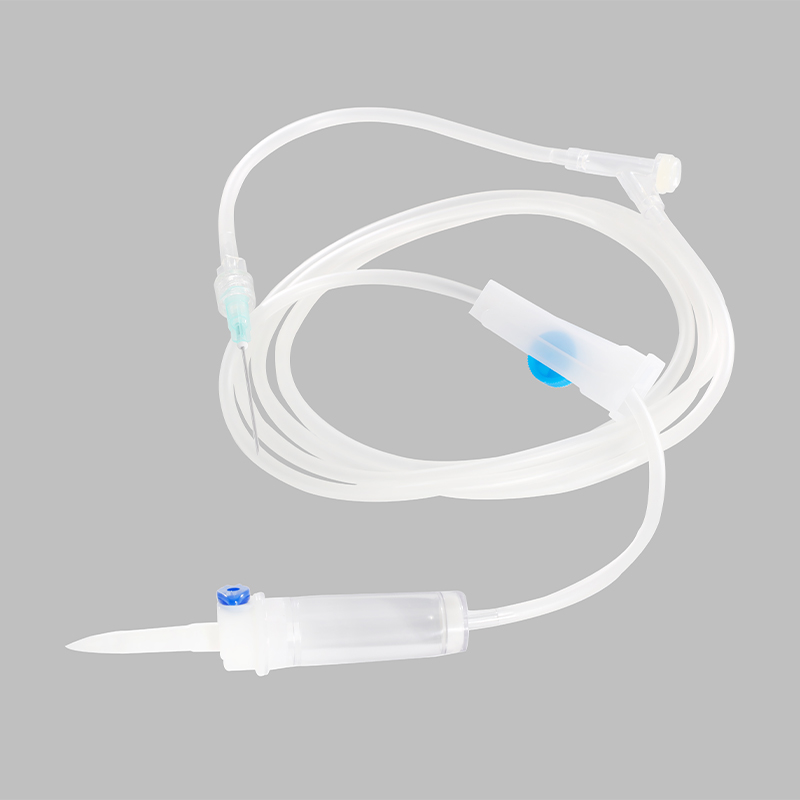
Founded in 1988, Changzhou Medical Appliances General Factory Co., Ltd. has experience in the production of disposable medical devices. Its product portfolio includes auto-disable syringes, retractable safety syringes, conventional disposable syringes, and infusion sets, giving buyers a range of product categories to evaluate through one supplier.
The company's published facility information describes a 50,000 m² plant area and 15,000 m² of purification workshops. Its products are supplied to customers in more than 60 countries and regions. These manufacturing and export capabilities provide a starting point for procurement discussions, while the suitability of a specific syringe should be established through its current technical documentation and applicable regulatory evidence.
For distributors, importers, healthcare purchasing teams, and medical supply wholesalers, LELUN can discuss product specifications, order quantities, packaging options, and export requirements. When requesting a quotation, provide your target syringe capacity, needle requirements, intended application, destination country, and estimated order quantity so the team can assess the appropriate model.
An auto-disable syringe includes a mechanism designed to prevent or restrict reuse after the intended injection. A conventional disposable syringe generally lacks this automatic disabling feature, but it must also be used once only and discarded appropriately.
Yes. Auto-disable syringes are used in immunization programs because their built-in mechanism helps prevent reuse. Buyers should select a model appropriate for the vaccine, administration procedure, and applicable procurement requirements.
An auto-disable mechanism primarily addresses reuse. Needle-stick protection depends on the specific design. A retractable or shielded safety syringe may provide additional needle-protection features, but buyers should verify these features in the product specifications.
Provide the required capacity, needle specifications, intended application, packaging preferences, estimated quantity, destination market, and any applicable regulatory or documentation requirements. This information helps the supplier assess product suitability and prepare a more relevant quotation.
The key difference between an auto-disable syringe and a conventional disposable syringe is the built-in mechanism that helps prevent reuse. Auto-disable syringes can be a suitable choice for immunization and other applications where reuse prevention is a priority, while conventional disposable syringes remain useful across many clinical settings when selected and handled correctly.
For medical device buyers, the right choice depends on the intended application, syringe capacity, needle configuration, safety mechanism, sterilization, packaging, and destination-market requirements. Reviewing these factors with a qualified supplier helps support informed procurement decisions.
Looking for an auto-disable syringe supplier for your next order? Contact LELUN with your specifications, target quantity, and destination market to discuss product availability and quotation requirements.
Note: Product specifications, sterilization methods, certifications, regulatory status, and availability may vary by model and market. Confirm the current documentation for the exact product before purchase.
Whatsapp: +86-13616120206
E-mail: sale01@lelun.com
ADD: HengShanQiao Town, out of East Gate, Changzhou ,Jiangsu, China
Mobile: (+)86-13616120206