





News Categories

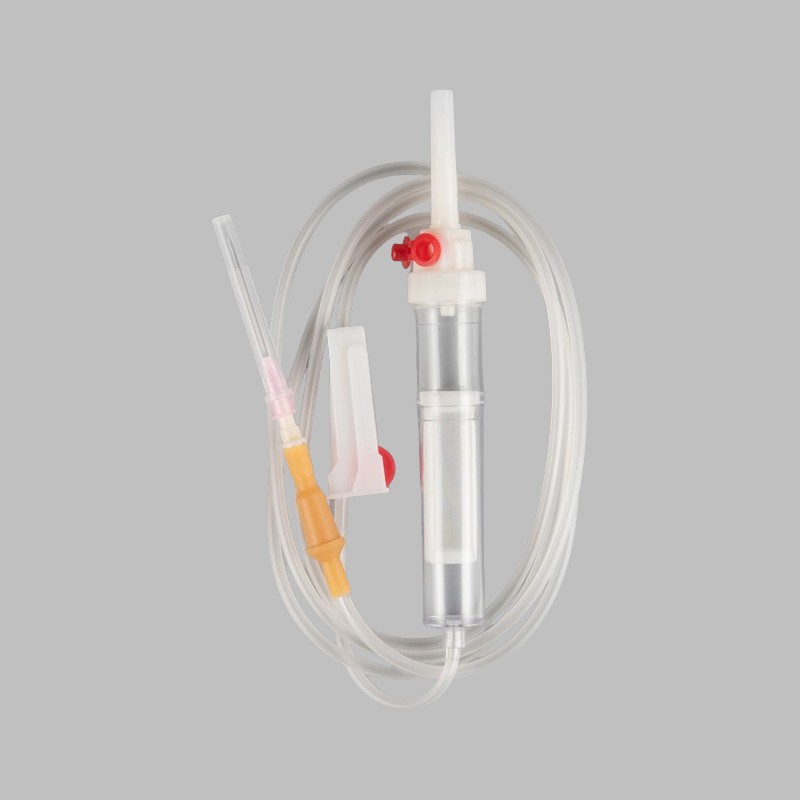
Choosing the right intravenous (IV) infusion set involves more than checking the tubing length or connector type. Material composition, patient-related requirements, component performance, and product documentation are also important considerations for healthcare providers and medical supply buyers. Changzhou Medical Appliances General Factory Co., Ltd. (LELUN), established in 1988, specializes in disposable medical devices, including disposable infusion sets, syringes, and related components. With a 50,000 m² factory area, 15,000 m² of purification workshops, and products supplied to customers in more than 60 countries and regions, LELUN serves medical distributors, importers, and institutional buyers seeking medical consumables. In this guide, we compare latex and latex-free IV sets, explain their key differences, and outline what buyers should verify before placing an order.
Quick answer: A latex IV set contains natural rubber latex in one or more components, while a latex-free IV set is designed and documented to meet the applicable latex-free requirements. The distinction matters when assessing latex allergy precautions, material compatibility, component performance, labeling, and procurement specifications. The exact material composition of each product must be confirmed with the supplier.
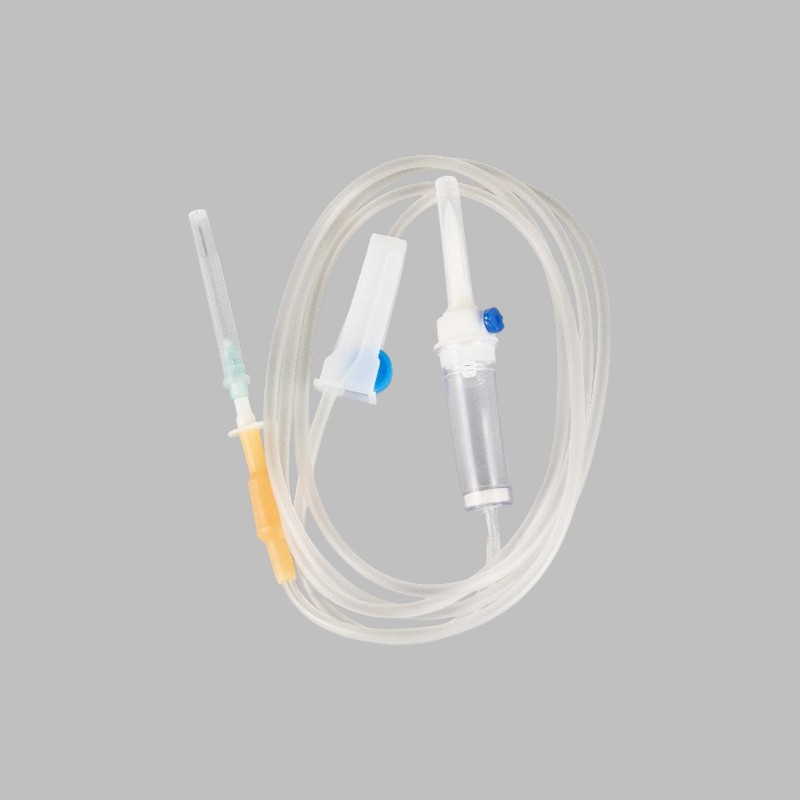
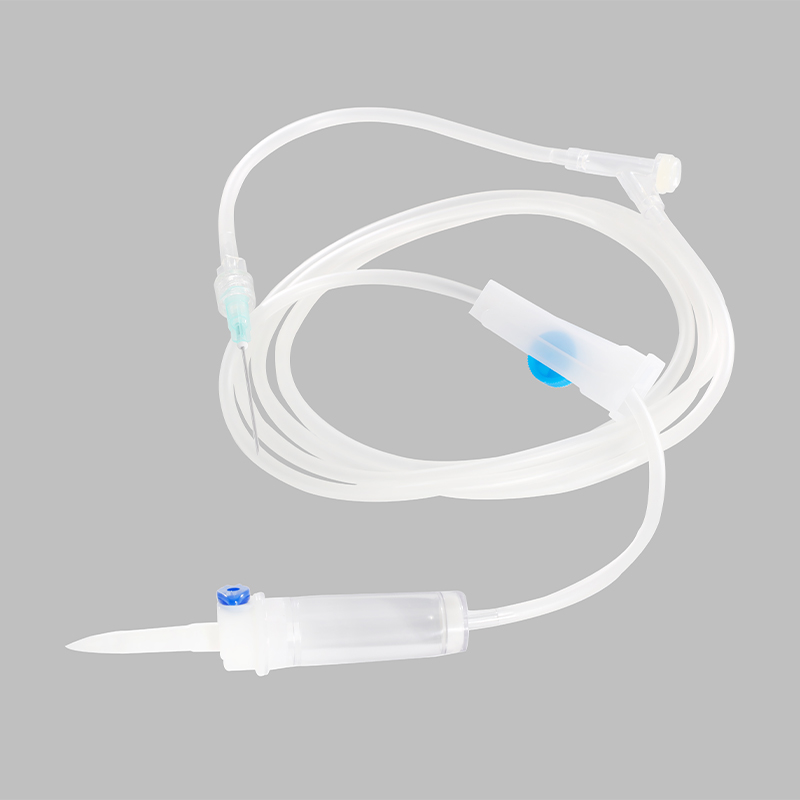
A latex IV set is an intravenous infusion set that contains natural rubber latex in at least one component. Depending on the product design, latex may be used in an elastic injection site, rubber connector, or another specified component. The tubing, drip chamber, connectors, and other parts may be made from different materials, so the presence of latex in one component does not mean that the entire infusion set is made from latex.
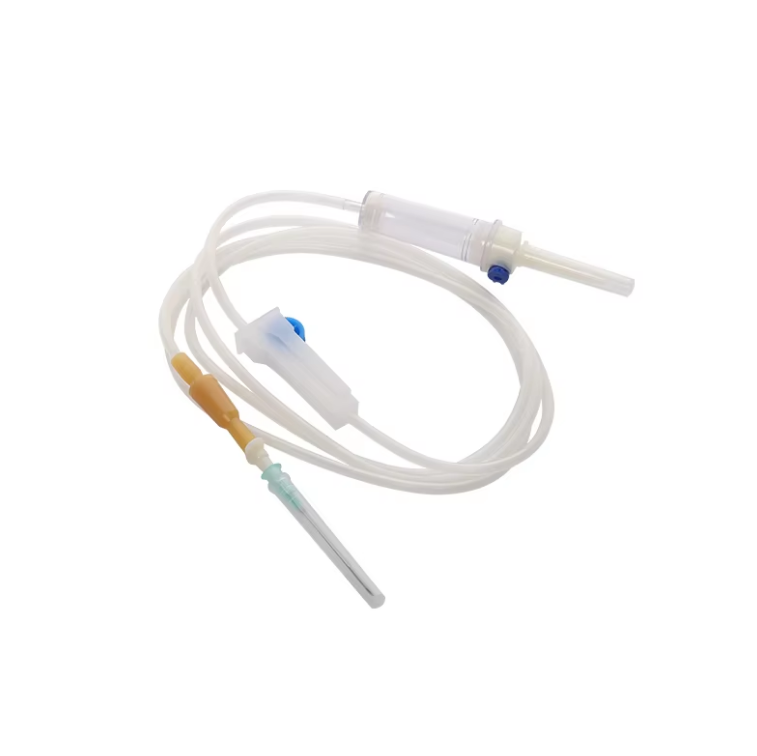
Natural rubber latex is valued for its elasticity and recovery properties. In certain infusion set designs, a latex-containing injection component may be intended to accommodate needle access and provide a seal after the needle is removed. However, actual puncture performance and resealing capability depend on the component design, material formulation, and validated product specifications.
Material composition: One or more components contain natural rubber latex.
Elastic properties: The latex component may provide flexibility and recovery characteristics appropriate to its intended design.
Injection access: Some models incorporate a latex injection site or rubber connection for supplementary medication administration according to the product instructions.
Patient considerations: Natural rubber latex can trigger allergic reactions in susceptible individuals, making material identification and clinical precautions important.
Documentation: Buyers should verify material declarations, labeling, performance specifications, and applicable regulatory documents.
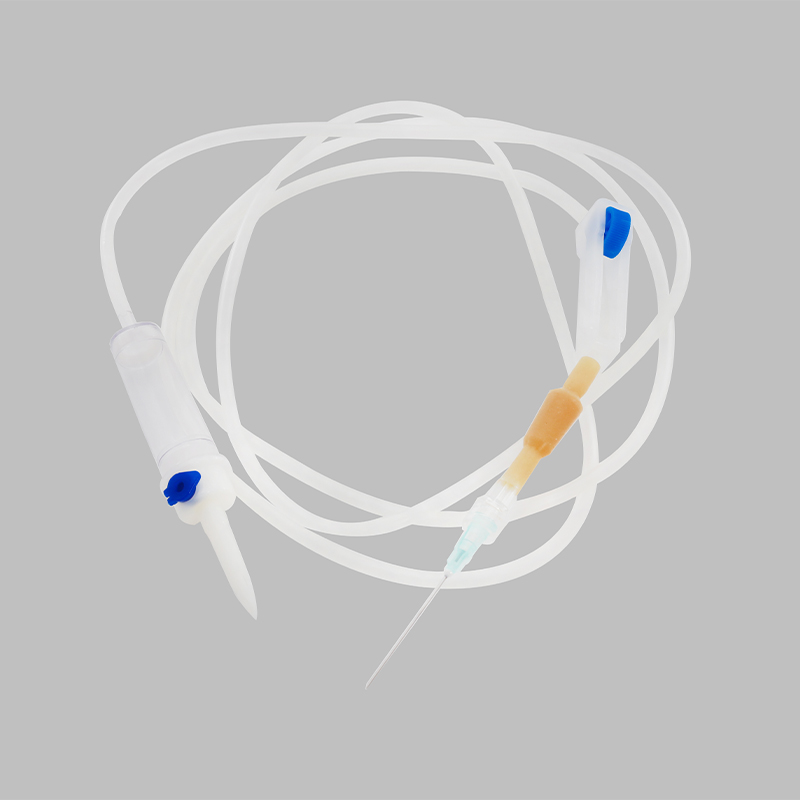
LELUN lists disposable infusion set models with latex connections. The product configuration, connection type, tubing material, and packaging should be confirmed for the specific model before purchase.
A latex-free IV set is an infusion set designed to meet the applicable requirements for products declared latex-free. Depending on the design, natural rubber latex may be replaced by other materials or the product may use a different connection method. The exact materials and scope of the declaration should be verified through the manufacturer's documentation.
For healthcare organizations that need to reduce exposure to natural rubber latex, latex-free products can help meet relevant patient-care policies and procurement specifications. They may also be required by a hospital, distributor, or purchasing authority as part of its medical device sourcing criteria.
Check the full material declaration: Confirm whether the latex-free statement applies to the entire infusion set or only to a particular component.
Review component design: A latex-free injection site may use a different material or access mechanism from a conventional rubber injection site.
Verify performance: Do not assume that an alternative material has identical elasticity, puncture resistance, or resealing behavior.
Confirm labeling and documentation: Request the appropriate product specifications and material declarations for the exact model.
Consider the intended application: Confirm that the selected infusion set meets the clinical, compatibility, and regulatory requirements of its intended use.
It is also important to understand that latex-free does not automatically mean that a product is free from every potential allergen or material-related risk. The term addresses latex-related material requirements, not all aspects of medical device safety.
The main difference between latex and latex-free IV sets is their material composition. For buyers, this difference can affect product selection, patient-related precautions, documentation requirements, and the verification process. Performance and cost should be evaluated using the specifications of the individual products rather than assumptions about the material alone.
| Comparison Factor | Latex IV Set | Latex-Free IV Set |
|---|---|---|
| Material composition | Contains natural rubber latex in one or more components | Designed and documented to meet applicable latex-free requirements |
| Allergy considerations | Requires consideration of latex exposure for susceptible individuals | May be suitable where latex avoidance is required, subject to clinical and product requirements |
| Elasticity and recovery | Depends on the latex component's formulation and design | Depends on the selected alternative material and design |
| Resealing performance | Must be established through product-specific testing | Must also be established through product-specific testing |
| Procurement focus | Material identification, labeling, and intended-use requirements | Latex-free declaration, material records, and performance evidence |
| Cost considerations | Depends on materials, configuration, and order volume | Depends on alternative materials, design, documentation, and order volume |
Neither material category is automatically superior in every situation. The appropriate choice depends on the intended application, patient-related requirements, component performance, and the purchasing organization's specifications. A supplier should be able to identify the relevant materials and provide documentation for the selected configuration.
Material selection should be considered alongside clinical requirements and the design of the infusion set. For example, when a patient has a known or suspected natural rubber latex allergy, healthcare professionals should follow applicable clinical protocols and select products that meet the required latex-avoidance criteria.
However, the term latex-free does not describe every feature of an IV set. A product's tubing, drip chamber, injection site, connectors, and other components may use different materials and serve different functions. Buyers should review the complete product specification rather than relying on a single component name.
These terms are not interchangeable. A latex-free injection site describes a material-related characteristic, while a needle-free connector describes a method of accessing an infusion line without using a needle to penetrate the access point. A connector may be latex-free, but that feature must be confirmed separately.
When evaluating these designs, procurement teams should check compatibility with the intended infusion system, the manufacturer's instructions, connection requirements, and any validated performance specifications. Clinical use must follow the product's instructions and the healthcare facility's established procedures.
For hospitals, medical distributors, importers, and healthcare procurement teams, choosing between a latex IV set and a latex-free IV set should involve a structured review. The following checklist can help buyers identify the right product configuration.
Determine whether natural rubber latex is acceptable for the intended application and whether the purchasing specification requires a latex-free product. Ask the supplier which components contain latex and whether any declaration applies to the complete set or only to individual parts.
Confirm whether the IV set includes a latex injection site, a latex-free injection component, a Y-site, or a needle-free connector. These designs serve different purposes, so the required configuration should be clearly stated in the purchase order and technical specification.
Check the relevant specifications for leakage, connection security, flow characteristics, and injection-site performance where applicable. If repeated access is required by the intended design, request the corresponding validated performance information. Do not infer performance from the material name alone.
Review the stated sterilization method, sterile packaging configuration, shelf life, storage instructions, and product labeling for the exact model. Request the applicable material declarations, technical specifications, and regulatory documents for the destination market. Confirm that any certificates or approvals cover the product being purchased.
For bulk procurement, compare the minimum order quantity, sample availability, lead time, packaging options, shipping arrangements, and quoted price. If a specific latex-free configuration is required, obtain written confirmation of the agreed materials and product specifications before production or shipment.
Buyer checklist: Before confirming an order, document the required material composition, injection-site design, connector type, tubing specifications, sterilization and packaging requirements, applicable certifications, quantity, and destination market.
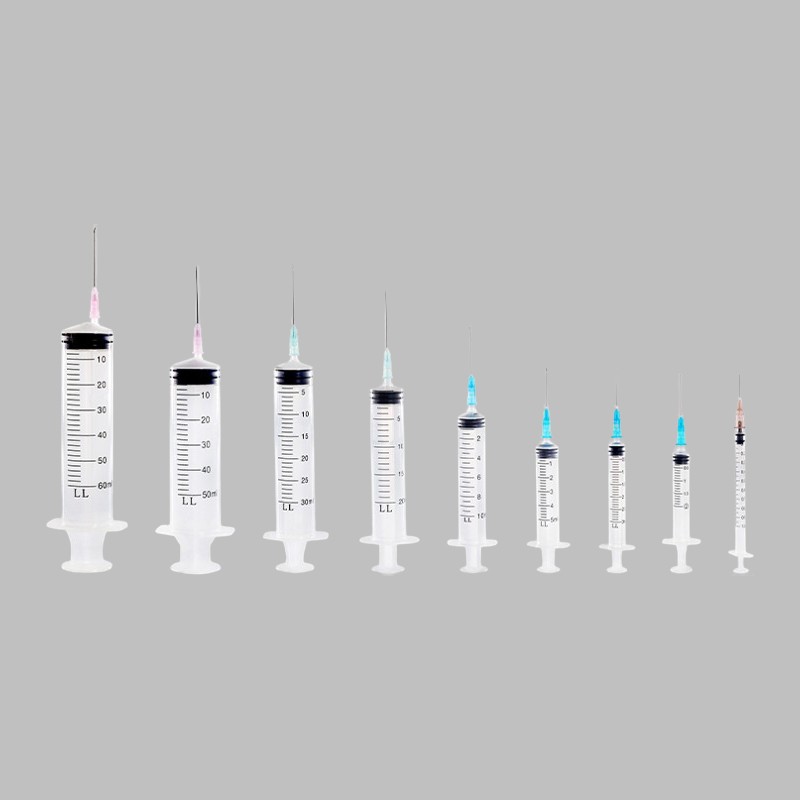
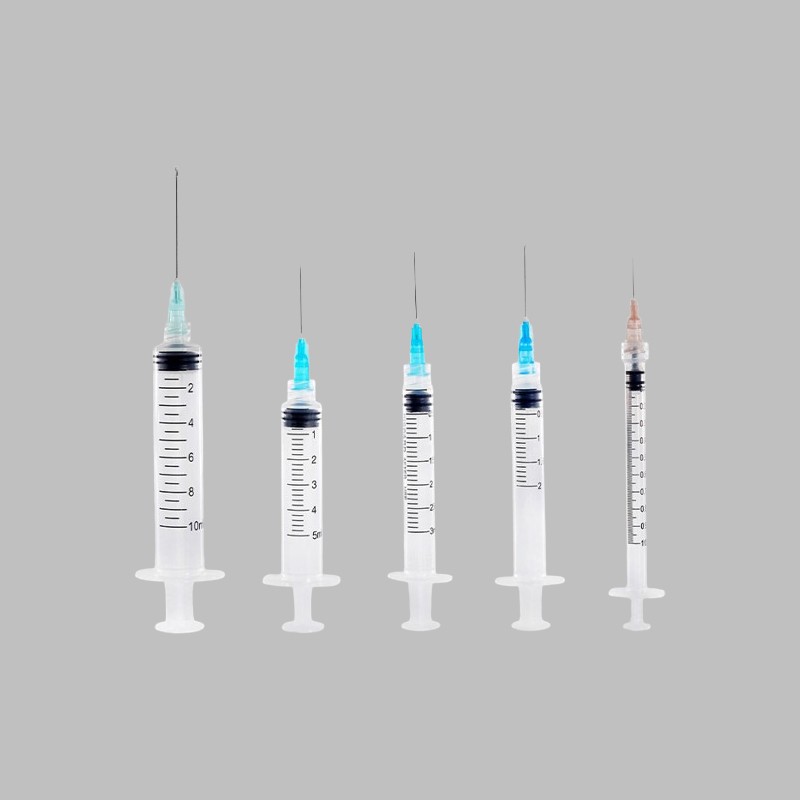
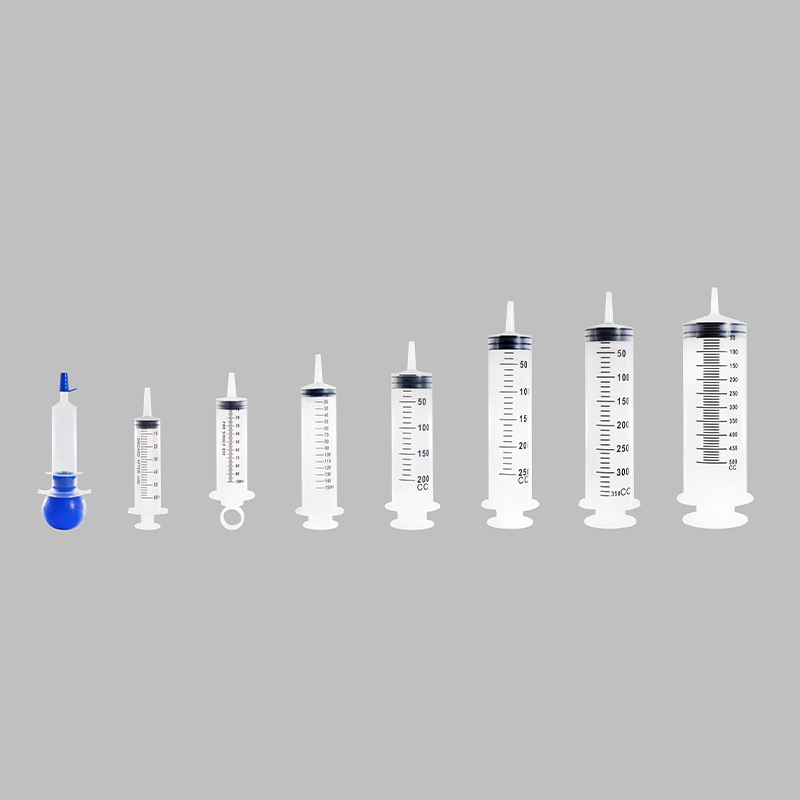
Changzhou Medical Appliances General Factory Co., Ltd. has manufactured disposable medical devices since 1988. Its product portfolio includes disposable infusion sets, disposable syringes, safety syringes, and related medical components. The company's published facility information identifies a 50,000 m² factory area and 15,000 m² of purification workshops, while its products are supplied to customers in more than 60 countries and regions.
For buyers sourcing disposable IV infusion sets, working with an established manufacturer can help simplify product discussions, specification reviews, and order planning. LELUN lists infusion set configurations with latex connections, as well as related components identified as available in latex or latex-free options. Buyers should confirm the exact configuration and current availability directly with the company rather than assume that every infusion set is latex-free.
When requesting product information, provide the intended application, required material declaration, injection-site design, connector type, packaging preferences, order quantity, and destination market. This allows the supplier to assess the relevant model and identify the documentation needed for your procurement process.
A latex IV set contains natural rubber latex in one or more components. A latex-free IV set is designed and documented to meet the applicable requirements for latex-free products. Buyers should verify which components are covered by the material declaration.
That depends on the scope and definition of the manufacturer's declaration. Request documentation that clearly identifies the components covered by the latex-free claim and confirm that the statement matches your purchasing requirements.
Not necessarily. Resealing performance depends on the component material, structure, and design. Buyers should review the technical specifications and applicable test results for the specific product rather than assume the two designs perform identically.
No. Latex-free refers to material requirements, while needle-free describes an access design. A product may have one feature without the other, so both requirements should be specified and verified separately.
Confirm the material declaration, injection-site design, connector type, technical specifications, sterilization method, packaging, shelf life, applicable regulatory documents, order quantity, and delivery schedule. Written confirmation of the required configuration helps reduce procurement misunderstandings.
The main difference between latex and latex-free IV sets is whether natural rubber latex is present in the product's components. This distinction can influence material selection, allergy-related precautions, documentation, and purchasing requirements. However, material choice alone does not determine the performance or suitability of an infusion set.
For healthcare providers and medical device buyers, the best approach is to confirm the complete material composition, injection-site design, performance specifications, packaging, and applicable regulatory documentation. Comparing these factors helps buyers select an IV infusion set that meets their intended requirements.
Looking for a disposable IV infusion set supplier? Contact LELUN to discuss your required configuration, material specifications, order quantity, and destination market.
Disclaimer: This article provides general product-selection information and is not a substitute for clinical guidance or product instructions for use. Material composition, performance, sterilization, certifications, and availability may vary by model. Confirm the current documentation for the exact product before purchase.
Whatsapp: +86-13616120206
E-mail: sale01@lelun.com
ADD: HengShanQiao Town, out of East Gate, Changzhou ,Jiangsu, China
Mobile: (+)86-13616120206