






News Categories

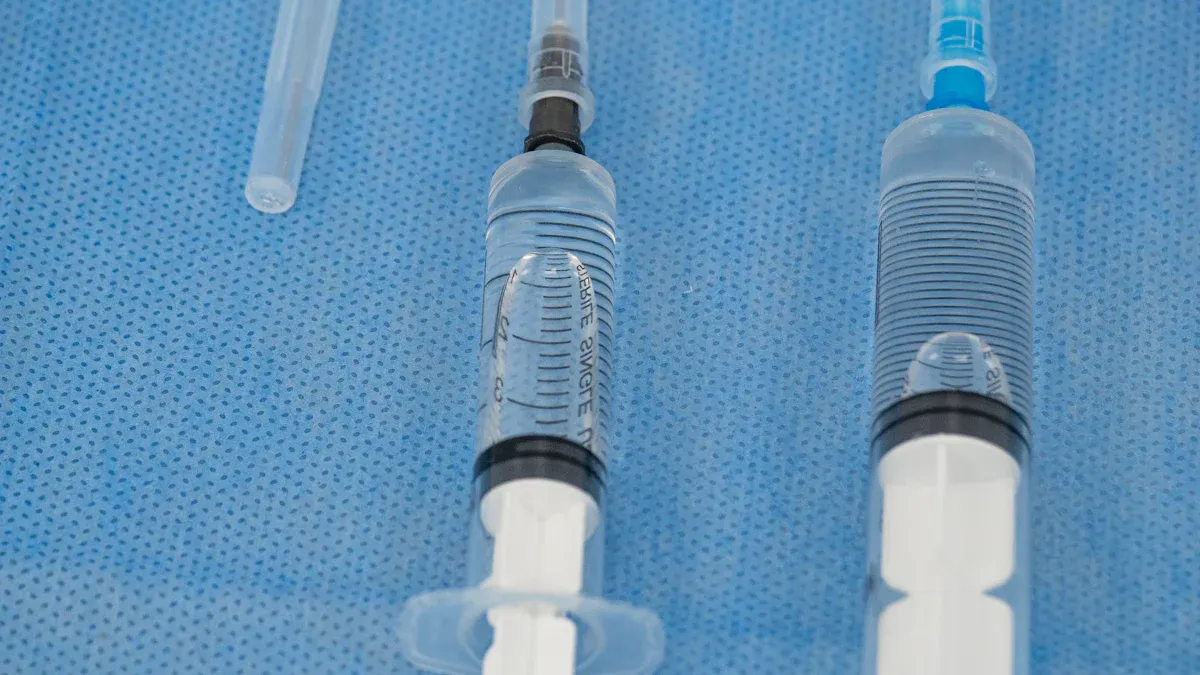
You want the safest option for your clinic in 2025. Auto-Disable Syringe technology is the best choice. It gives great safety and follows rules. Safety Syringes keep patients and staff safe from infections. They also help stop needle-stick injuries. Hospitals and clinics use these syringes to follow strict rules.
In 2025, retractable auto disable syringe models have almost 47.5% of the market. This shows people trust their safety.
North America has 38.4% of the market. This is because they have good healthcare systems.
Auto-disable syringes are safer. They lock after one use. This stops infections and needlestick injuries.
Using auto-disable syringes can save money over time. They lower healthcare costs from infections.
Regular syringes cost less. But they can be reused. This can spread diseases.
Always throw away used syringes in a sharps container. This keeps your clinic safe. It also follows health rules.
Picking the right syringe is very important. It helps keep patients safe. It also follows global health standards.
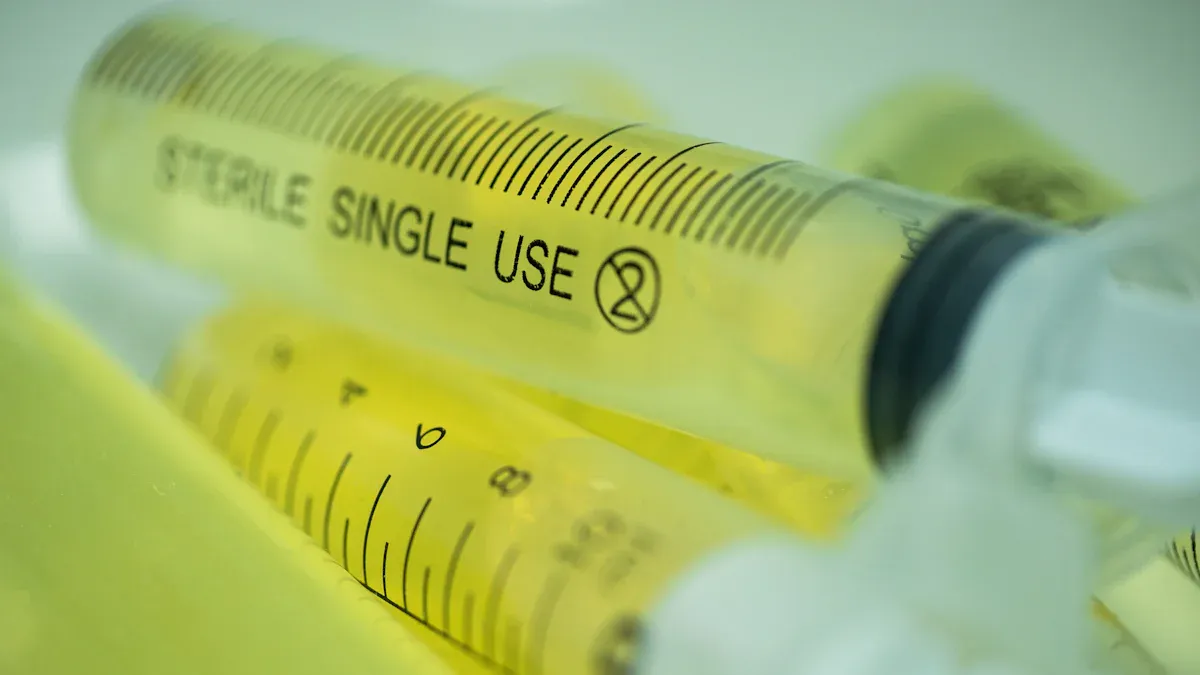
An auto disable syringe is used for safe injections. It is made to be used only one time. After you give a shot, it locks itself. You cannot use it again. This helps stop infections and keeps everyone safe. Hospitals and clinics use these syringes to follow safety rules. Immunization programs also use them. They come in many sizes, so you can pick the right one.
Auto-disable syringes have a special lock or retracting part. When you push the plunger, the lock works or the needle goes in. This makes sure you cannot use it again. Even if you try, it will not work. The lock and fixed needle stop unsafe shots. Studies say these syringes made unsafe shots go down by 86% from 2000 to 2010. Groups like WHO and UNICEF support this because it keeps people safe.
Tip: Use auto-disable syringes for vaccines. This lowers the chance of spreading germs and needle injuries.
You get many good things with auto-disable syringes from Changzhou Medical Appliances General Factory Co., Ltd. Here is a table with the main features:
| Feature | Description |
|---|---|
| Auto-Disable Mechanism | Locks or pulls back the needle after use, so you cannot use it again. |
| Single-Use Design | Keeps it clean and stops the spread of germs. |
| Clear Graduation Marks | Helps you measure the right amount of medicine. |
| High-Quality Materials | Made from strong plastic and steel needles. |
| Needle Protection | Some have a shield or needle that goes in to stop injuries. |
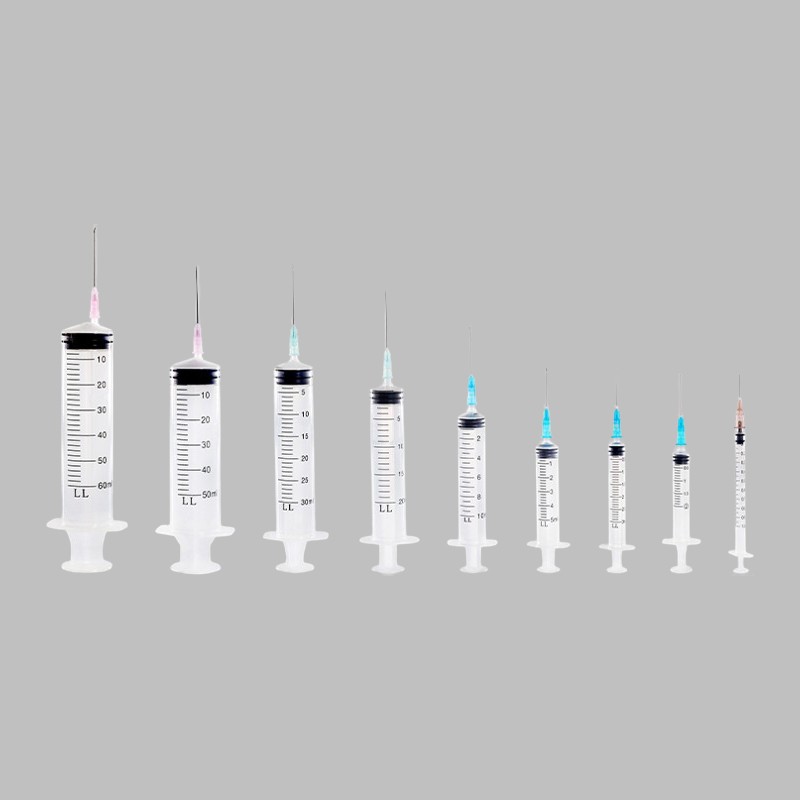
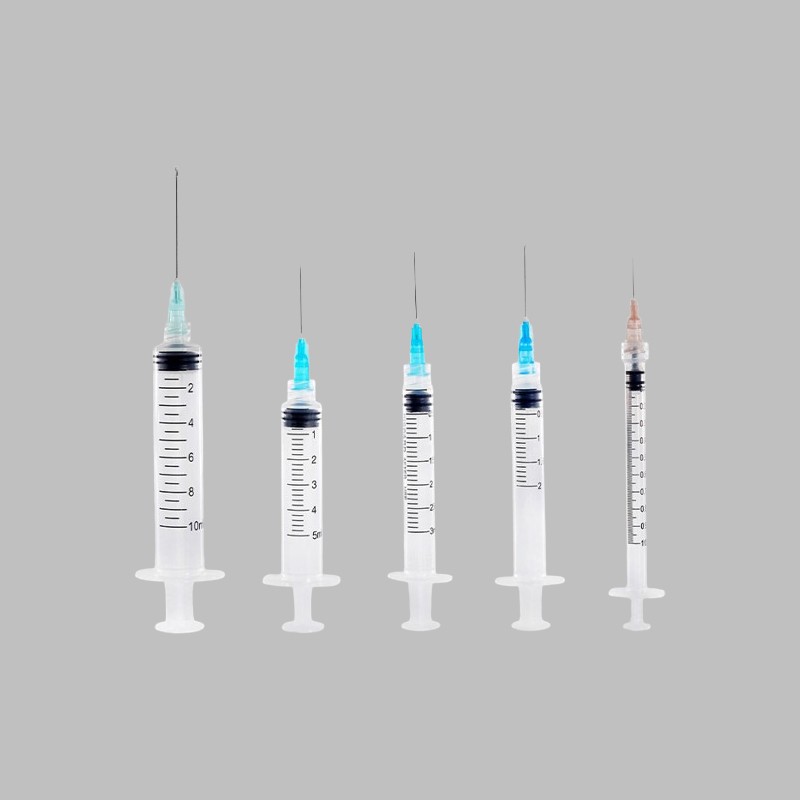
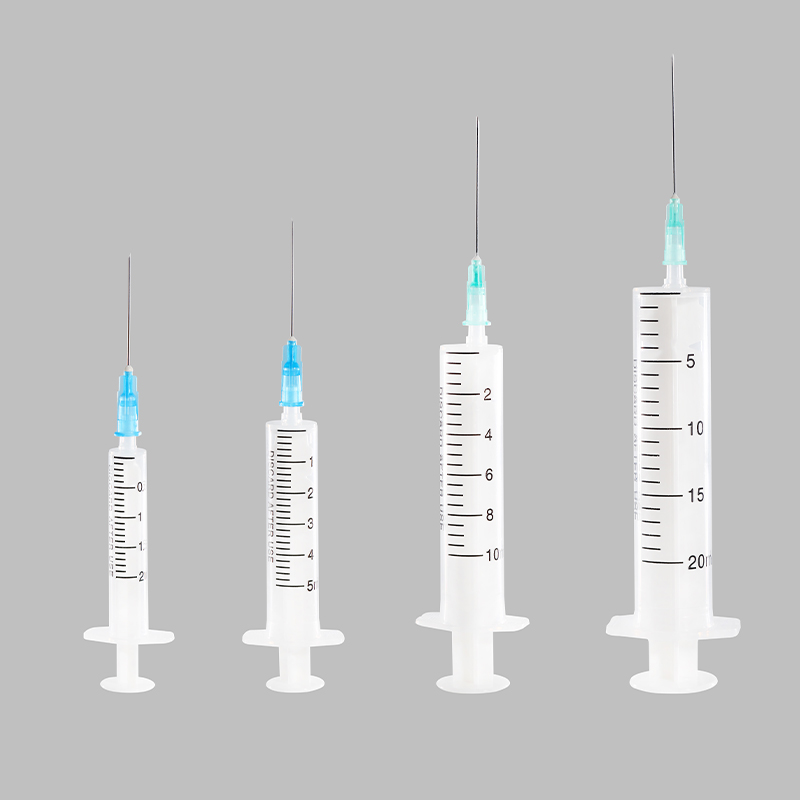
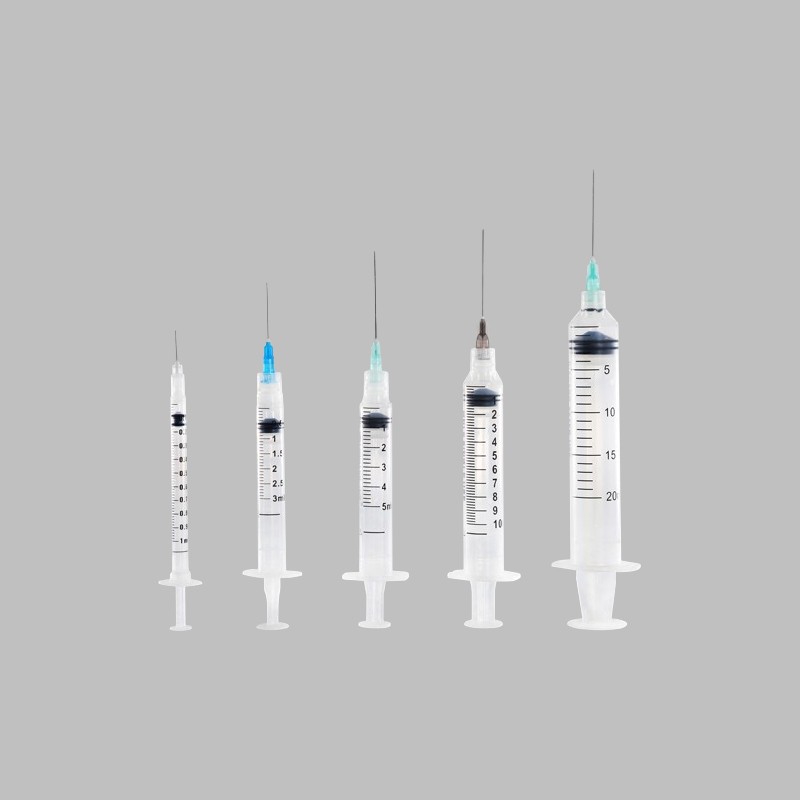
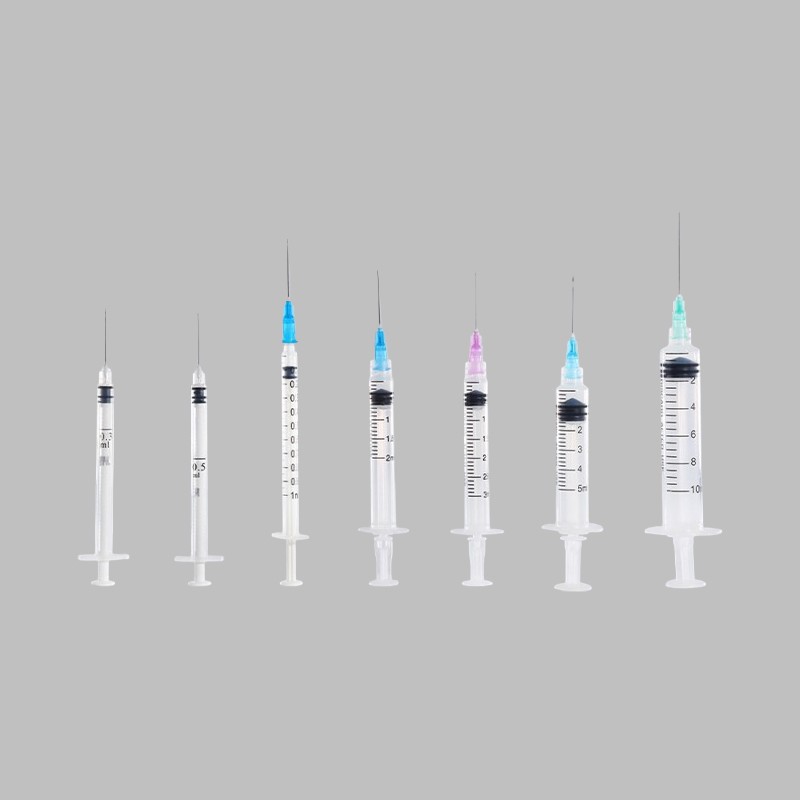
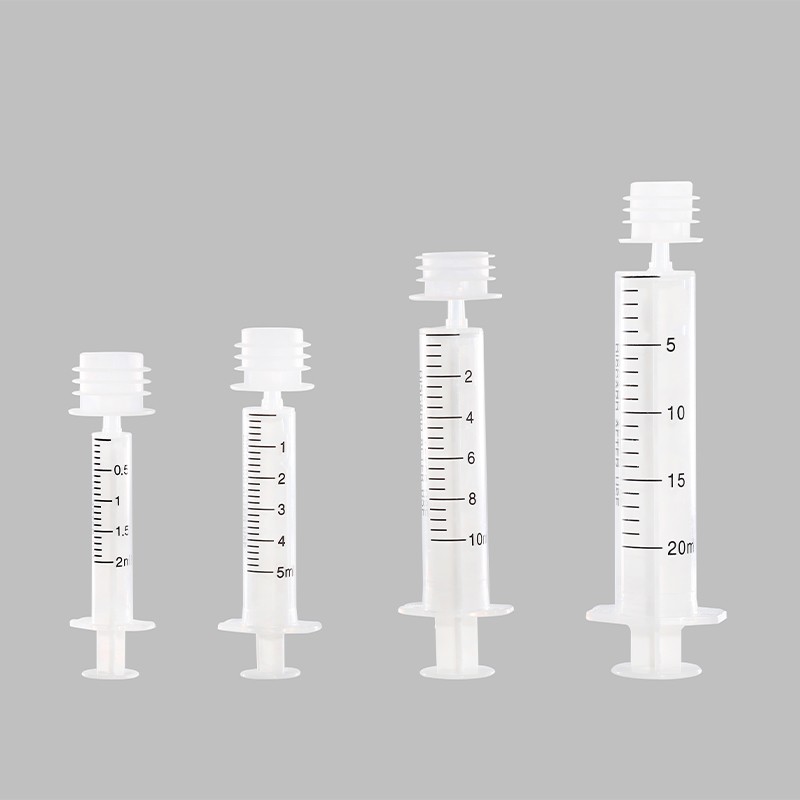
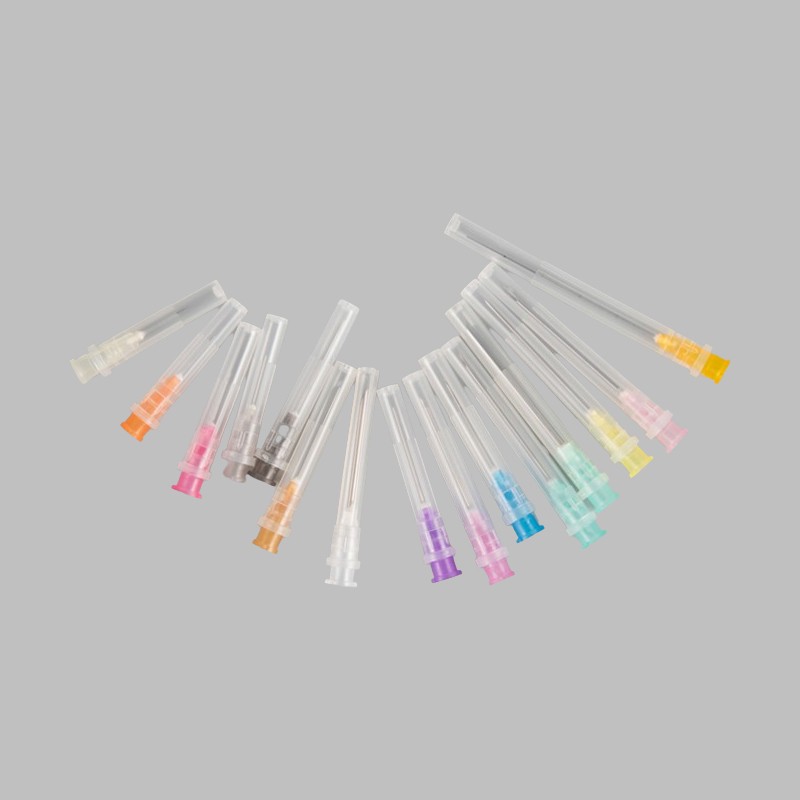
| Specifications | Comes in sizes: 0.5CC, 1CC, 2.5CC, 3CC, 5CC, 10CC, 20CC. |
| Packing | Cleaned with ETO gas, packed in a blister pack or bag. |
| Latex or Latex-Free Gasket | You can choose latex or latex-free. |
Auto-disable syringes are made for safety and cannot be used again. You can trust them because they meet world safety rules. These are:
WHO and UNICEF rules for shots
WHO and ISO rules for safety and cleanliness
FDA and CE Mark for North America and Europe
ISO 13485, CE, and FDA for making them
You get clean, single-use packs with seals that show if opened. You can ask for special sizes and needle types. The factory makes up to 10 million syringes every day. Using a safety syringe keeps you and your patients safe.
Regular syringes are used for many medical jobs. They come in many types and sizes. Most are used once, but some can be used again if cleaned well. They are made from strong plastics like polypropylene or polycarbonate. Hospitals and clinics use these plastics because they are safe. These materials pass tough safety tests.
Here is a table that shows the usual types and materials for regular syringes in 2025:
| Type of Syringe | Material Used | Compliance Standards |
|---|---|---|
| Single-Use Syringes | Medical-grade Polypropylene | FDA requirements |
| Polycarbonate | Biocompatibility test pass rate > 99.9% | |
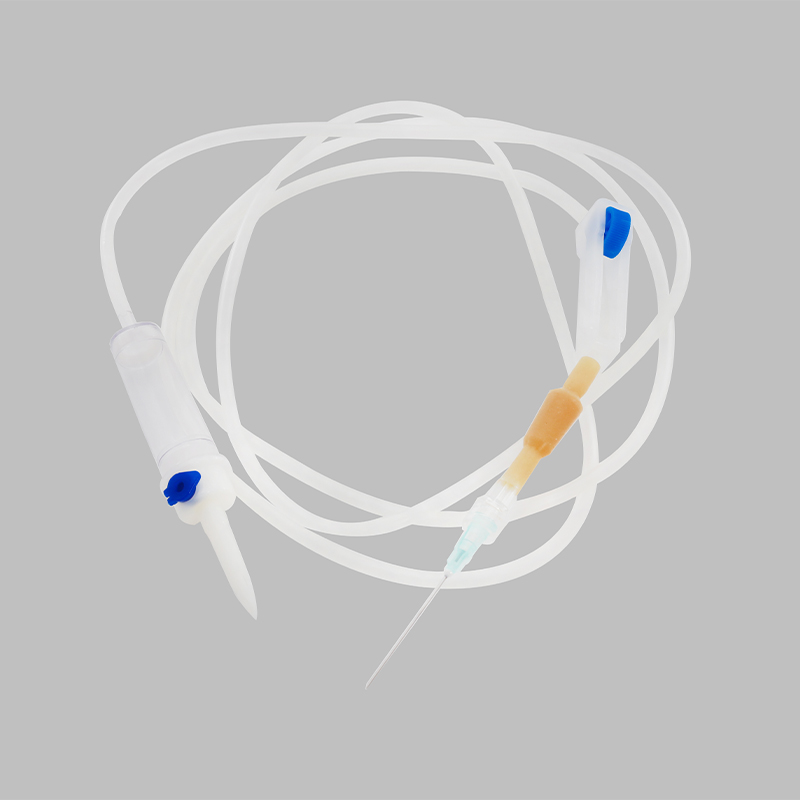
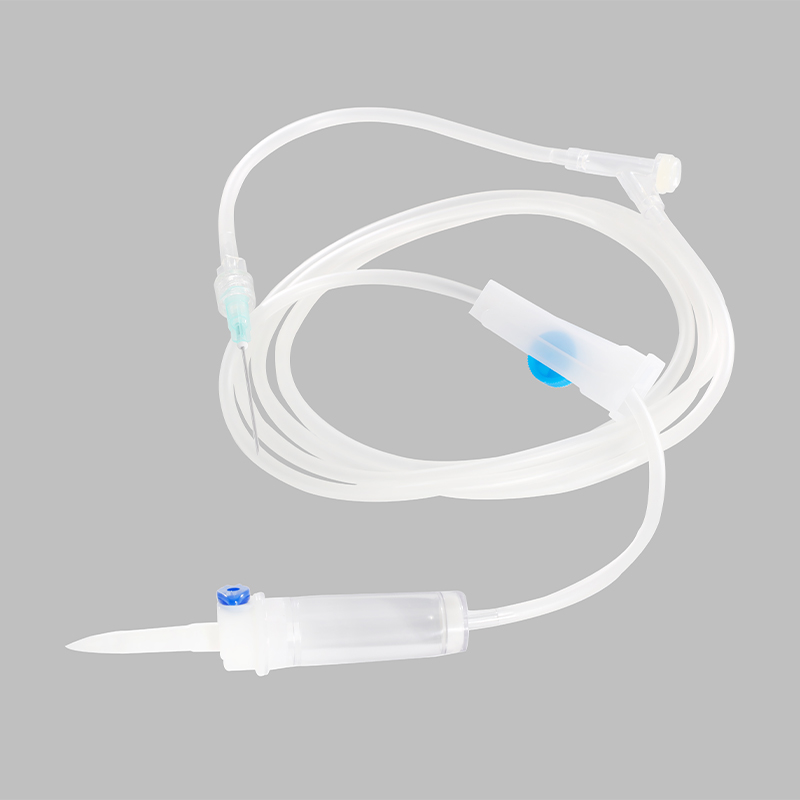
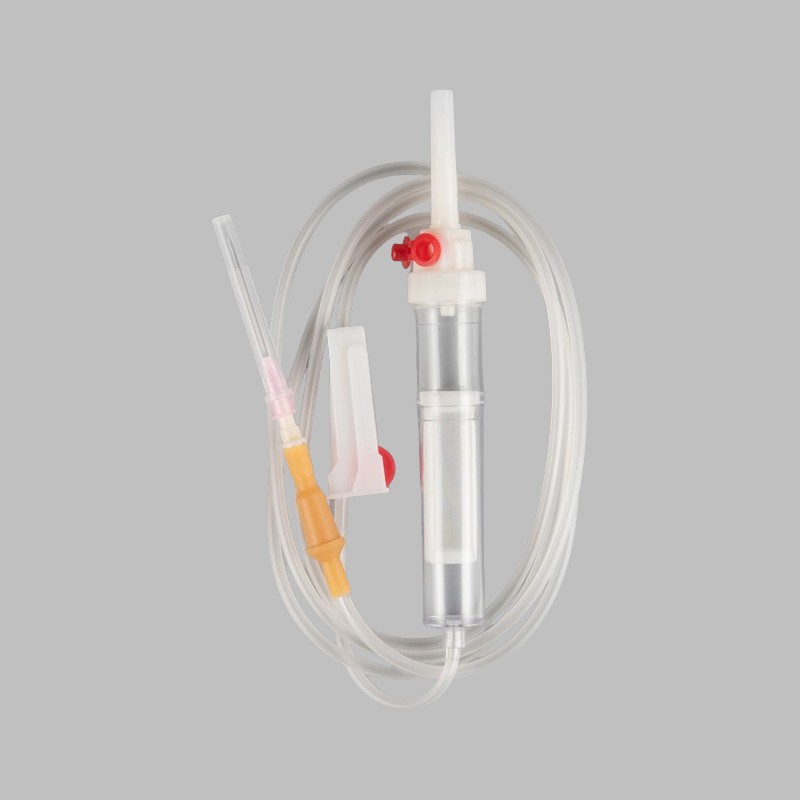
| IV Administration Sets | Medical-grade PVC | DEHP content < 0.1% |
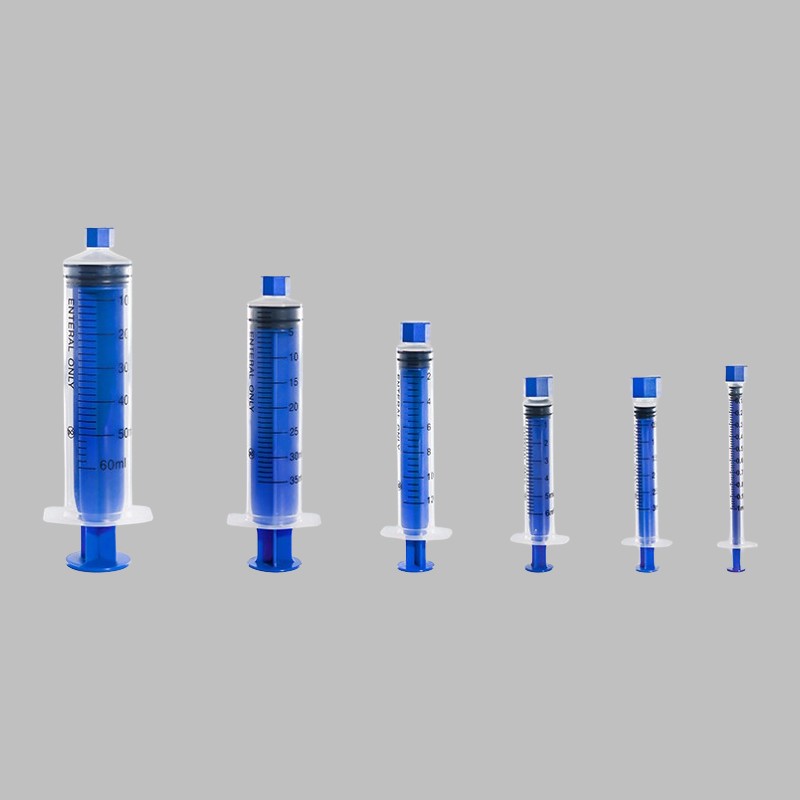
You can also find special kinds. These include retractable needle syringes, protective shield syringes, breaking plunger syringes, syringes with blunt-fill needles, and eclipse syringes.
You use a regular syringe by pulling the plunger back. This draws medicine or fluid inside. Then you push the plunger to give the shot. Regular syringes do not have a lock or disabling part. You can use them again if you clean them. But most hospitals use them only one time to stay safe.
Note: Regular syringes are not like auto-disable syringes. Auto-disable syringes have a lock that stops reuse. Regular syringes do not have this lock.
Here is a quick comparison:
| Syringe Type | Mechanism of Action |
|---|---|
| Regular Syringes | You can use them again because they do not lock. |
| Auto-Disable Syringes | They have a lock that stops the plunger after one use. |
You see regular syringes in almost every hospital and clinic. They are used to give medicine, take blood, and give vaccines. In 2025, insulin syringes are very common because more people need diabetes care. Hospitals use the most syringes, about 43.8% of the market. You find syringes in emergency rooms, surgery, and special hospital areas. Nurses and doctors use them for quick help and long-term care.
Insulin shots for diabetes
IV medicine and fluids
Blood draws and taking samples
Vaccines and regular shots
Regular syringes are still important in healthcare. They are easy to use and work for many jobs.
You want your patients to stay safe from infections. Giving shots the right way helps stop diseases from spreading. If you reuse syringes, it can cause big outbreaks. Using reuse prevention syringes lowers the chance of spreading HIV and hepatitis. Auto-disable syringes cannot be used twice. This stops unsafe shots before they happen.
The World Health Organization says auto-disable syringes are best for vaccines. This helps clinics and hospitals avoid unsafe shots. Unsafe shots have caused many outbreaks before. In the United States, hepatitis outbreaks happened because of unsafe shots. The table below shows the infection risk:
| Evidence | Description |
|---|---|
| WHO Recommendation | In 2001, WHO said auto-disable syringes should be used for vaccines to stop unsafe reuse. |
| Infection Risk | Reusing syringes can make vials dirty and spread HIV and hepatitis. |
| Historical Outbreaks | Many hepatitis outbreaks in the U.S. came from unsafe shots. |
Safe shots protect everyone in your care. They also help your clinic follow world safety rules.
Needlestick injuries can hurt you and your team. These happen when a needle pokes someone by accident. Unsafe shots make these injuries more likely. Safe shots, like using auto-disable syringes, help stop these risks. Auto-disable syringes often have shields or retracting needles. This makes it harder for anyone to get poked by a used needle.
Here is some data about needlestick injuries:
| Time Period | NSIs with General Syringes | NSI Rate (%) | Significance |
|---|---|---|---|
| Pre-Intervention | 2 | 0.03 | p = 1.00 |
| Intervention | 1 | 0.03 | p = 1.00 |
Safe shots can lower injury numbers. Using auto-disable syringes helps keep your team safe. It also makes your clinic safer for everyone.
Tip: Always use safe shots and throw away needles right after use. This keeps your team safe from getting poked.
You need to follow strict rules to keep your clinic safe. Safe shots are part of these rules. In 2025, many places say you must use syringes that stop unsafe shots. Auto-disable syringes meet top safety rules. They follow ISO 7886-3 and other world rules. Regular syringes do not always meet these rules. Some places do not ask for special safety features in regular syringes. This can lead to unsafe shots.
Here is a table that compares auto-disable and regular syringes:
| Feature | Auto-Disable Syringes | Regular Syringes |
|---|---|---|
| Compliance Standard | ISO 7886-3 | Changes by place |
| Safety Mechanism | Stops reuse, lowers needlestick injuries | No safety features |
| Regulatory Mandates | Needed for vaccines since 1999 | Not needed |
| Impact on Patient Safety | Big drop in disease spread | Higher risk of unsafe shots |
Using auto-disable syringes helps your clinic follow all safety rules. You show you care about safe shots. This keeps your patients and team safe from unsafe shots. You build trust by making safety the most important thing.
If you buy syringes for your clinic, you want to know the cost. Regular syringes are cheaper than auto-disable syringes. This matters if you need a lot of syringes. Auto-disable syringes have safety features. These features make them cost more.
Many things can change the price when you buy many:
The cost of materials can go up or down. This changes the price for each syringe.
Problems in the supply chain can make auto-disable syringes cost more.
Auto-disable syringes need extra safety parts. This makes them more expensive.
Some clinics cannot afford auto-disable syringes because of the higher price.
Note: Auto-disable syringes cost more, but they give better protection.
Here is a table to show the average price:
| Syringe Type | Average Unit Price (2025) | Special Features |
|---|---|---|
| Regular Syringe | Low | Basic |
| Auto-Disable Syringe | Medium to High | Safety lock, single-use |
You should think about more than just the first price. Auto-disable syringes can save money over time. They help stop diseases like HIV and hepatitis. If you prevent infections, you do not pay extra for care. You also protect staff from needle injuries. This means fewer sick days and lower insurance costs.
Studies say safety syringes lower needle injuries and reuse. Researchers used models to check costs and health benefits. They found reuse prevention syringes are often cost-effective. At some prices, these syringes can save your clinic money.
Auto-disable syringes give you more value because:
They lower infection risk for patients and staff.
They help you follow safety rules for injections.
They can reduce needle injuries.
They may lower healthcare and insurance costs over time.
Tip: Buying auto-disable syringes now can help you avoid bigger costs later.
After using a syringe, you must throw it away safely. Disposal costs can be high if you use many syringes. Auto-disable syringes make disposal safer because you cannot reuse them. This lowers the chance of someone getting hurt or sick.
Think about these things when planning for disposal:
Auto-disable syringes help you follow safe disposal rules.
You may need fewer special containers because safety features lower accidents.
Regular syringes can be reused by mistake, which makes disposal less safe.
Here is a list of things that affect disposal costs:
Cost of special sharps containers
Cost of safe transport and destruction
Cost of training staff on safe disposal
Using auto-disable syringes helps keep your clinic safe. It lowers the risk of accidents during disposal. This can save money and protect your community.
Hospitals use many kinds of syringes. Nurses and doctors pick safety syringes to stay safe. Auto-disable syringes help stop needlestick injuries. You use them for medicine, blood draws, and covid-19 shots. Hospitals choose syringes for each job and patient comfort. Picking the right syringe helps you get good results. Safety syringes make work safer and help you follow hospital rules.
| Syringe Type | Common Hospital Use |
|---|---|
| Safety Syringe | Medication, covid-19 vaccination |
| Standard Syringe | Blood draws, general injections |
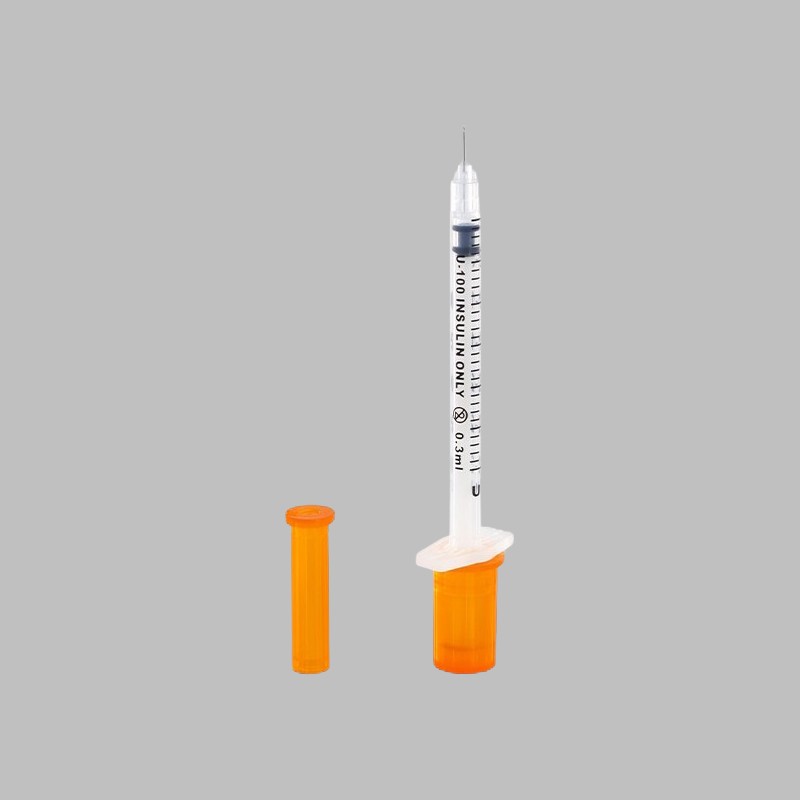
| Insulin Syringe | Diabetes care |
| Tuberculin Syringe | Small volume medication |
Tip: Using auto-disable syringes for every shot lowers infection risk.
Clinics use syringes for many jobs. You give vaccines, treat diabetes, and give regular shots. You often use standard Luer-Lok, insulin, and tuberculin syringes. You pick syringes based on the job and patient comfort. Safety syringes help you avoid accidents and keep everyone safe. You use them for covid-19 shots and other immunizations. Clinics want accuracy and safety, so you choose syringes that fit each need.
Standard Luer-Lok syringes
Insulin syringes for diabetes
Tuberculin syringes for small doses
Safety syringes for vaccination and immunization
Using syringes with safety features protects staff and patients. This helps stop disease and lets you follow clinic rules.
Immunization programs help public health. You use auto-disable syringes to stop disease spread. These syringes lock after one use and cannot be reused. You help prevent viruses like hepatitis and HIV. You use them for covid-19 shots and big vaccination events. Studies show auto-disable syringes do not get reused, even if people worry. You make your program safer and more effective.
You use auto-disable syringes for every shot.
You lower the risk of spreading disease.
You follow global health rules for immunization.
You help with covid-19 vaccination in your community.
Note: Auto-disable syringes protect everyone during immunization and vaccination drives.
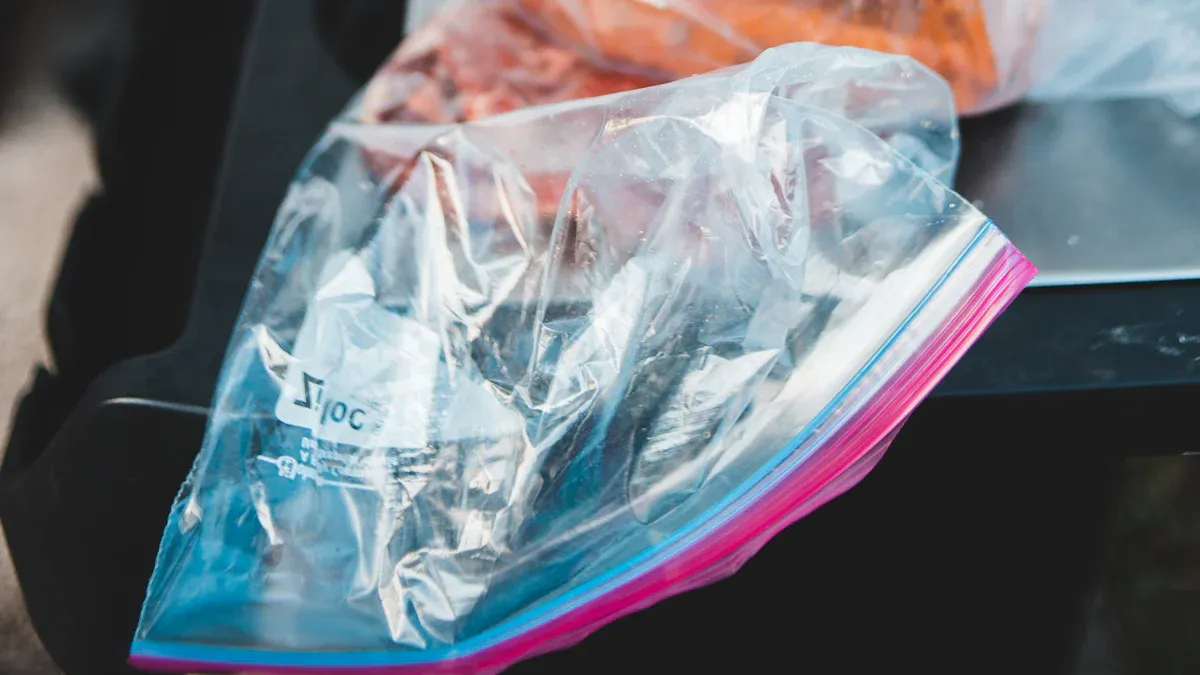
It is important to keep your clinic safe. You must throw away syringes the right way. Auto-disable syringes make this job easier. After you use one, you cannot use it again. This helps stop people from getting hurt or sick. Always put used syringes in a sharps container. These containers keep needles away from people and animals.
Here are some steps for safe disposal:
Put the used syringe right into a sharps container.
Close the container when it is full.
Give the closed container to a medical waste company.
Tip: Do not throw syringes in the regular trash. This keeps your staff and your community safe.
Auto-disable syringes from Changzhou Medical Appliances General Factory Co., Ltd. come in clean, single-use packs. You can trust each syringe is clean before you use it. After you use it, you know it cannot be used again. This helps you follow safety rules and keeps everyone in your clinic safe.
You want to help the environment. The kind of syringe you pick matters. Auto-disable syringes help lower pollution risk because they cannot be used again. This means fewer syringes end up in the wrong places. Regular syringes might get used again by mistake. This can make more waste and pollution.
Here is a table that shows how each syringe type affects the environment:
| Syringe Type | Risk of Reuse | Pollution Risk | Disposal Safety |
|---|---|---|---|
| Auto-Disable | None | Low | High |
| Regular | Possible | Medium | Medium |
You can pick syringes made from strong, safe plastic. Some companies have recycling programs for used syringes. You can ask your supplier about green options.
Note: Using auto-disable syringes helps protect people and the planet. You make your clinic safer and better for the earth.
You want to pick the best syringe for your clinic. The right choice keeps everyone safe. Look at how each syringe works and what risks come with it. Auto-disable syringes stop people from using them again. This lowers the chance of spreading diseases like HIV or hepatitis. Regular syringes can be used again if not handled right. This can cause dangerous infections.
Here is a table to help you compare:
| Criteria | Auto-Disable Syringes | Regular Syringes |
|---|---|---|
| Risk of Reuse | Lowest risk; cannot be reused | High risk; widespread reuse globally |
| Compliance with WHO Recommendations | Fully compliant for vaccine administration | Not recommended for immunization |
| Disease Transmission | Prevents person-to-person transmission | High risk of disease transmission |
Tip: If you run an immunization program, use auto-disable syringes. They help you follow global health rules and protect your community.
Think about a few things before you buy syringes. Each thing helps you make a safe choice.
Cost: Check the price for each syringe. Think about how much you spend over time. Auto-disable syringes may cost more at first. They can save money by stopping injuries and infections.
Ease of Use: Pick syringes that your staff can use easily. Less training means fewer mistakes.
Regulatory Compliance: Make sure your syringes meet OSHA and FDA rules. This keeps your clinic safe and helps you avoid fines.
Team Involvement: Talk with nurses, doctors, and safety teams. Their ideas help you choose the best syringe.
Training and Education: Plan for training. Your staff needs to know how to use and throw away syringes safely.
| Factor | Description |
|---|---|
| Cost Considerations | Think about both the first price and long-term savings from fewer injuries. |
| Ease of Use | Pick syringes that are simple to use and fit your clinic’s needs. |
| Regulatory Compliance | Check that your syringes follow all safety laws and standards. |
| Collaboration with Stakeholders | Ask your team for input before you decide. |
| Training and Education | Make sure everyone knows how to use and dispose of syringes safely. |
Remember: The right syringe keeps patients safe, helps you follow the rules, and saves money over time.
When you pick the right syringe, you keep patients safe. Auto-disable syringes help stop bloodborne diseases like HIV and hepatitis. These diseases can spread if syringes are reused. Using a syringe one time lowers the chance of passing germs. The World Health Organization and UNICEF said to use auto-disable syringes for shots in 1999. This changed how clinics and hospitals fight disease.
| Organization | Recommendation Year | Impact on Disease Spread |
|---|---|---|
| WHO & UNICEF | 1999 | Lowered transmission of HIV, hepatitis B, and hepatitis C |
You see auto-disable syringes in vaccine programs everywhere. They have a needle that cannot be used again. The lock makes sure each shot is safe. Every patient gets a clean syringe. This helps your whole community stay healthy.
Tip: Use auto-disable syringes in your clinic. This helps you follow health rules and keeps patients safe from infections.
You want your team to be safe at work. Needlestick injuries happen when someone gets poked by a used needle. These injuries can spread bloodborne diseases. About two million needlestick injuries happen every year. Auto-disable syringes help lower this risk.
| Year | Improvement in Unsafe Injections | Recommendation |
|---|---|---|
| 2000 | 86% reduction | WHO, UNICEF, UNFPA recommend AD syringes for immunization |
| 2019 | Continued recommendation | AD syringes remain the standard for safety |
Auto-disable syringes hold just one dose. You do not need to worry about measuring wrong. The lock keeps used needles from hurting anyone. Nurses, doctors, and staff stay safe every day.
Auto-disable syringes stop reuse.
They lower needlestick injuries.
Your team avoids dangerous infections.
Note: Picking auto-disable syringes shows you care about your team’s safety and health.
You can spot big differences between auto-disable and regular syringes. Auto-disable syringes stop people from using them again. They keep patients safer during immunization. Both types can cause mild or serious reactions. The FDA, EMA, and WHO have strict safety rules. These rules make sure syringes are safe and high quality. Auto-disable syringes cost more at first. They help save money by stopping infections. Buying lots of syringes or picking special features changes your costs. It also changes how you use them.
Healthcare is moving toward safer syringes. You should check what your clinic needs. Always follow the rules for safety. Think about saving money in the long run before you pick a syringe.
You get the best safety for everyone. Auto-disable syringes cannot be used again. This helps stop infections like HIV and hepatitis. Patients and healthcare workers stay safer.
Yes, you can use auto-disable syringes for most shots. They work for vaccines, medicine, and blood tests. Always check the size and type before you use one.
Look for a lock or a part that pulls back. The box will say "auto-disable" or "safety syringe." You can also look for safety marks like WHO, FDA, or CE on the package.
Yes, auto-disable syringes cost more at first. You save money later because fewer people get sick or hurt. This means you pay less for extra medical care.
Put used syringes in a sharps container right away.
Do not throw them in the regular trash.
This keeps your clinic safe and follows health rules.
Whatsapp: +86-13616120206
E-mail: sale01@lelun.com
ADD: HengShanQiao Town, out of East Gate, Changzhou ,Jiangsu, China
Mobile: (+)86-13616120206