






News Categories

Have you ever stopped to think about how often disposable medical syringes are used worldwide?
From vaccinations to insulin injections, these tiny devices play a massive role in saving lives every single day. What’s fascinating is how much variety exists within something that seems so simple. If you’ve ever wondered what makes one syringe different from another or which type is best suited for a specific medical task, you’re in the right place.
In this in-depth guide, we’re unpacking the different types of disposable syringes, their features, and their common uses. Whether you’re in the medical field, a healthcare product distributor, or simply curious, this article will make everything crystal clear — no confusing medical jargon, no dull explanations. Just straightforward, engaging insights.
Let’s jump right in.
A Disposable Medical Syringe is a single-use, sterile medical device used to inject medication or withdraw body fluids such as blood. Once used, it must be discarded to avoid cross-contamination, infection, or blood-borne disease transmission.
In the past, syringes were reusable — but they required intense sterilization and carried a higher risk of infection if not cleaned properly. Today, disposable syringes dominate the healthcare world because they are:
Safer
More convenient
Cost-effective
Hygienic
Think of them as the toothbrush of the medical field — you don’t reuse it once it has served its purpose.
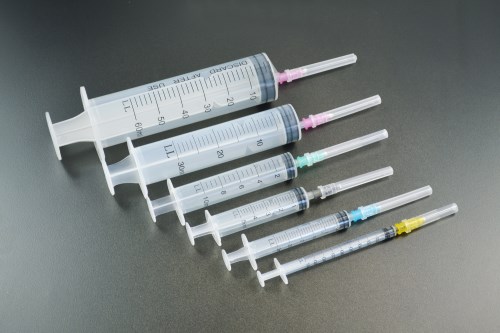
Here’s why disposable syringes are indispensable:
Prevents infection — Single-use syringes eliminate the risk of transferring pathogens like HIV, hepatitis B, and hepatitis C.
Ensures accurate dosing — They provide precise measurements for infusions, injections, and vaccinations.
Saves time and money — No need for sterilization equipment, staff, or extra labor.
Safe for patients and healthcare workers — Many syringes include safety features that protect both sides of the needle.
Compatible with various medical procedures — From routine injections to specialized treatment, different syringe types serve unique purposes.
Now let’s explore these types in detail.
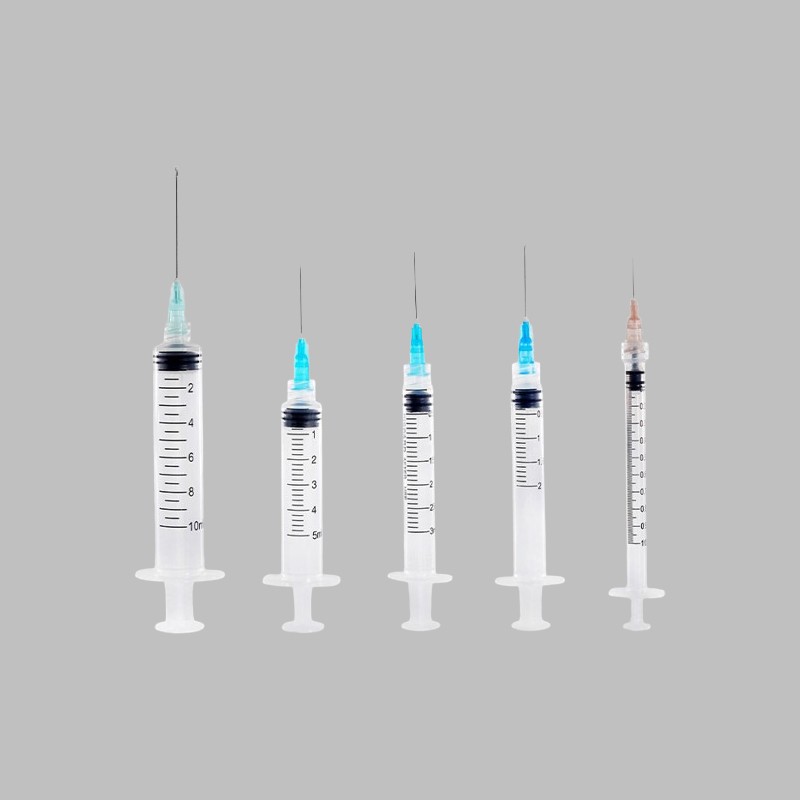
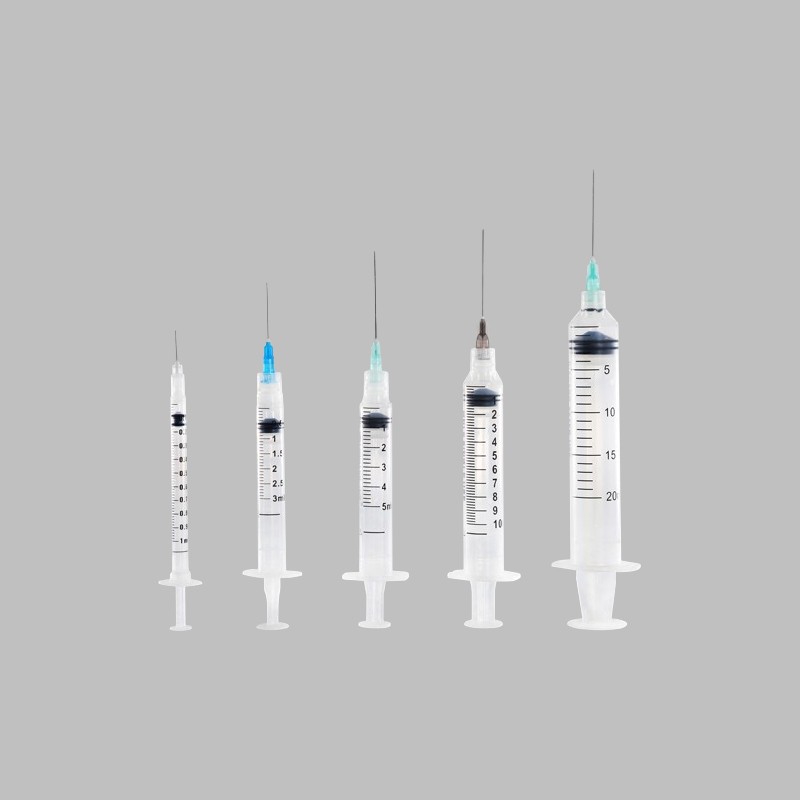
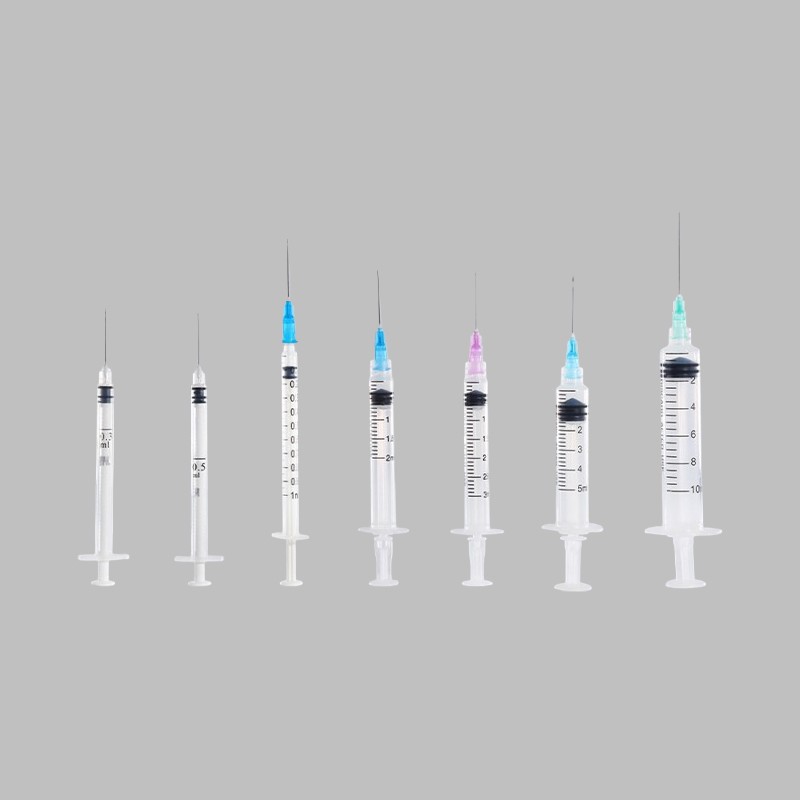
Disposable syringes come in various designs, each tailored for specific medical situations. The main categories include:
Conventional disposable syringes
Safety syringes
Insulin syringes
Tuberculin syringes
Catheter syringes
Let’s break them down and see what makes each one unique.
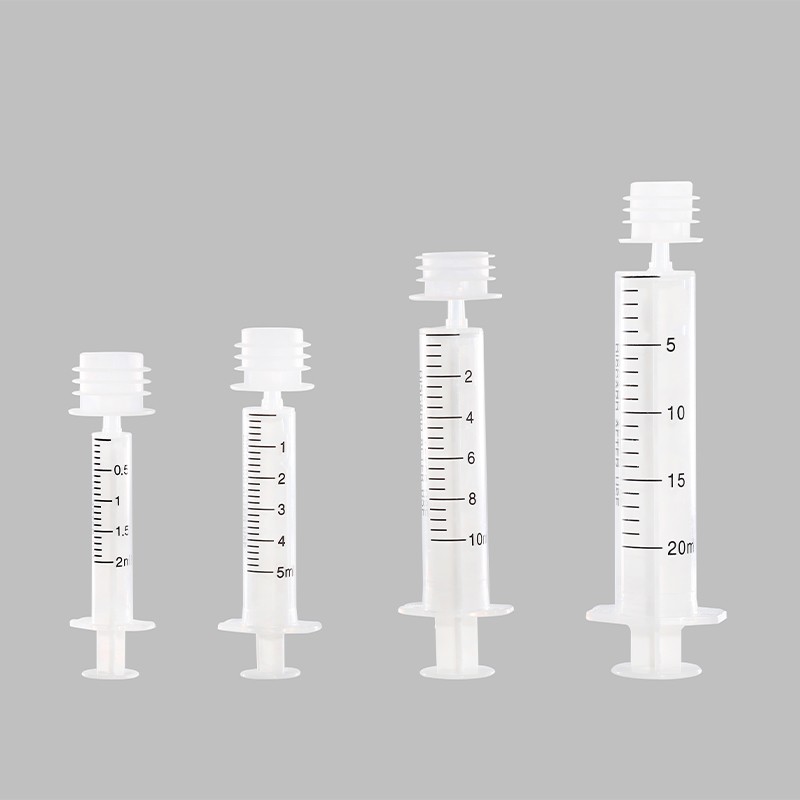
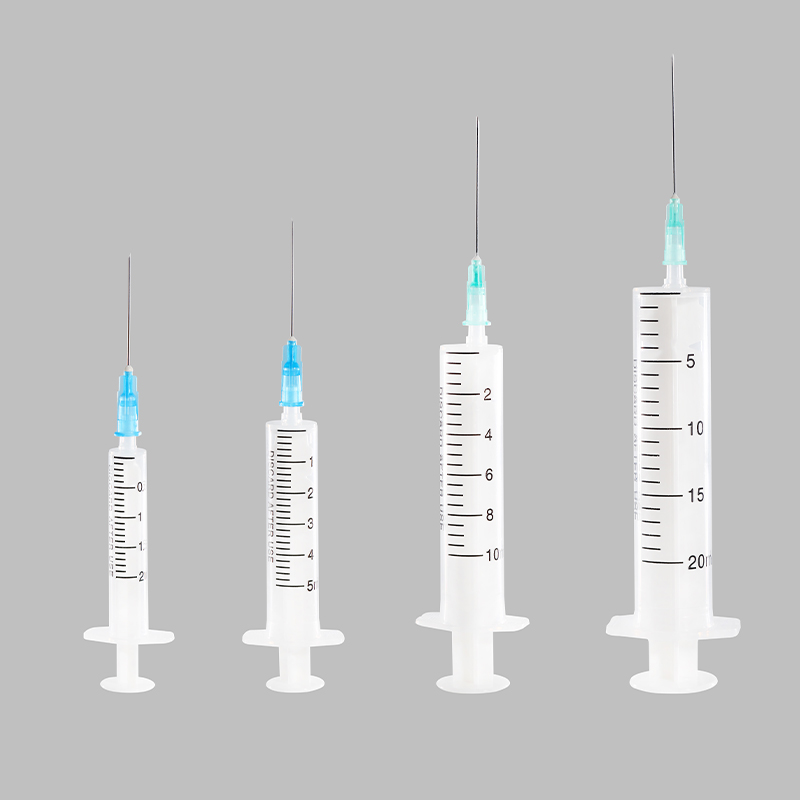
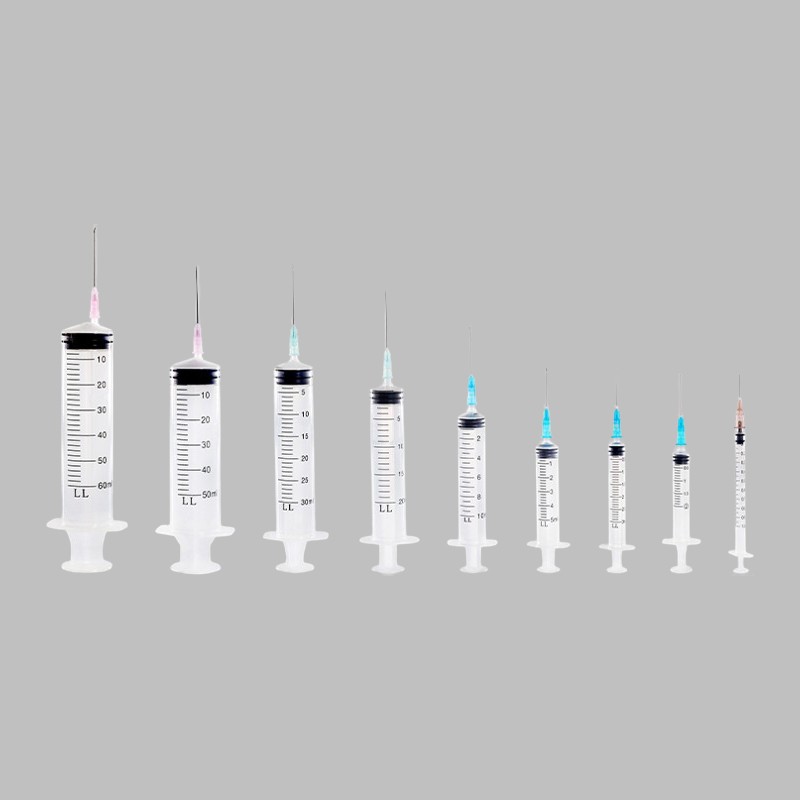
These are the most commonly used syringes in clinics and hospitals. They consist of three basic parts:
A hollow barrel
A plunger
A needle (attached or detachable)
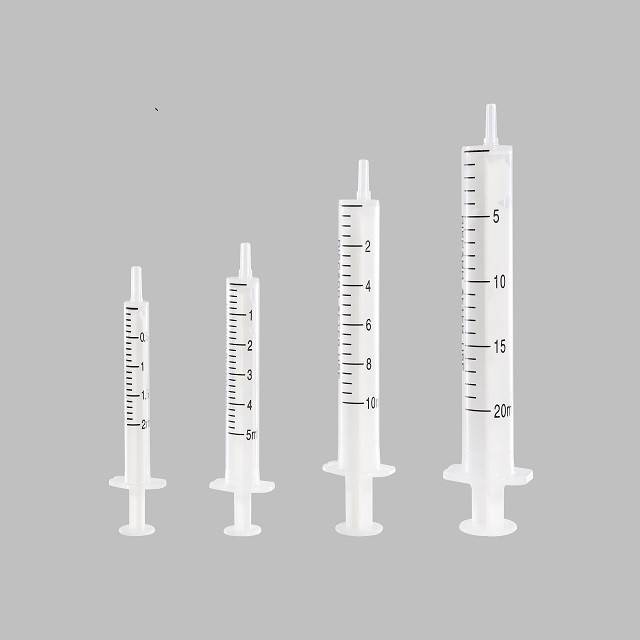
They come in sizes ranging from 1 ml to 60 ml, depending on the intended medical use.
Common Uses
Vaccinations
Medication injections
Drawing blood
Irrigation
General fluid transfer
Just like a kitchen knife, conventional syringes are universal tools in medical practice — simple but incredibly versatile.
The auto disposable syringe (or auto-disable syringe) is a game changer in preventing needle reuse. Once used, the syringe automatically disables itself, making reuse impossible.
Think of it like a locked door — once it shuts, it can’t be opened again.
Key Features
Plunger locks or breaks after one use
Prevents intentional and accidental reuse
Reduces risk of infection dramatically
Preferred in vaccination programs and developing regions
Common Uses
Mass immunization
High-risk infection control situations
Government health campaigns
These syringes are highly recommended by global health organizations like WHO and UNICEF.
Safety syringes are designed to protect healthcare workers from accidental needlestick injuries. Depending on the design, the needle may:
Retract into the barrel after use
Be covered by a protective shield
Detach safely
Common Uses
Hospitals and emergency departments
Environments with high exposure to infectious samples
Pediatric and geriatric care
If disposable syringes had superheroes, safety syringes would be wearing the capes.
A disposable luer slip syringe features a "slip tip" that allows the needle to be pushed on — much like attaching a lid onto a jar with a gentle push.
Key Features
Easy needle attachment
Quick connection
Ideal for low-pressure applications
Common Uses
Vaccinations
Subcutaneous injections
Intramuscular injections
General medication administration
Healthcare workers love luer slip syringes because they’re simple, intuitive, and quick to use.
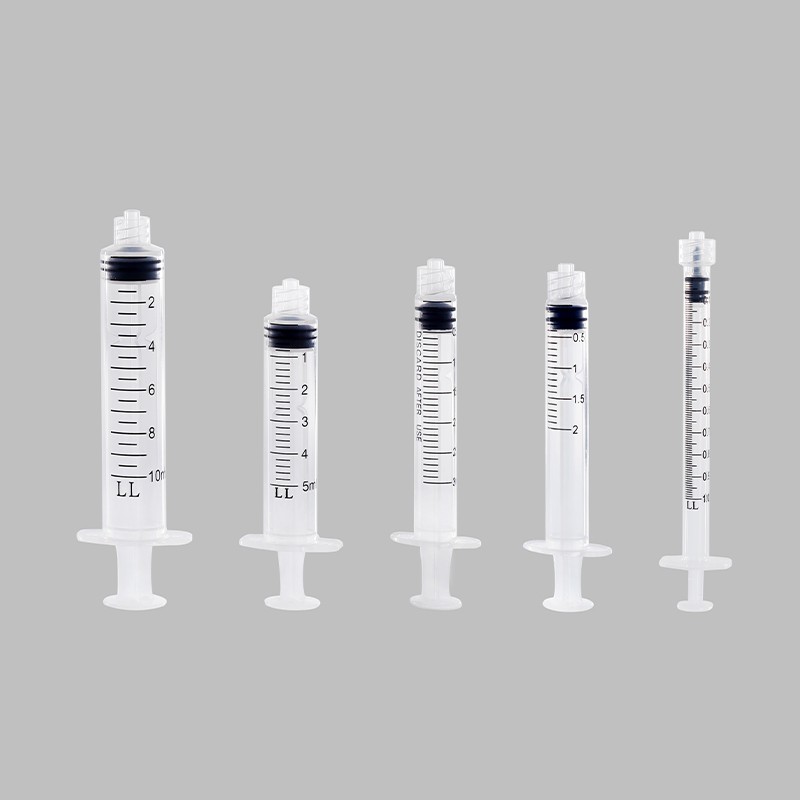
A disposable luer lock syringe has a threaded tip that allows the needle to twist and lock into place. Think of it like a screw-tight bottle cap — secure and leak-proof.
Key Features
Prevents leakage during high-pressure injections
Ensures strong needle stability
Reduces needle detachment accidents
Common Uses
IV therapy
High-pressure medication injection
Blood drawing
Complex medical procedures
If luer slip syringes are convenient, luer lock syringes are the dependable “always on duty” option.
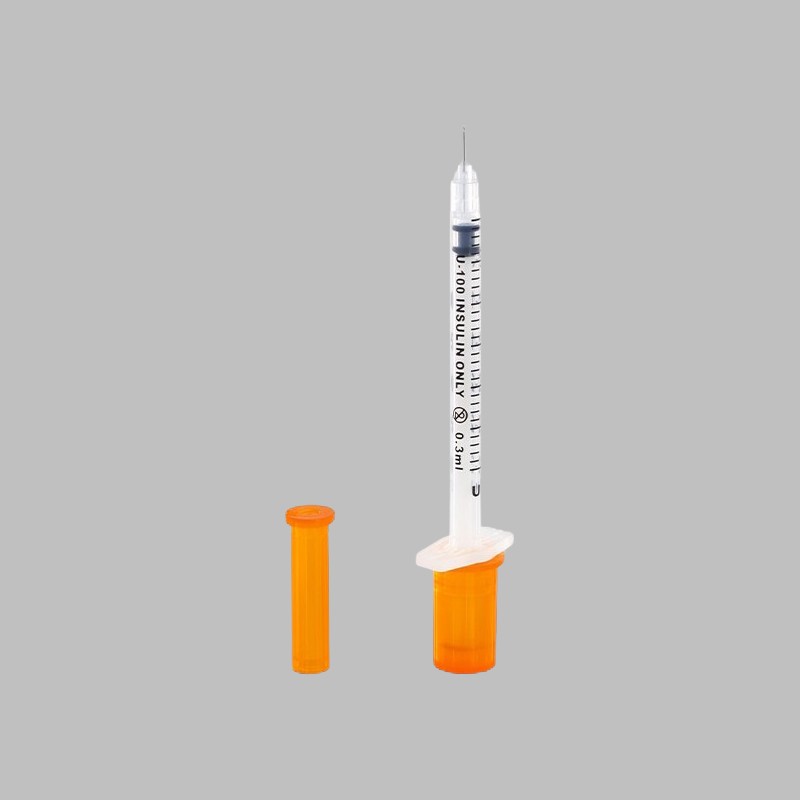
Designed specifically for diabetic patients, insulin syringes are small, precise, and easy to handle.
Key Features
Ultra-fine needle for comfortable injection
Graduated in insulin units
Low-dead-space design
Common Uses
Self-administered insulin injections
Hormone injections for endocrine patients
Insulin syringes are made to be gentle and accurate — perfect for daily use.
Contrary to the name, tuberculin syringes aren’t just for TB testing.
Key Features
1 ml capacity
Precise measurement lines
Thin, short needle
Common Uses
Tuberculin skin tests
Allergy testing
Small-dose medication injections
Pediatric dosing
These syringes are all about accuracy in micro-dosing.
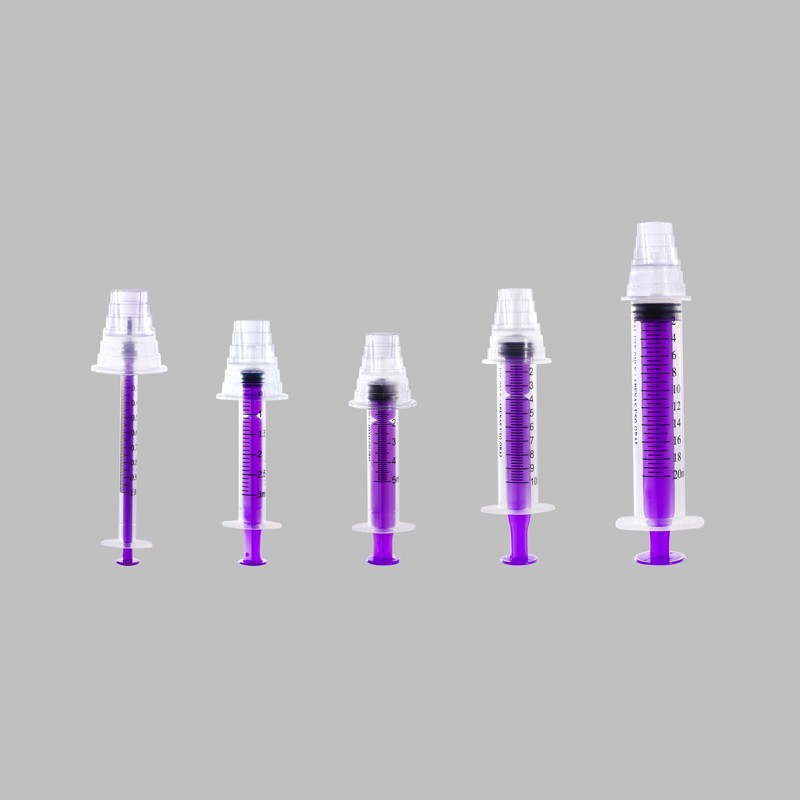
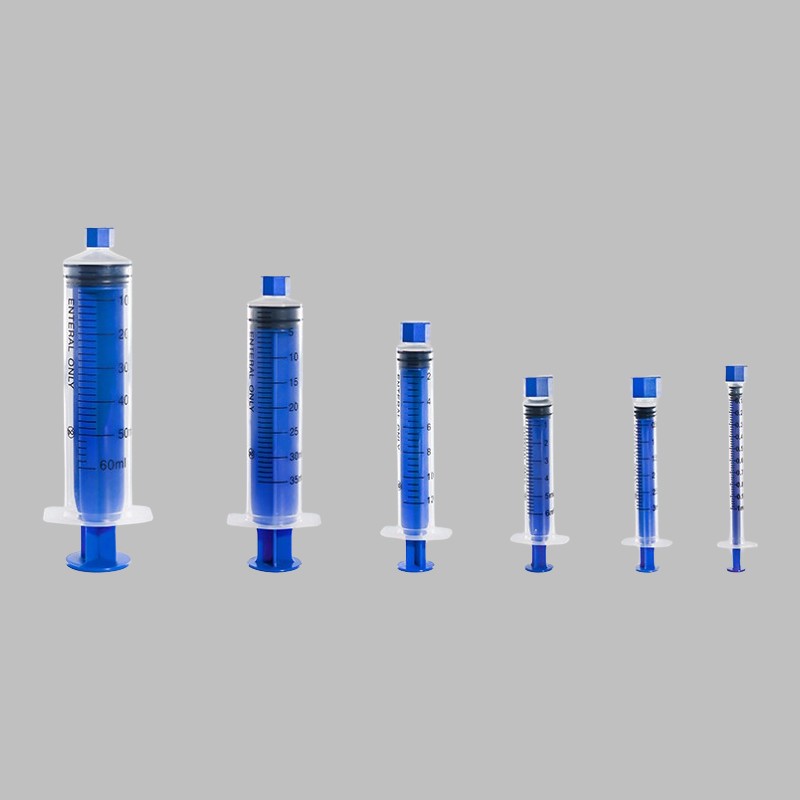
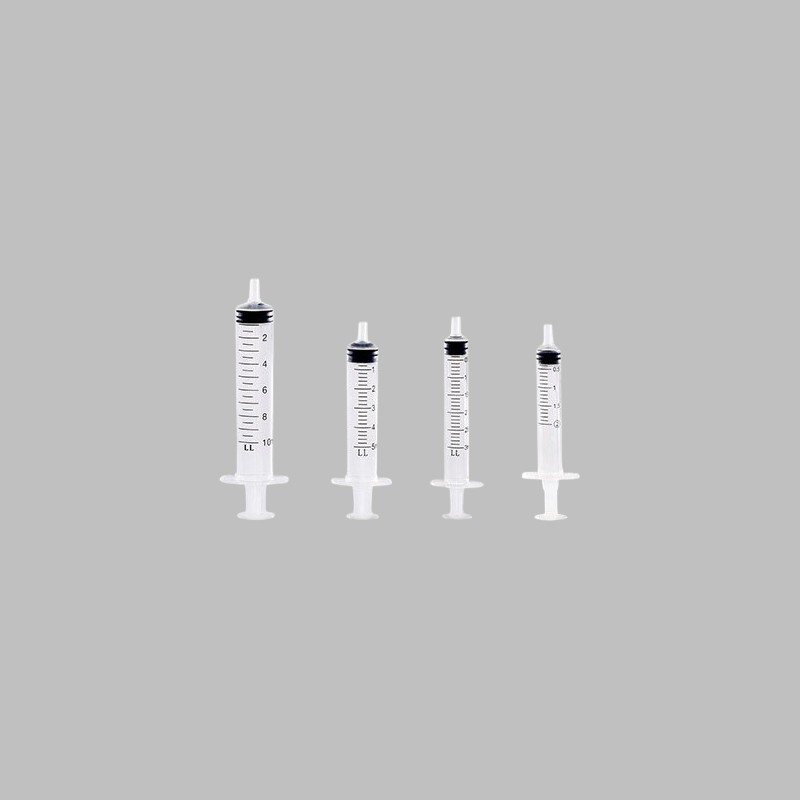
Oral syringes don’t have needles and are designed for delivering medications by mouth.
Key Features
Blunt tip or no tip
Clear measuring scale
Safe for non-injectable medicine
Common Uses
Pediatric liquid medicine
Geriatric care
Veterinary use
These syringes are especially handy with infants and pets — for obvious reasons!
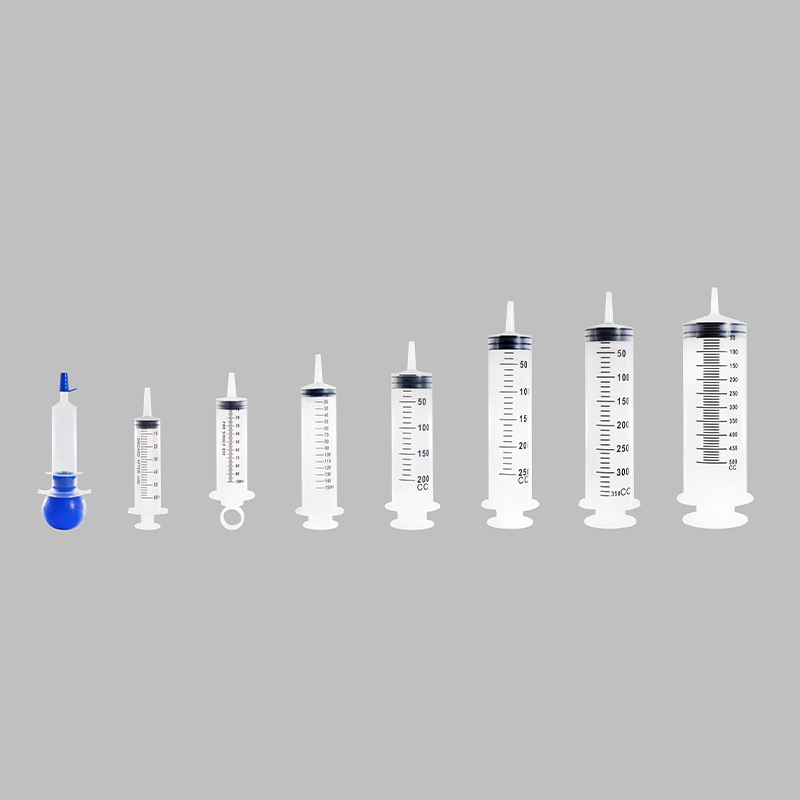
These syringes have a longer, tapered tip designed to connect to tubing.
Key Features
Large capacity (10 ml – 60 ml)
Non-needle application
Smooth fluid transfer
Common Uses
Enteral feeding
Irrigation and wound care
Catheter flushing
Catheter syringes are a great example of how syringes aren’t just for injections.
Most Disposable Medical Syringe products are made from medical-grade materials such as:
Polypropylene (PP) – for the barrel and plunger
Polyethylene (PE) – for the gasket
Stainless steel – for hypodermic needles
Why polypropylene? Because it’s:
Clear (easy to read measurements)
Durable
Chemical-resistant
Safe for patients
EO (Ethylene Oxide) or Gamma sterilization is used to guarantee product sterility.
Ever wondered how billions of syringes are made each year? It’s a fascinating process:
Injection Molding — Plastic components are shaped under high heat and pressure.
Assembly — The barrel, plunger, and other components are assembled using precision machinery.
Needle Attachment — For certain types, needles are automatically mounted and tested.
Lubrication — Silicone oil ensures the plunger moves smoothly.
Sterilization — EO or Gamma sterilization is used to eliminate microorganisms.
Packaging — Each syringe is individually packed in sterile blister packaging.
| Syringe Size | Typical Use |
|---|---|
| 1 ml | Tuberculin tests, allergy shots |
| 3 ml | Vaccinations |
| 5 ml | Common medication injections |
| 10 ml | Irrigation and IV medication |
| 20 ml – 60 ml | Suction, irrigation, tube feeding |
The larger the syringe, the lower the injection pressure — so selection depends on the procedure.
The uses for Disposable Medical Syringe products span across nearly every part of healthcare:
Vaccinations — One of the most common uses worldwide.
General Injections — Antibiotics, vitamins, painkillers, anesthesia, etc.
Diabetes Management — Insulin injections multiple times per day.
Hospital Procedures — IV therapy, blood withdrawal, emergency injections.
Diagnostic Testing — Tuberculin testing, allergy assessments, laboratory sampling.
Surgery & Wound Care — Irrigation and fluid management.
Dental Applications — Local anesthetics during dental procedures.
Veterinary Care — Animal injections and fluid transfers.
In short: if there’s medicine, there’s a syringe.
Choosing the right syringe isn’t as simple as picking one off the shelf. Here’s what professionals look for:
Type of medication — High-pressure injections require a disposable luer lock syringe. Low-pressure injections are fine with a disposable luer slip syringe.
Dose volume — A 1 ml syringe offers more precision than a 10 ml syringe.
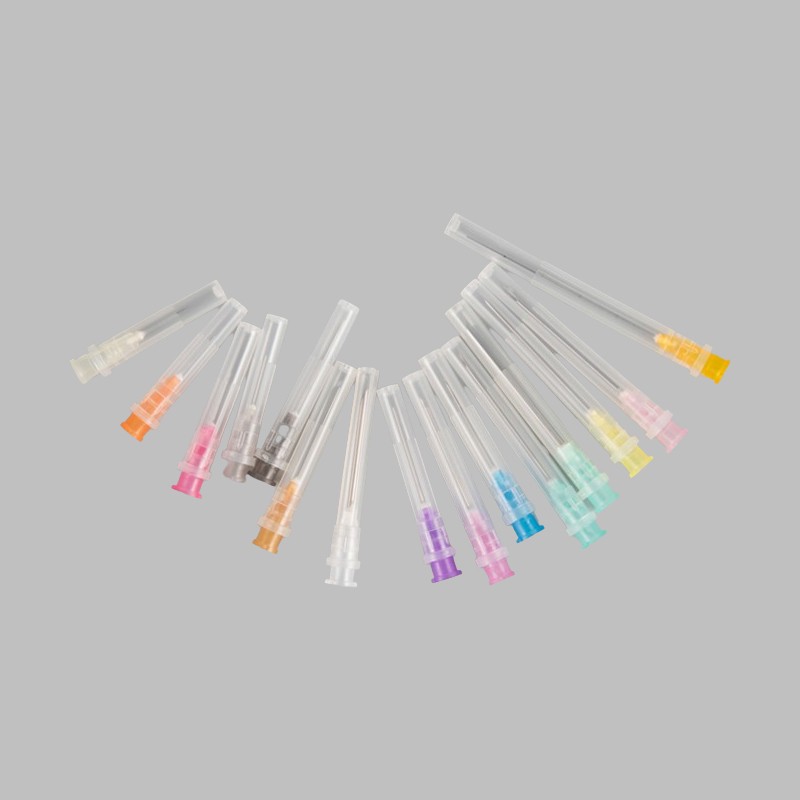
Needle gauge — Thinner needles are more comfortable for patients.
Safety features — In high-risk environments, choose an auto disposable syringe or safety syringe.
Intended application — Oral syringes, catheter syringes, and insulin syringes each serve specific roles.
Let’s sum it up — here’s why the world relies so heavily on disposable syringes:
Prevent infections and contamination
Easy to use and widely available
Affordable for healthcare systems
Safer for patients and medical staff
Made in various designs to match different medical needs
Require no sterilization
Ensure precise dosing
They’re small, but they have an enormous impact on healthcare safety and efficiency.
Even though they’re essential, disposable syringes come with challenges:
Plastic waste — Billions of syringes contribute to medical waste yearly.
Needlestick injuries — Despite improvements, accidental injuries still occur.
Counterfeit products — Poor-quality syringes in the market can pose safety risks.
Disposal issues — Improper disposal can cause environmental and health hazards.
Fortunately, advancements in biodegradable plastics and safety mechanisms are paving the way for more responsible syringe use.
The future is bright — and innovative. Here’s what’s coming:
Eco-friendly syringes — Biodegradable and recyclable materials.
Smart syringes — Devices that track injection data or lock after use.
Enhanced auto-disable technologies — More reliable anti-reuse mechanisms.
Painless needles — Ultrafine, micro-polished needles aimed at reducing injection pain.
Technology is transforming even the simplest medical tools — and syringes are no exception.
Disposable syringes may look simple, but they are one of the most powerful tools in modern medicine. Understanding the different types — from the auto disposable syringe to the disposable luer slip syringe and disposable luer lock syringe — helps healthcare professionals choose the right tool for safe and effective treatment.
Whether it’s for vaccinations, diabetes management, diagnostic testing, or complex medical procedures, each Disposable Medical Syringe type serves a unique purpose. And as innovation continues, these syringes will only become safer, smarter, and more comfortable for patients worldwide.
If you found this guide helpful and want more medical device content like this, feel free to ask — I’d be happy to help!



Whatsapp: +86-13616120206
E-mail: sale01@lelun.com
ADD: HengShanQiao Town, out of East Gate, Changzhou ,Jiangsu, China
Mobile: (+)86-13616120206