





News Categories

If you're a healthcare professional or caregiver, you’ve probably come across a scalp vein set at some point. But if you’re still figuring out how to use it properly, you’re in the right place. In this article, we’ll walk you through the essential steps for safely and effectively using a scalp vein set, the device that’s often used for intravenous (IV) access in young children, infants, or even adults with difficult veins.
Whether you’re a nurse, medical student, or someone interested in learning more about this useful tool, we’ve got you covered. Ready? Let’s dive in!

Before we jump into the "how-to" steps, let's make sure we're on the same page about what exactly a scalp vein set is.
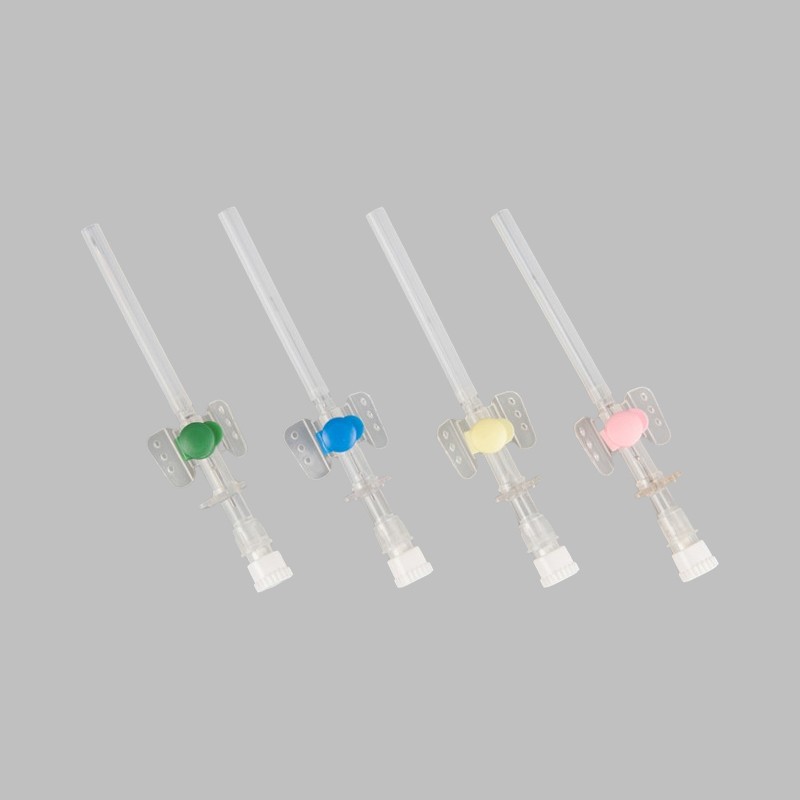
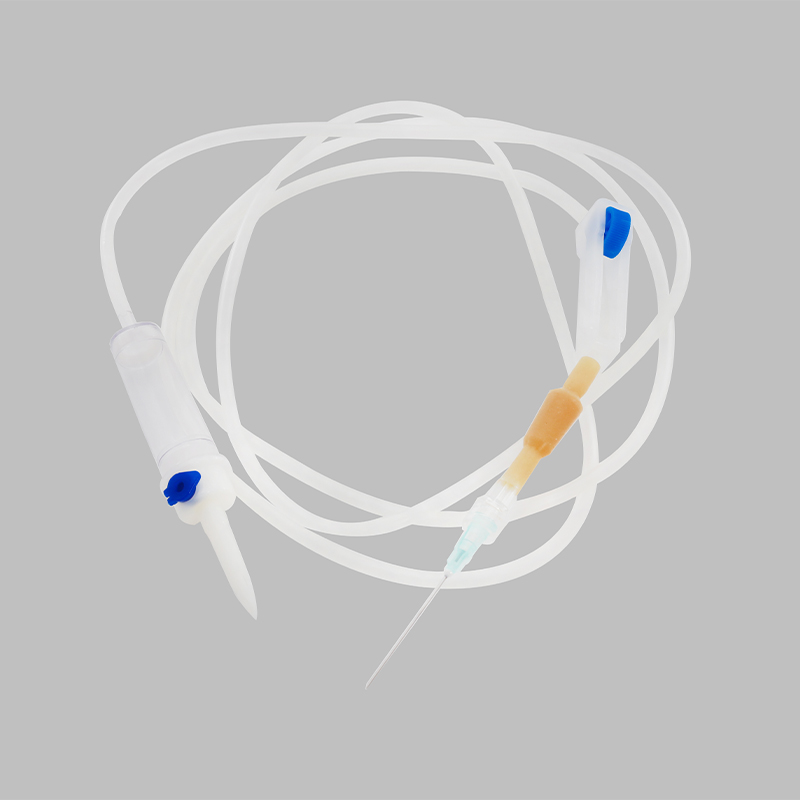
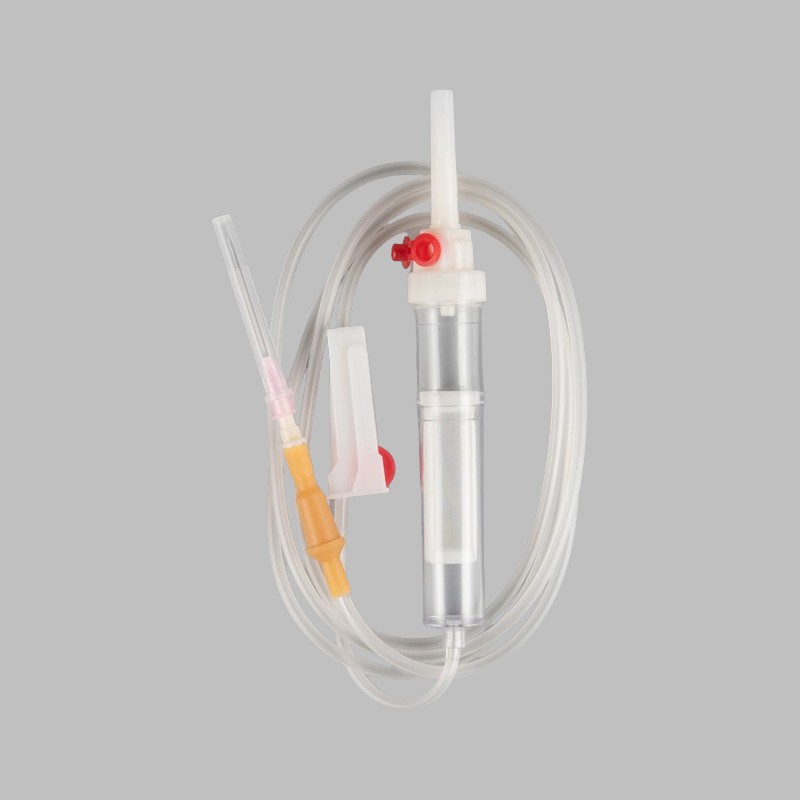
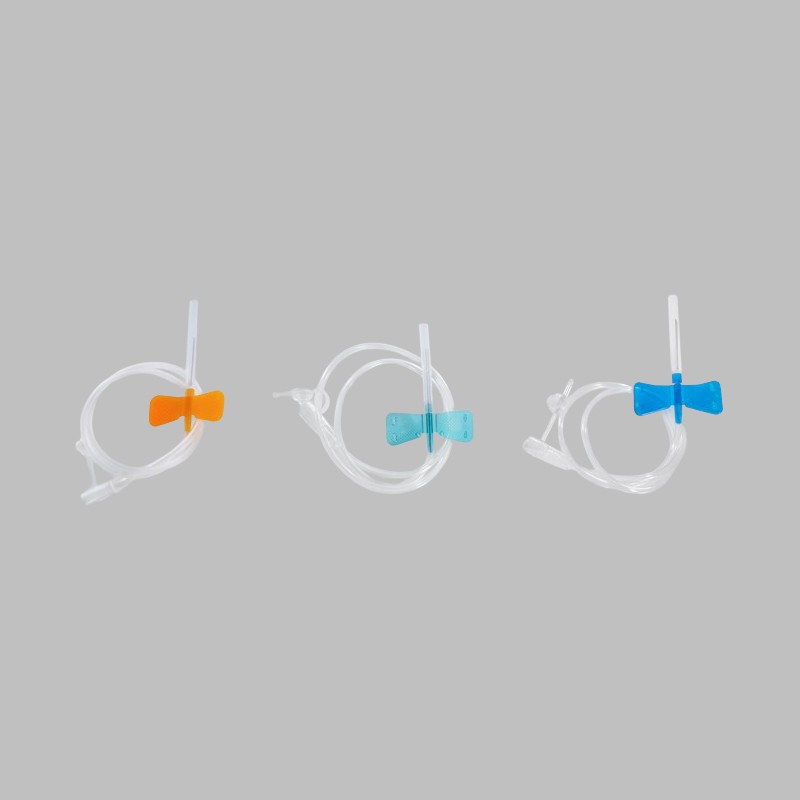
A scalp vein set, also known as a scalp vein needle or scalp vein catheter, is a small, flexible needle used to gain intravenous access, primarily in infants and young children. It’s designed to be inserted into the scalp veins, which are more visible and accessible in babies compared to other veins in their body.
You might think of it like a mini-IV needle, but with one major difference — it’s designed specifically for the delicate, tiny veins of an infant's scalp.
A scalp vein set is typically used when:
Infant or Child’s Veins Are Hard to Find: Babies and young children often have veins that are hard to locate or access. The scalp veins, however, are usually more prominent.
Quick IV Access Is Needed: In emergencies or situations where intravenous fluids or medications need to be administered quickly, a scalp vein set offers a fast and efficient solution.
Alternative to Traditional IV: In cases where conventional veins (like those in the arms or hands) are not suitable for insertion, a scalp vein set can be a more accessible option.
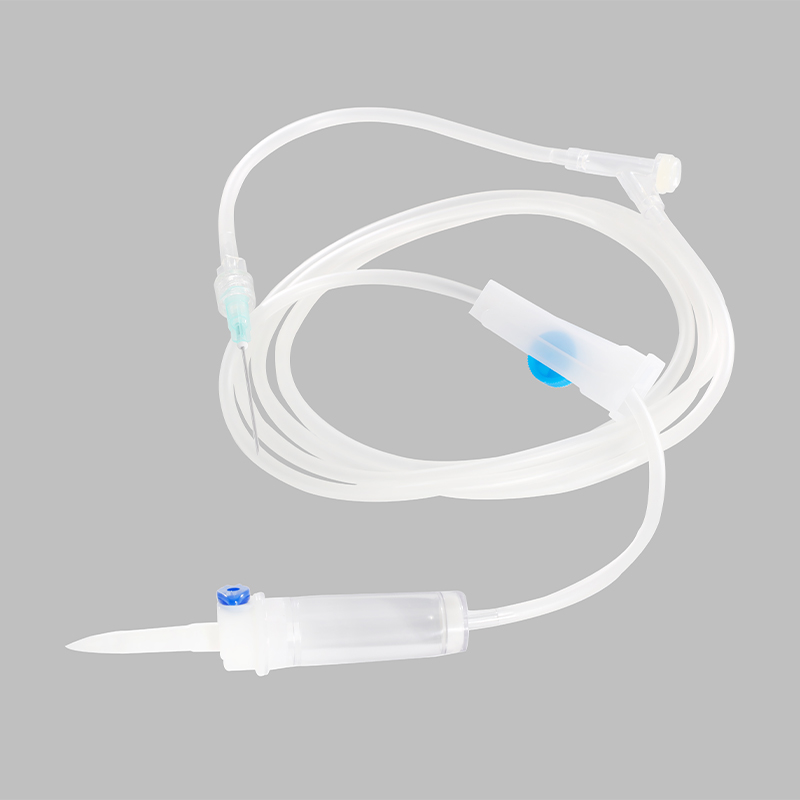
Let’s get a little technical for a second. A typical scalp vein set includes several key components:
Needle: The sharp part that pierces the skin and enters the vein.
Catheter: A flexible tube that stays inside the vein to allow fluids or medications to flow.
Protective Shield: A cover that protects the sharp needle before insertion.
Connector: This is where the IV tubing or medication administration set attaches to the catheter.
Now, let’s break down the actual process of using a scalp vein set. Whether you're working in a hospital setting or at home, the steps remain largely the same.
Before starting, make sure you have everything you need to perform the procedure:
Scalp Vein Set
Sterile Gloves
Antiseptic Wipes (e.g., alcohol pads)
Cotton Balls or Gauze
IV Fluids or Medications (if applicable)
Adhesive Tape
Tourniquet (optional, depending on the situation)
Having everything in one place will help ensure a smoother process and reduce the chance of interruptions.
Now, you want the child or infant to be in a stable position. It’s important that they remain as still as possible to prevent injury during the procedure.
For Infants: Lay them on their back on a soft, padded surface like a changing table or exam bed.
For Children: You may want to have an assistant hold them gently or use a restraining device to prevent sudden movements.
Make sure the head is supported and the area around the scalp is easily accessible.
The next step is to choose which vein to insert the needle into.
Find a Visible Vein: Look for veins on the temporal or frontal region of the scalp. These are usually the easiest veins to locate and are preferred for IV access.
Use Gentle Palpation: Lightly palpate the scalp to find the most suitable vein. Ensure that it is not too deep or hard, which can complicate the insertion.
Now that you’ve chosen the right vein, it’s time to disinfect the area. Use an antiseptic wipe to clean the area in a circular motion, starting from the center and working your way out. This reduces the risk of infection.
Wait for the antiseptic to dry before proceeding.
With everything prepped, it’s time for the actual insertion.
Insert the Needle at a 30–45 Degree Angle: Gently insert the needle into the selected vein. The angle ensures that the needle enters the vein at the right depth.
Watch for Flashback: As the needle enters the vein, you should see a flashback of blood in the catheter (or needle hub) — this indicates that you’ve successfully accessed the vein. If no flashback occurs, you may need to adjust the needle slightly.
Once the needle is in the vein, you’ll advance the catheter into the vein.
Remove the Needle: After you’ve advanced the catheter, gently pull the needle out, leaving the catheter in place.
Check for Blood Flow: Ensure that blood is flowing through the catheter and that the insertion site looks stable.
To prevent the catheter from moving or becoming dislodged, you’ll need to secure it.
Apply Adhesive Tape: Use sterile tape to secure the catheter in place. Be sure to tape it without causing pressure on the site.
Position the IV Tubing: If you’re administering fluids or medications, attach the appropriate IV tubing to the catheter. You may need to flush the line to ensure it’s patent.
After you’ve successfully inserted and secured the scalp vein set, continue to monitor the site. Look out for any signs of swelling, pain, or redness, which could indicate complications such as infiltration or infection.
While a scalp vein set can be an incredibly effective tool, there are some important considerations to keep in mind:
Always prioritize the comfort of your patient, especially infants and young children, who may be frightened or uncomfortable during the procedure. Explain what you’re doing (if applicable) and remain as gentle and quick as possible.
Ensure you’re using the correct angle, pressure, and technique during insertion to avoid damaging the vein or causing unnecessary pain.
Maintaining a sterile field is crucial to preventing infection. Always disinfect the area thoroughly and wear gloves throughout the process.
While scalp vein sets are generally safe when used properly, there are potential complications you should be aware of:
Infiltration: When the IV fluid leaks into the tissue instead of staying in the vein, causing swelling and discomfort.
Phlebitis: Inflammation of the vein, often caused by prolonged IV use.
Infection: If the insertion site becomes contaminated, infection may occur.
Catheter Dislodgement: The catheter may slip out if it’s not properly secured.
Using a scalp vein set may seem tricky at first, but with practice, it becomes second nature. Whether you're working with infants, children, or adults who require specialized care, the scalp vein set is an invaluable tool for ensuring safe and effective intravenous access.
By following the steps we’ve outlined above, you can confidently administer IV fluids and medications, all while ensuring the comfort and safety of your patient. Remember, the key to success lies in patience, precision, and sterile technique.
So, are you ready to try it out? Just take it one step at a time and you’ll be a pro in no time!
Whatsapp: +86-13616120206
E-mail: sale01@lelun.com
ADD: HengShanQiao Town, out of East Gate, Changzhou ,Jiangsu, China
Mobile: (+)86-13616120206