






News Categories

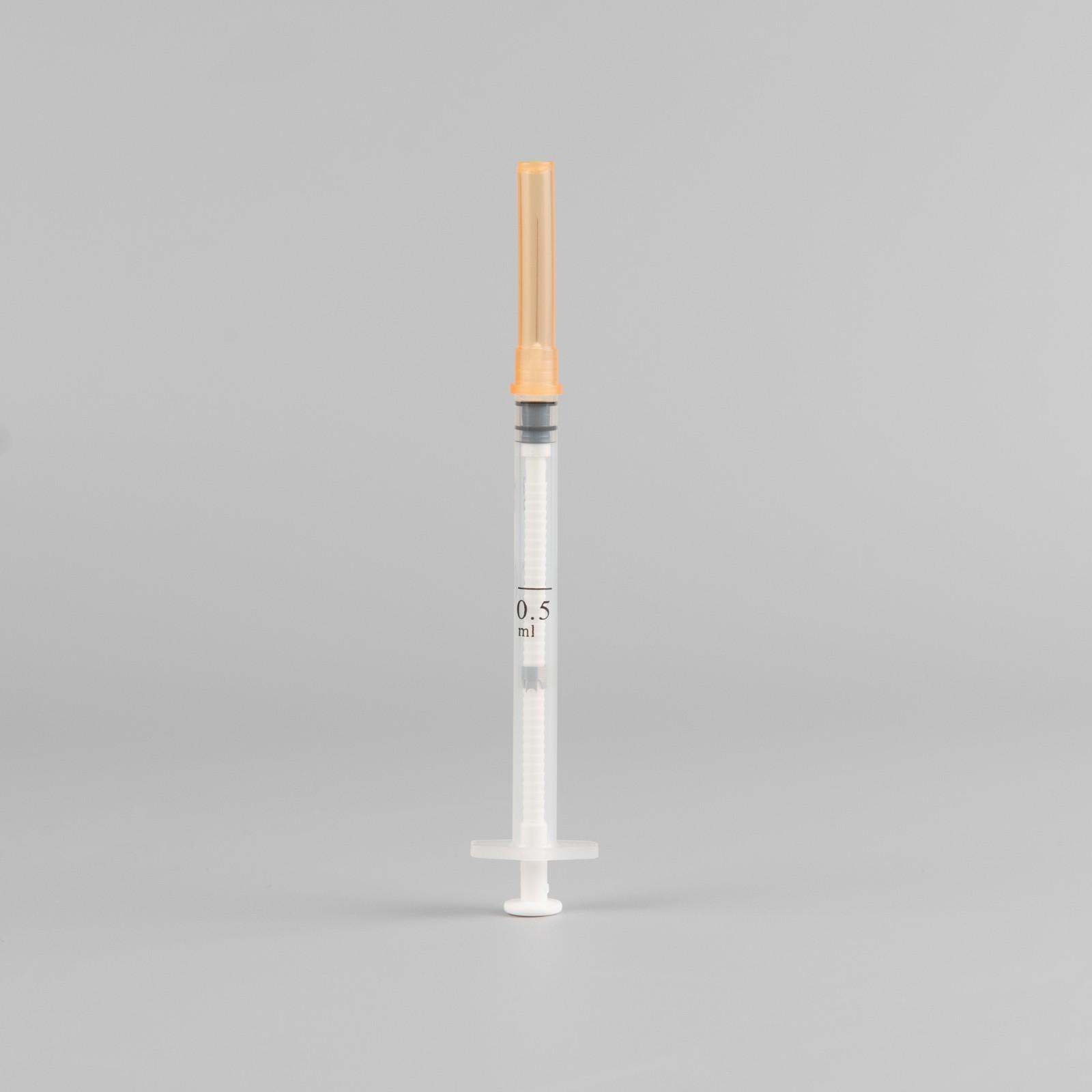
You want the safest choice for injections. The Auto-Disable Syringe has a special feature. It destroys itself after use. This means you cannot use it again. It helps stop the spread of germs. Using single-use devices keeps people safe. Trusted syringes follow strict rules for safety and quality.
Certification/Standard | Description |
|---|---|
ISO 13485 Certification | Makes sure medical devices follow quality rules. |
FDA Approval | Needed in the U.S. to meet health laws. |
CE Marking | Shows it meets European safety and health rules. |
WHO PQS Certification | Checks quality and safety for global health tools. |
Auto-Disable Syringes lock after you use them once. This stops people from using them again. It helps lower the risk of infections. Using Auto-Disable Syringes can make it less likely to spread diseases. These diseases include hepatitis and HIV. These syringes follow strict safety rules. This means they are high quality and safe for patients. Auto-Disable Syringes cost a little more money. But they can help save money later by stopping infections. Always ask for an Auto-Disable Syringe when you get a shot. This keeps you safe and protects your health.
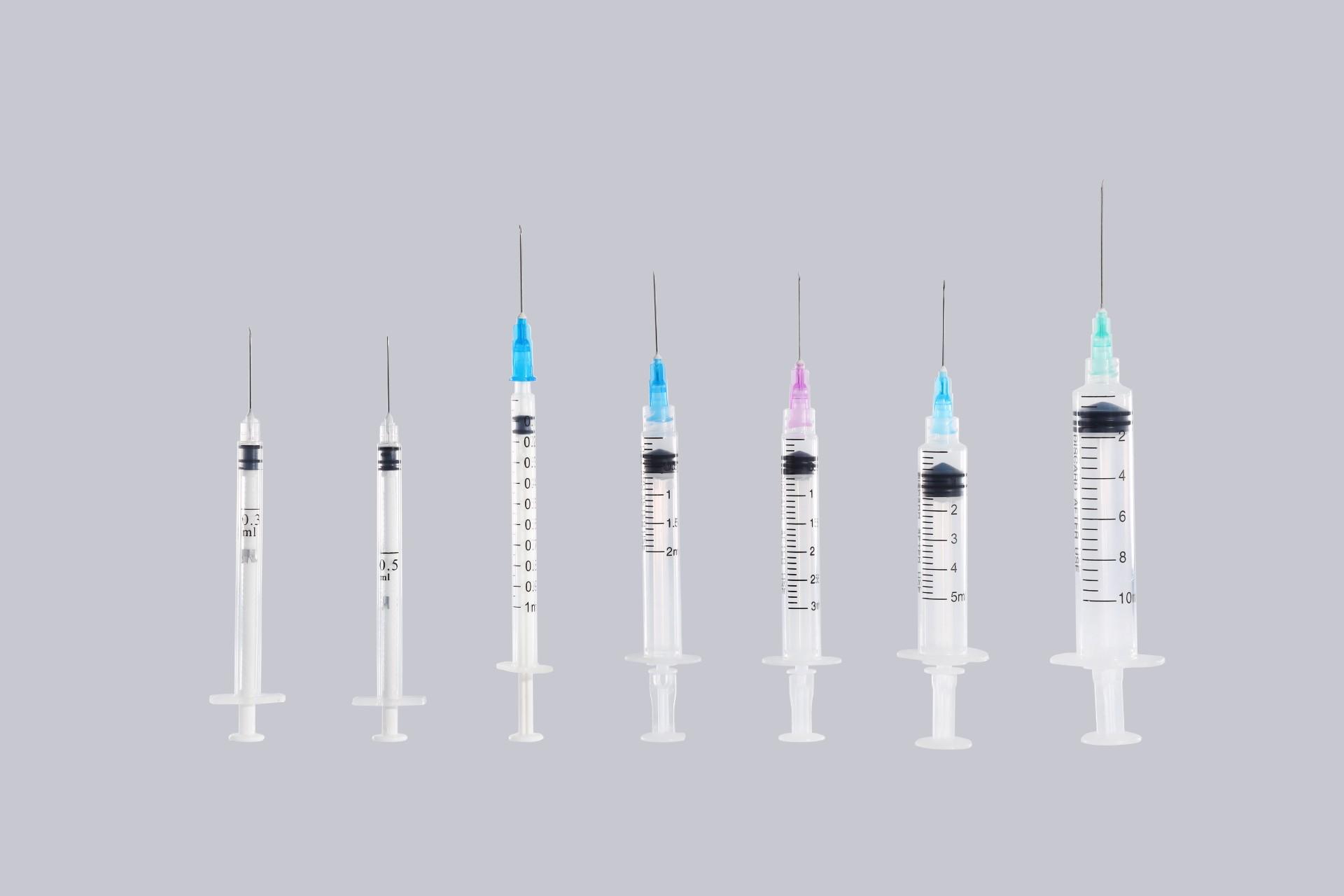
You might notice different syringes at the doctor’s office. The Auto-Disable Syringe is special because it keeps you safe. It has a design that locks after one use. You cannot use it again. This helps stop diseases like hepatitis and HIV from spreading. The World Health Organization says these syringes are good for vaccines and public health. Studies found that unsafe shots went down by 86% from 2000 to 2010 when people used auto-disable syringes. You can feel safe with this syringe during your shot.
Here is a simple table to compare:
Feature | Auto-Disable Syringe | Normal Disposable Syringe |
|---|---|---|
Reusability | Impossible after one use | Possible if misused |
Safety Level | Very high | Moderate |
Use Case | Vaccination programs, public health | General injections, IV push |
Disposal Need | Still required | Still required |
Price (per unit) | Slightly higher | Lower |
Compliance Benefit | Meets WHO/UNICEF guidelines | Depends on internal protocol |
Tip: Auto-Disable Syringes can stop needlestick injuries and lower infection risk for everyone.
A standard syringe is the kind you see most often. It is used for many things, like giving medicine or taking blood. This syringe does not lock after use. If someone cleans it, they might use it again. This can be dangerous. Using a syringe more than once can spread infections. Standard syringes cost less money. But they are not as safe as auto-disable syringes. You still need to throw them away after using them to stay safe.
Feature | Auto-Disable Syringes | Regular Syringes |
|---|---|---|
Mechanism | Locks after one use to prevent reuse | Can be reused if cleaned |
Infection Control | Reduces risk of infections and needlestick injuries | Higher risk if reused |
Cost Efficiency | Can save money over time by preventing infections | Lower initial cost but potential for higher long-term costs due to infections |
WHO says auto-disable syringes make shots safer.
Many hepatitis outbreaks in the U.S. happened because people used syringes again.
When you use an Auto-Disable Syringe, you notice a big change. This syringe has a built-in self-destruct part. After you give a shot, it locks or breaks. You cannot use it again. Sometimes the needle pulls back. Sometimes the plunger snaps. This stops anyone from using it twice. You help keep yourself and others safe from infections. The self-destruct part works every time. This makes shots safer for all people.
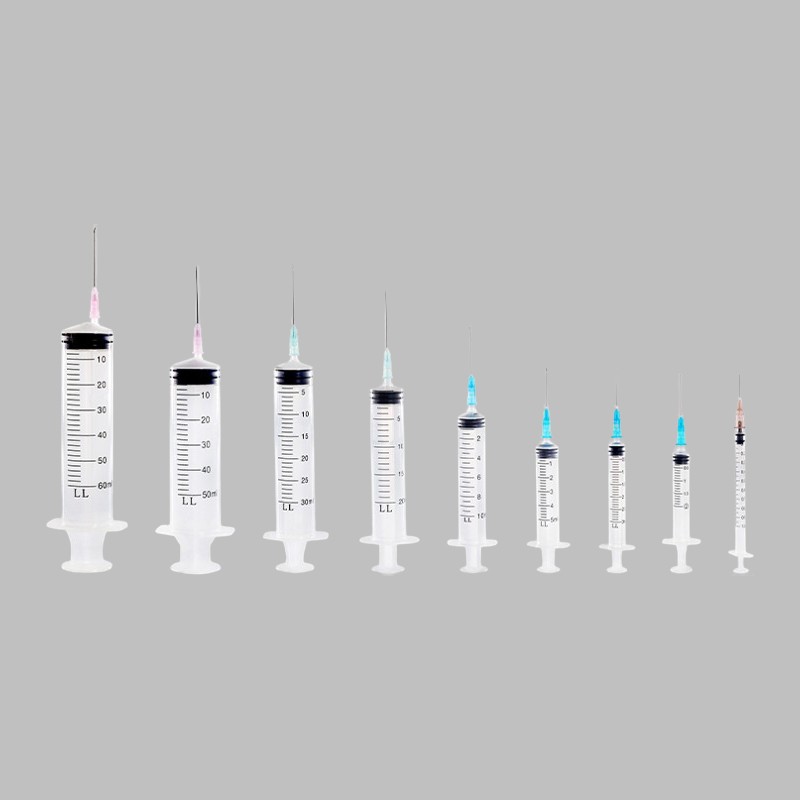
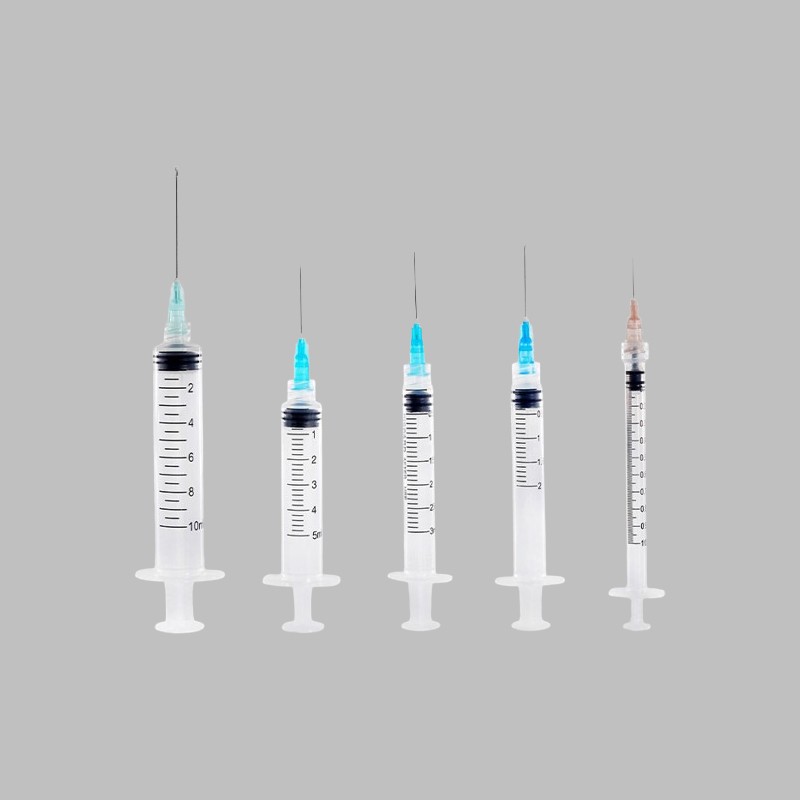
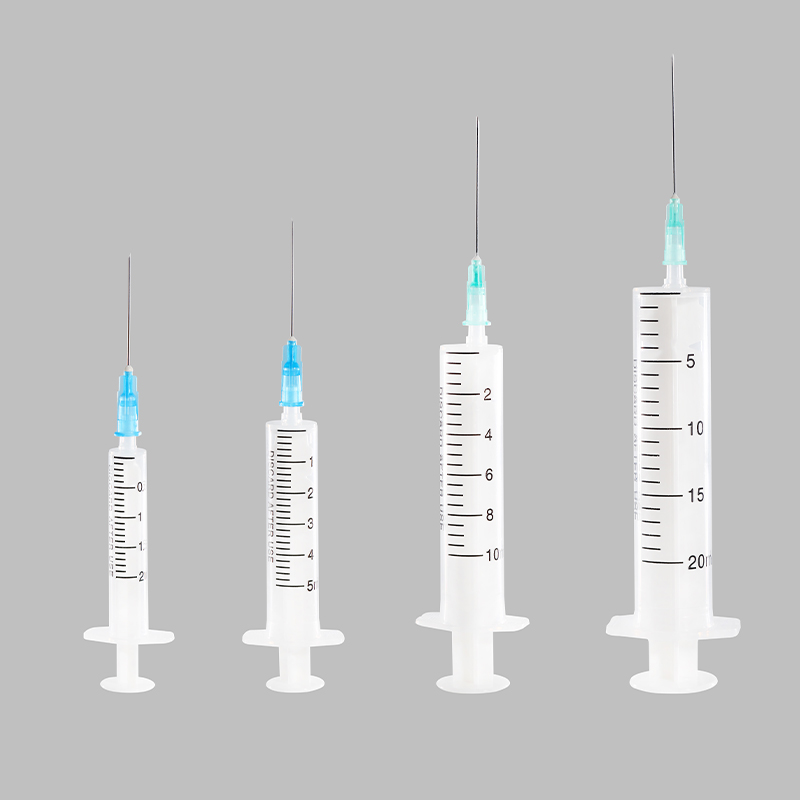
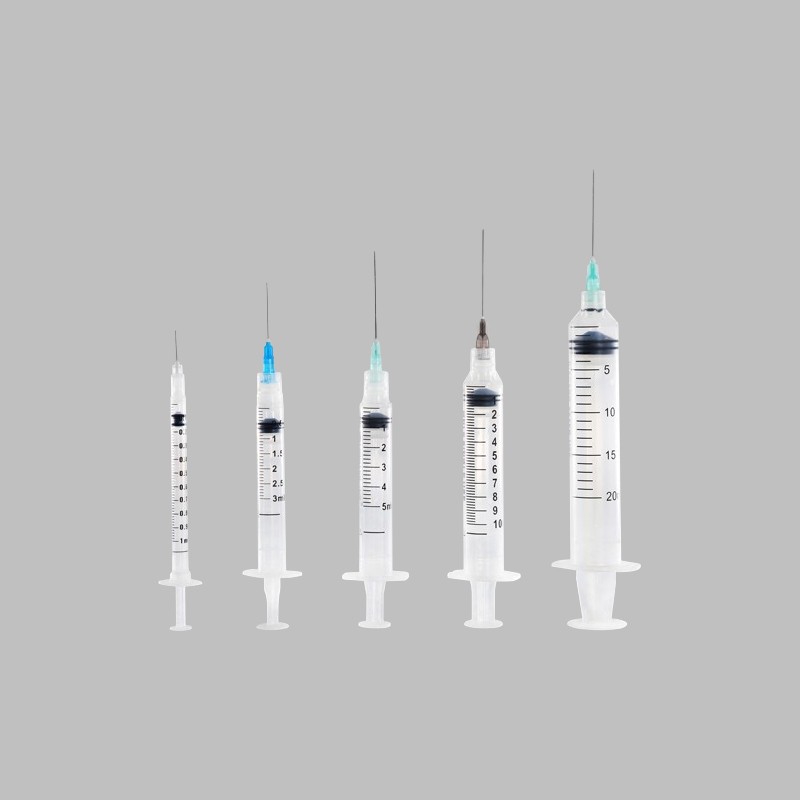
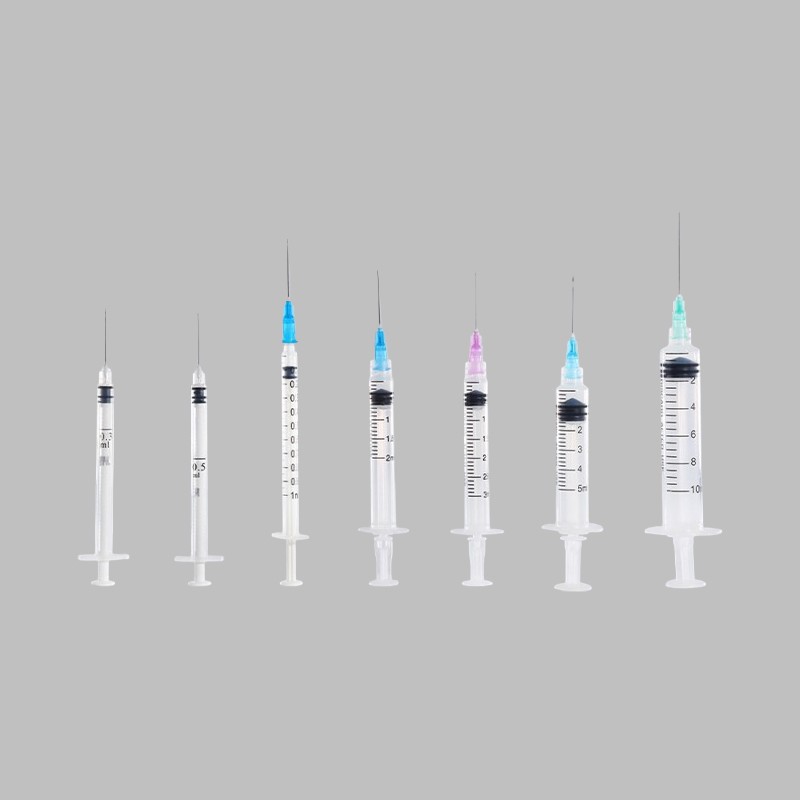
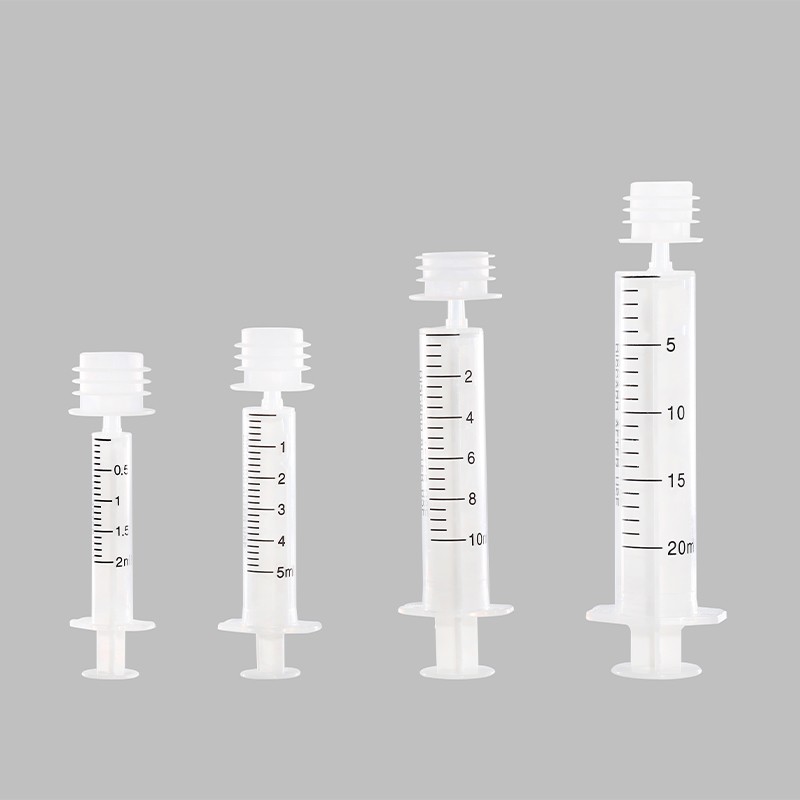
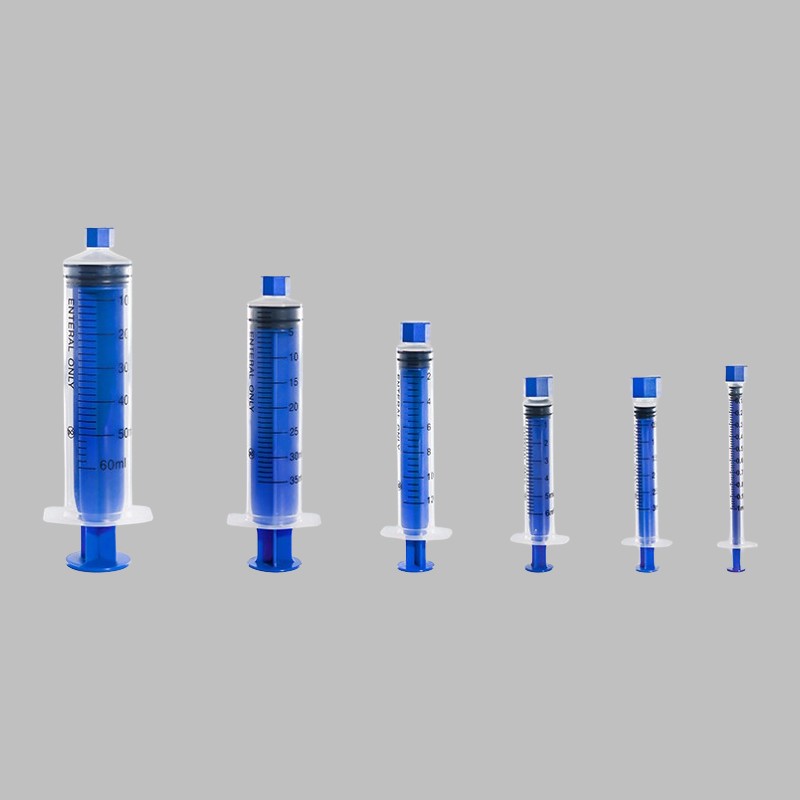
You want to feel safe with your medical tools. The Auto-Disable Syringe is made from strong plastic. This plastic does not break down with chemicals. The rubber tip stays soft and helps give the right dose. LELUN makes these syringes with careful checks. Each one is cleaned with ethylene oxide gas. This keeps it safe and clean. You can pick from sizes like 0.5CC, 1CC, 2.5CC, 3CC, 5CC, 10CC, and 20CC. This lets you get the best size for vaccines, insulin, or kids’ medicine.
Note: Sterile packs keep the syringe safe until you use it. Blister packs and polybags block germs and show if the syringe is clean.
You can see the quality from the certifications. These syringes meet CE and ISO13485 rules. Look at the table below for more:
Certification | Description |
|---|---|
CE | Follows European safety rules |
ISO13485 | Quality system for medical devices |
You find Auto-Disable Syringes in many places. Nurses use them for shots. Doctors use them for insulin. Pediatricians use them for kids’ medicine. They are also used in emergencies, diabetes care, and animal clinics. The single-use design helps stop infection and keeps patients safe.
Common use cases include:
Vaccination programs
Insulin shots
Kids’ dosing
Emergency care
Animal care
You want every shot to use a clean syringe. Standard syringes can be used again if someone tries. Cleaning them does not always remove all germs. Germs can hide inside and cause sickness. This is risky for everyone.
The Auto-Disable Syringe fixes this problem. It locks or breaks after one use. You cannot use it again, even if you want to. This keeps you safe from reused syringes.
Here is a simple table showing reuse:
Syringe Type | Can Be Reused? | How It Prevents Reuse |
|---|---|---|
Auto-Disable Syringe | No | Self-destructs after one use |
Standard Syringe | Yes (if misused) | Relies on user to discard |
Tip: Make sure your nurse uses a syringe that cannot be reused. This helps keep you safe.
Using syringes again can spread infections. Diseases like hepatitis B, hepatitis C, and HIV can move this way. Even a tiny bit of blood left inside can carry germs.
The Auto-Disable Syringe lowers this risk. You get a new, clean syringe every time. This stops germs from spreading in hospitals and clinics.
Let’s compare infection risk:
Standard Syringe: If reused, germs can move from one person to another. This can cause serious disease outbreaks.
Auto-Disable Syringe: You get a fresh syringe for each shot. This keeps you safe from cross-infection.
Note: The World Health Organization says syringes that cannot be reused help protect patients everywhere.
You can feel good when your nurse uses an Auto-Disable Syringe. This choice helps keep you healthy and safe.
Cost is important when picking syringes for clinics. Auto-disable syringes cost more than standard syringes. They have special safety parts that make them safer.
Syringe Type | Price per Unit |
|---|---|
Auto-disable Syringe | Slightly higher |
Standard Syringe | Lower |
You pay more at first for auto-disable syringes. But they help stop infections from reused needles. This saves money later because you do not need to treat diseases from unsafe shots.
Auto-disable syringes cost more at first.
They stop infections caused by reused needles.
This can save money over time in hospitals.
Supply matters too. LELUN makes two million auto-disable syringes each month. This means clinics and hospitals can get enough syringes for big jobs. You can pick latex or latex-free syringes. This helps patients who are allergic to latex.
Note: Both types of syringes make medical waste. If you do not throw them away the right way, it can hurt the environment. Always follow safe rules to protect your community.
You want syringes that are simple to use. Auto-disable syringes save time because you do not pull back the plunger. You do not worry about using them again. This makes work faster and safer.
Benefit | Auto-Disable Syringes | Standard Syringes |
|---|---|---|
Manual retraction needed | No | Yes |
Time-saving | Yes | No |
Risk of human error | Reduced | Higher |
Designed for single use | Yes | No |
Prevents needle reuse | Yes | No |
Enhances patient safety | Yes | No |
You may need training when you start using auto-disable syringes. Most workers learn fast because the design is easy. You use the syringe one time and throw it away. This helps you avoid mistakes and keeps patients safe.
Tip: Always check if your syringes are latex-free for patients with allergies. This step can stop serious reactions.
You want to know your medical tools are safe. Many studies say special syringes lower disease risk. Researchers saw fewer cases of hepatitis and HIV in clinics using single-use syringes. The World Health Organization agrees with these results. They say safer syringes protect patients everywhere.
Here is what research found:
Clinics had less infection after using single-use syringes.
Hospitals saw fewer needle-stick injuries.
Public health programs helped more people safely.
Note: You can trust these results. Experts checked data from many countries.
You see safer syringes help in real life. Nurses and doctors use them for vaccine drives. Kids get shots without being scared. People with diabetes use them for insulin. Picking the right syringe helps stop disease from spreading.
Let’s look at some real examples:
Setting | Result |
|---|---|
Vaccination camps | Lower infection rates |
Hospitals | Fewer needle-stick injuries |
Home care | Safer for families |
You help keep patients safe too. When you ask for an Auto-Disable Syringe, you protect yourself and others. This easy choice can help your whole community.
Tip: Always make sure your nurse uses a new syringe for every shot.
Syringes must follow strict rules before use in hospitals. These rules help keep patients safe. Health officials check each syringe for safety. They make sure it works and does not hurt people. Auto-disable syringes go through extra tests. These tests check if the syringe is strong and stops reuse.
Here is a table with important standards for syringes:
Standard | Description |
|---|---|
ISO 7886-1:2017 | Standard for single-use syringes |
ISO 23908:2017 | Standard for auto-disable syringes |
You can find these standards on the box or label. If you see ISO 23908:2017, the syringe cannot be used again. This helps you feel safe. Nurses and doctors look for these marks before using a syringe. You can ask about these standards if you want to know more.
Tip: Always look for marks like CE or ISO on medical items. These marks mean the product is safe to use.
You may wonder how many places use auto-disable syringes. Many countries use them for vaccines and other shots. You see them in big health programs and small clinics. Auto-disable syringes are now very common around the world.
In 2024, auto-disable syringes made up 68% of the world market. Most vaccine programs use them.
UNICEF bought over 680 million auto-disable syringes in 2024. This was 12% more than last year.
The Gavi Alliance set aside $8.8 billion for vaccines until 2025. They want all vaccine shots to use auto-disable syringes.
You can trust these syringes are part of safe healthcare everywhere. When you get a shot, you help stop diseases from spreading. You also help keep everyone healthy around the world.
Note: Picking auto-disable syringes helps protect you and your community.
There are big differences between these two syringes. The Auto-Disable Syringe has a lock that stops reuse. Standard syringes do not have this lock. The Auto-Disable Syringe usually has a needle that stays on. This helps you get the right amount of medicine. Standard syringes can be used again if someone cleans them. This can be dangerous and spread germs.
Here is a table to show the main differences:
Feature | Auto-Disable Syringe | Standard Syringe |
|---|---|---|
Reuse Prevention | Yes (locks after use) | No |
Needle Type | Fixed | Removable |
Safety Level | Very High | Moderate |
Recommended For | Vaccines, insulin, children | General medical use |
Tip: Picking a syringe that locks after use helps stop mistakes and infections.
You want to stay safe when you get a shot. The Auto-Disable Syringe gives you the most protection. Groups like WHO, UNICEF, and UNFPA say to use auto-disable syringes for all vaccines. These syringes help stop diseases that spread through blood. The needle does not come off, so you get the right dose.
When you ask for an Auto-Disable Syringe, you help keep yourself and others safe. You make sure every shot is clean and safe. Health experts say this syringe is the best choice for everyone.
WHO, UNICEF, and UNFPA say to use only auto-disable syringes for shots.
This syringe lowers the chance of infection and mistakes.
Hospitals and clinics use this syringe to keep people safe.
Note: You can feel good when your nurse uses an Auto-Disable Syringe for your shot.
You want to be safe every time you get a shot. The Auto-Disable Syringe helps protect you. It cannot be used again, so it lowers the chance of infection. Groups like the World Health Organization say these syringes are best for all vaccines and emergency shots. If you want to learn more about syringe safety, check out these resources:
Resource Type | Description | Link |
|---|---|---|
Guidelines | Injection Safety Guidelines Pocket Card for Clinicians | |
Checklist | Safe Injection Checklist for Clinicians | |
Video | Check Your Steps! Make Every Injection Safe |
Pick the right syringe to help keep you and others safe.
The auto-disable syringe locks after you use it once. This means no one can use it again. This helps stop the spread of diseases like hepatitis and HIV. You stay safer from infections with this syringe.
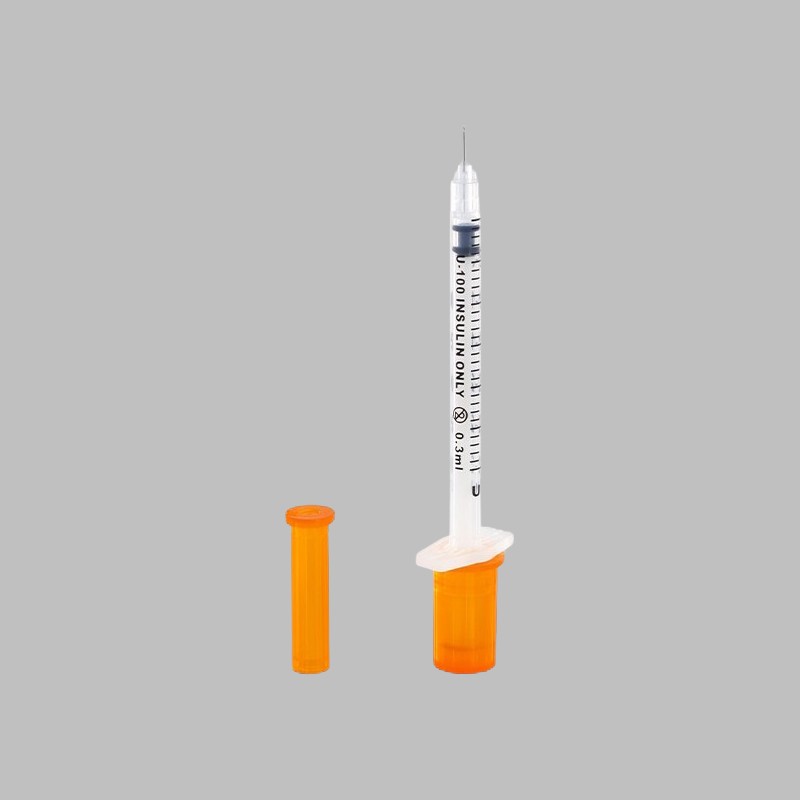
You can use auto-disable syringes for many shots. They work for vaccines, insulin, and medicine for kids. These syringes come in different sizes. Nurses and doctors pick the right size for you.
Check the label for words like “auto-disable” or “AD.” You can also look for ISO 23908:2017 on the box. If you are not sure, ask your nurse or doctor before your shot.
Auto-disable syringes cost a bit more than regular ones. They help stop infections, so you save money on care later. Many health groups use them because they keep people safe and save money over time.
Whatsapp: +86-13616120206
E-mail: sale01@lelun.com
ADD: HengShanQiao Town, out of East Gate, Changzhou ,Jiangsu, China
Mobile: (+)86-13616120206