




News Categories


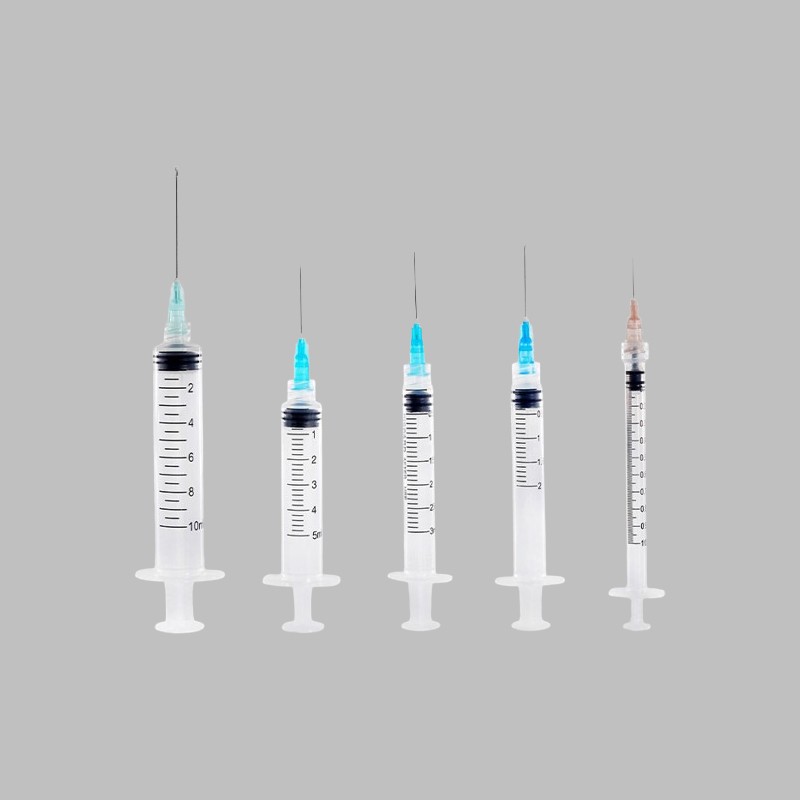
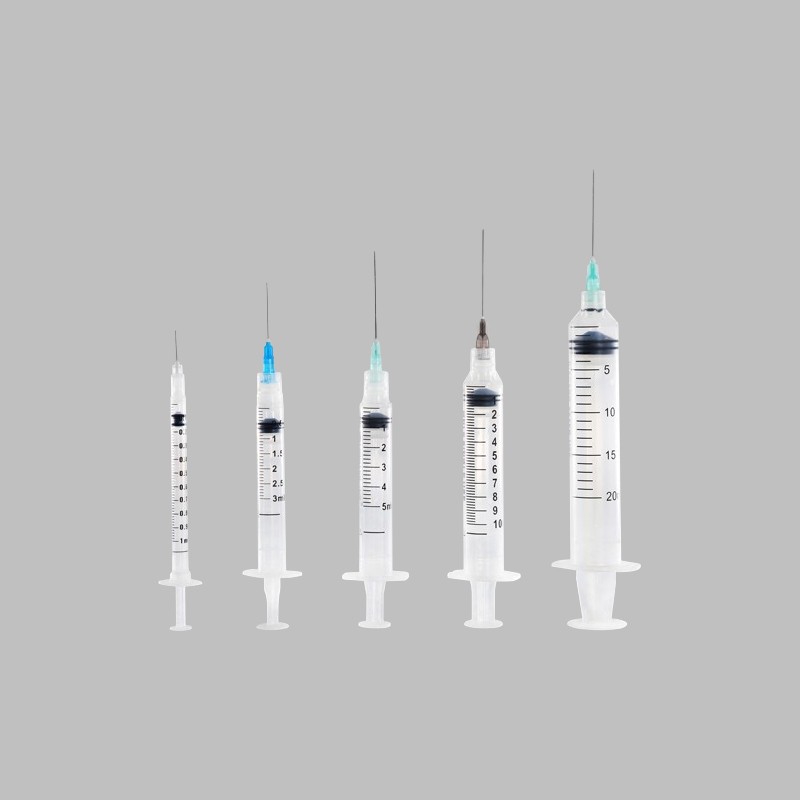
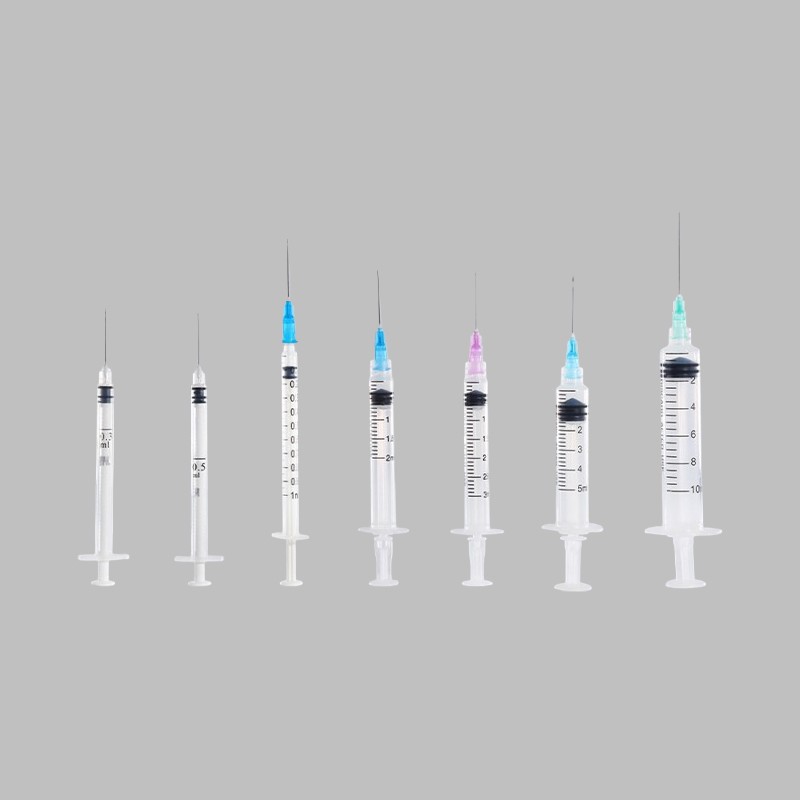
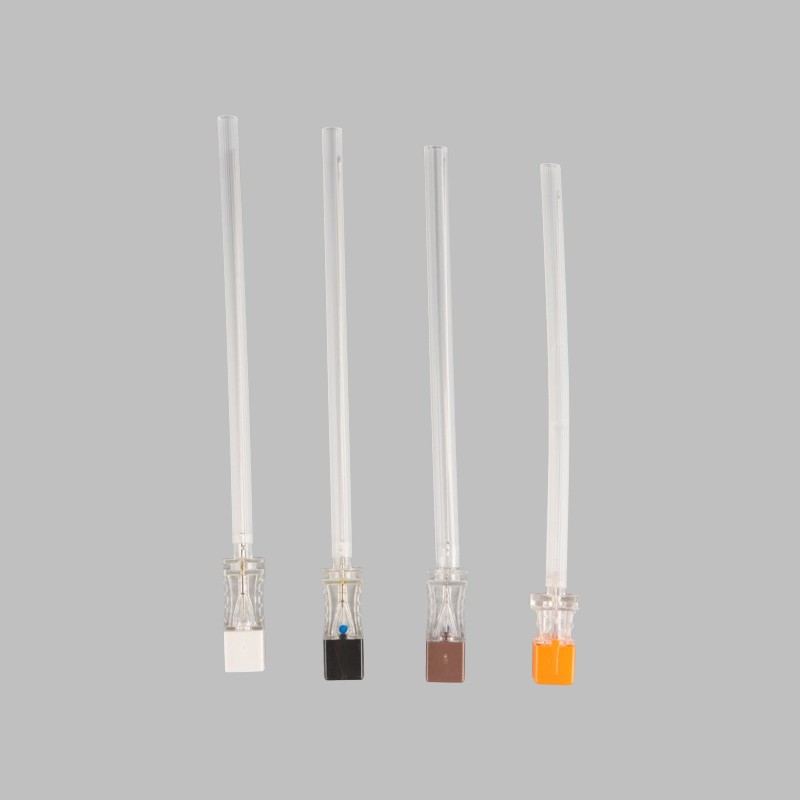
A syringe and needle have many important parts. These parts work together to give medicine or take samples in healthcare. The main parts are the syringe barrel, plunger, gasket, tip, flange, needle hub, shaft, and bevel. Each part has a special job. Some hold liquid. Some make suction. Some pierce the skin. Knowing these parts helps people use syringes safely and well. There are many types used in clinics. These include general disposable syringes, safety clip syringes, auto self-destruction syringes, insulin syringes, tuberculin syringes, hypodermic needles, and spinal needles.
Learn about the main parts of a syringe and needle. Each part does something important for safe use. Pick the right syringe size for the medicine and the patient. Small syringes are good for exact doses. Big syringes are used for more general needs. Pick the right needle gauge and length. Thin needles hurt less. Thick needles are used for bigger doses. Always use a new, clean syringe and needle for each person. This stops infections and keeps people safe. Throw away used syringes and needles in special sharps containers. This helps keep everyone safe from getting hurt or sick.

Knowing the key parts of a needle and syringe helps people in healthcare use them safely. Each part has its own job. The next sections talk about the main parts, their names, and how they work together.
The barrel is the main part of the syringe. It holds the liquid medicine or sample. Most barrels are made from strong plastic like polypropylene or polyethylene. These plastics make the syringe safe and tough. Plastic barrels do not break as easily as glass ones. They also help keep the medicine good and stop protein loss.
A clear barrel lets workers see the liquid inside. This helps them measure the right amount. The barrel has lines printed with ink that does not come off. These lines make it easy to read the dose. This helps stop mistakes and keeps patients safe. The barrel is very important because it holds and shows the medicine.
Key features of the barrel:
Made from medical-grade materials for safety.
Transparent for easy viewing and measurement.
Marked with clear, permanent scales.
The plunger is a long stick that fits inside the barrel. Pulling the plunger back brings liquid into the syringe. Pushing it forward sends the liquid out through the needle. The gasket is at the end of the plunger. It makes a tight seal with the barrel. This stops leaks and keeps the medicine clean.
Component | Function |
|---|---|
Plunger | Draws fluid into the syringe and injects it into the body. |
Gasket | Creates a seal between the plunger and the barrel to prevent leakage. |
Different gasket materials can change how well the syringe works with some medicines. For example, bromobutyl elastomer gaskets are better for some drugs. They do not soak up as much medicine. This keeps the medicine safe for patients. The plunger and gasket are important because they control the flow and keep things clean.
The tip is where the needle goes on the syringe. There are different kinds of tips. Luer Lock tips twist and lock the needle in place. This makes the needle stay on tight and stops leaks. Luer Slip tips let you push the needle on fast. This is good when you need to change needles often.
The flange is the flat part at the end of the barrel. It gives your fingers a place to rest. This helps you hold the syringe steady and move the plunger well. Good control is needed to give the right amount of medicine.
Tip: The flange and tip help workers give medicine safely and correctly.
Syringe Type | Connection Security | Speed of Use | Best Use Cases |
|---|---|---|---|
High (threaded mechanism prevents detachment) | Moderate (requires twisting) | Viscous medications, high-pressure injections, long-duration infusions | |
Moderate (friction-fit may detach) | High (quick push attachment) | Low-viscosity medications, rapid syringe preparation, vaccinations |
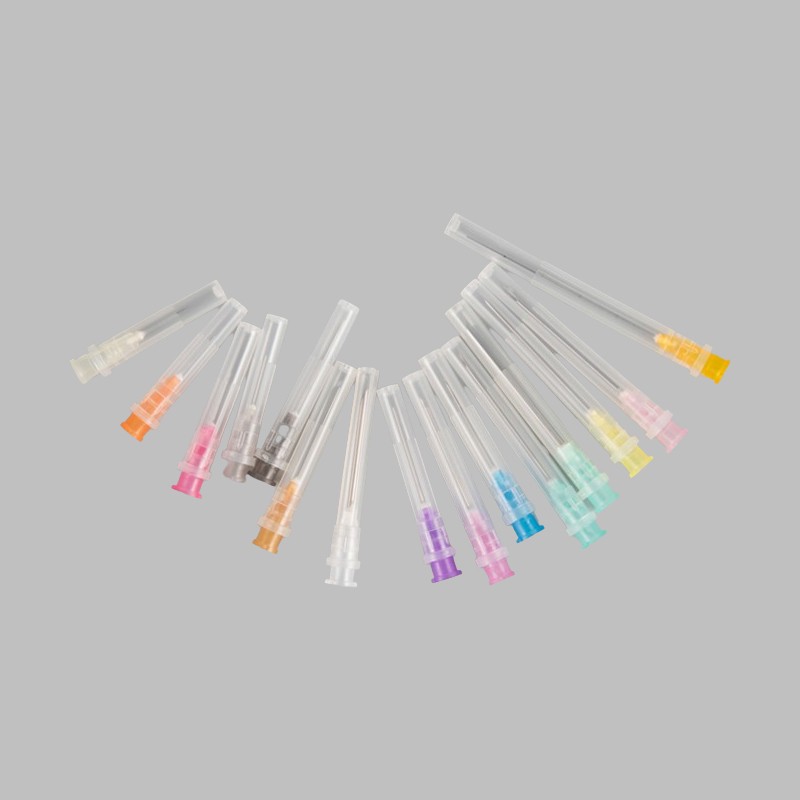
A hypodermic needle has three main parts: the hub, shaft, and bevel. The hub is the base of the needle. It connects the needle to the syringe tip. Many hubs have colors to show the needle size. This helps workers pick the right one fast. The hub must be strong and fit tight so the needle does not fall off.
The shaft is the long, thin tube that goes into the skin. It is made from stainless steel. Shafts come in many lengths and thicknesses for different jobs. A strong shaft helps the needle go in smooth and safe.
The bevel is the slanted tip of the needle. It is very sharp. The bevel shape helps the needle slide into the skin with less pain. Some bevels are short for quick shots. Others are long to make deeper shots hurt less and cause less damage.
Needle parts:
Hub: Connects to the syringe, often color-coded for size.
Shaft: Long, hollow tube that enters the skin.
Bevel: Angled, sharp tip for smooth penetration.
A good bevel makes shots hurt less and causes less harm. Different bevel shapes are used for different medical jobs. Knowing the parts of a syringe and needle helps workers pick the best tool for each use.
In healthcare, how a needle connects to a syringe is important. It helps keep people safe and makes sure medicine is given right. The two main ways to connect are Luer Lock and Luer Slip. Luer Lock uses threads. The worker twists the needle hub onto the syringe tip. This locks it in place. The needle stays on, even if the plunger pushes hard. This helps stop the needle from coming off by accident. This is very important during serious medical work.
Luer Slip uses a push-fit way. The worker pushes the needle hub onto the tip. This is fast and easy to do. It works well when you do not need much pressure. But if the surfaces are wet or oily, the fit can get loose. The needle might come off. This can make the procedure less safe. Workers pick which type to use based on the job. They think about if they need speed or a strong hold.
Tip: Luer Lock is best for high-pressure shots. Luer Slip is good for quick, low-pressure jobs.
A tight fit between the needle and syringe is needed. It makes sure medicine goes into the patient with no leaks. The hub must stay on the syringe the whole time. If the fit is weak, medicine can leak out. The needle could also fall off. This wastes medicine and can be unsafe for everyone.
The way the syringe and needle fit together also matters for giving the right dose. Good needle placement and a strong hub help control the flow. The plunger should move smoothly in the barrel. This pushes medicine through the shaft and out the bevel. Good design helps stop breakage and keeps things working well.
Feature | Impact on Accuracy |
|---|---|
Precise needle positioning | Helps control where the needle goes, so medicine is given right. |
Protection from breakage | Connecting at the shoulder helps stop the needle from breaking. |
Defined distance to RNS | Makes it easier to remove RNS and keeps things the same for different autoinjectors. |
Healthcare workers count on these features to give the right amount of medicine every time. The plunger, barrel, and hub must all work together. This teamwork keeps patients safe and helps get the best results in healthcare.
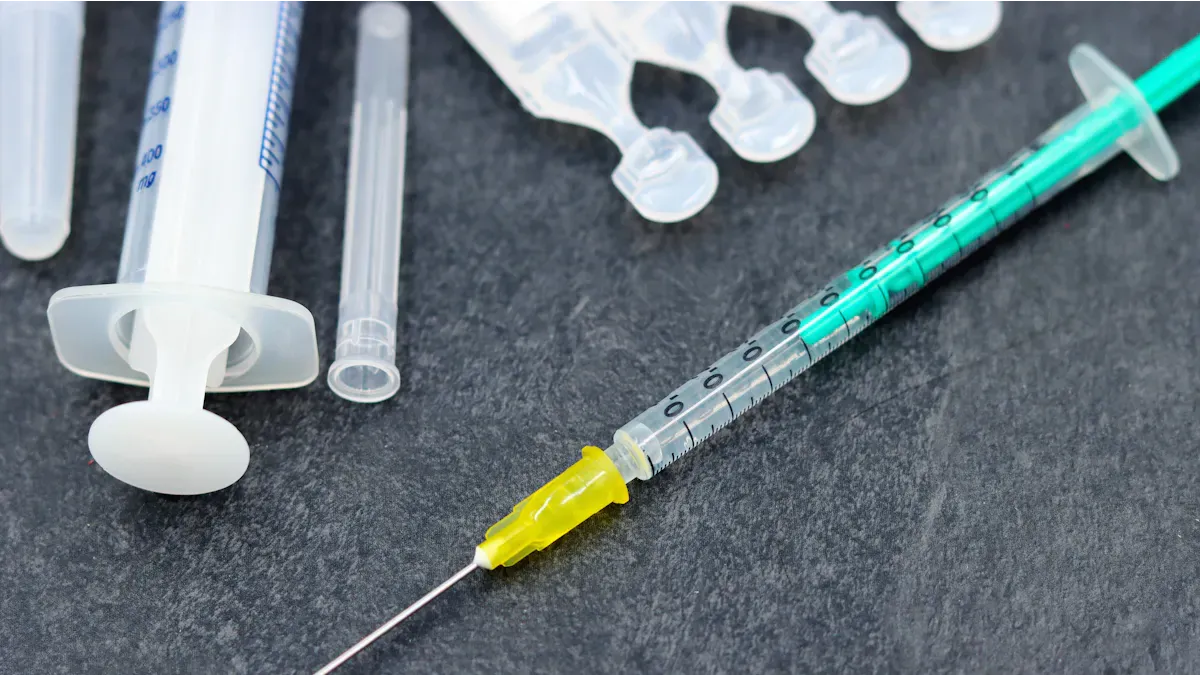
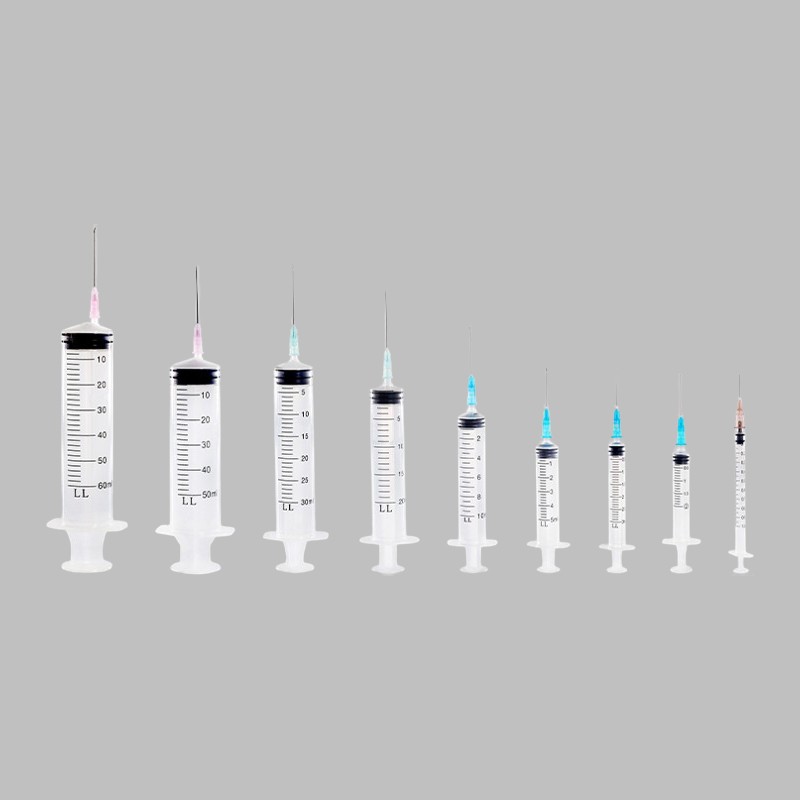
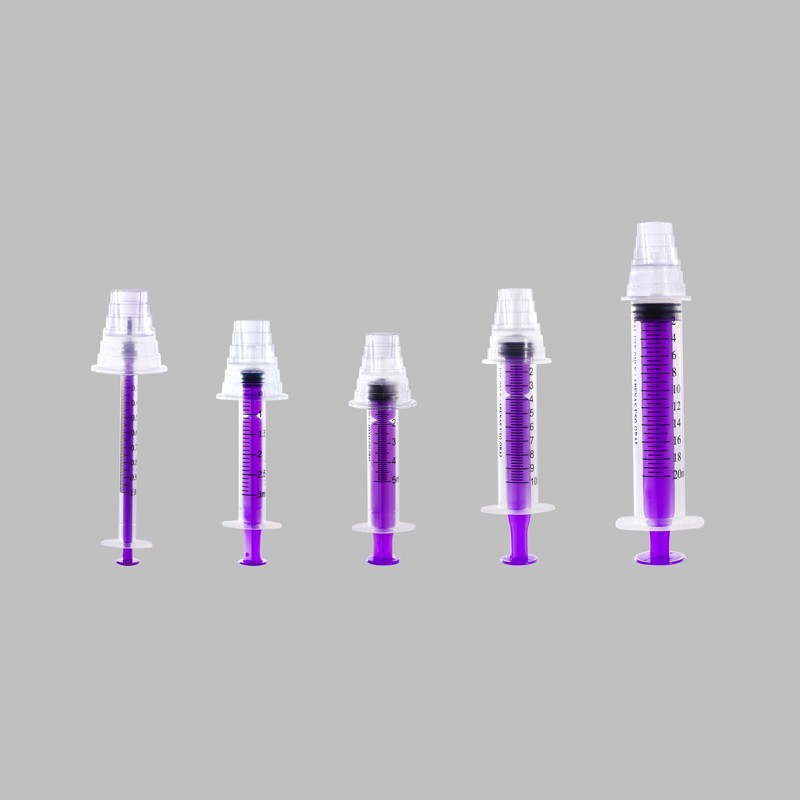
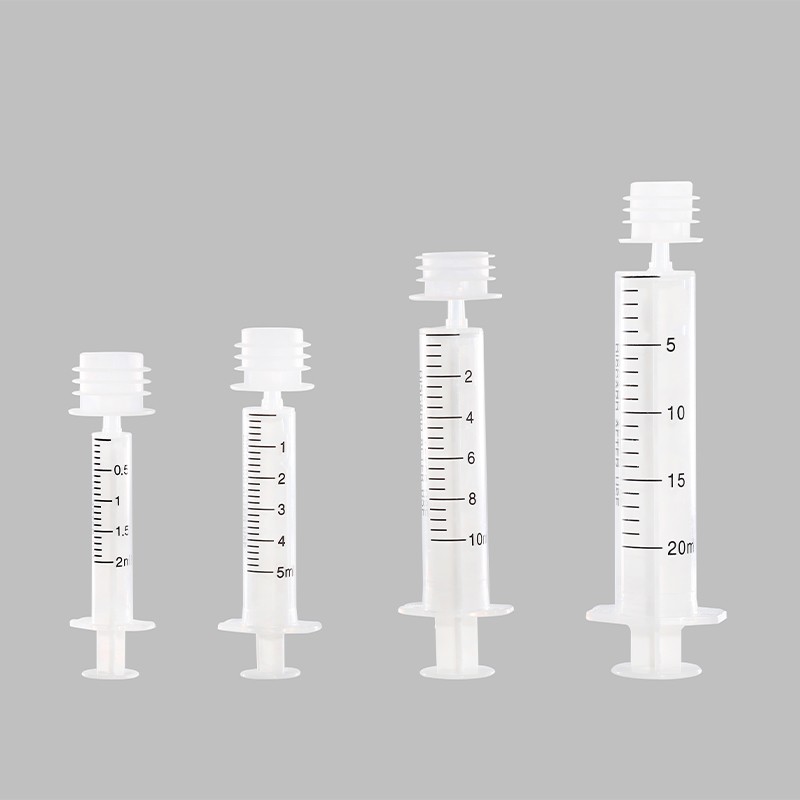
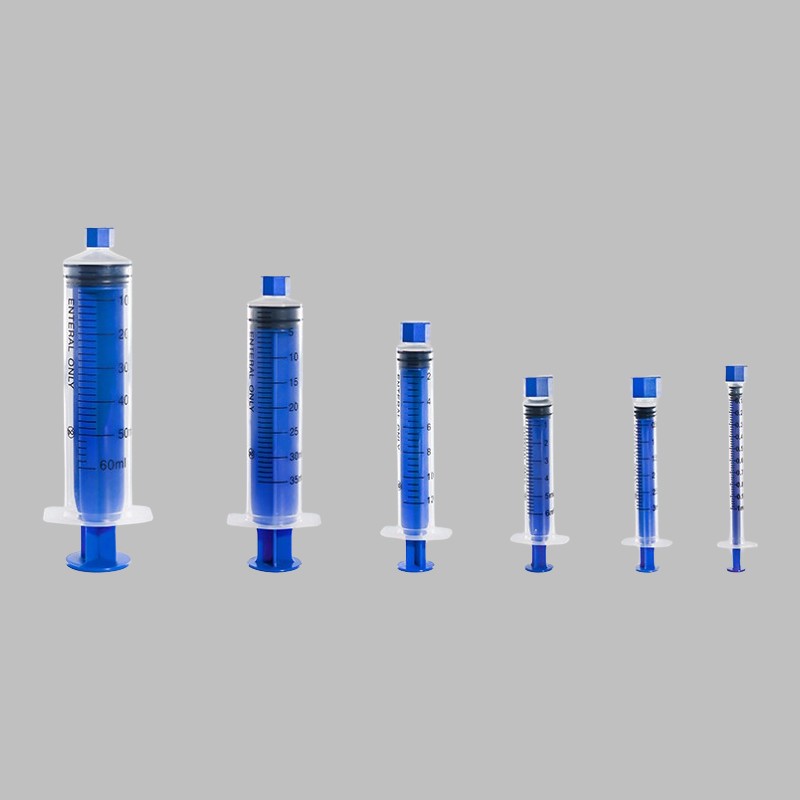
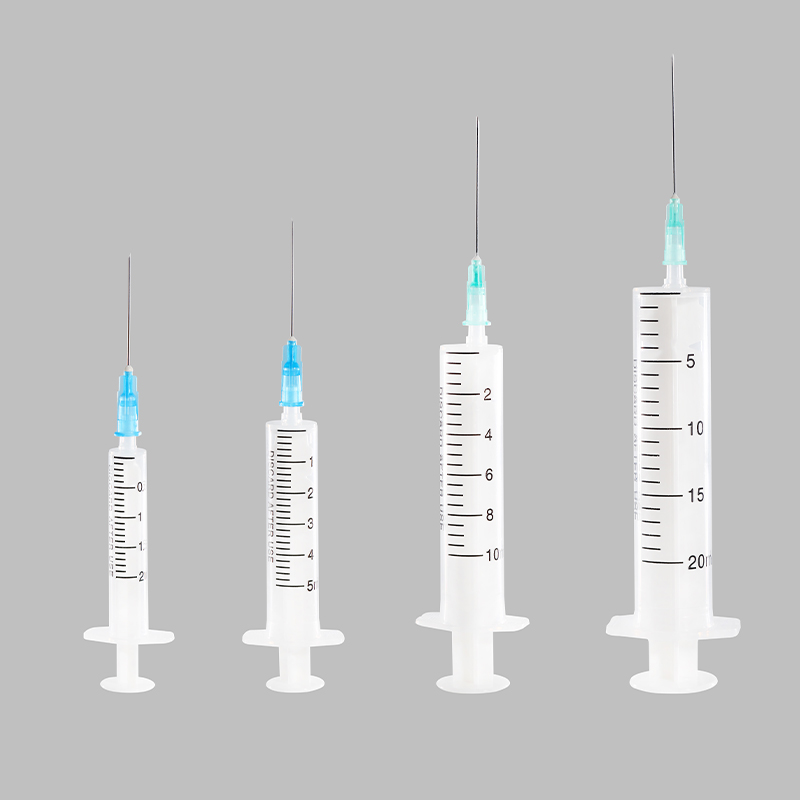
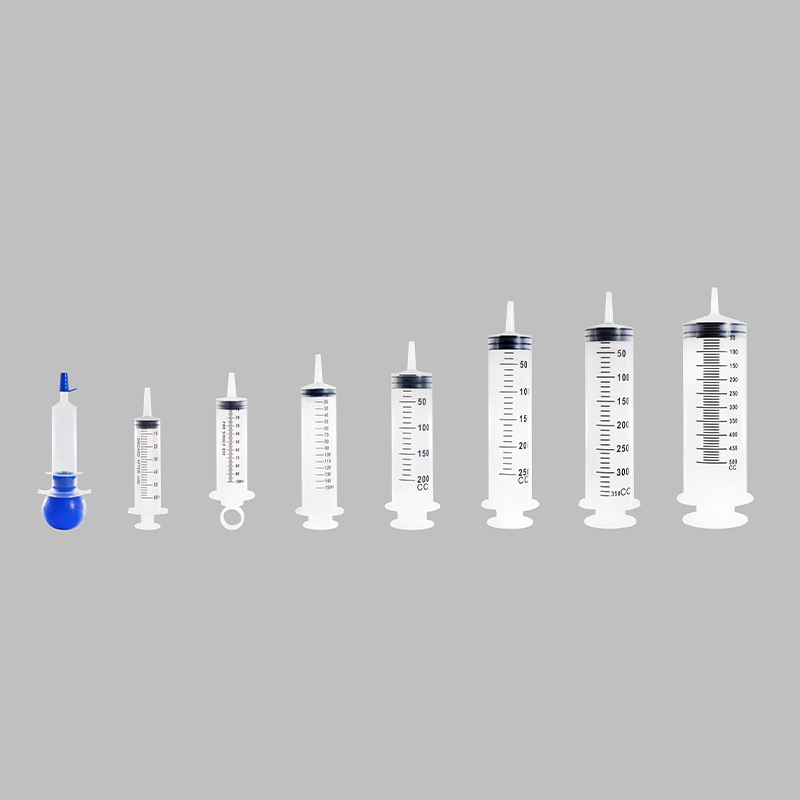
Healthcare workers use syringes in many sizes. The barrel holds medicine. The plunger pushes medicine through the needle. Syringes can be as small as 1ml or as big as 100ml. Small syringes help give exact doses. Large syringes are used for cleaning or feeding. Changzhou Medical Appliances General Factory Co., Ltd makes syringes in all these sizes. Each syringe has a clear barrel. The plunger is strong. The tip connects to the needle hub. This keeps injections safe.
Syringe Size (mL) | Typical Clinical Applications |
|---|---|
0.3, 0.5, 1 | Insulin or tuberculin injections; precise dosing for small volumes |
2, 3, 5 | General injections (intramuscular, subcutaneous, intravenous); most common in hospitals |
10, 20 | Irrigation, intravenous medication dilution, flushing IV lines |
30, 50, 60 | Irrigation, aspiration, enteral feeding, catheter use; 50-60 mL syringes often used with scalp vein sets for intravenous injections |
Small syringes are best for tiny doses. Large syringes are not good for measuring small amounts. Workers pick the syringe size based on what they need and the patient.
Note: Using a syringe close to the needed dose helps give medicine safely and accurately.
The needle attaches to the syringe tip. It delivers medicine into the body. Gauge tells how thick the needle is. A higher gauge means the needle is thinner. A lower gauge means the needle is thicker. The barrel and plunger must match the needle gauge for safe use. Workers choose the gauge based on the medicine and how it will be given.
Intramuscular shots use needles between 21 and 23 gauge. These are thicker for bigger doses.
Intradermal shots use thinner needles, usually 24 to 29 gauge. These cause less pain and damage.
Subcutaneous shots use needles from 25 to 31 gauge. Insulin syringes use these for comfort.
Needle length changes how much pain you feel. Longer needles may hurt more. Short needles can be painless, especially for microneedle shots.
Always check the gauge and length before using a needle. The bevel shape matters too. A sharp bevel helps the needle go in easily.
The barrel, plunger, and tip must fit the needle hub tightly. This stops leaks and keeps injections safe.
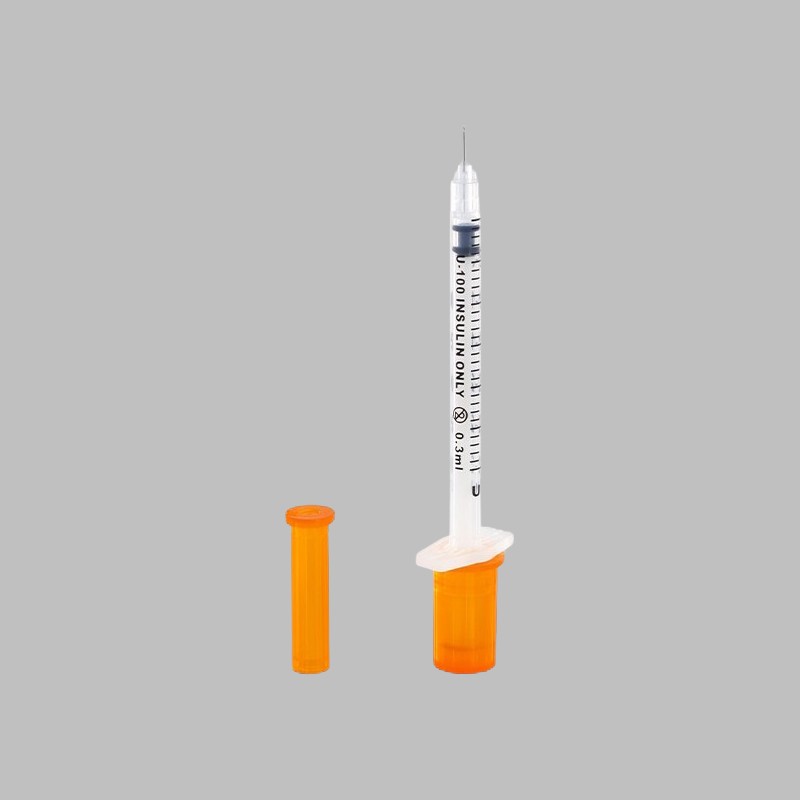
Special syringes are made for special jobs. Insulin syringes have fine needles and clear barrels. The plunger moves smoothly for exact doses. These syringes often have built-in needles and low dead space. Safety shields protect workers. Irrigation syringes have big barrels and catheter tips. They deliver fluids for cleaning wounds or feeding.
Syringe Type | Features | Distinguishing Characteristics |
|---|---|---|
Insulin Syringe | Fine needle, clear barrel, smooth plunger, integrated needle, low dead space | Accurate dosing, safety shield, available in 0.3 ml, 0.5 ml, 1 ml sizes |
Irrigation Syringe | Large barrel, catheter tip, strong plunger | Used for wound cleaning, aspiration, enteral feeding |
Changzhou Medical Appliances General Factory Co., Ltd lets you pick needle gauge, barrel scale, and packaging. All syringes meet ISO 13485 and CE rules. These show high quality and safety.
Tip: Always pick the right syringe and needle gauge for the job. Check for certifications to make sure it is safe.
Healthcare workers need to pick the right syringe and needle for each job. They look at how the medicine will go into the body. They also think about the patient’s age, weight, and what medicine is used. The barrel size helps give the right amount of medicine. The plunger should move easily for good control. The needle’s gauge and length help reach the right spot without hurting bone or nerves. Longer needles can help stop redness and swelling after a shot. The tip shape makes it easier to draw blood or give medicine.
Volume capacity
Measurement accuracy
Material composition
Ease of use
Viscosity of the medication
Size of muscle mass
Factor | Description |
|---|---|
Patient Age | Kids and adults need different needle sizes and lengths. |
Injection Site | Where you give the shot decides what needle to use. |
Medication Type | Some medicines need special needle sizes to work well. |
Pain Management | Thinner needles hurt less and cause less damage. |
Age Group | Preferred Injection Site | Needle Length Recommendations |
|---|---|---|
Infants | Anterolateral thigh | Use a longer needle for bigger muscles. |
Toddlers | Anterolateral thigh | At least 1 inch; use deltoid if muscle is big enough. |
Children (3-10 years) | Deltoid muscle | Use ⅝ to 1 inch depending on how you give the shot. |
Adolescents (11-18 years) | Deltoid muscle | Use 1 to 1.5 inches for shots in the muscle. |
Safe handling stops injuries and keeps things clean. Workers must use a new, clean syringe and needle for every patient. After giving medicine or taking blood, put used items in special sharps containers. These boxes stop leaks and pokes. Every exam room and lab should have these containers. Staff must know what goes in sharps containers. Gauze and trash do not belong there. Medical waste workers take away full containers.
Always use sterile needles for each procedure.
Never reuse syringes or needles between patients.
Dispose of sharps in designated containers.
Use aseptic techniques during preparation and administration.
Store needles in a clean, dry place.
Some syringes and needles have safety features. These can lock or hide the needle after use. This helps stop needle injuries and keeps everyone safe.
Healthcare workers follow rules to keep things clean and safe. They use clean ways to get medicine ready and give shots. The barrel and plunger must stay clean. Workers never use the same syringe or needle for more than one person. Used syringes and needles are dirty and must be thrown away. Throwing them away the right way stops infections and keeps people safe.
Always use a new sterile syringe and needle for each patient.
Do not give medicine from the same syringe to more than one person.
Throw away sharps the right way after each use.
International rules like ISO 13485 and CE marking show products are safe and good quality. Following these rules keeps patients safe when they get medicine.
Certification Type | Impact on Safety and Reliability |
|---|---|
ISO 13485 | Makes sure medical devices are made with good quality systems. |
CE Marking | Shows the product meets European health and safety rules. |
Tip: Using best practices and certified products helps healthcare workers give safe shots, draw blood, and give medicine the right way.
Knowing the parts of a needle and syringe helps workers stay safe. It lets them pick the best tools for each job. Picking the right tools can make shots hurt less. It also helps give the right amount of medicine. Learning about these parts lowers risks and helps people get better. Groups like the CDC, FDA, and International Safety Center give advice on safety.
Trusted suppliers and certified products help keep medical places safe and high quality.
Luer Lock syringes twist and lock the needle in place. Luer Slip syringes allow the needle to push on quickly. Luer Lock gives a stronger hold. Luer Slip works well for fast changes.
A person should match the syringe size to the amount of medicine needed. Small syringes give exact doses. Large syringes work for flushing or feeding. Always check the dose before picking a size.
Yes. Each syringe comes sterile and ready for one-time use. The factory uses ETO gas for sterilization. The syringes meet ISO 13485 and CE standards for safety.
Place all used syringes and needles in a sharps container. Never throw them in regular trash. This keeps everyone safe from injury and infection.



Whatsapp: +86-13616120206
E-mail: sale01@lelun.com
ADD: HengShanQiao Town, out of East Gate, Changzhou ,Jiangsu, China
Mobile: (+)86-13616120206