






News Categories

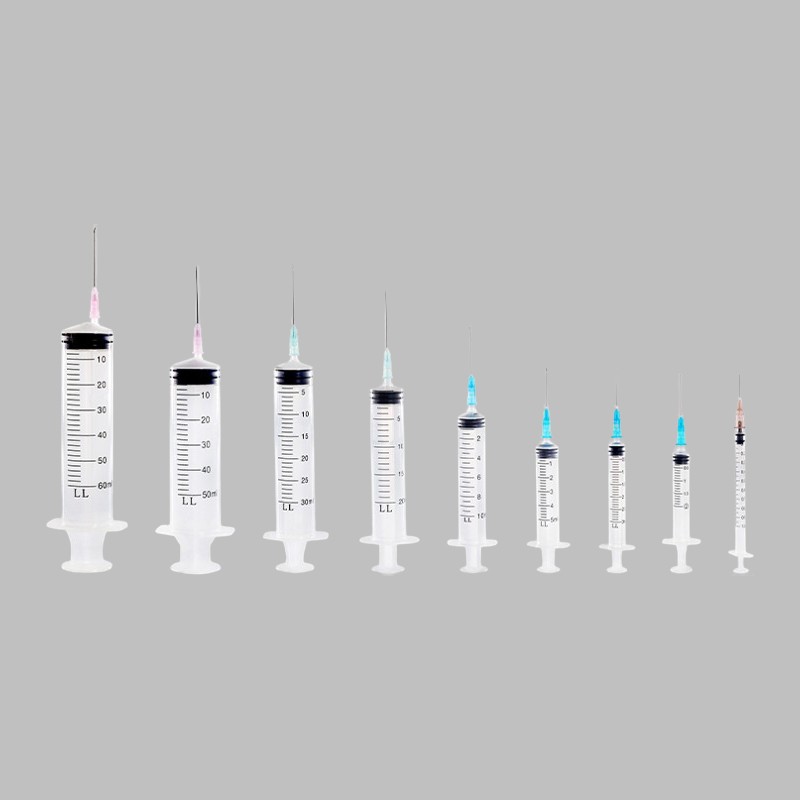
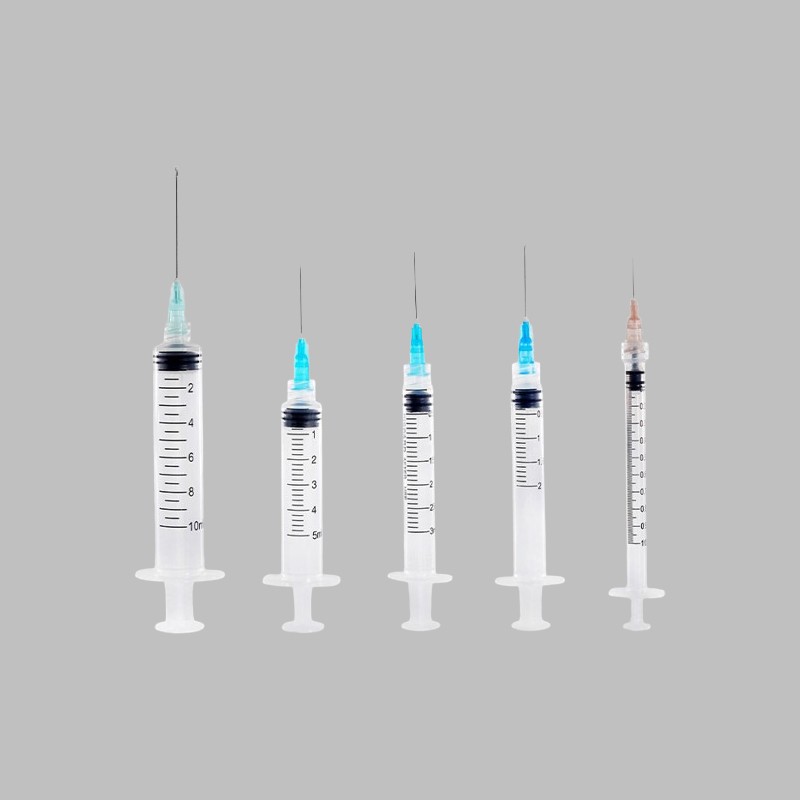
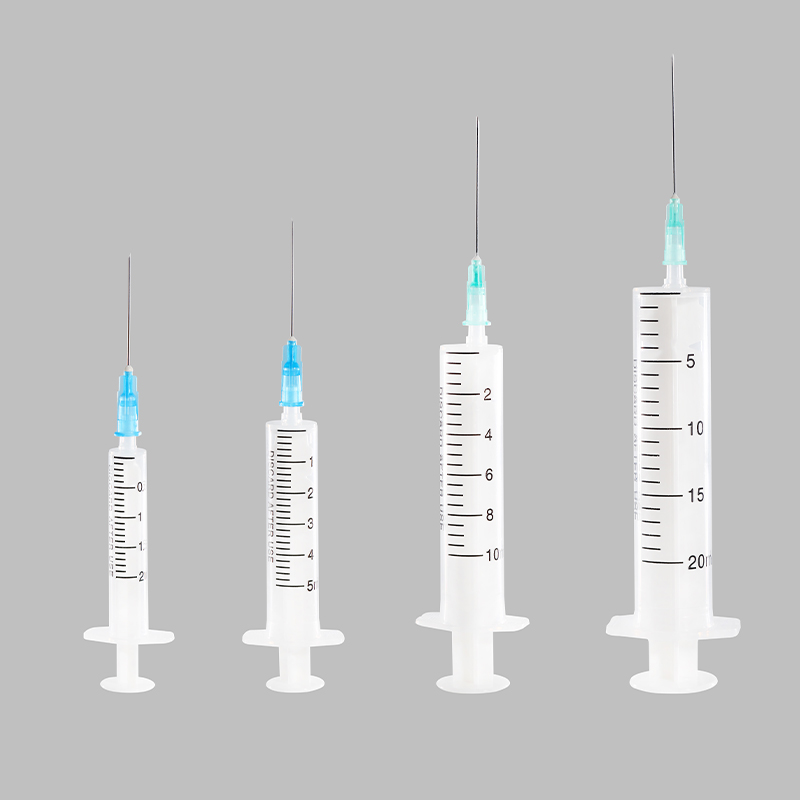
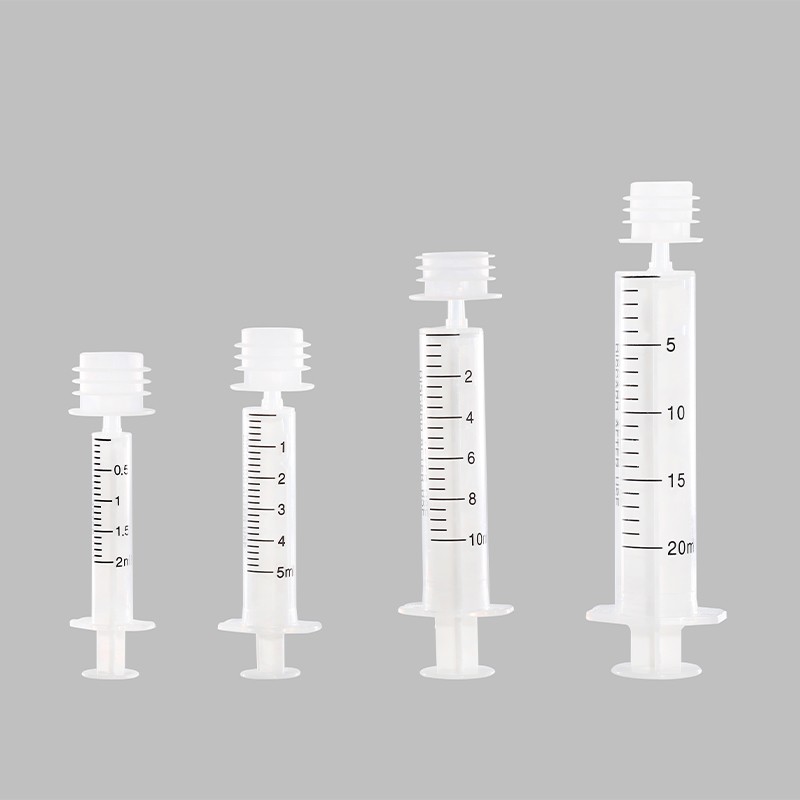
Choosing between two-part and three-part syringes is an important consideration for medical device distributors, healthcare procurement teams, and medical product importers. The main difference lies in the plunger design: a two-part syringe typically uses a barrel and a plastic plunger without a separate rubber stopper, while a three-part syringe includes an additional rubber or elastomer stopper to provide a sealing interface.
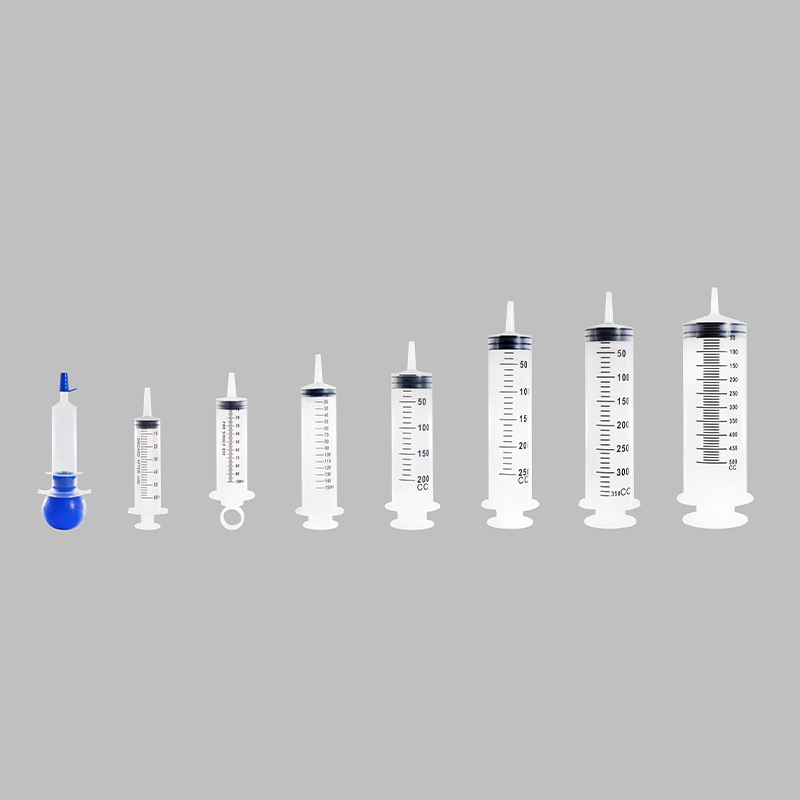
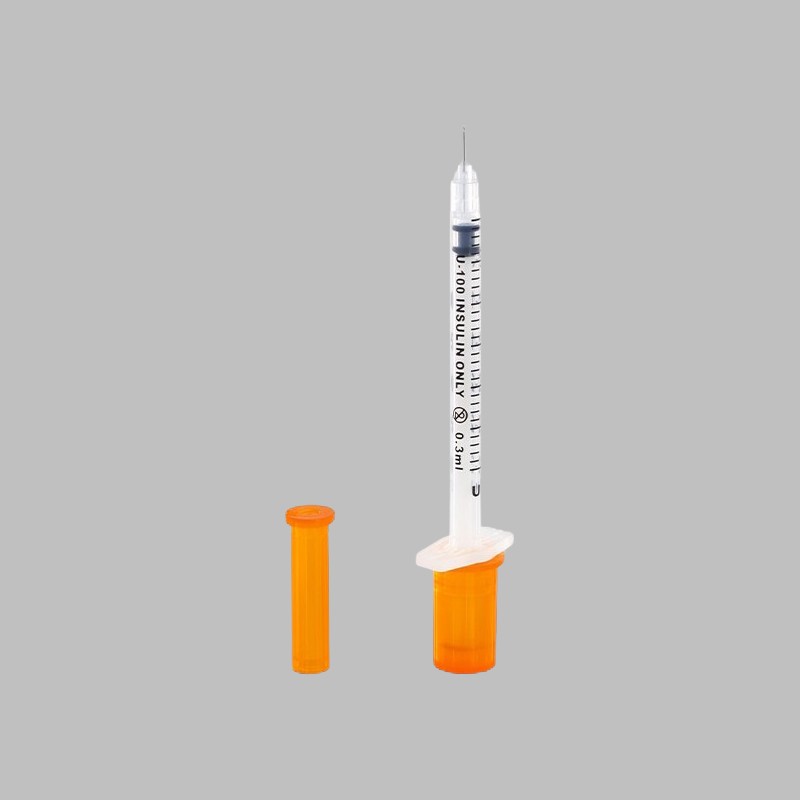
Changzhou Medical Appliances General Factory Co., Ltd. (LELUN) is a China-based disposable medical device manufacturer established in 1988. Its disposable syringe range includes two-part and three-part designs, with options for different capacities, needle configurations, and packaging requirements. Understanding the structural differences between these syringe types can help buyers compare specifications, assess material requirements, and identify suitable products for their target markets.
This guide compares two-part vs. three-part syringes by component structure, sealing mechanism, plunger movement, material considerations, and purchasing requirements.
Looking for a suitable disposable syringe for your market?
Share your required syringe design, capacity, packaging, and order quantity with the LELUN team.
Request a Syringe QuoteA two-part syringe is a disposable syringe design that generally consists of two main components: the syringe barrel and the plastic plunger. Unlike a conventional three-part syringe, it does not use a separate rubber or elastomer stopper at the end of the plunger. Instead, the plunger and barrel are designed to work together to create the required sealing performance.
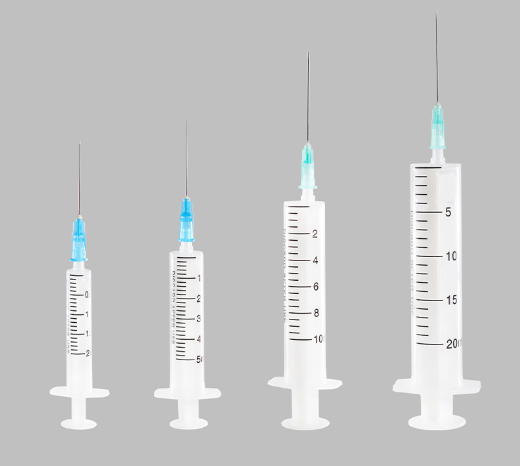
Syringe barrel: The cylindrical body that holds the liquid and typically includes graduated markings for volume measurement.
Plastic plunger: The moving component used to draw liquid into the barrel or expel it through the syringe tip.
When the plunger is pulled backward, pressure inside the barrel decreases, allowing liquid to enter through the tip. Pushing the plunger forward displaces the liquid through the outlet. The fit between the plunger and the barrel is critical to the syringe's sealing performance and operating force.
Because there is no separate rubber stopper, two-part syringe designs may be considered when buyers want to limit the number of components or avoid introducing an additional elastomer material. However, the actual material composition, lubricant requirements, and performance must be confirmed against the specifications of the individual product.
A simplified component structure.
No separate rubber or elastomer stopper in the conventional two-part design.
Sealing and plunger movement depend on material properties, dimensional tolerances, and product design.
Suitable applications must be determined according to the product's validated specifications and intended use.
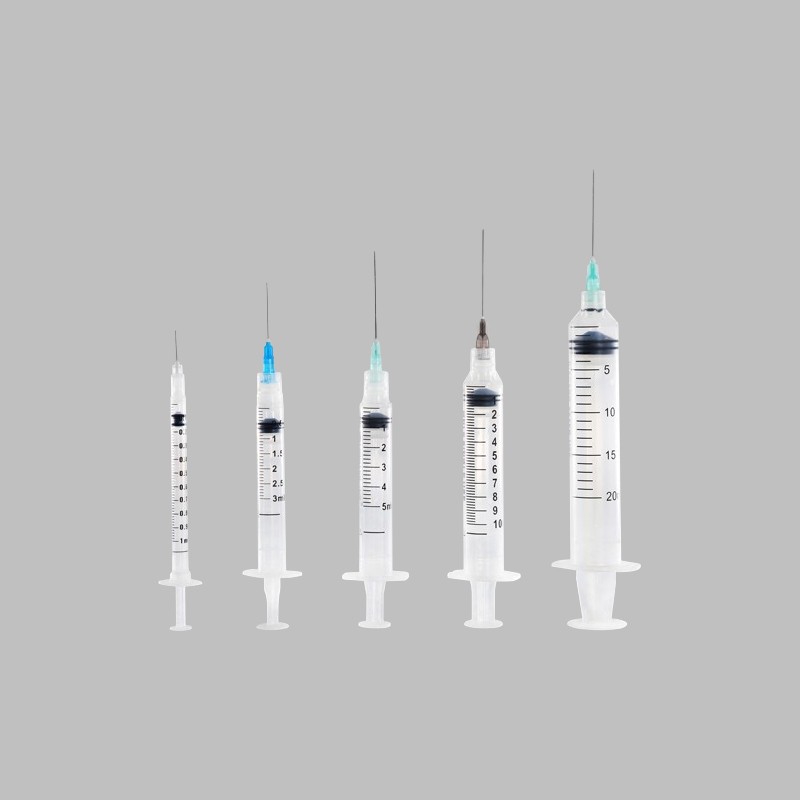
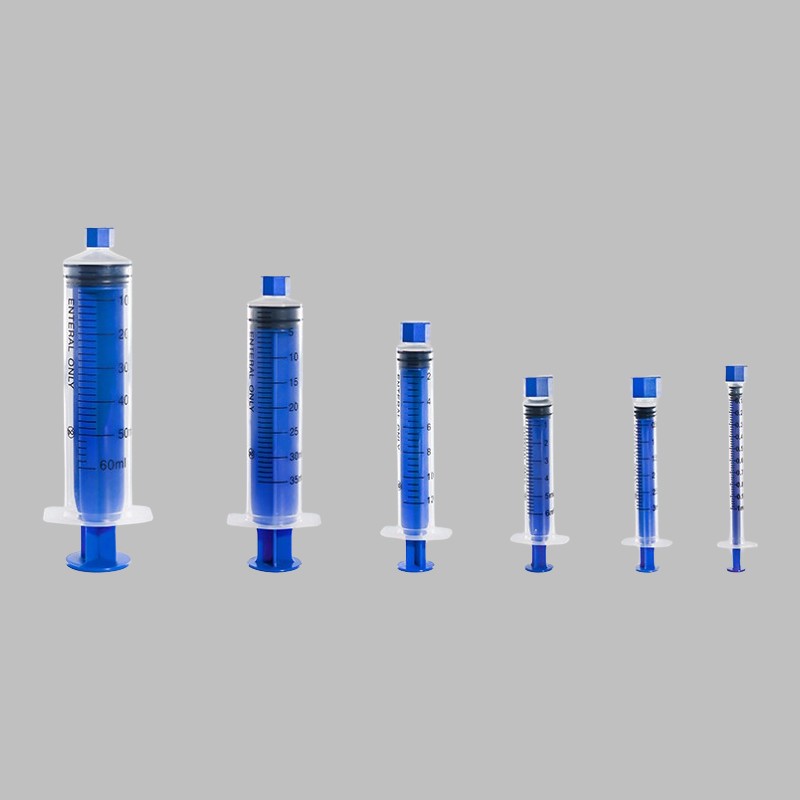
A three-part syringe generally consists of a barrel, a plastic plunger, and a separate rubber or elastomer stopper attached to the plunger. This additional component creates a sealing interface against the inside wall of the syringe barrel.
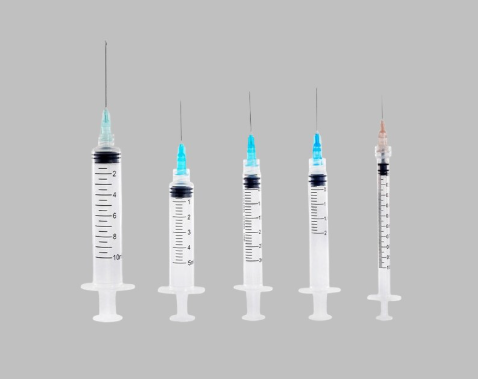
Syringe barrel: Holds the liquid and provides the internal surface against which the stopper operates.
Plastic plunger: Transfers the user's force to move the stopper through the barrel.
Rubber or elastomer stopper: Forms the sealing contact with the barrel wall and helps control liquid movement.
During operation, the stopper moves along the inner wall of the barrel as the plunger is pushed or pulled. Its design, material, dimensions, and surface characteristics influence sealing performance and friction. Depending on the product design, a lubricant such as silicone oil may also be used to support plunger movement.
The performance of a three-part syringe should not be judged by the presence of a rubber stopper alone. Buyers should review the complete design, including stopper compatibility, lubricant information where applicable, dimensional consistency, leakage performance, and the manufacturer's quality-control requirements.
A separate stopper provides the sealing contact with the barrel.
Plunger operating force depends on the stopper, barrel, and lubricant design.
Material compatibility must be evaluated for the complete fluid-contact system.
Specifications may vary by syringe capacity, tip configuration, and intended application.
The main difference between two-part and three-part syringes is the plunger sealing design. This affects the components that buyers need to evaluate, including the materials, sealing interface, plunger movement, and manufacturing controls.
| Comparison Factor | Two-Part Syringe | Three-Part Syringe |
|---|---|---|
| Component structure | Barrel and plastic plunger | Barrel, plastic plunger, and stopper |
| Separate stopper | No separate rubber or elastomer stopper in the conventional design | Uses a separate rubber or elastomer stopper |
| Sealing mechanism | Fit between the plunger and barrel | Contact between the stopper and barrel wall |
| Plunger movement | Depends on fit, material, and surface characteristics | Depends on stopper design, friction, and lubrication where applicable |
| Material assessment | Focus on barrel and plunger materials | Assess barrel, plunger, stopper, and lubricant if present |
| Manufacturing considerations | Dimensional fit, sealing, and operating force | Stopper consistency, assembly, sealing, and operating force |
| Purchasing cost | Compare actual unit price and total order cost | Compare actual unit price and total order cost |
Neither design is automatically better for every application. The appropriate choice depends on the intended use, required performance, material compatibility, applicable regulations, and the verified specifications of the syringe model.
A two-part syringe has a relatively simple component structure. For procurement teams, this can make component evaluation more straightforward because the conventional design does not include a separate rubber stopper. Where limiting additional elastomer materials is a product requirement, a two-part syringe may be worth evaluating.
A simpler structure does not, by itself, guarantee lower cost, improved accuracy, or better safety. These outcomes depend on manufacturing processes, product design, inspection requirements, and the specifications of the selected model.
Sealing performance: Confirm that the barrel and plunger fit meets the required leakage and functional criteria.
Operating force: Request relevant test data if plunger movement is a critical requirement.
Material compatibility: Check the materials against the intended liquid and application conditions.
Product availability: Confirm available capacities, tip types, needle options, and packaging with the supplier.
The separate stopper in a three-part syringe creates a dedicated sealing interface. When properly designed and manufactured, the stopper can support the required sealing performance and plunger movement. The exact result depends on the material, stopper geometry, barrel dimensions, and lubricant configuration.
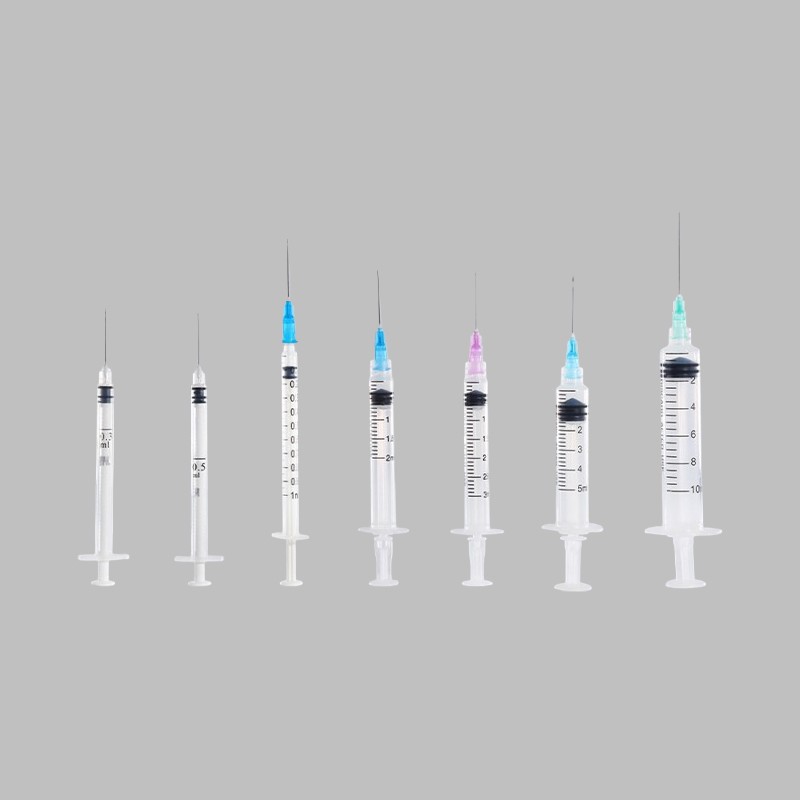
Three-part syringes are available in a wide range of product configurations. Depending on the manufacturer's range, buyers may be able to compare different capacities, Luer Slip or Luer Lock tips, and options with or without needles.
Stopper material: Verify the material composition and its compatibility with the intended application.
Lubricant information: Confirm whether a lubricant is used and review relevant documentation when required.
Assembly consistency: Ask how component fit, sealing, and plunger movement are controlled during production.
Regulatory requirements: Review the applicable technical documentation and market-specific requirements for the actual product.
Review LELUN's two-part syringe options and compare the listed specifications with your product requirements before placing a bulk order.
View Two-Part Syringes View Three-Part SyringesThe right syringe design should be selected according to the intended application and verified product performance rather than component count alone. Buyers can use the following factors to narrow down suitable options.
Start by identifying the intended use, the liquid or substance involved, and any relevant handling conditions. Different applications may have different requirements for materials, sealing, measurement, and product configuration. Confirm that the selected syringe is designed and validated for the intended use.
Sealing performance and plunger movement are important comparison points for both two-part and three-part syringes. Depending on the application, buyers may need to review leakage test results, operating-force data, dimensional tolerances, and other functional test reports.
Do not assume that a three-part syringe always moves more smoothly or that a two-part syringe always provides sufficient sealing. Request specifications and test evidence for the actual model under consideration.
Review the materials used in the barrel, plunger, stopper, and lubricant, where applicable. For applications with specific material restrictions, request technical documentation and relevant compatibility information. Material suitability should be established through appropriate evidence rather than assumptions based on the syringe's structure.
Syringe capacity, graduation markings, tip design, and needle configuration should match the procurement specification. Luer Slip and Luer Lock are different connection designs, so buyers should confirm compatibility with the intended needle or connected device. Also specify whether the syringe is required with or without a needle.
Compare supplier quotations based on the same product specification and order quantity. Consider unit price, packaging, sterilization requirements, inspection, shipping, lead time, and any documentation needed for the destination market. A lower quoted price does not necessarily mean a lower total procurement cost if the products differ in configuration or compliance requirements.
For medical device distributors, importers, and bulk purchasers, comparing syringe designs is only one part of supplier evaluation. A complete purchasing specification helps suppliers quote the correct product and reduces the risk of misunderstandings during order confirmation.
Construction: Specify a two-part or three-part syringe.
Capacity: State the required volume, such as 2ml, 5ml, 10ml, or 20ml, according to the available product range.
Graduation markings: Confirm the required scale and graduation interval.
Materials: Request details of the barrel, plunger, stopper, and lubricant where applicable.
Tip connection: Specify Luer Slip, Luer Lock, or another required configuration.
Needle option: Confirm whether a needle is required and provide the applicable needle specifications.
Sterilization: Confirm the sterilization method and applicable validation or documentation requirements.
Packaging: Specify individual packaging, such as a blister pack or polybag, and any secondary packaging requirements.
Quality documents: Request relevant specifications, test reports, certificates, and regulatory documentation for the actual product and destination market.
Commercial terms: Confirm MOQ, order quantity, lead time, shipping terms, and payment terms.
Private label: If required, discuss OEM labeling and packaging options with the supplier.
Buyers should verify that any certificates and compliance statements provided by a supplier apply to the specific product, manufacturing site, and target market. Requirements can differ by country and intended use, so documentation should be checked before an order is finalized.
Send your required capacity, syringe construction, tip type, needle configuration, packaging, destination market, and estimated quantity to discuss available options with LELUN.
Discuss Your Bulk OrderThe main difference is the plunger sealing design. A conventional two-part syringe consists of a barrel and a plastic plunger, while a three-part syringe includes an additional rubber or elastomer stopper. This difference affects the components and materials that need to be evaluated during product selection.
No. Plunger movement depends on the barrel and stopper design, material properties, dimensional tolerances, surface characteristics, and lubrication where applicable. Buyers should compare the functional specifications and test results of the actual syringe models rather than relying on the number of components alone.
A conventional two-part syringe does not use a separate rubber or elastomer stopper. The plunger and barrel are designed to provide the required fit and sealing performance. Always check the manufacturer's product specification to confirm the actual component construction.
Not necessarily. Lubricant use depends on the syringe design and manufacturing process. If lubricant content is important for your application, ask the supplier to confirm whether a lubricant is used, identify the relevant material information, and provide supporting documentation where available.
A two-part design may be worth evaluating when a separate elastomer stopper is not desired. However, the complete material composition, manufacturing process, and application requirements still need to be assessed. The most appropriate option should be selected using relevant compatibility data and product-specific evidence.
Buyers should compare syringe construction, capacity, graduation markings, tip connection, needle configuration, materials, sterilization, packaging, applicable documentation, MOQ, lead time, and total order cost. Providing a complete specification helps the manufacturer quote a suitable product and confirm availability.
Changzhou Medical Appliances General Factory Co., Ltd. offers disposable syringe options for medical product buyers and distributors. Its published product range includes two-part syringes in selected capacities and three-part syringes in a broader range of sizes and configurations. Available specifications, packaging, and order requirements should be confirmed with the company for the intended product.

When comparing two-part vs. three-part syringes, consider more than the component count. Sealing performance, plunger movement, material compatibility, capacity, tip configuration, sterilization, and market-specific documentation all contribute to the final selection.
If you are sourcing disposable syringes for distribution, institutional procurement, or an OEM project, prepare your technical and commercial requirements before requesting a quotation. This helps the supplier identify suitable models and clarify any specification differences.
Contact LELUN to discuss available syringe designs, product specifications, packaging options, and bulk purchasing requirements.
Get a Custom Syringe QuoteNote: Product configurations and specifications may vary by model. Confirm the current technical documentation, availability, and regulatory requirements with the supplier before purchasing.
Whatsapp: +86-13616120206
E-mail: sale01@lelun.com
ADD: HengShanQiao Town, out of East Gate, Changzhou ,Jiangsu, China
Mobile: (+)86-13616120206