





News Categories

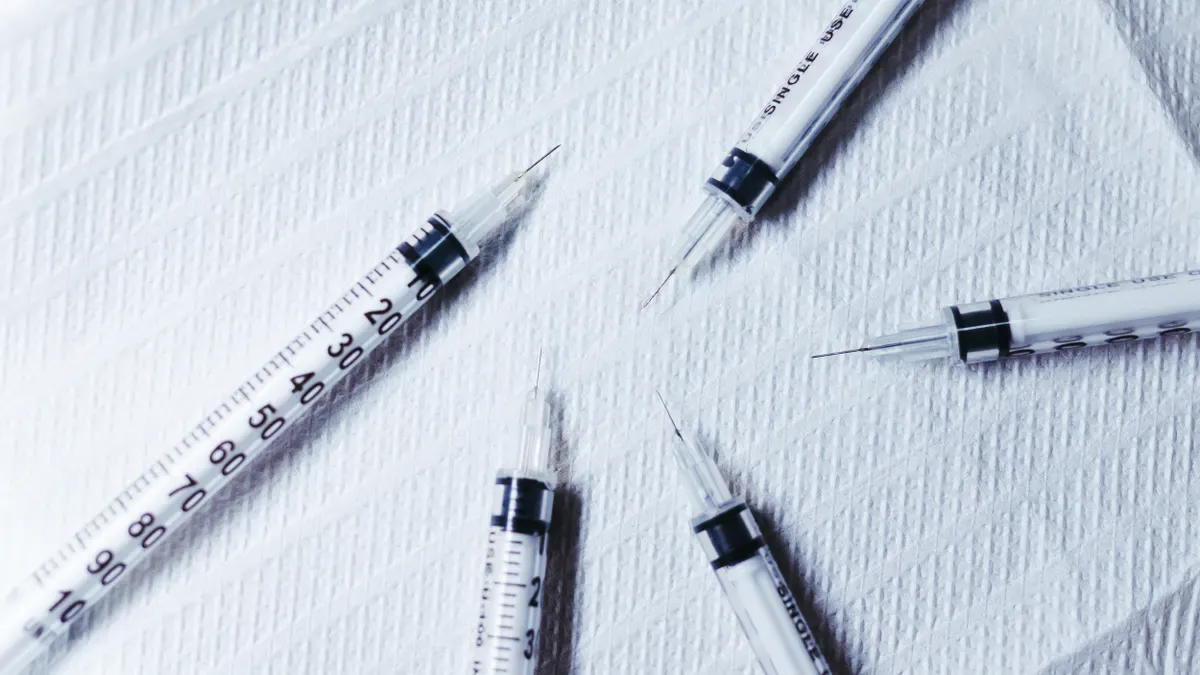
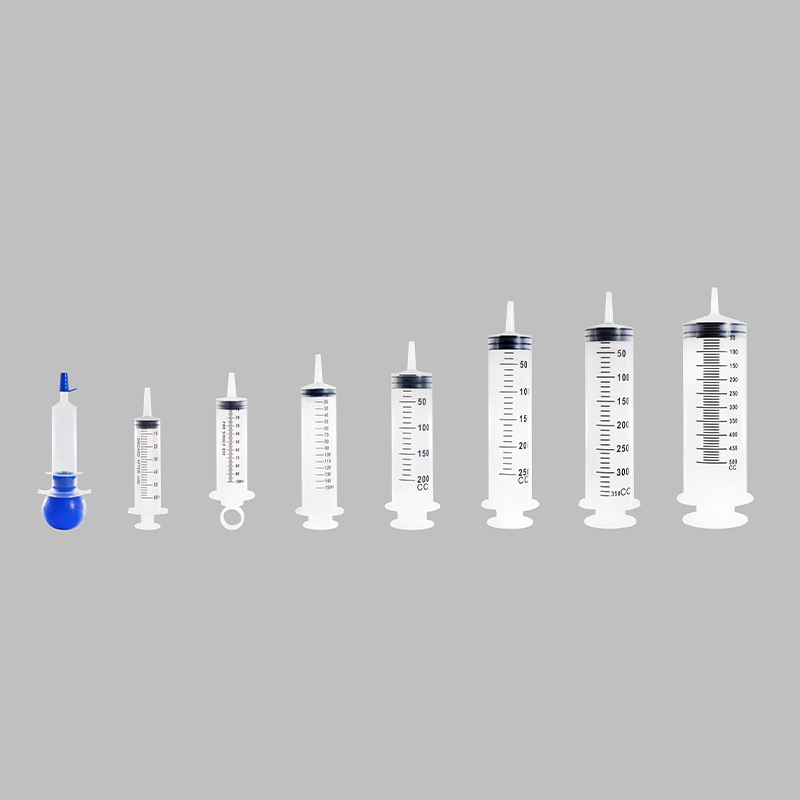
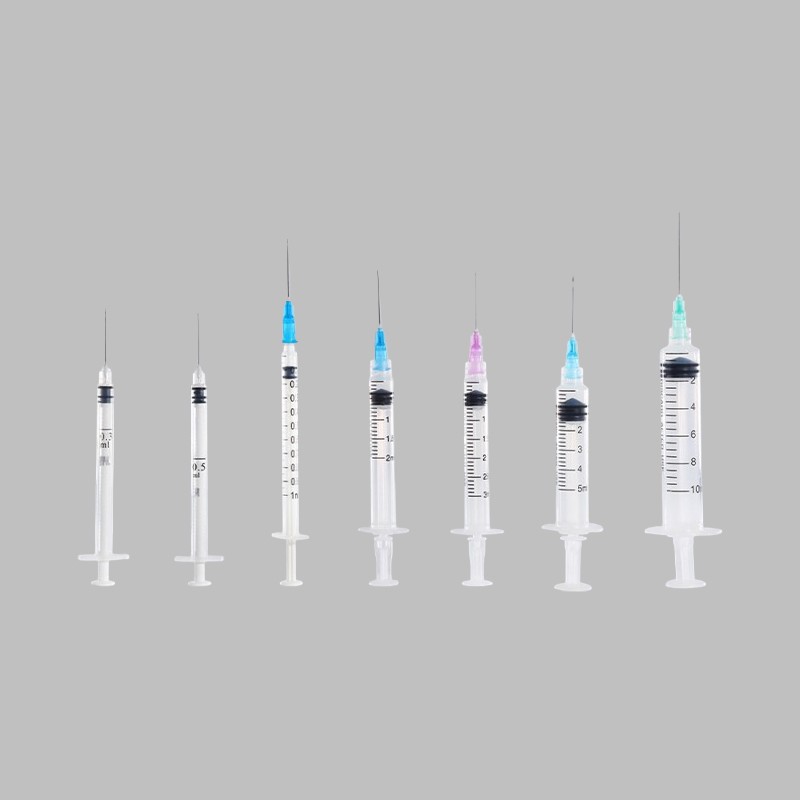
Several companies are the biggest names in the world market for medical supplies. The top syringe makers include Becton Dickinson, Terumo, B. Braun, Cardinal Health, and Smiths Medical. Also gaining notice are rising Chinese leaders, such as Lelun from Changzhou Medical Appliances General Factory Co., Ltd. Lelun has extensive experience in manufacturing disposable medical devices. Its factory can produce 4 million units per day.
This article gives a closer look at each maker. You will learn about the products they offer and where they sell them. We compare how well they meet quality standards and how many they can make. You also get useful advice for picking a disposable syringe supplier. Your company needs a partner that follows health rules and delivers on time. Knowing these leaders helps you choose wisely.
BD, Terumo, B. Braun, and Lelun are the leading companies that make syringes.
BD controls about one-third of the world's market for syringes.
Lelun produces 4 million syringes every day, and they hold ISO and CE certifications.
Auto-disable syringes stop reuse and make things safer.
Pick a supplier that has ISO 13485 and FDA approval to ensure good quality.

Becton Dickinson (BD) is the oldest and largest syringe maker in the world. Maxwell Becton and Fairleigh Dickinson started the company in 1897. By 1898, BD got its first patent for a syringe made entirely of glass. In 1906, BD built its first U.S. factory for syringes and needles. In 1924, BD launched its first device for insulin shots. A year later, BD bought the Yale Luer-Lok, which gave users a safe way to attach needles to syringes. Today, BD is a leading player in the global market for disposable syringes. Its products include the BD Veo™ with BD Ultra-Fine™ needle, which has clear marks for dosing and shorter needle choices. BD also shared news in August 2025 about a new partnership to grow sales of its auto-disable syringes across North America.
Year | BD Milestone |
|---|---|
1897 | Company founded |
1898 | First all-glass syringe patent |
1906 | First syringe factory in the U.S. |
1924 | First insulin injection device |
1925 | Acquired Yale Luer-Lok |
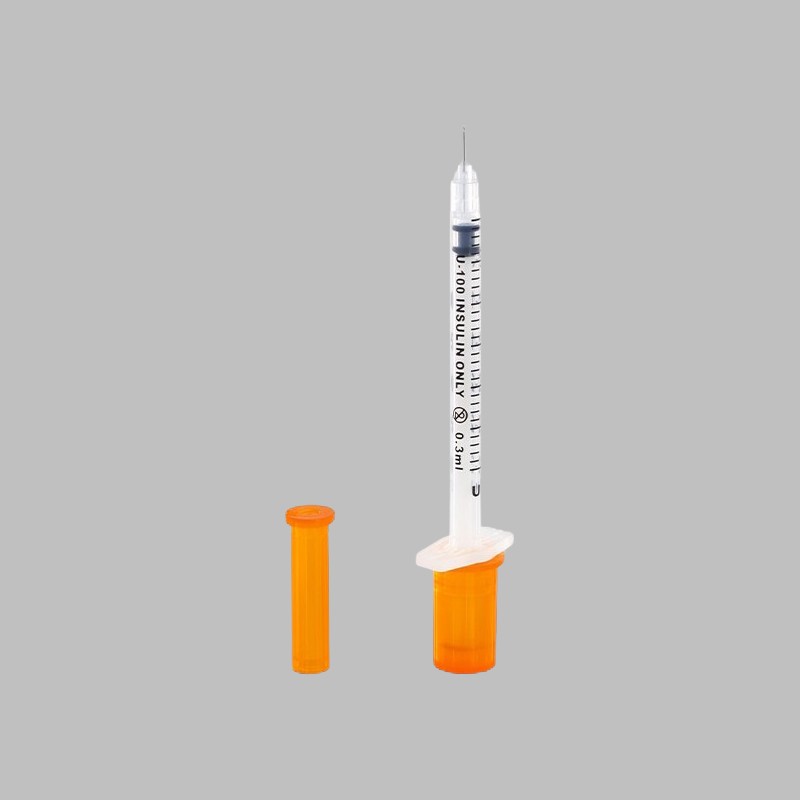
Terumo is strong in insulin delivery and safety syringes. In September 2025, the company released a new line of eco-friendly auto-disable syringes. These plastic syringes lower harm to the environment while keeping high safety standards. Terumo's insulin syringe has a 3-bevel super-sharp needle, a smooth high-grade silicone surface, and plunger retention technology. This design cuts down on spills and waste. You can find Terumo products marked as U-40 and U-100.
B. Braun offers many products for infusion and syringe systems. The Omnican® 40/50 (Type LDS) is one of its key products. It has a U-40/U-100 dedicated scale, a built-in needle, and a Low Dead Space (LDS) design. This 3-piece syringe greatly reduces wasted medication.
Manufacturer | Representative Product & Key Design Features |
|---|---|
BD | BD Veo™ with BD Ultra-Fine™ needle: Ultra-Fine needle, short needle options, clear dose-marking positioning |
B. Braun | Omnican® 40/50 (Type LDS): U-40/U-100 dedicated scale, integrated needle, Low Dead Space design |
Terumo | Terumo Insulin Syringe: 3-bevel super-sharp needle, high-grade silicone surface, plunger retention technology |
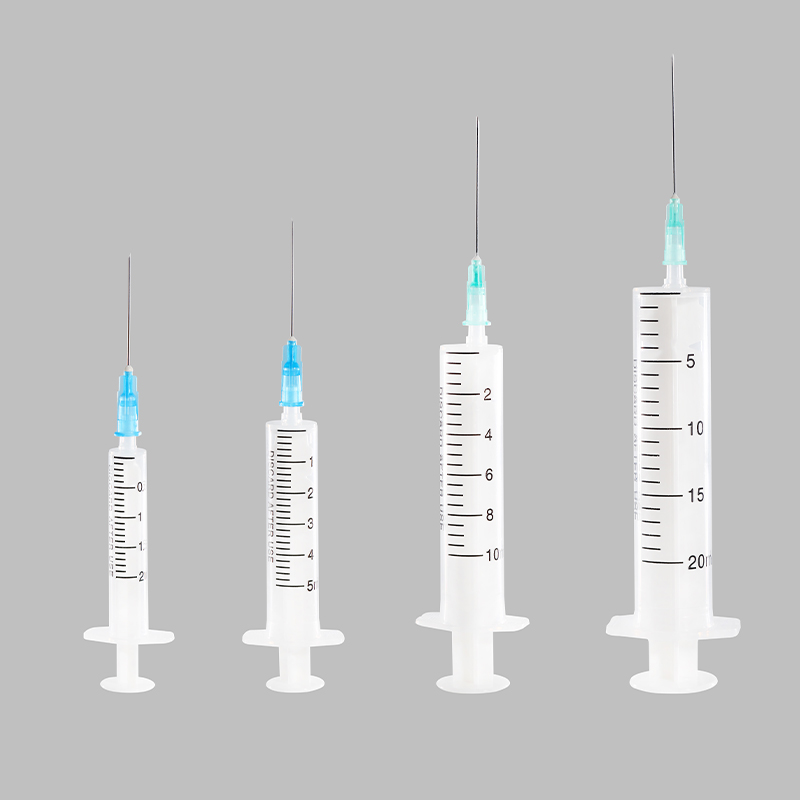
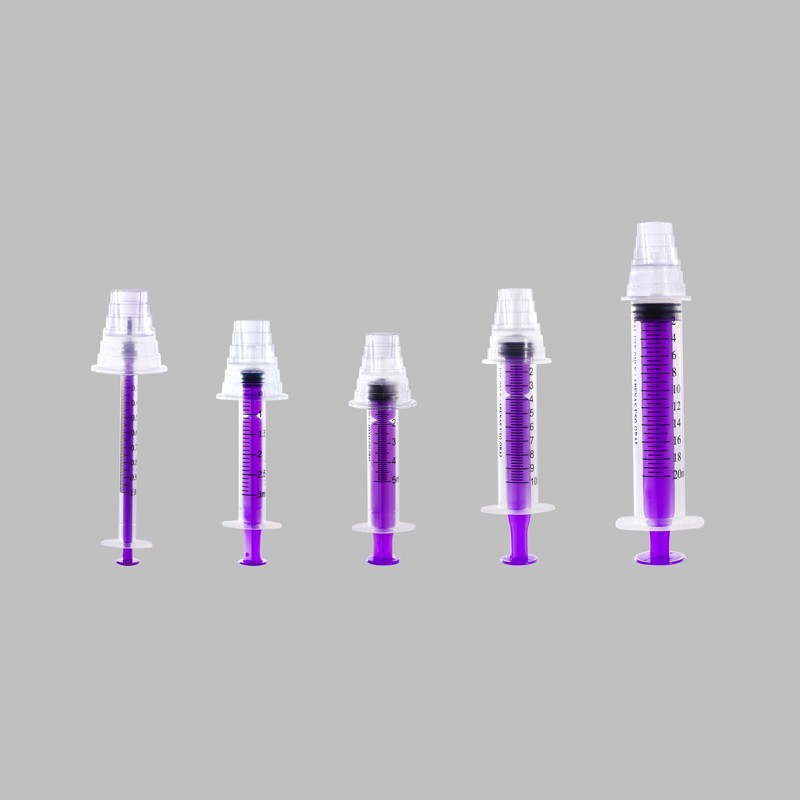
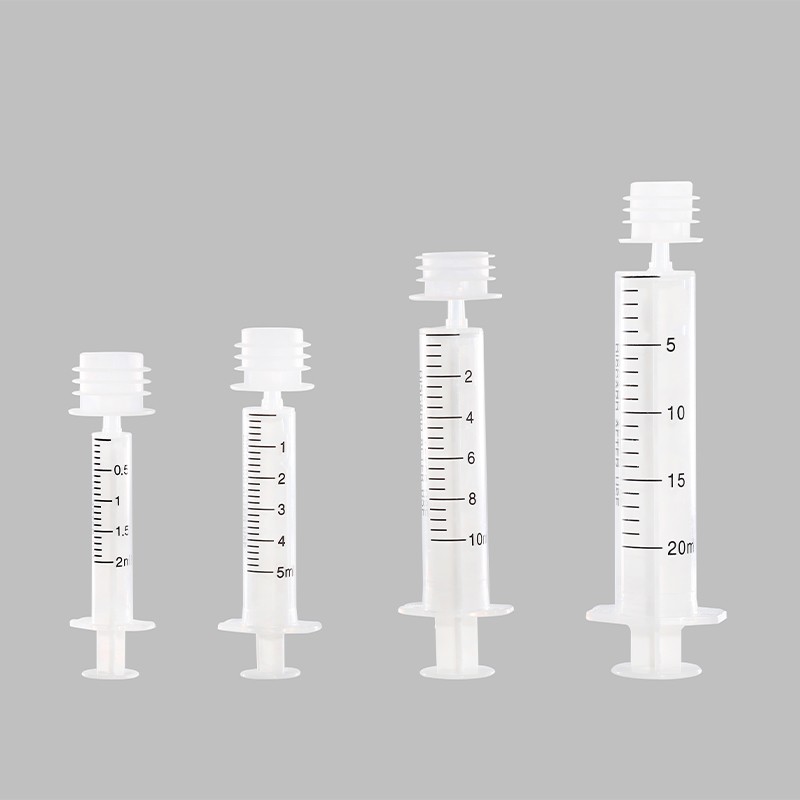
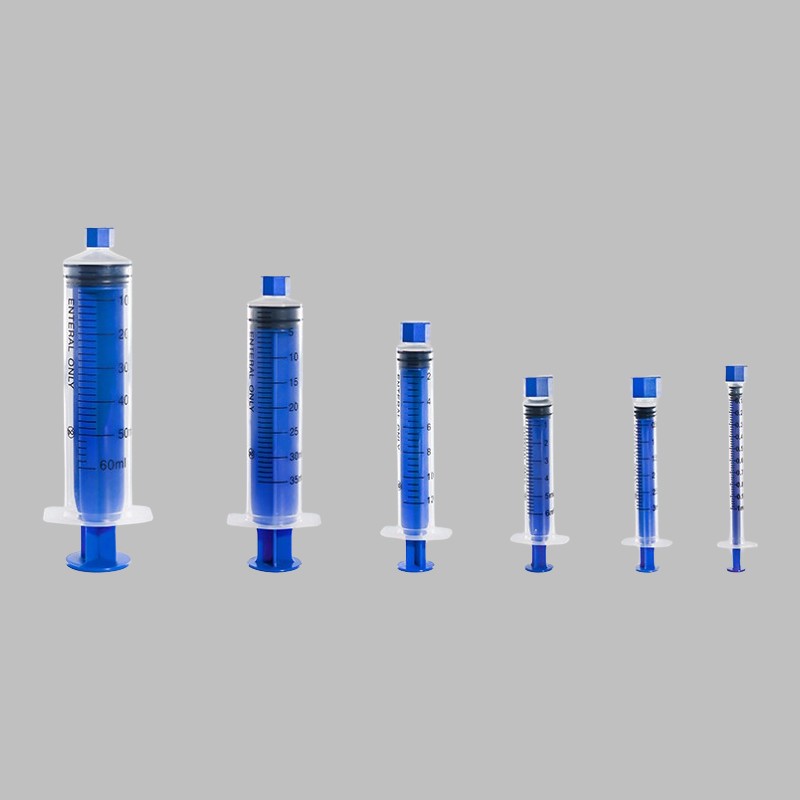
Lelun, the brand of Changzhou Medical Appliances General Factory Co., Ltd., has extensive experience in manufacturing disposable medical devices. The factory includes a purifying workshop. Each day, it produces 4 million syringes and 6 million needles. These plastic syringes serve healthcare providers in countries including the USA, Canada, Germany, UK, Greece, Italy, Austria, France, Morocco, Turkey, Colombia, Venezuela, Mexico, Peru, Libya, Sri Lanka, South Africa, Yemen, and Pakistan.
Lelun holds CE certification and obtained ISO9002 in 2000, and maintains a self-export license. Its products cover a wide range of clinical needs. This makes Lelun a dependable disposable syringe supplier for hospitals and clinics around the world.
Other Chinese makers are also growing. Weigao and Kohope are expanding their capacity steadily. They compete on price while improving quality systems. However, Lelun stands out with extensive know-how and relevant certifications. When you look at the disposable syringe market, think about both global giants and these rising specialists. Each offers different strengths in pricing, customization, and delivery speed.
The disposable syringe market rewards makers who balance size with following rules. BD leads through history and new ideas. Terumo excels in syringes made for insulin. B. Braun covers many clinical needs. Lelun offers low-cost volume with international certifications. Your choice depends on what matters most to you: brand recognition, product specialization, or supply chain flexibility.

Several forces push the disposable syringe market forward each year. An aging global population creates steady demand, as older adults face more chronic illnesses like diabetes and osteoarthritis. These conditions often require regular injections, including hyaluronic acid treatments for joint pain. Meanwhile, mid-income economies continue building healthcare infrastructure, opening new access points for medical supplies. Regulatory mandates also shape the disposable syringe market, standardizing product requirements and driving institutional purchases. Distribution channels evolve too, with e-commerce and direct-to-institution models expanding geographic reach.
Regional demand tells a clear story. Asia Pacific held the largest market share at 47.10% in 2025 and should maintain dominance through 2034. Massive populations in China, India, and Indonesia fuel this growth. Government immunization programs and rising disposable incomes accelerate adoption. North America leads in market value, supported by high healthcare spending and strict regulatory frameworks. Stringent FDA regulations ensure high manufacturing standards and patient safety. These FDA requirements create a compliance-driven environment that encourages safety-engineered devices.
Older adults aged 65 years and older make up 16% of the U.S. population, according to a 2020 Mayo Clinic article. This demographic reality directly influences the disposable syringe market, as this age group proves more susceptible to chronic conditions requiring injectable medications.
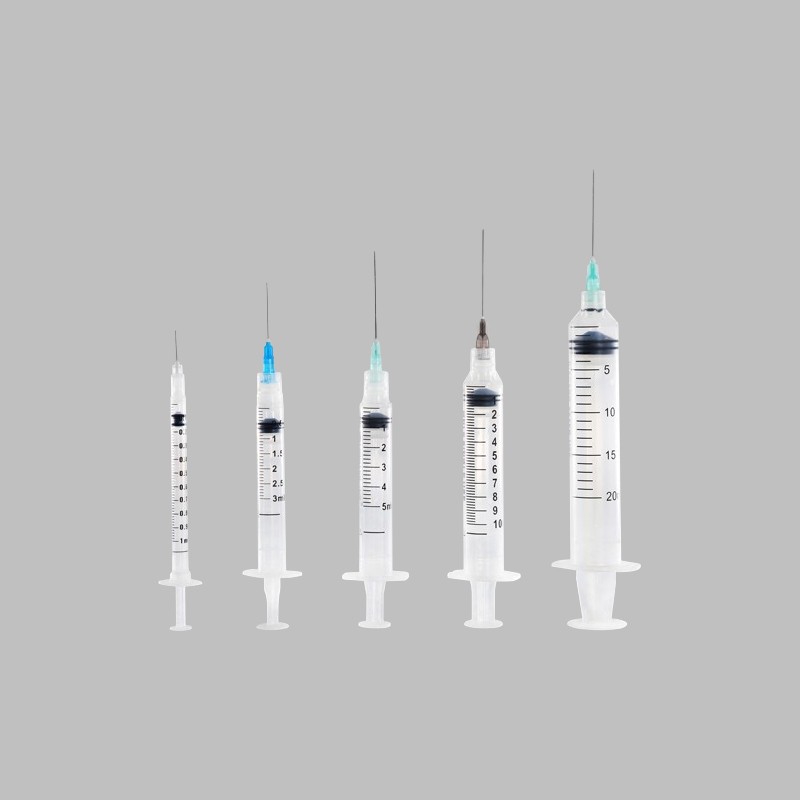
Product innovation focuses on preventing reuse and reducing needle-stick injuries. Auto-disable syringes incorporate an automatic locking mechanism that physically prevents plunger withdrawal after injection. Some models feature retractable needles that withdraw into the barrel. These plastic syringes provide a physical barrier against reuse, eliminating cross-contamination risks. Standard syringes lack these built-in safeguards and depend entirely on proper disposal.
Feature | Auto-disable Syringe | Standard Syringe |
|---|---|---|
Reusability | Impossible after one use | Possible if misused |
Safety Level | Very high | Moderate |
Use Case | Vaccination programs | General injections |
Price | Slightly higher per unit | Lower per unit |
Safety syringes gain traction in North America due to needlestick prevention legislation. Government initiatives promoting safe injection practices amplify demand. Insulin syringes remain essential for diabetes management, with specialized designs like U-40 and U-100 markings. Various syringe types meet specific patient needs. The safety of syringes ultimately depends on both design features and proper usage protocols. When you evaluate suppliers, consider which product segment matches your clinical requirements and regulatory obligations.
Market analysts track the global disposable syringe market with varying estimates due to differences in product definitions. Growth forecasts show steady gains ahead, driven by an aging population, increasing chronic diseases, and expanding vaccination programs.
The Asia-Pacific region is growing faster than other regions. The disposable syringe market there is projected for strong growth due to large populations in China, India, and Indonesia. Government initiatives to modernize medical services further boost demand.
BD is a leading player in the global market. Terumo and B. Braun follow with strong positions in specific areas. Chinese makers like Lelun and Weigao continue gaining ground through lower costs and significant production capacity.
Market Segment | Dominant Players | Key Characteristics |
|---|---|---|
Premium infusion sets | B. Braun, Baxter, BD, Terumo | Advanced safety designs, global certifications |
High-volume OEM/ODM partnerships | Changzhou Medical Appliances General Factory, Shandong Weigao | Proven scale, consistency, export readiness |
Lelun demonstrates strong manufacturing skill with extensive production experience. Its plant holds CE certification. The company ships to numerous countries including the USA, Canada, Germany, and others. These credentials make Lelun a top OEM partner in the industry.
You should know how regulatory rules shape this competitive field. The FDA enforces strict manufacturing requirements for any syringe sold in the United States. Companies must record every production step. They must prove sterilization processes work. They must track each batch from raw materials to finished goods. The FDA checks facilities on a regular basis. These checks keep patients safe. The FDA also reviews product labels and instructions. The FDA requires reports of bad events. The FDA can stop shipments when rules are broken. The FDA approval process takes time and money. Smaller companies often struggle with these demands. Well-known players like BD and Terumo already meet FDA standards. Chinese makers wanting U.S. market access must spend heavily on FDA compliance. This regulatory barrier shapes the disposable syringe market structure. It explains why BD keeps its top spot despite higher prices.
Start by checking the supplier's paperwork. A trustworthy disposable syringe supplier must have relevant quality management certifications, such as the ISO 9002 standard. This global standard sets rules for quality management in medical devices. It covers product consistency, risk management, process validation, and traceability. Unlike general manufacturing standards, it focuses on patient safety at every step, from getting raw materials to final delivery.
ISO 9002 is a Quality Management System standard that focuses on product consistency, risk management, process validation, traceability, customer satisfaction, and regulatory compliance.
You also need to check regional approvals. Look for CE marking for Europe. Lelun holds CE certification and obtained ISO9002 in 2000, demonstrating steady quality across global markets.
Production capacity shows if a supplier can handle your volume needs. Lelun makes 4 million plastic syringes daily and 6 million needles daily. Its facility includes a purifying workshop. This size supports both large hospital networks and growing clinics.
You should check order flexibility and service support. A responsive supplier adjusts to changing healthcare demand without strict contracts. Clear communication reduces procurement mistakes. Ask other healthcare institutions for references. Test plastic syringes in real clinical settings before signing a full contract.
OEM and ODM capabilities matter for customized products. Lelun offers free sample evaluation and professional technical support. The company ships to numerous countries with organized logistics.
The disposable syringe market rewards suppliers who balance cost with reliability. The disposable syringe market also favors those who maintain consistent lead times. The disposable syringe market shows that emergency order handling separates good partners from average ones. The disposable syringe market demands suppliers understand different healthcare environments. The disposable syringe market ultimately values suppliers who deliver quality plastic syringes on schedule. When you evaluate options, consider safety syringes for needlestick prevention. Compare pricing across suppliers, but avoid extremely cheap products that risk inferior quality. A manufacturer with proven scale, full certifications, and responsive service becomes your strategic partner for long-term procurement success.
Top syringe manufacturers combine scale, regulatory compliance, and product specialization. Your choice of a disposable syringe supplier should match your needs for safety features, certification requirements, budget, and delivery reliability. Strong production capabilities, strict inspection procedures, and medical-grade materials ensure syringe safety and performance. OEM customization lets you develop syringes for specific market requirements. An experienced manufacturer reduces supply risks and improves product consistency.
Quality matters at every step. FDA rules demand rigorous documentation and sterilization proof. FDA inspections protect patients. Lelun offers CE certification with extensive expertise. Visit https://www.syringe-china.com or contact sale01@lelun.com for a quote, OEM consultation, or free sample. Benchmark Lelun against other leaders to find your best partner.
Start by checking for ISO 9002 certification. This standard sets quality rules for medical devices. For selling worldwide, look for CE marking for Europe. Lelun holds CE certification and ISO9002, demonstrating steady quality across global markets.
Your volume needs decide the answer. A big hospital network needs millions of units each month. Lelun makes 4 million syringes daily at its plant. Smaller clinics might use distributors instead. Match your order size to a maker's proven capacity to avoid supply delays.
Yes, most established makers offer OEM and ODM services. You can ask for custom packaging, special barrel markings, or unique needle designs. Lelun provides samples for evaluation before you decide. This lets you check product quality in real clinical settings before signing a full contract.
Chinese makers compete on price and production volume. BD is a leading player in the global market. Lelun offers similar quality certifications at lower costs. Your choice depends on whether you value brand recognition or cost savings. Both options deliver reliable products when you check their compliance paperwork.
Reliability means steady product quality, on-time delivery, and clear communication. Check the supplier's history with healthcare groups in your area. Ask for client references and review their export record. A maker with extensive experience and shipments to many countries shows proven supply chain stability.
Whatsapp: +86-13616120206
E-mail: sale01@lelun.com
ADD: HengShanQiao Town, out of East Gate, Changzhou ,Jiangsu, China
Mobile: (+)86-13616120206