





News Categories

When you think of medication tools, you probably imagine bottles, spoons, or standard syringes with needles. But there’s another essential device that plays a huge role in safe and accurate medicine dosing, especially for children, seniors, and pets: the oral syringe. Despite its simple appearance, this tool makes medication administration easier, more precise, and far safer than relying on household spoons or cups.
If you’ve ever wondered what an oral syringe is used for, how it works, and why healthcare providers recommend it, this comprehensive guide will walk you through everything in a clear, conversational way.
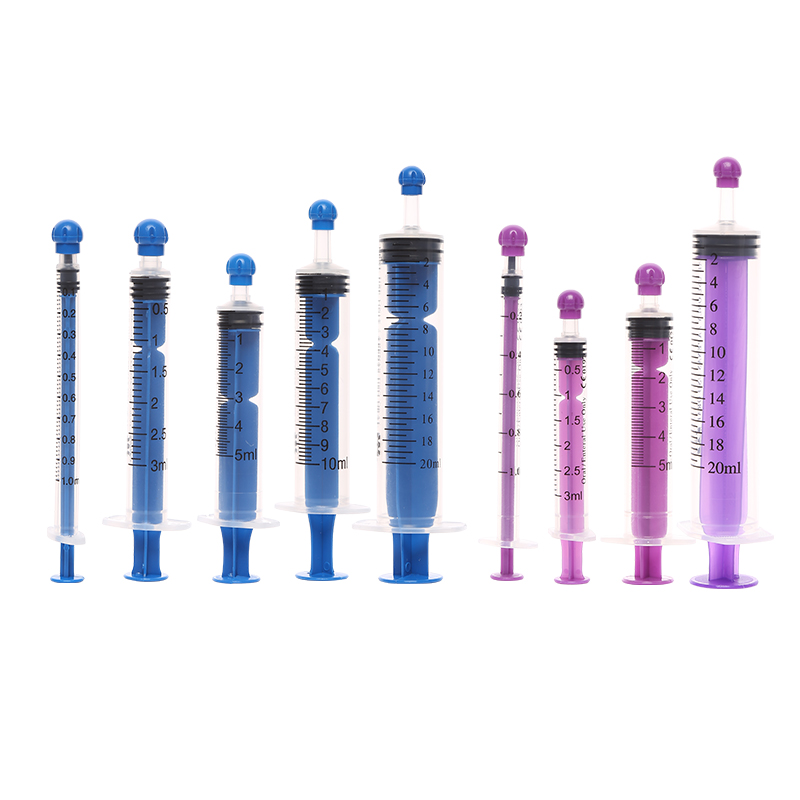
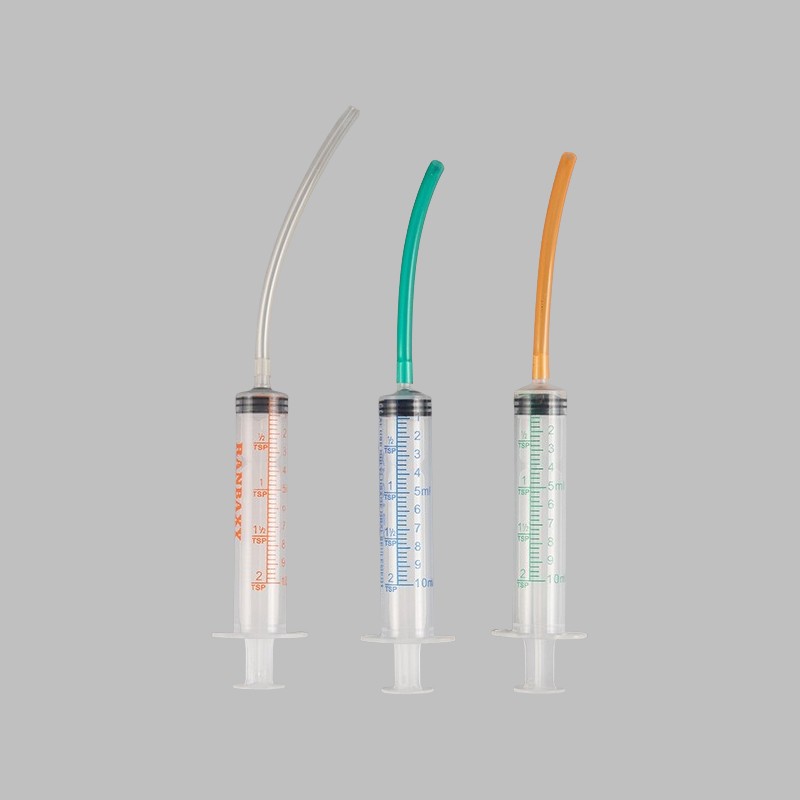
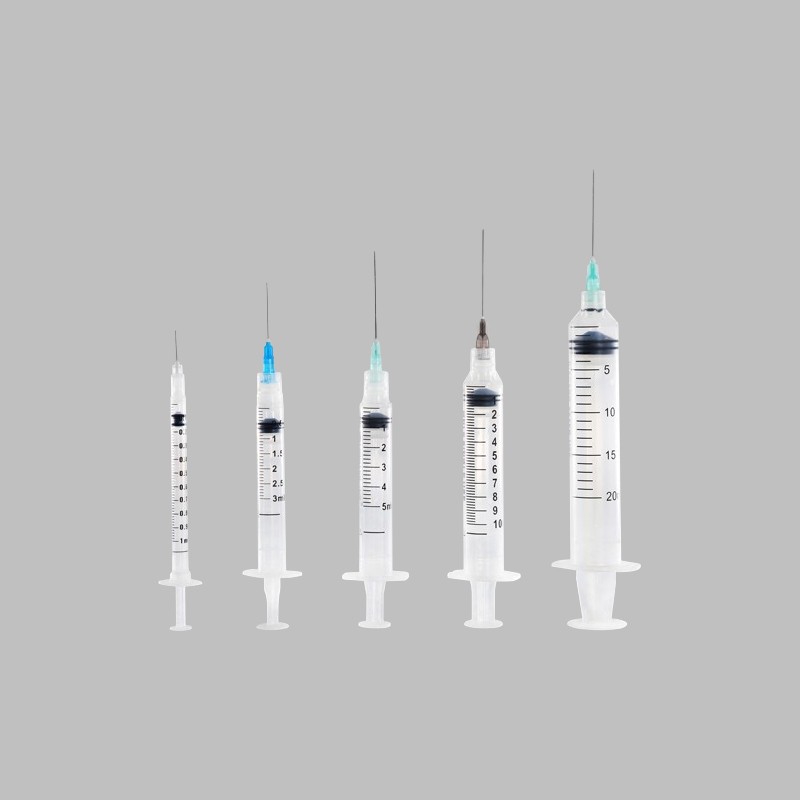
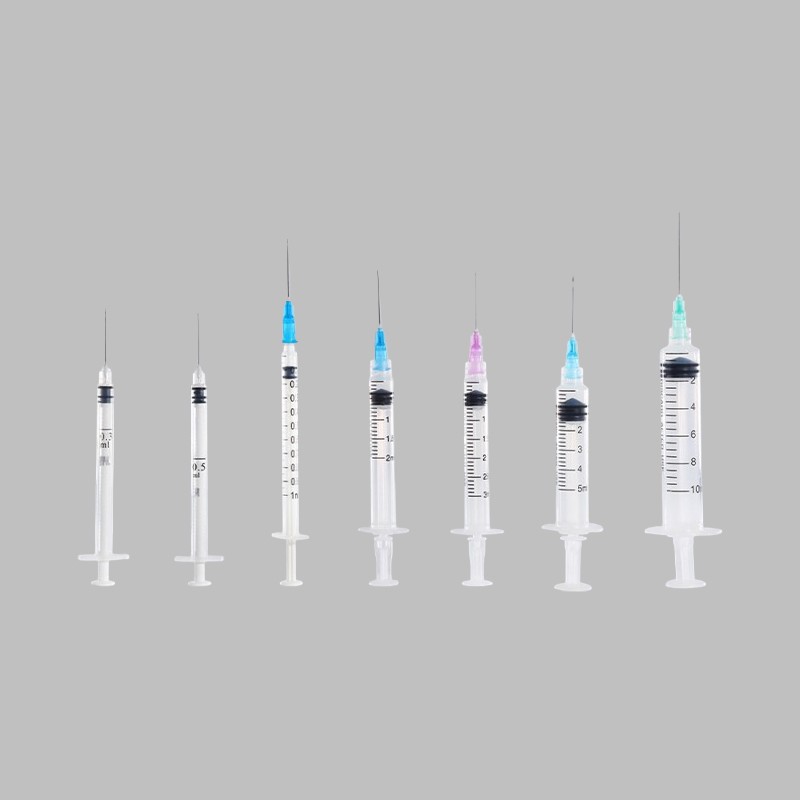
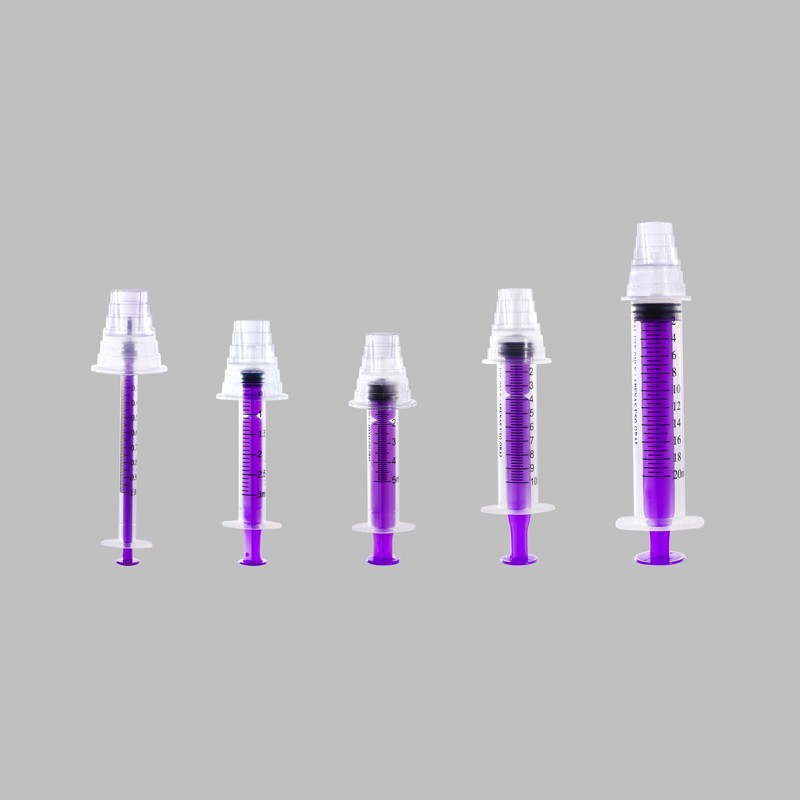
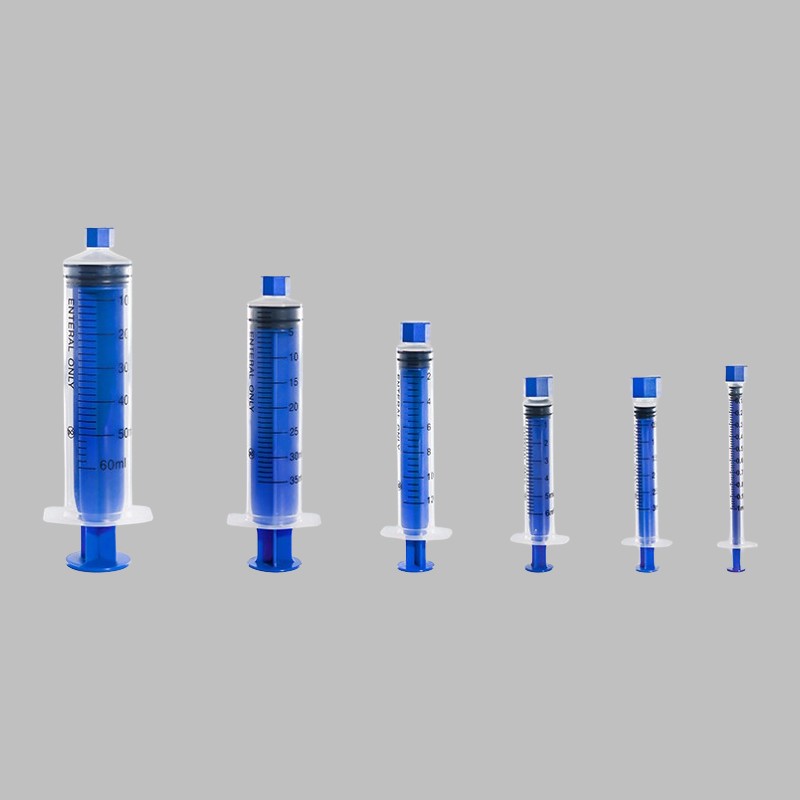
An oral syringe is a small, needle-free device used to measure and deliver liquid medications by mouth. It has a plunger, a barrel with measurement markings, and a tip designed for connection with medication bottles or adapters. Unlike needle syringes, an oral syringe is not used for injections. Instead, it provides an accurate and controlled way to administer liquid medicine directly into the mouth.
Because an oral syringe is designed specifically for oral use, its tip shape, measurement scale, and safety features are different from syringes intended for IV or injection applications. This helps prevent medication errors and keeps patients safe.
Administering liquid medicine may seem easy, but even small mistakes can lead to overdosing or underdosing. Household spoons can vary widely in size and are not reliable for precision dosing. That’s why healthcare professionals recommend using an oral syringe to deliver accurate and consistent doses.
Here are some reasons oral syringes are essential:
They provide exact measurement down to fractions of a milliliter
They prevent spills and leaks when giving medication
They are easy to use for infants, children, and adults with swallowing difficulties
They improve medication compliance
They reduce the risk of dosing errors
Because of these benefits, the oral syringe has become a standard tool in hospitals, pharmacies, veterinary clinics, and home healthcare.
A typical oral syringe contains several simple but important parts:
The transparent tube with measurement markings that holds the medication.
A movable rod that pushes the liquid out of the syringe.
The opening where medication enters and exits. Oral syringes may feature a slip tip or a catheter-style tip designed to work with oral adapters.
The printed markings along the barrel, usually in milliliters, help ensure precise dosing.
A rubber component attached to the plunger that creates a seal inside the barrel, preventing leaks.
Every part of an oral syringe works together to make dosing accurate and easy.
The oral syringe is used in many different medical and home-care situations. Here are the most common and essential uses.
Children often struggle with swallowing tablets, so liquid medication is commonly prescribed. An oral syringe makes it easy for parents to give the correct dose without causing choking or spilling.
Healthcare providers often recommend administering the medicine slowly into the child’s cheek pocket, which is easier with an oral syringe than with a spoon.
Infants cannot drink from a cup or swallow tablets, so an oral syringe becomes essential. It allows caregivers to deliver tiny, precise amounts of:
Infant pain relievers
Vitamin supplements
Fever reducers
Antibiotics
Using an oral syringe also helps avoid aspiration, where liquid accidentally enters the lungs.
Older adults and people with swallowing difficulties (dysphagia) often require medication in liquid form. The oral syringe allows them to take medicine safely without needing to coordinate swallowing a pill.
Oral syringes are widely used in veterinary clinics and homes for administering medications to:
Dogs
Cats
Rabbits
Birds
Small pets
Because animals rarely take medicine willingly, the precise and controlled delivery of an oral syringe makes dosing far easier.
Oral syringes are commonly used for liquid vitamins, nutrient blends, and oral electrolytes. They help caregivers ensure accurate doses, especially in infants and seniors.
Some patients require small, controlled amounts of liquid nutrition instead of full meals. An oral syringe is ideal for delivering these small doses safely.
While not their primary function, oral syringes can also serve as measuring tools in laboratories, pharmacies, and research settings where small, accurate volumes are needed.
Using an oral syringe may seem simple, but proper technique ensures safe and accurate dosing.
Shake the medicine bottle if required and ensure it is well mixed.
Many medicine bottles come with an oral syringe adapter that fits into the bottle opening. This prevents spills and ensures accurate withdrawal.
Pull the plunger slowly until the syringe fills slightly above the required dose.
Tap the syringe gently and push the plunger to remove any air pockets.
Align the top of the plunger stopper with the exact measurement marking.
Place the syringe tip gently inside the patient’s cheek pocket and press the plunger slowly.
This method prevents choking, gagging, and discomfort.
Why do doctors and pharmacists strongly recommend using an oral syringe instead of spoons or cups? Here are the main advantages.
The detailed measurement markings make it possible to deliver the exact amount needed.
Even new caregivers find oral syringes straightforward.
The clear marking system helps prevent both over- and under-dosing.
The tight seal prevents leaks even when administering thick or sticky medicines.
You can give the medicine slowly, making it ideal for infants, children, seniors, and pets.
Because syringes are disposable or reusable depending on type, they help maintain good sanitation.
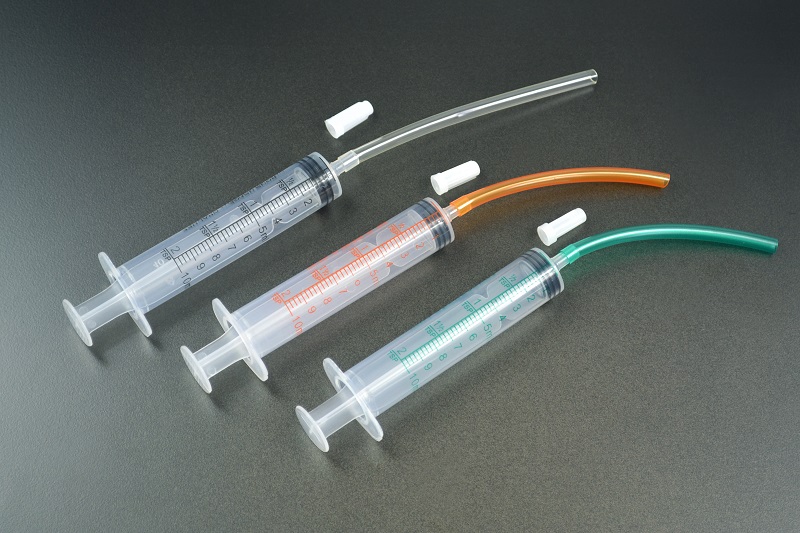
Not all oral syringes are the same. Different situations call for different designs.
Single-use syringes made of medical-grade plastic. These are common in clinics and hospitals.
Used mainly at home or in veterinary settings. They can be washed and disinfected.
These have a smooth tip where the medication is drawn in easily.
These have a longer, wider tip for thicker liquids or nutritional feeding.
Designed with special colors or tip styles to prevent mix-ups with injection syringes.
Oral syringes are used across many environments, including:
Hospitals
Pharmacies
Pediatric clinics
Nursing homes
Emergency care centers
Veterinary practices
Home-care settings
Their versatility makes them a universal medical tool.
Even though oral syringes are simple, mistakes can happen. Here are the most common ones:
Taking a dose at eye level ensures accuracy.
Pressing the plunger slowly prevents choking.
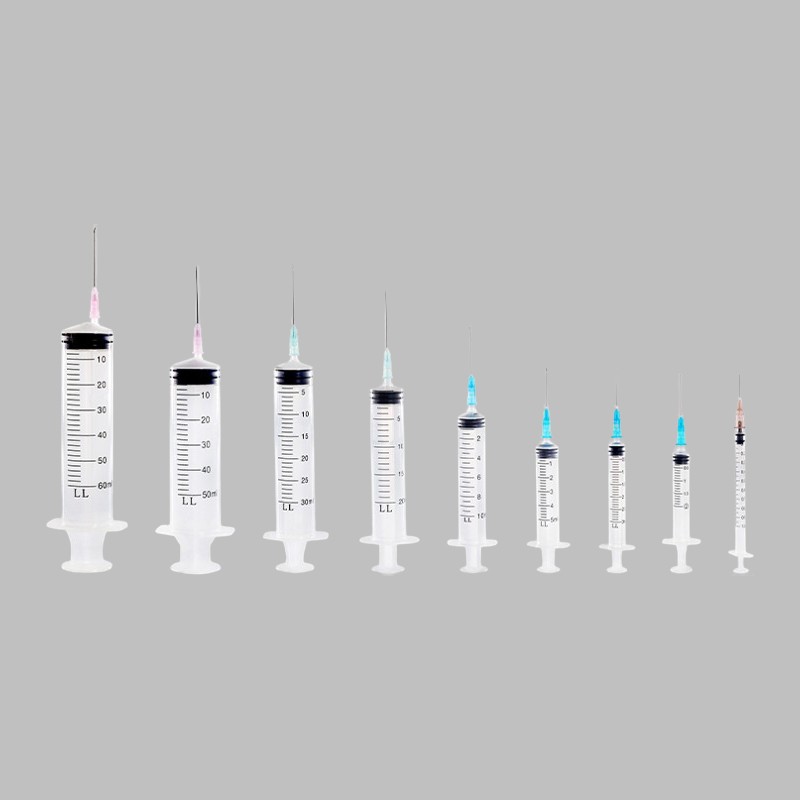
Always use an oral syringe, not an injection syringe.
Single-use syringes should be discarded after use.
Reusable syringes must be washed thoroughly to prevent bacterial growth.
Disposable oral syringes should be used only once for safety. Reusable oral syringes, on the other hand, can last days or weeks depending on:
Frequency of use
Cleaning habits
Type of liquid medication
Always follow instructions from healthcare providers.
Proper storage ensures hygiene and reduces contamination risks.
Keep them in a clean, dry place
Avoid exposing them to excessive heat
Store them away from children
Keep them in a sealed bag if used for multiple doses
The oral syringe plays a surprisingly big role in patient comfort and treatment success. Accurate dosing enhances medication effectiveness. Controlled delivery improves comfort. Reduced errors lead to safer outcomes. These small advantages add up, making oral syringes a preferred tool across the healthcare industry.
As medical technology evolves, so do oral syringes. Expect to see innovations such as:
Child-resistant safety systems
Anti-tampering features
Color-coded dosing scales
Ergonomic plungers
Enhanced bottle adapters
These improvements will make medication administration even easier and safer.
The oral syringe is a simple but incredibly valuable tool used across hospitals, clinics, pharmacies, and homes. Whether administering medication to an infant, helping an elderly patient, or giving medicine to a pet, oral syringes provide precise, controlled, and safe dosing.
Their accuracy, ease of use, and versatility make them essential in modern healthcare. By understanding how they work and how to use them properly, patients and caregivers can ensure safer and more effective medication delivery.
FAQ
What is oral syringe?
Oral syringe is one of disposable syringe,it is consist of barrel,plunger,gasket and cap.
There are different packages for it,PE packaging,blister packaging and bulk packaging.
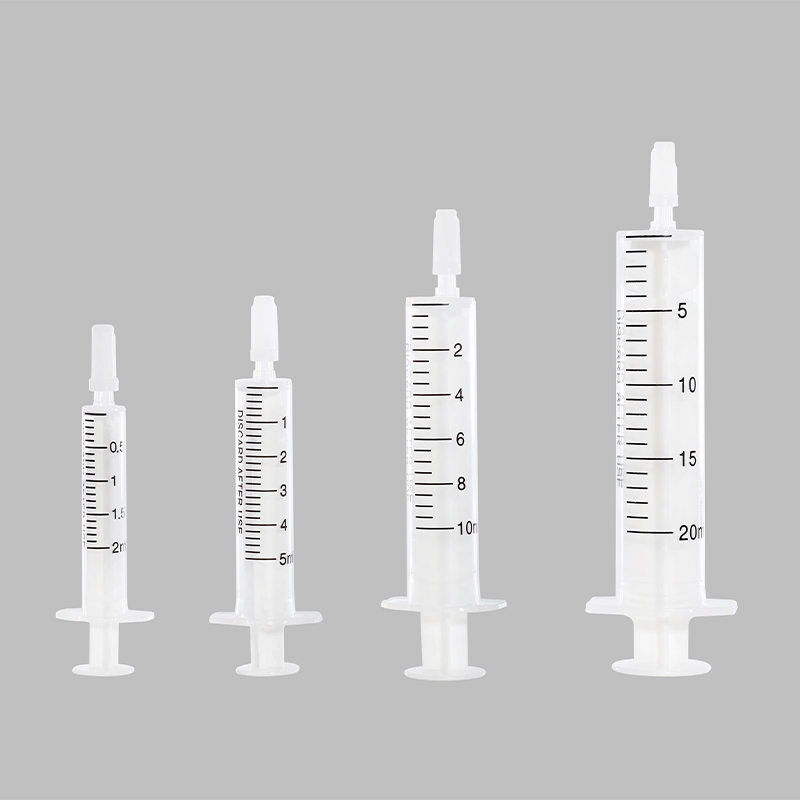
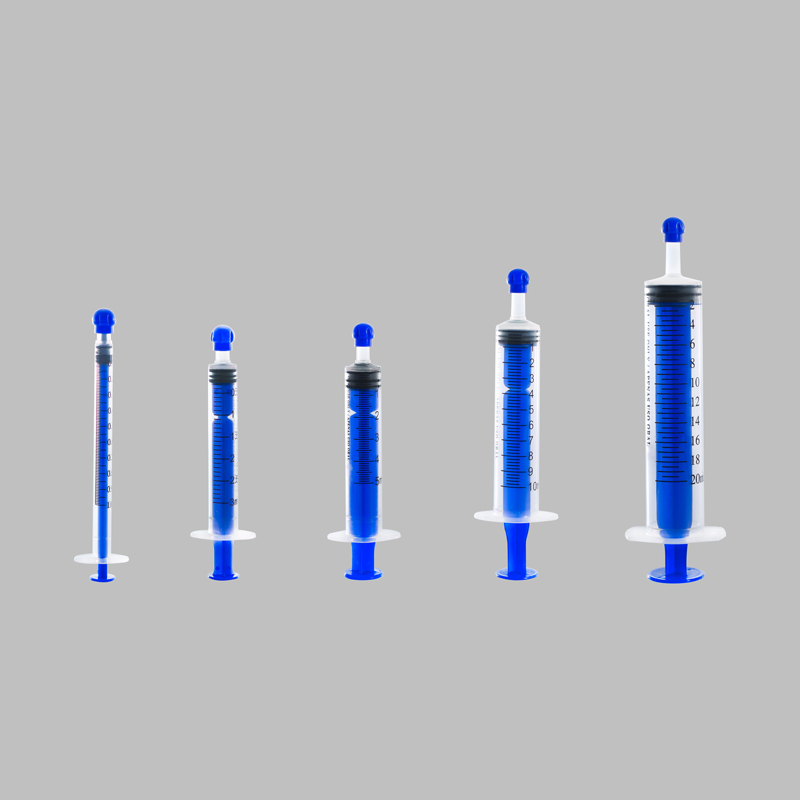
What kinds of oral syringe do we have ?
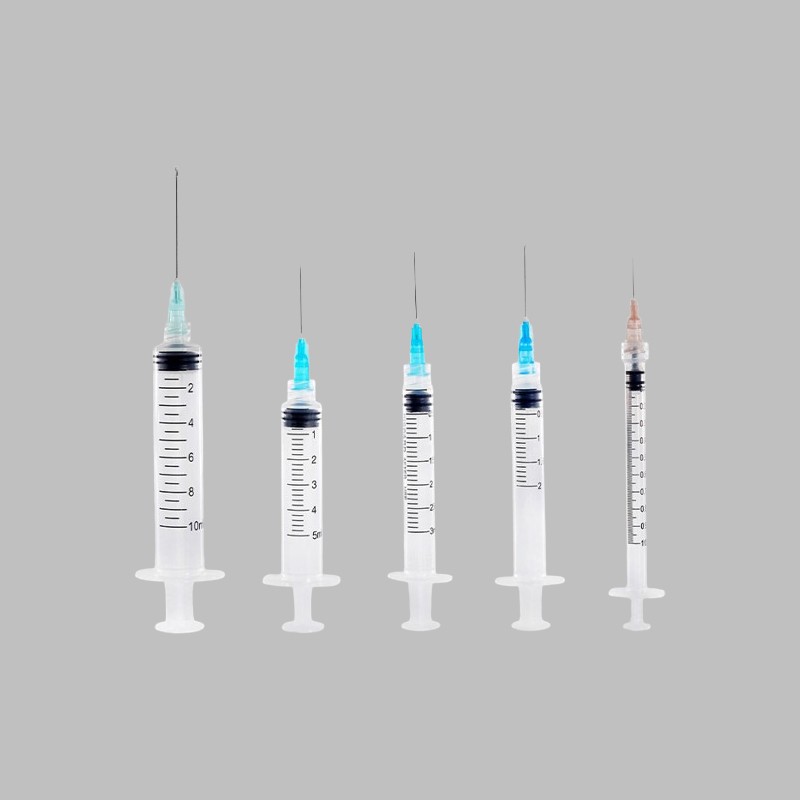
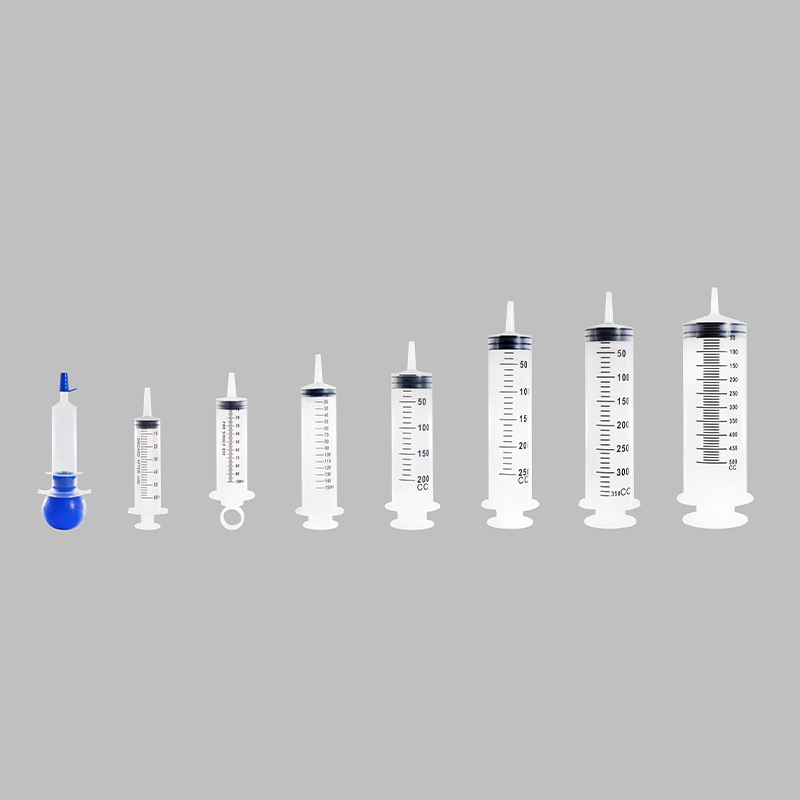
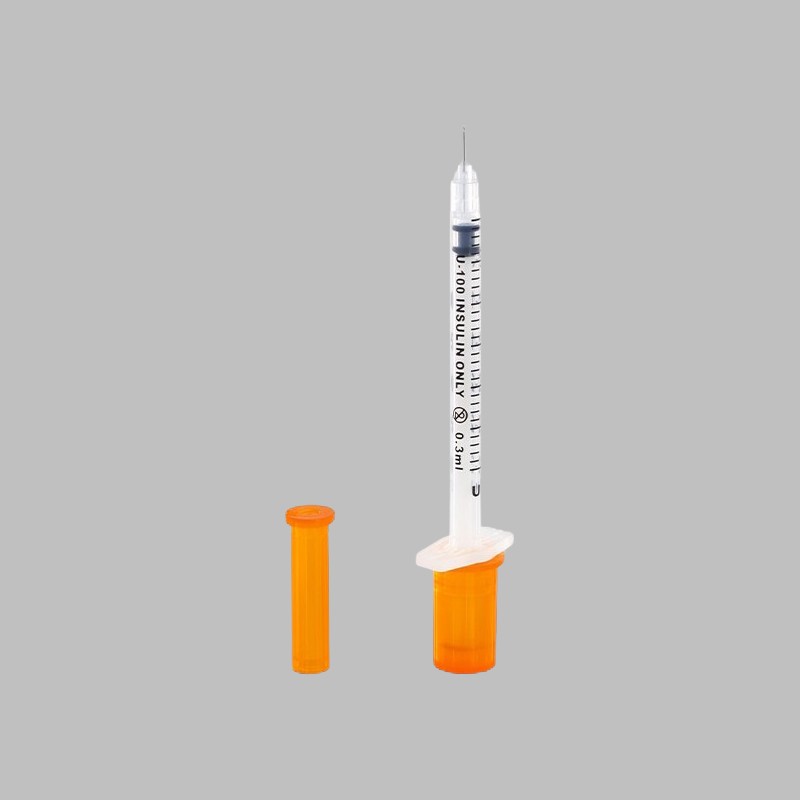
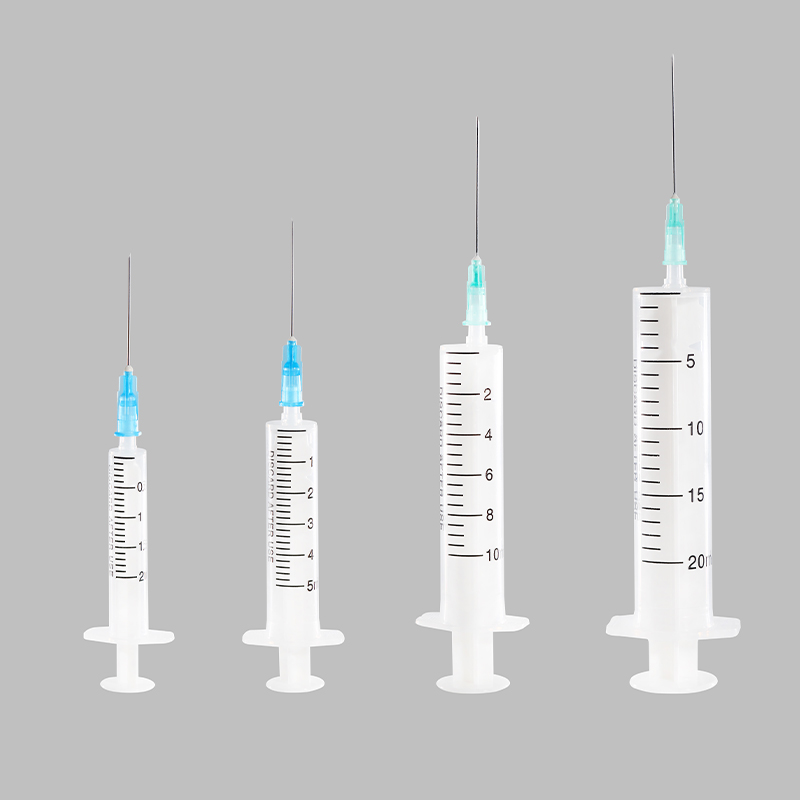
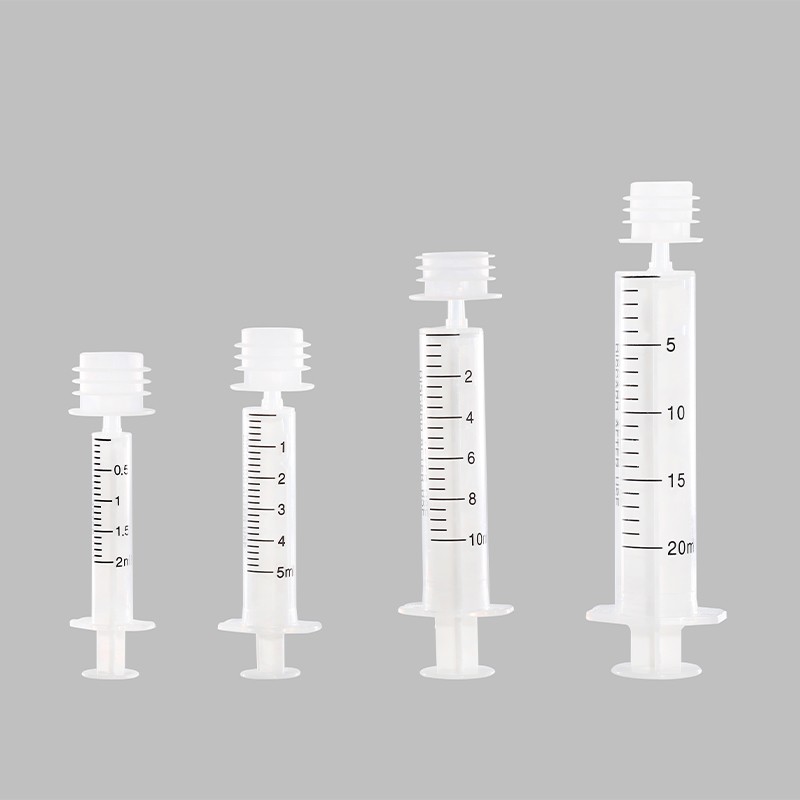
We have 3 kinds of oral syringe.2-part syringe,3-part syringe and syringe with cap.
They are as following:
What is oral syringe used for?
The oral syringe often used to feeding food or medicine for pets,children or patients.
How to use oral syringe?
1. Open the packaging and remove the protective cover.
2. Slowly pull up the plunger and inhale the required liquid medicine or liquid food.
3. Push the plunger, then the medicine or food will be sent to peoples' or pets' mouth.
4.Put the cap on the syringe mouth and throw it into the trash can.
Can oral syringe be resued?
We generally do not recommend this action, but if the customer requires it, an oral syringe can only be used up to 15 times for the same person or animal.
Whatsapp: +86-13616120206
E-mail: [email protected]
ADD: HengShanQiao Town, out of East Gate, Changzhou ,Jiangsu, China
Mobile: (+)86-13616120206