






News Categories


Choosing between Luer Lock and Luer Slip syringes is an important consideration for medical device distributors, healthcare procurement teams, and medical consumables buyers. Although both designs are widely used in disposable syringes, they differ in how the needle or compatible connector attaches to the syringe tip.
A Luer Lock syringe uses a threaded locking mechanism to secure a compatible connector, while a Luer Slip syringe relies on a friction-fit connection. The right option depends on the intended application, connector compatibility, required connection security, and the specifications of the complete device assembly.
For buyers sourcing disposable syringes in bulk, understanding these differences helps simplify product selection, reduce compatibility issues, and ensure that the selected products meet the requirements of their target market.
Luer Lock syringes: Use a threaded connection designed to help secure a compatible needle or connector.
Luer Slip syringes: Use a push-on, friction-fit connection that allows straightforward attachment and removal.
Connection compatibility: Both designs must be matched with compatible needles, tubing, or other medical device components.
Product selection: Intended use, syringe capacity, needle configuration, packaging, sterilization, and applicable regulatory requirements should all be considered.
Bulk procurement: Buyers should verify product specifications, documentation, available configurations, and supply requirements before placing an order.
The main difference between Luer Lock and Luer Slip syringes is their connection mechanism.
A Luer Lock syringe has a threaded locking feature around the syringe tip. A compatible needle or connector is attached and secured through the corresponding locking mechanism. This design helps reduce the risk of accidental disconnection when correctly assembled and used as intended.
A Luer Slip syringe has a smooth tip designed for a compatible push-on connector. The needle or connector is fitted over the syringe tip and held in place by friction. This design allows quick attachment and removal without a threaded locking step.
Neither design is universally suitable for every procedure or medical device. Selection should be based on the intended application, the mating connector, and the manufacturer's instructions.
The following table summarizes the main differences for product selection and procurement.
| Comparison Factor | Luer Lock Syringe | Luer Slip Syringe |
|---|---|---|
| Connection mechanism | Threaded locking connection | Push-on friction-fit connection |
| Attachment method | Attach and secure the compatible connector using the locking feature | Push the compatible connector onto the syringe tip |
| Connection security | Designed to help reduce accidental disconnection when correctly assembled | Relies on a suitable friction fit between compatible components |
| Attachment process | Requires correct alignment and engagement of the locking mechanism | Generally straightforward to attach and remove |
| Connector compatibility | Must match the corresponding compatible locking connector | Must match the corresponding compatible slip connector |
| Product configurations | Availability of needle and capacity options depends on the model | Availability of needle and capacity options depends on the model |
| Procurement considerations | Verify connector compatibility, intended use, and performance requirements | Verify connector compatibility, intended use, and retention requirements |
| Typical selection priority | Applications requiring a compatible locking connection | Applications where a compatible friction-fit connection meets the requirements |
The table describes general design differences rather than guaranteeing the performance of every syringe. Actual performance depends on the specific product, connector, assembly, and conditions of use.
Luer Lock syringes are designed with a threaded connection that secures a compatible needle or connector.
Key advantages include:
A locking connection: The threaded mechanism helps reduce the likelihood of accidental separation when properly assembled.
Connection security: The design may be preferred when the intended application requires a locking connection and the complete assembly has been verified for that use.
A defined attachment mechanism: The locking feature provides a clear method for securing a compatible connector.
Important considerations:
The needle or connector must have a compatible locking interface.
The locking mechanism must be correctly engaged before use.
A Luer Lock connection alone does not establish suitability for high-pressure injection, infusion, or every clinical application.
Buyers should confirm the applicable pressure limits, connector specifications, and instructions for use where relevant.
For procurement teams, Luer Lock syringes may be a suitable choice when the required application specifies a compatible locking connection.
Luer Slip syringes use a smooth syringe tip that accepts a compatible push-on needle or connector. The connection relies on friction between the mating components rather than a threaded locking mechanism.
Key advantages include:
Straightforward attachment: A compatible connector can be fitted without engaging a threaded lock.
Simple handling: The push-on connection provides a direct attachment method.
Practical product selection: It can meet requirements where a compatible friction-fit connection is specified for the intended application.
Important considerations:
The connector must fit the syringe tip correctly.
The connection relies on the friction fit and should be used only as directed by the manufacturer.
A Luer Slip syringe should not be substituted for a Luer Lock syringe when the intended application requires a locking connection.
Buyers should verify connector compatibility and applicable performance requirements before ordering.
Luer Slip syringes may be appropriate when the application and compatible components are designed for a friction-fit connection.
The right syringe connection should be selected according to the requirements of the complete medical device assembly rather than connection type alone.
Start by defining how the syringe will be used and what it will connect to. Different applications may specify different connection designs, performance requirements, and device configurations.
Do not assume that one connection type is appropriate for every injection, infusion, or other medical procedure.
Check whether the needle, tubing, or other component is designed for a Luer Lock or Luer Slip connection.
A syringe should not be selected solely because its tip appears to fit a connector. Confirm the intended compatibility and follow the instructions provided by the relevant device manufacturers.
Determine whether the application requires a locking connection or whether a friction-fit connection is appropriate.
Where pressure, leakage, or connection retention is important, review the technical specifications and applicable verification data for the complete assembly. A locking mechanism alone does not guarantee performance under every operating condition.
Choose the capacity according to the intended use and required measurement range.
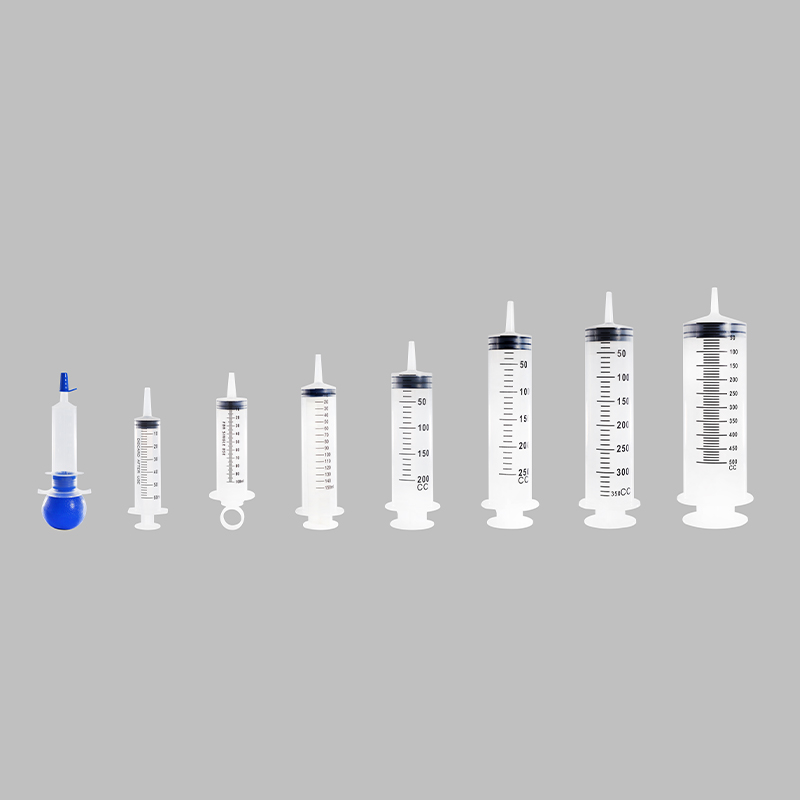
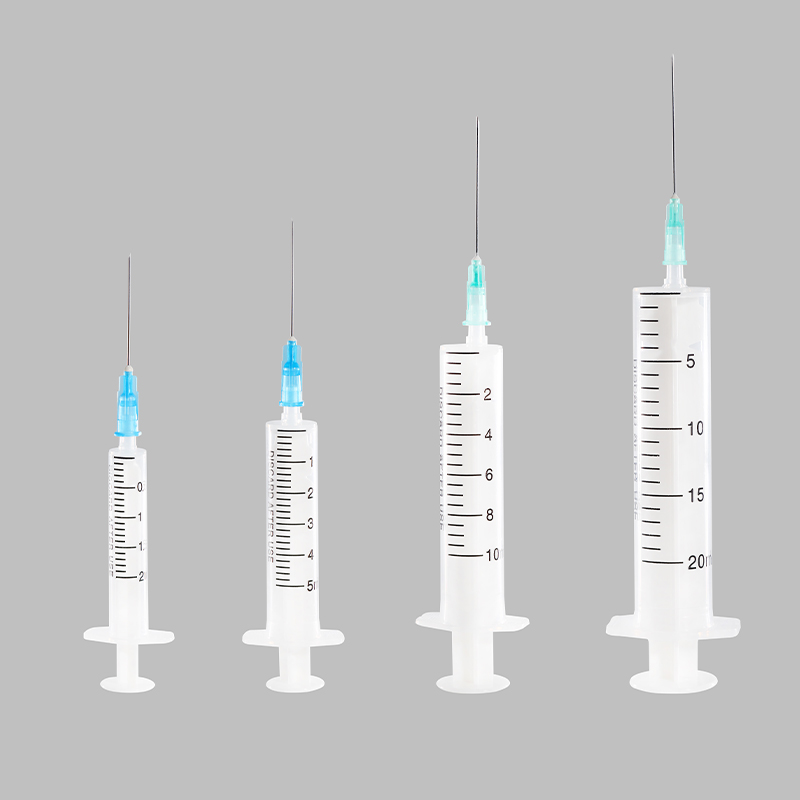
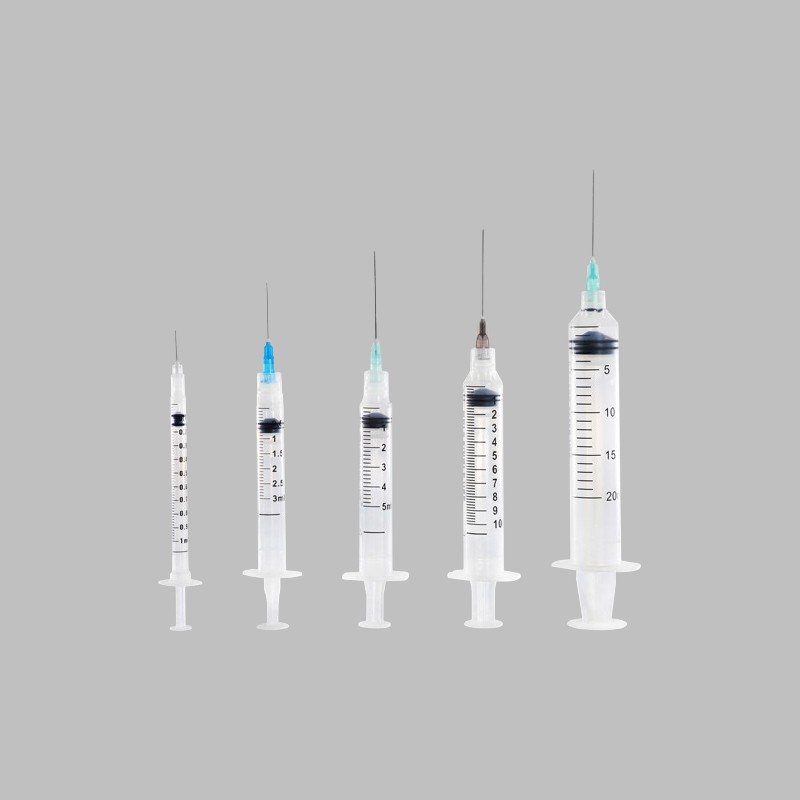
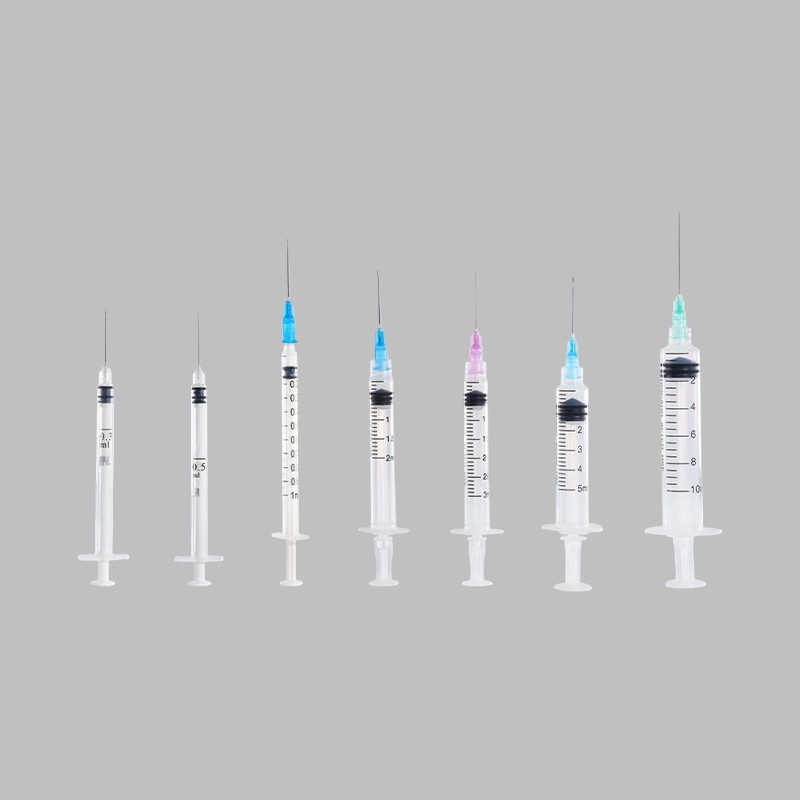
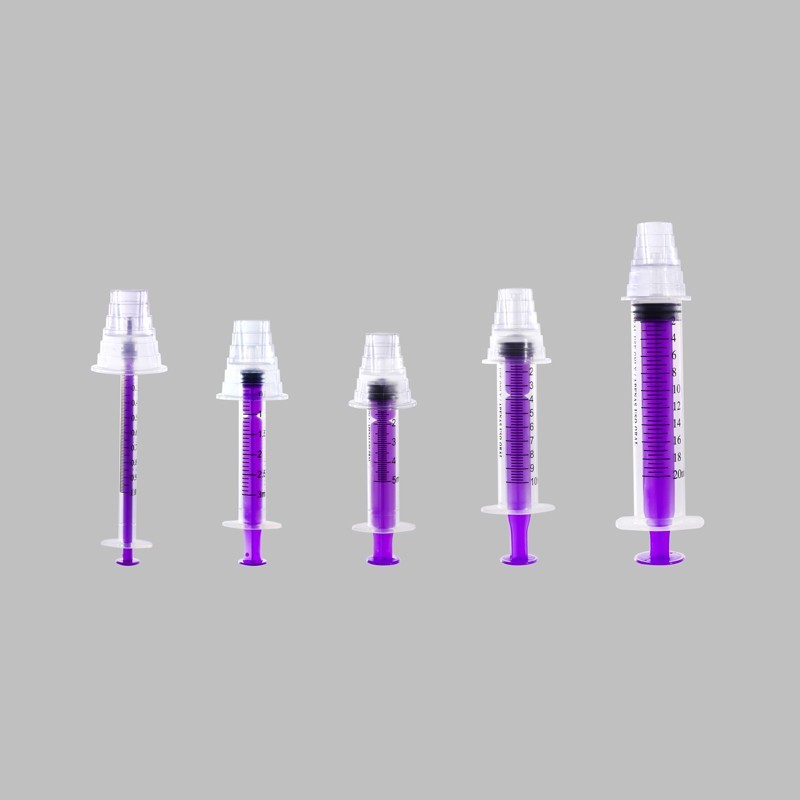
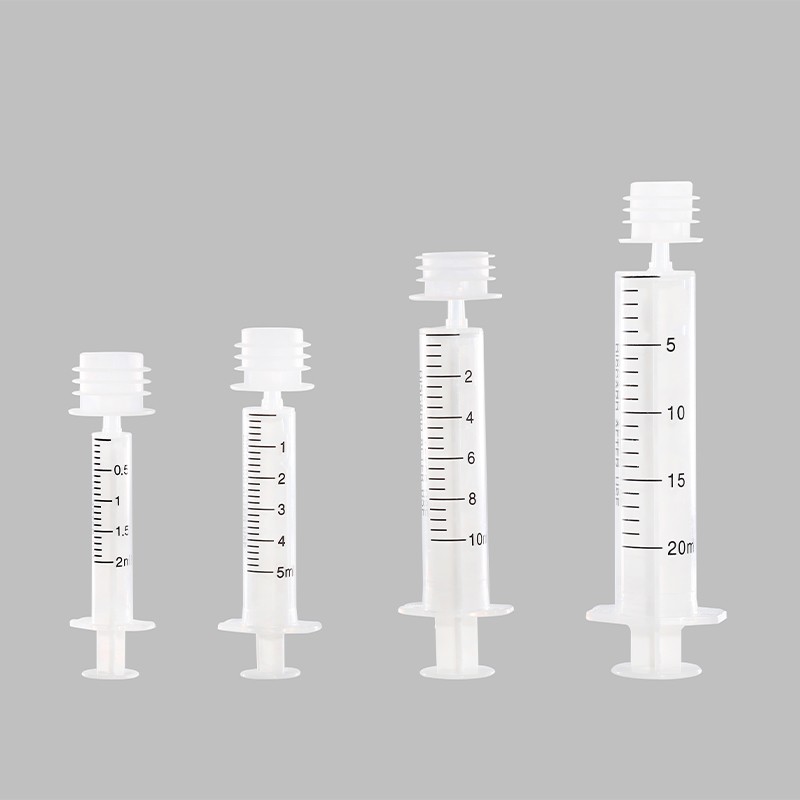
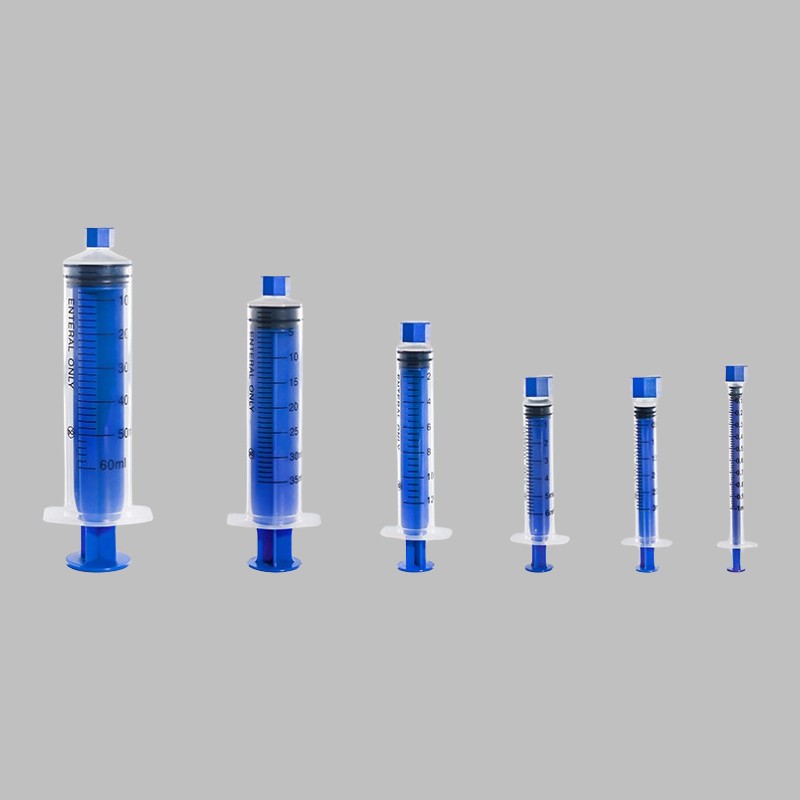
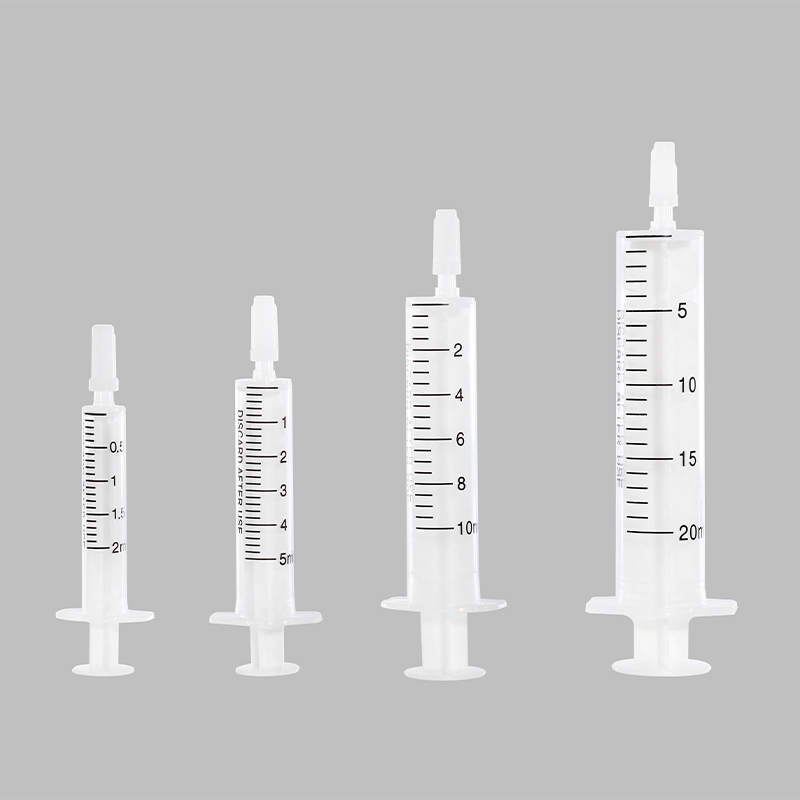
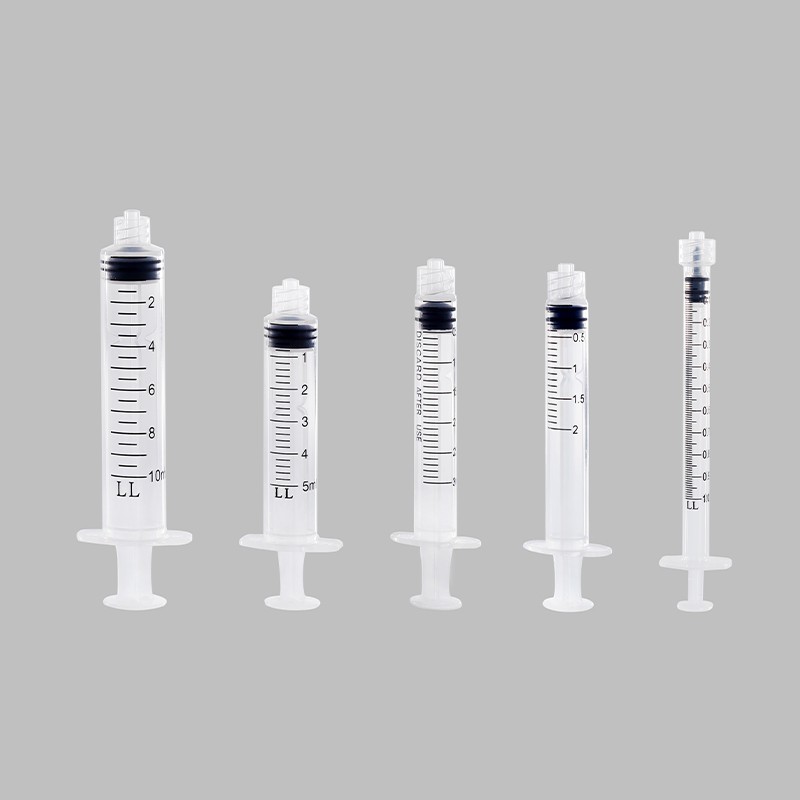
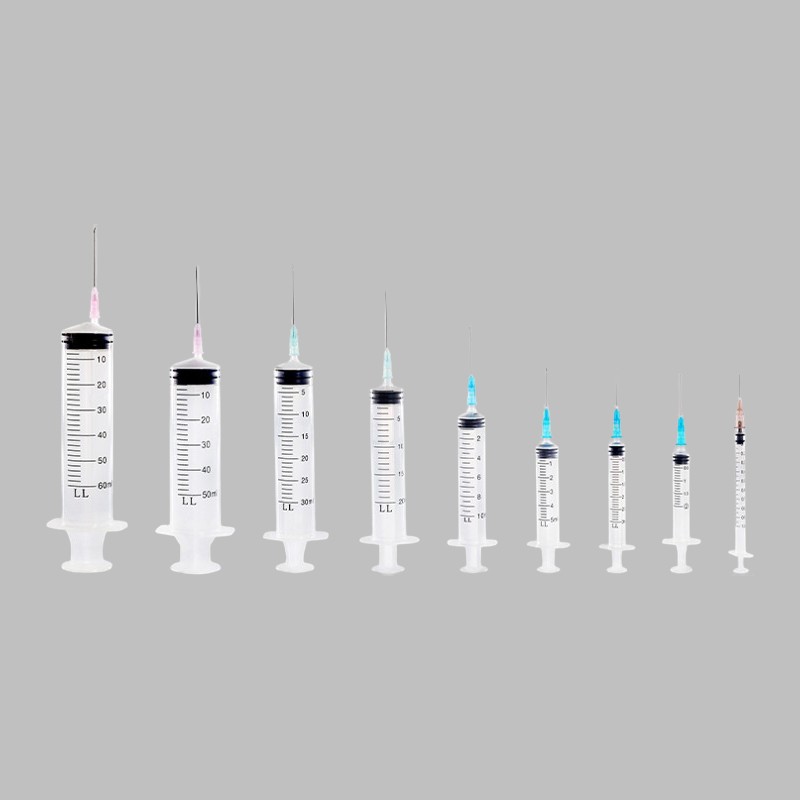
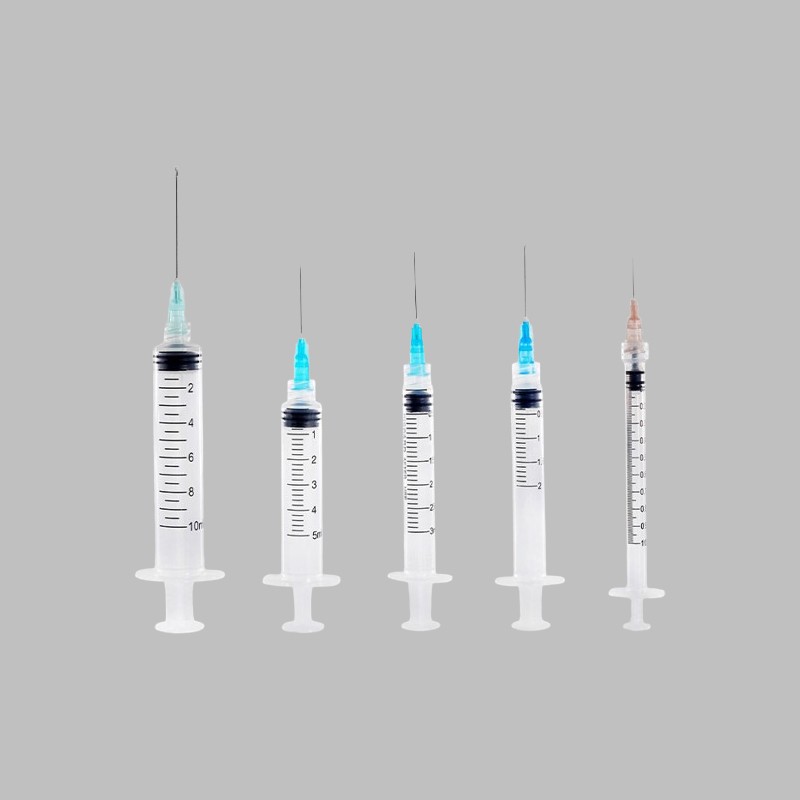
Depending on the product range, disposable syringes may be available in capacities such as 1 mL, 3 mL, 5 mL, 10 mL, 20 mL, or larger sizes. Actual availability varies by model and supplier.
Also confirm the graduation scale, barrel design, plunger configuration, and other required features.
Determine whether you require a syringe with a needle or without a needle. If a needle is required, verify the specified needle dimensions and compatibility.
For bulk procurement, also confirm material requirements, latex-related specifications where relevant, sterilization method, packaging format, and labeling requirements.
Before placing an order, request the documentation relevant to the product and destination market.
Depending on the product, this may include technical specifications, applicable conformity documentation, sterilization information, packaging details, and shelf-life information.
The documents should correspond to the actual model being purchased rather than being assumed to apply to every product offered by the supplier.
Syringe capacity is an important procurement factor, but it should be considered separately from the connection type. A Luer Lock or Luer Slip design does not, by itself, determine the available capacity or needle configuration.
When evaluating disposable syringe options, buyers should confirm the following details.
| Specification | What Buyers Should Confirm |
|---|---|
| Syringe capacity | Required volume and available model range |
| Connection type | Luer Lock or Luer Slip |
| Needle configuration | With needle or without needle |
| Needle specifications | Required dimensions and compatibility, where applicable |
| Barrel and plunger | Materials, design, and required performance characteristics |
| Graduation | Scale, readability, and measurement requirements |
| Sterilization | Available method and supporting product documentation |
| Packaging | Individual or bulk packaging, as applicable |
| Shelf life | The validated shelf life for the specific product and packaging |
| Regulatory documentation | Documentation applicable to the product and destination market |
Not every configuration is necessarily available across all capacities. Buyers should confirm the exact model and options with the supplier before finalizing specifications.
For distributors, importers, medical supply companies, and healthcare procurement teams, choosing the right connection is only one part of the purchasing process.
A reliable procurement decision should consider product suitability, documentation, supply capability, and the requirements of the target market.
Request a product specification sheet for the exact model. Confirm the syringe capacity, tip design, needle configuration, materials, graduation, packaging, and other requirements.
If multiple models are being purchased, check that the specifications and documentation clearly distinguish each configuration.
Review the supplier's quality management information and the documentation applicable to the product.
For example, ISO 13485 relates to quality management systems for medical devices, while product-specific conformity requirements depend on the product and the market in which it will be sold. Do not treat a company-level certification as proof that every product meets every regulatory requirement.
Where applicable, request current documents and verify their scope, validity, and relevance to the product being ordered.
If sterile syringes are required, confirm the sterilization method, sterile barrier packaging, labeling, and relevant validation or product documentation.
Do not assume that every model uses the same sterilization method or has the same shelf life. These details should be verified for the specific product and packaging configuration.
For bulk orders, confirm the minimum order quantity (MOQ), available production or supply capacity, sample availability, lead time, packaging options, and shipping arrangements.
If customization is required, clarify which product features can be customized and whether additional validation, testing, or documentation will be necessary.
Medical device requirements vary by destination market and product classification. Buyers should identify the applicable requirements before purchasing and ensure that the supplier can provide the relevant product documentation.
A supplier's ability to provide accurate technical information and respond to documentation requests is an important part of the procurement evaluation.
The main difference is the connection mechanism. Luer Lock syringes use a threaded locking feature to secure a compatible connector, while Luer Slip syringes use a push-on friction-fit connection. The appropriate option depends on the intended application and connector compatibility.
Not automatically. The two designs use different attachment mechanisms, and a syringe should only be connected to components designed to be compatible with it. Always verify the product specifications and the manufacturer's instructions before selecting or substituting a syringe.
Not in every situation. A Luer Lock connection is designed to provide a locking attachment, which may help reduce accidental disconnection when correctly assembled. However, overall safety also depends on the device design, connector compatibility, intended application, correct use, and applicable performance requirements.
A Luer Lock connection alone does not establish that a syringe is suitable for high-pressure use. Buyers must confirm that the specific syringe, connector, and complete assembly are designed and approved for the intended pressure conditions. Follow the relevant device instructions and technical specifications.
Available sizes depend on the supplier's product range. Common disposable syringe capacities may include 1 mL, 3 mL, 5 mL, 10 mL, 20 mL, and larger sizes. Buyers should check the exact models available with the required connection and needle configuration.
Both configurations may be available, depending on the product range. When requesting a quotation, specify whether a needle is required and provide the required needle dimensions and other configuration details. Confirm availability for the exact syringe model.
Depending on the product and destination market, buyers may need technical specifications, applicable conformity documents, quality management information, sterilization and packaging documentation, labeling details, and shelf-life information. Confirm that the documents apply to the specific model being purchased.
Provide the required connection type, syringe capacity, needle configuration, quantity, packaging preferences, destination market, and any applicable technical or regulatory requirements. This information helps the supplier identify suitable products and prepare a more accurate quotation.
Luer Lock and Luer Slip syringes differ primarily in how they attach to compatible needles or connectors. Luer Lock designs use a threaded locking mechanism, while Luer Slip designs use a friction-fit connection.
Neither option is universally best for every application. The correct choice depends on the intended use, connector compatibility, connection and performance requirements, available configurations, and applicable product documentation.
For medical consumables distributors and bulk buyers, the next step is to compare the specifications of the actual products under consideration and confirm that they meet the requirements of the target market.
Request a Disposable Syringe Quotation
If you are sourcing disposable Luer Lock or Luer Slip syringes for distribution or bulk procurement, contact Changzhou Medical Appliances General Factory Co., Ltd. with your required capacity, connection type, needle configuration, quantity, and destination market.
The supplier can then help you review available configurations and the relevant product information for your purchasing requirements.



Whatsapp: +86-13616120206
E-mail: sale01@lelun.com
ADD: HengShanQiao Town, out of East Gate, Changzhou ,Jiangsu, China
Mobile: (+)86-13616120206