






News Categories

You fill the syringe with a dose, put on the needle, and stop. Will that connection hold when pressure builds? The joint between the syringe and needle matters more than most clinicians know.
This post covers five key advantages of a luer lock syringe with needle: a secure connection, reliable leak prevention, enhanced safety, accurate dosage, and versatility. Each one affects your daily work with a luer lock syringe.
A luer lock syringe twists the needle into place for a strong hold that resists loosening under pressure.
The tight seal stops leaks and keeps your full medicine dose clean.
Easy-to-read markings and a plunger that moves smoothly help you measure and give the right dose every time.
The Lelun Disposable Luer Lock Syringe with Needle comes from Changzhou Medical Appliances General Factory Co., Ltd. , and it has a luer lock tip. This tip holds needles and other luer lock devices tightly in place. The company has 36 years of manufacturing experience in every unit, and healthcare providers in more than 60 countries trust its products.
A luer lock syringe has a twist-and-lock tip. You push the needle on and turn it clockwise. The threads pull the needle into the collar and keep it there. This twist-lock design makes a tight locking system that resists loosening during use.
The table below shows how the two common connection types compare.
Feature | Luer Lock (threaded) | Luer Slip (push-on) |
|---|---|---|
Locking mechanism | Threaded collar; needle twisted into place | No lock; friction only |
Retention | Strong grip; resists detachment | Can loosen under movement |
Pressure tolerance | Handles high pressure well | Joint can burst under high pressure |
Luer slip connections still work well for quick, low-pressure tasks. Pick the style that fits your procedure.
A secure connection protects your dose and your patient. The threaded collar gives you a more secure connection than friction alone. You get a strong connection that stays put when you inject thick medication or push against resistance. A loose needle wastes fluid and disrupts the procedure.
This secure connection also helps with safety. A needle that stays locked tightly lowers the chance of a splash or a needlestick during a busy shift. Many clinicians choose luer lock syringes when detachment risk must stay low. That reliability explains why luer lock syringes remain a standard choice in hospitals, labs, and research facilities.
The threaded collar on a luer lock syringe does more than hold the needle in place. It also seals the gap between the tip and the hub. When you twist the needle on, the two surfaces press tightly together. That snug fit creates a strong seal along the joint.
A good seal keeps fluid inside the barrel and out of the air. You lose less medication during transfer and injection. Every drop stays where it should, so your dose stays complete. This leak prevention matters most when you work with small amounts or expensive solutions.
Leak prevention also keeps the workspace clean. A joint that stays closed stops leaks and spills during fluid transfer. You spend less time wiping up surfaces and more time on your task. Cleaner procedures happen naturally as a result.
Medical facilities, laboratories, and research facilities all gain from this reliability. Staff in these places handle fluids under pressure every day. Luer lock syringes give them a joint that holds firm. You get no leakage at the needle hub and none at the tip. That consistency supports safety and keeps samples intact. Many teams pick luer lock syringes for this exact reason.
A needle that stays in place keeps everyone in the room safe. The threaded collar on luer lock syringes holds the needle tightly even when there is pressure and movement. This gives you a stronger connection at the moment of injection. That grip makes it less likely for a needle to pop off during a procedure.
Every unit is sterile and meant for one use only. The factory cleans each syringe with EO gas, so you open a clean device and throw it away after one use. This design helps protect both patients and medical staff. You can also pick between latex and latex-free rubber piston options. Choose the piston that fits your patient needs and your facility rules.
Safe handling begins before you throw anything away. Follow these steps to protect yourself and your coworkers:
Never bend, cut, break, recap, or take off a used needle by hand.
Put used needles right into a sharps container.
If you must recap, use a recapping device, tongs, or the one-handed scoop method. Never use your free hand to guide the cap.
Throwing away the used syringe in a puncture-proof container that is closed right after use, without recapping, gives strong protection and lowers the risk you can most easily avoid.
Put used sharps straight into a container approved by the FDA. These containers are made of plastic that resists punctures, with leak-resistant sides and a lid that fits tightly. This habit makes infection control stronger and helps make every patient's injection safer. A secure connection plus careful disposal gives your whole unit more safety. Teams that use luer lock syringes and follow strict sharps habits raise medical safety and protect patients day after day. That is how better safety becomes a habit, not just a hope.
A see-through barrel lets you check the fluid level and the measurement marks at the same time. You read the volume right against the scale, so you draw the exact amount of medicine you need. Clear markings help you dose accurately in a simple, visible way.
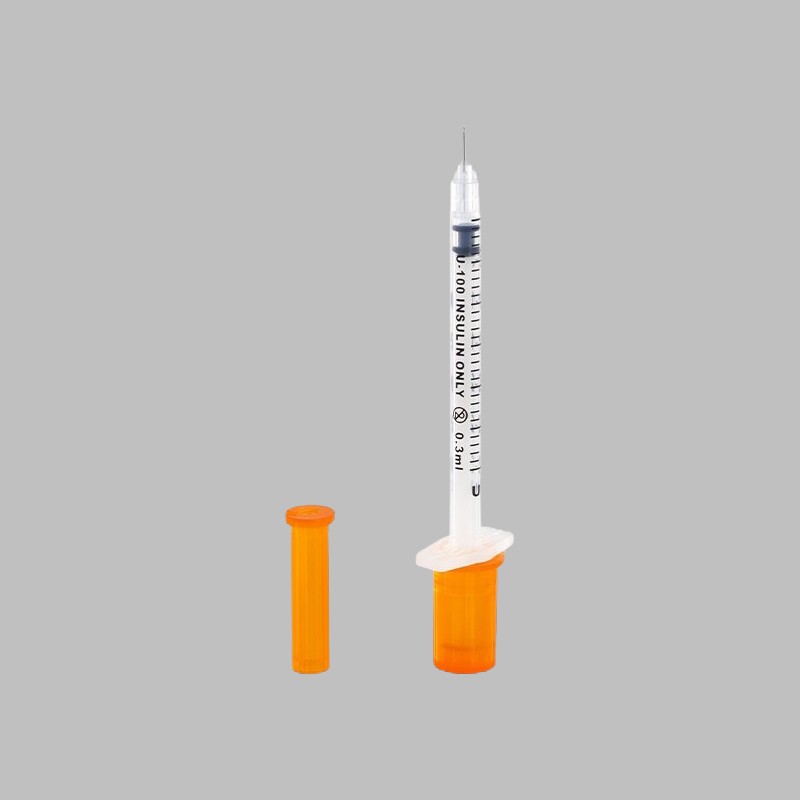
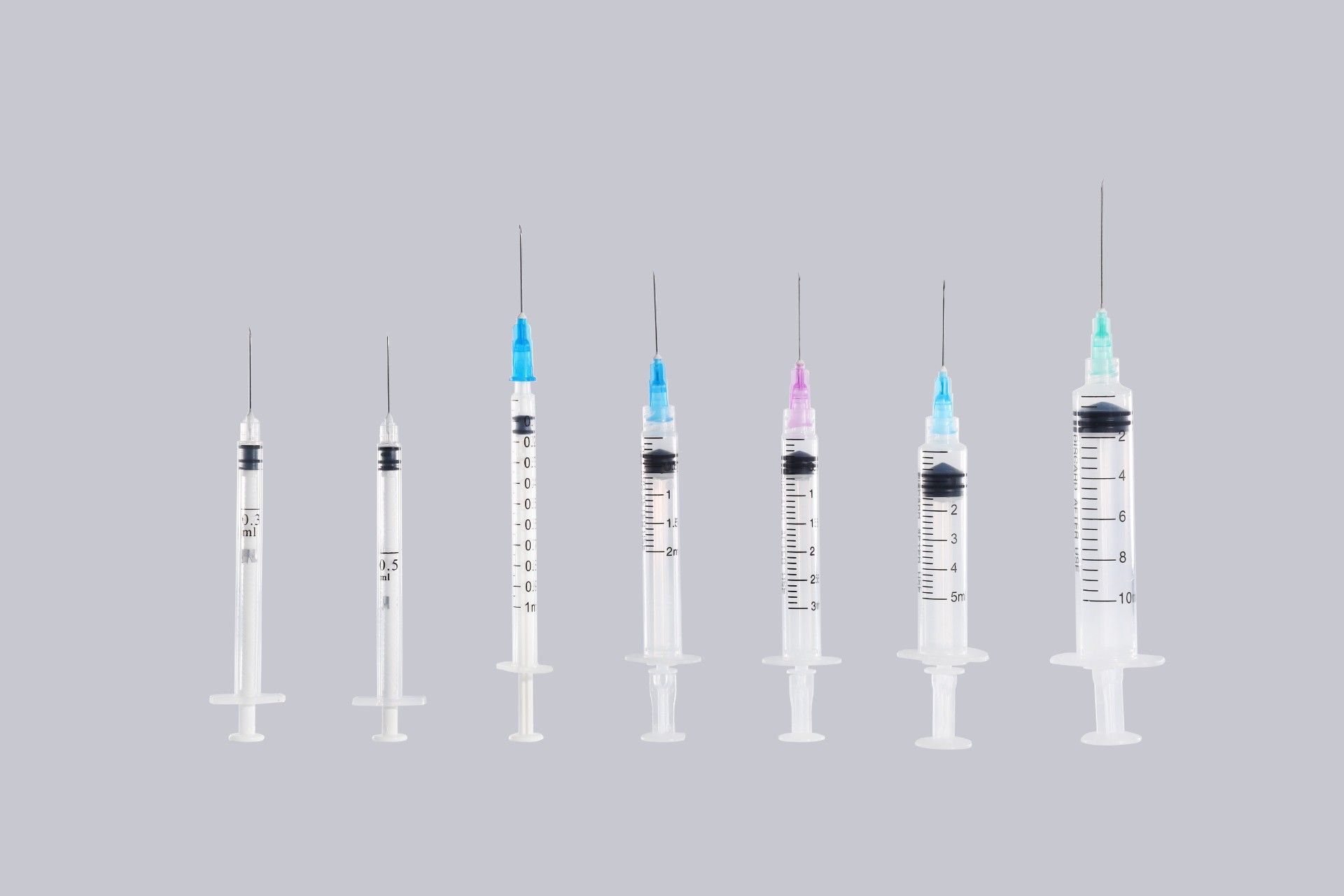
Finer markings give you more precision. A 1 mL syringe with 0.01 mL steps lets you measure between the lines, while a 10 mL syringe with 0.5 mL steps gives you less detail. The table below shows how size and precision connect.
Syringe Size | Increment per Marking | Precision Level |
|---|---|---|
10 mL | 0.5 mL | Lowest precision |
5 mL | 0.2 mL | Moderate |
3 mL | 0.1 mL | High |
1 mL | 0.01 mL | Most precise for small doses |
Studies of oral dosing devices show why this design matters. An oral syringe stayed within a standard deviation of ±0.02 mL, much tighter than a measuring spoon at ±0.67 mL. That finding confirms how clear markings on a syringe support accurate dosing.
A smooth plunger stroke keeps your dose steady. The plunger should move with even resistance, so you control the flow instead of fighting it. A loose piston can give an inaccurate dose. A tight piston sticks and then jumps, which causes confusion during an injection.
The syringe's extended stroke length enables smoother plunger movement, which supports precise dosage control and a more stable injection experience.
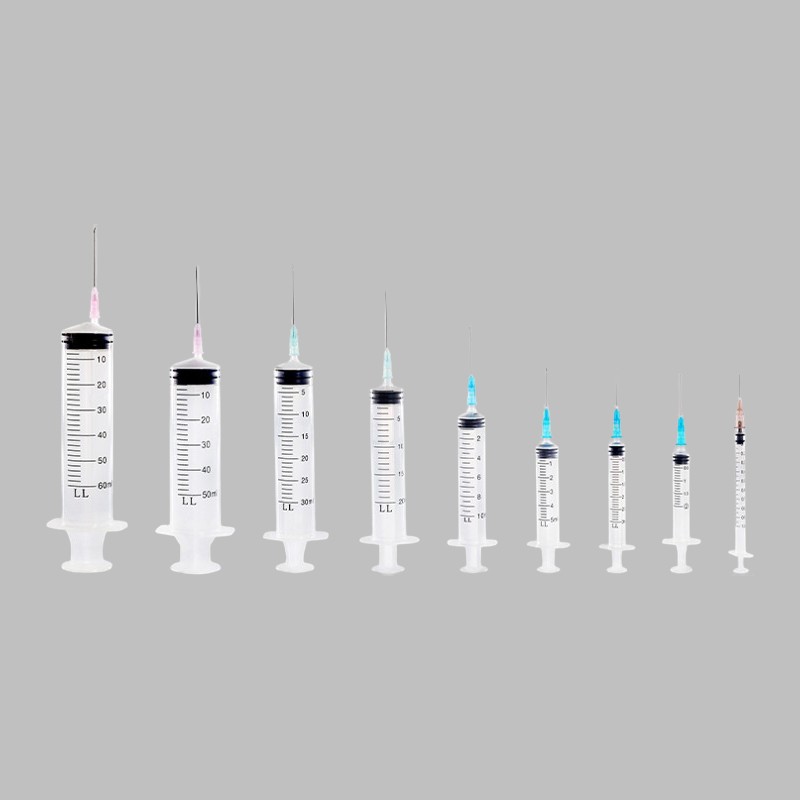
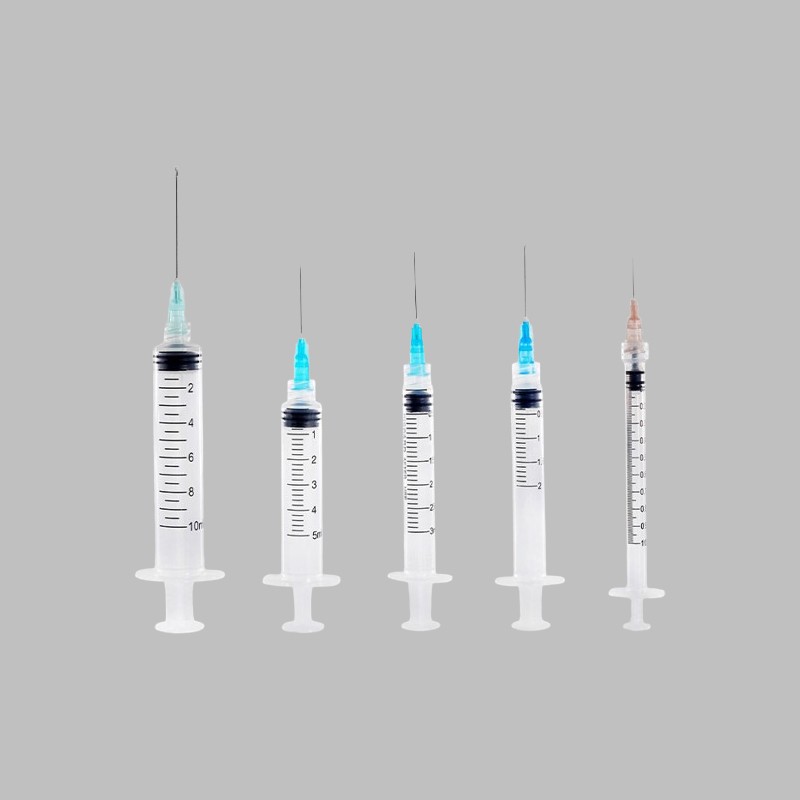
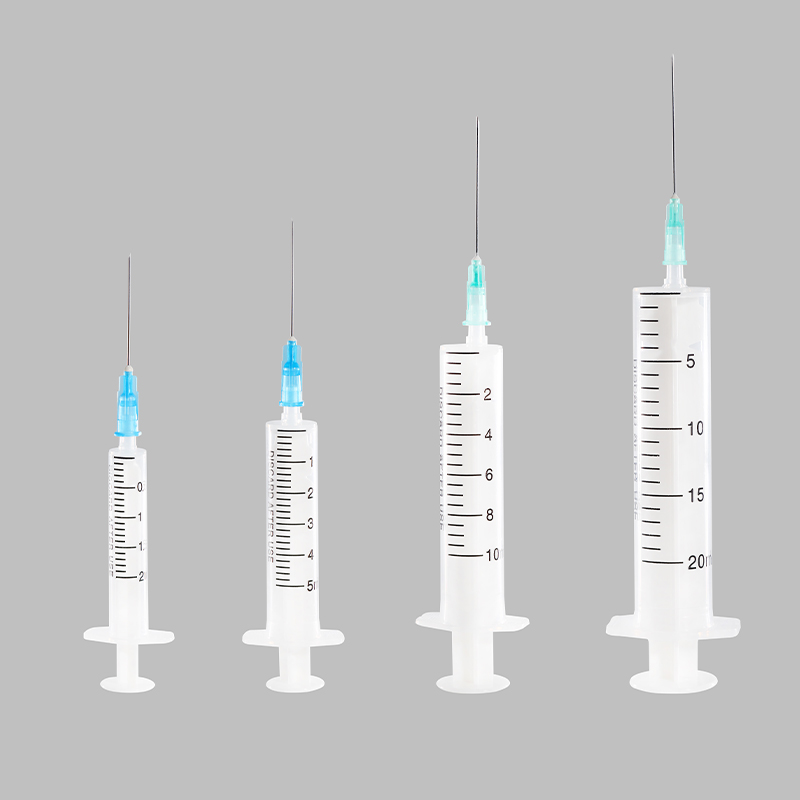
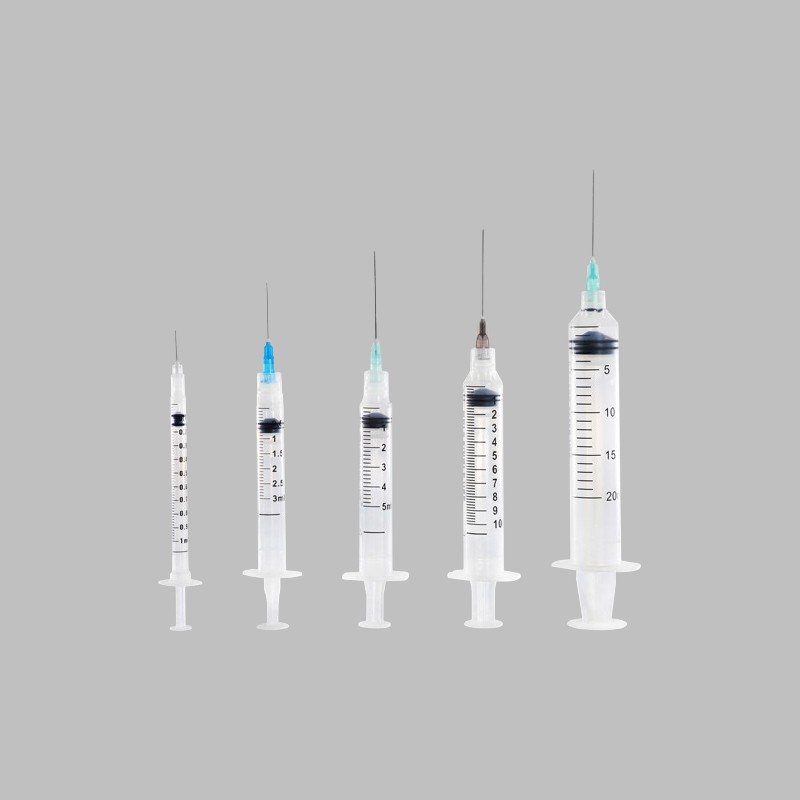
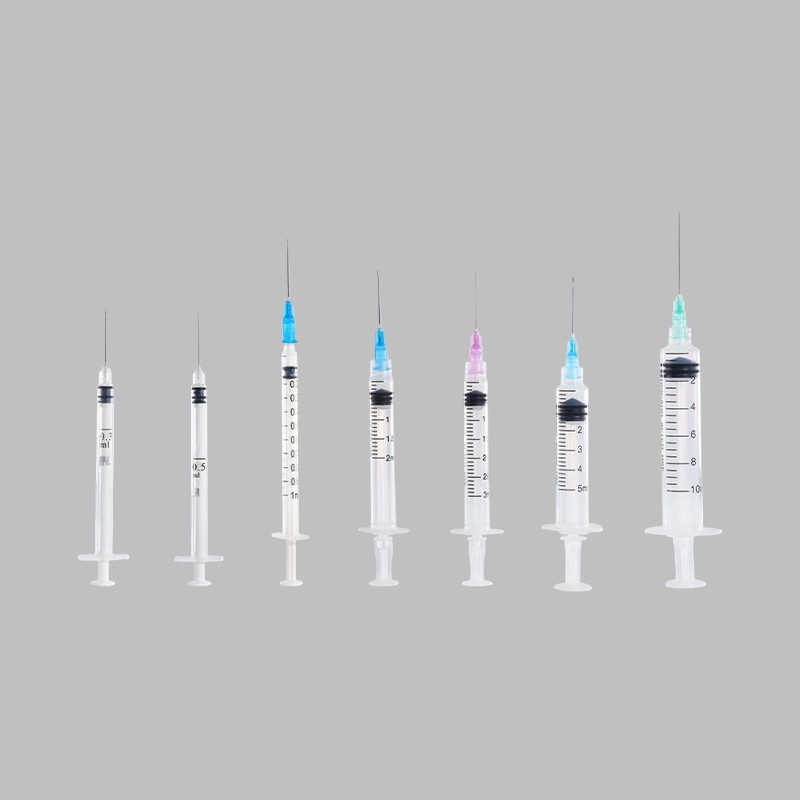
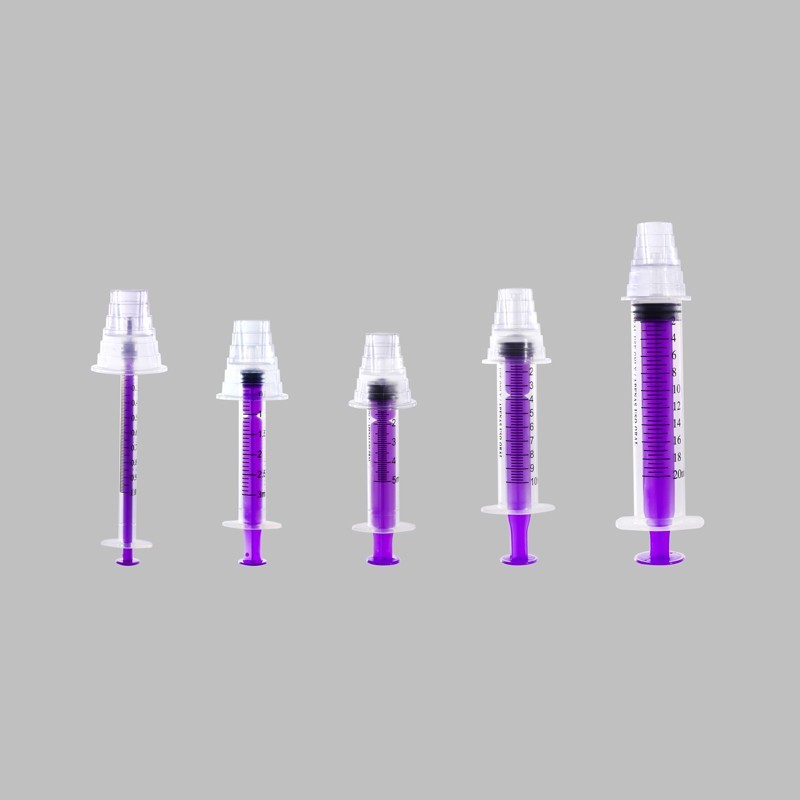
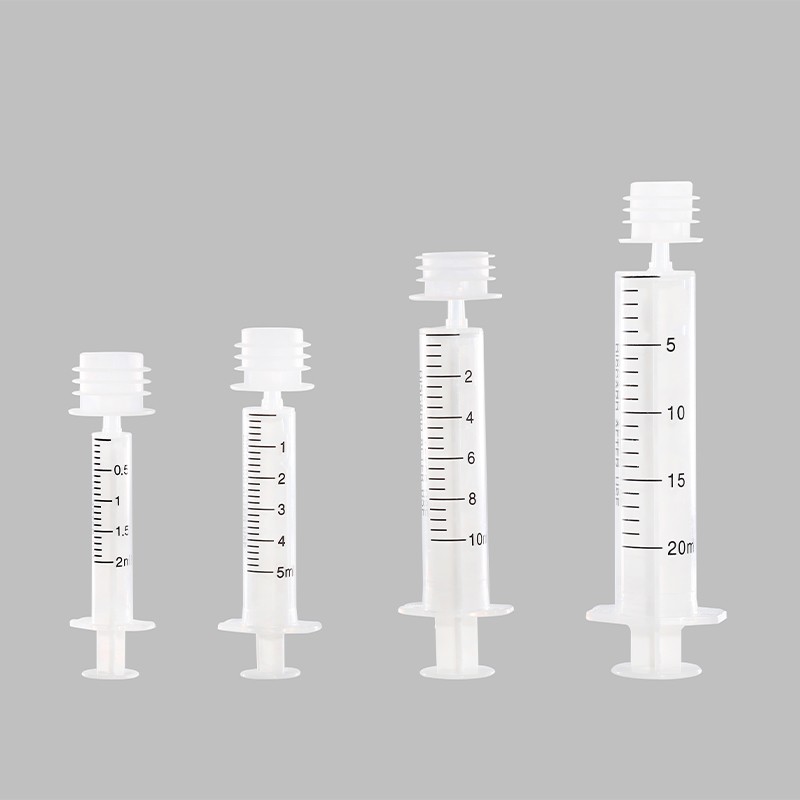
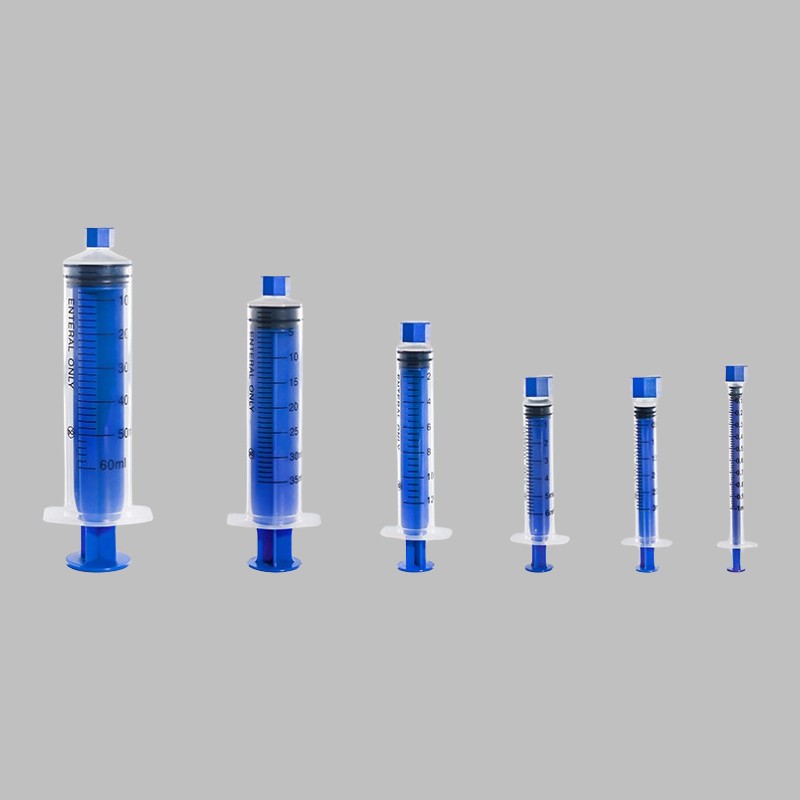
Luer lock syringes come in sizes from 1ml to 100ml, including 1ml, 2.5ml, 3ml, 5ml, 10ml, 20ml, 50ml, and 100ml. Match the size to your task, and you get better accuracy and a safer injection every time.
You need a syringe that works well when you give medicine fast through an IV line. The 5 benefits of using luer lock syringe in injecting boluses focus on control and reliability. The table below shows how each benefit helps with your work.
Benefit | Safety Aspect | Efficiency Aspect |
|---|---|---|
More secure threaded connection | Screw threads cut down on accidental disconnection, which stops medicine from going outside the vein | — |
Allows minimal movements | Lowers the risk of dislodging the catheter during administration | Easy to use and gives a secure catheter–syringe connection |
Better for IV therapy | Prevents catheter dislodgement and is less likely to leak than other connections | A secure link between catheter and syringe/tubing makes IV therapy smoother |
Lessens risk of air entry | Keeps the IV line secure and stops air bubbles that can block blood flow and cause serious damage | — |
Easy to use | — | Attaches to any IV line (catheters, cannulas, tubing), easy to attach and remove when necessary |
These benefits matter most when you give boluses under time pressure. A secure connection keeps the line closed and the dose on target. You move less, and the catheter stays put. That control supports safety for every patient on the unit.
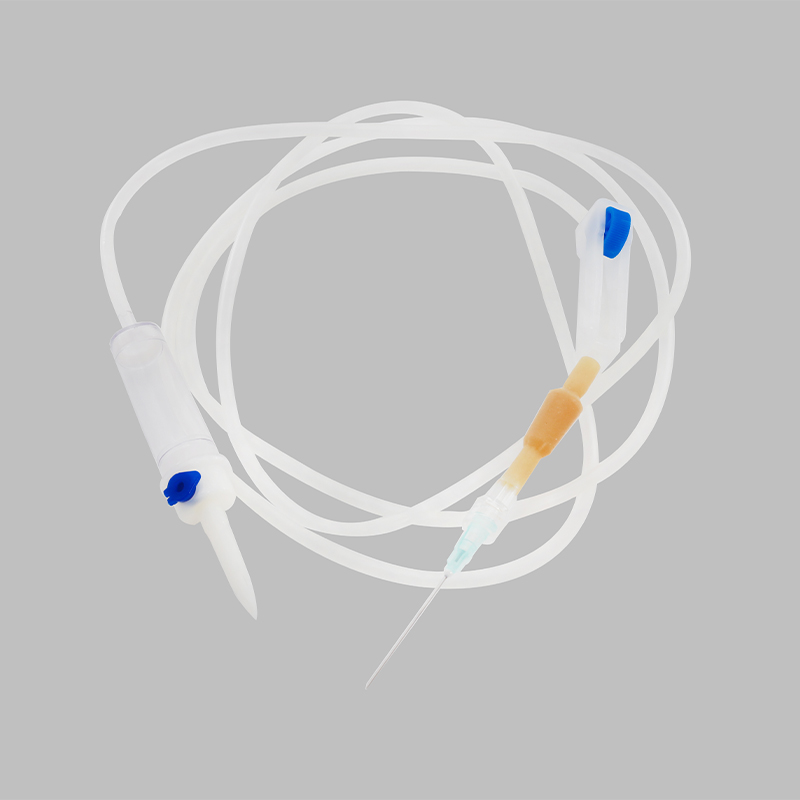
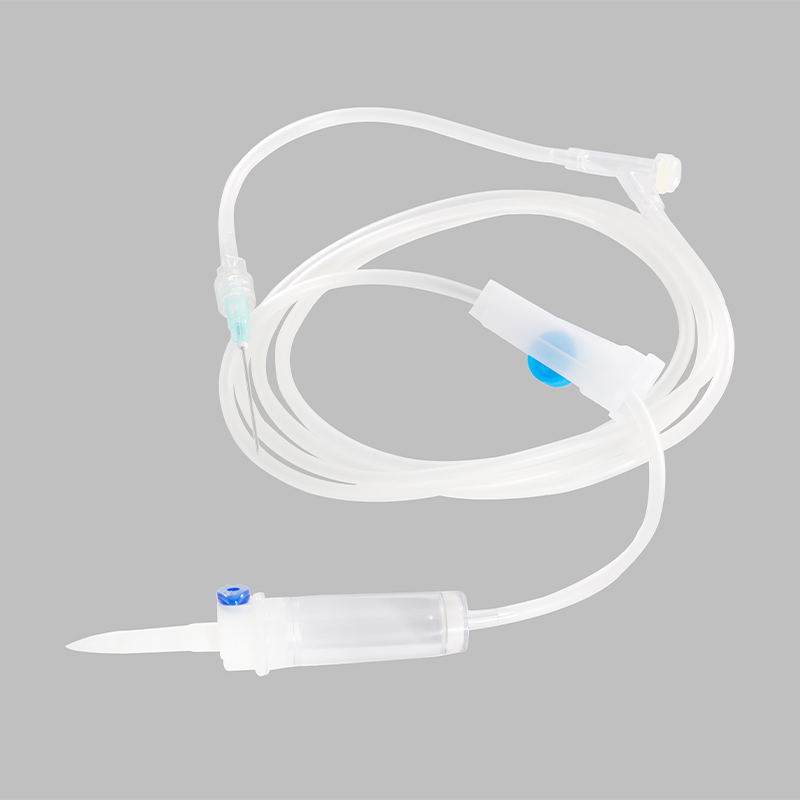
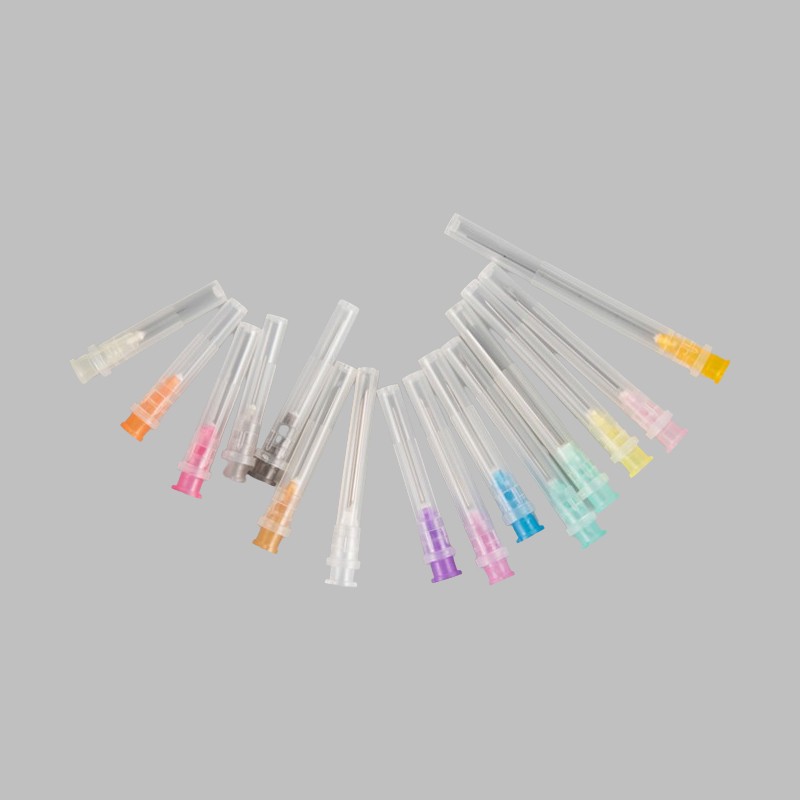
A luer lock syringe with needle fits common luer lock devices and sterile hypodermic needles. You can attach it to catheters, cannulas, and tubing without adapters. This compatibility saves time when you give boluses in a busy ward.
Medical Appliances General Factory offers customization options for packaging design and needle sizes. You can match the luer lock syringe to your facility's protocols and preferences. The company backs each unit with CE, ISO13485, and SGS certifications, plus EC, ISO, SFDA, TGA, FSC, and GMP approvals. These credentials confirm steady quality and material safety. Luer lock syringes from this factory reach Germany, Italy, the U.K., Canada, Chile, and Peru. That global reach shows the product meets many different regulatory demands.
You now know the five advantages: a secure connection, leak prevention, safety, accurate dosage, and versatility. The market for luer lock syringes grows at 6.51% yearly through 2034, so dependable luer lock syringes matter more than ever. Medical Appliances General Factory backs its luer lock syringe with needle through decades of experience and international certifications. Choose a trusted partner for your next order.
The threaded collar twists the needle into place. This grip resists loosening under pressure. Slip-tip models rely on friction alone and suit quick, low-pressure tasks.
You can choose from 1ml, 2.5ml, 3ml, 5ml, 10ml, 20ml, 50ml, and 100ml. Match the size to your dose. Smaller barrels give finer markings for precise measurement.
Each unit is sterile, EO-gas sterilized, and meant for one use. Pick latex or latex-free pistons to fit your facility rules. A locked needle lowers disconnection risk during injections.
Whatsapp: +86-13616120206
E-mail: sale01@lelun.com
ADD: HengShanQiao Town, out of East Gate, Changzhou ,Jiangsu, China
Mobile: (+)86-13616120206