






News Categories


Luer lock syringes are widely used in medical settings because their threaded tip helps create a secure connection with compatible needles and medical devices. For healthcare providers, medical distributors, and procurement teams, understanding how luer lock syringes work, which sizes are available, and how to evaluate product quality is essential when selecting disposable syringes.
This guide explains the design, working principle, benefits, applications, specifications, and purchasing considerations of disposable luer lock syringes. It also outlines what buyers should check when sourcing products from a medical syringe manufacturer.
A luer lock syringe is a syringe with a threaded tip designed to connect securely to a compatible needle or medical connector. Unlike a luer slip syringe, which relies on a push-fit connection, a luer lock syringe uses a twisting mechanism to help hold the connected components in place.
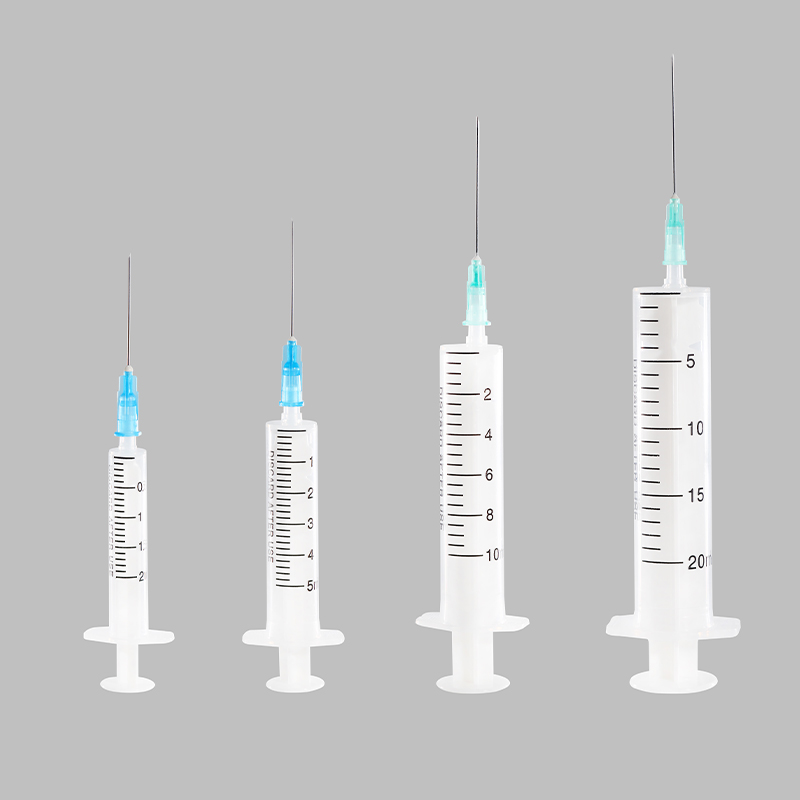
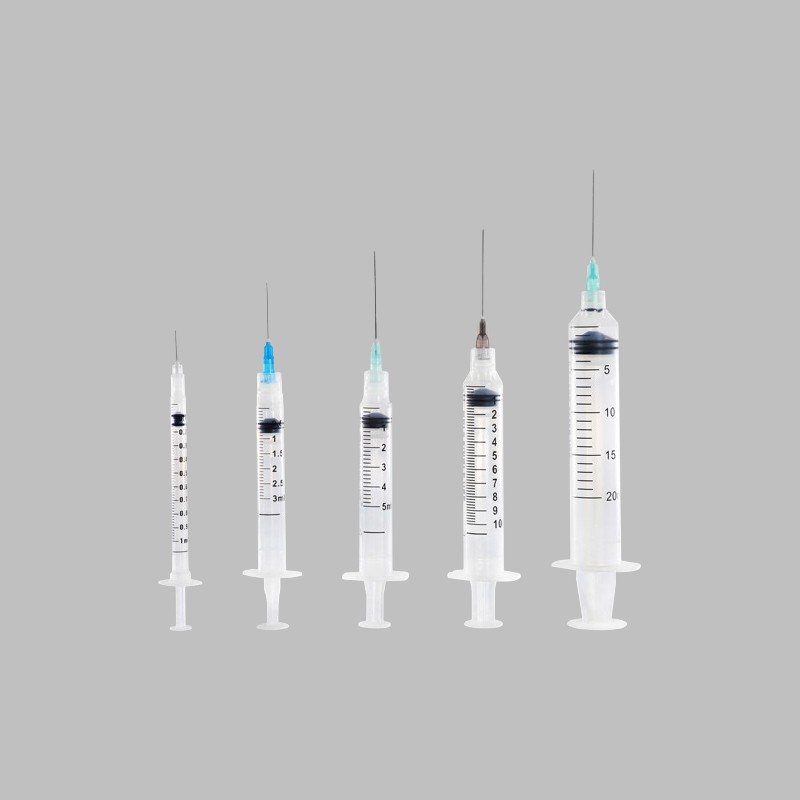
A typical disposable luer lock syringe consists of a barrel, plunger, piston, and threaded luer lock tip. Depending on the product configuration, it may be supplied with or without a hypodermic needle.
The luer lock design is commonly selected when a secure connection is important during fluid transfer or medication administration. However, the syringe must be compatible with the connected device, and its intended use must match the relevant product specifications.
Explore available syringe capacities, needle configurations, and product specifications for your medical supply business.
View Our Syringe ProductsA luer lock syringe works by combining the syringe's fluid-handling mechanism with a threaded connection system. The plunger moves inside the barrel to draw in or dispense fluid, while the luer lock tip provides a connection point for compatible needles or medical accessories.
The luer lock tip features a threaded collar that allows a compatible connector to be attached by twisting it into position. This mechanical engagement helps reduce the risk of accidental disconnection when the assembly is used correctly.
When the plunger is pulled backward, fluid enters the barrel through the connected needle or device. Pushing the plunger forward moves the fluid out through the syringe tip.
The graduations printed on the barrel help users measure the volume contained in the syringe. Actual measurement accuracy depends on the syringe design, calibration, and applicable product specifications.
A luer lock syringe must be used with a compatible connection. Buyers and healthcare professionals should verify the relevant connector dimensions, intended application, and device instructions before use.
A secure threaded connection does not automatically make every syringe suitable for high-pressure applications. Pressure limits and fluid compatibility must be established by the product manufacturer.
Luer lock and luer slip syringes are two common syringe connection types. The main difference is how the syringe attaches to a compatible needle or connector.
| Comparison Factor | Luer Lock Syringe | Luer Slip Syringe |
|---|---|---|
| Connection design | Threaded locking mechanism | Push-fit connection |
| Attachment method | Twisted into position | Pushed onto the compatible tip |
| Connection retention | Mechanical engagement helps resist accidental separation | Relies on the fit between compatible surfaces |
| Selection considerations | Connection security, compatibility, and intended use | Ease of attachment, compatibility, and intended use |
| Procurement checks | Thread compatibility and product specifications | Connector dimensions and product specifications |
A luer lock syringe may be preferred when the application requires a threaded connection to help retain the attached component. A luer slip syringe may be suitable when a compatible push-fit connection meets the requirements of the intended application.
Neither connection type is universally suitable for every procedure. The appropriate choice depends on the medical device, fluid-handling requirements, applicable standards, and instructions for use.
For more information about push-fit configurations, explore our disposable luer slip syringe products.
Disposable luer lock syringes offer several practical features that can support medical fluid-handling applications.
The threaded connection helps hold a compatible needle or connector in place. This can reduce the likelihood of accidental separation during appropriate use.
A transparent barrel with readable graduations helps users observe the fluid level and measure the volume contained in the syringe. The required graduation interval and accuracy should be checked against the product specifications.
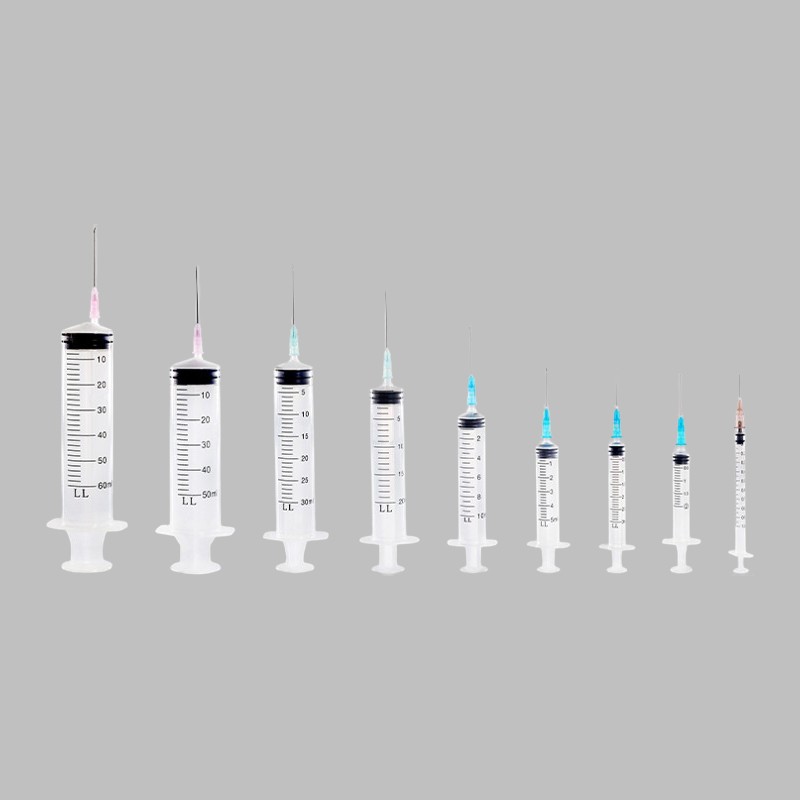
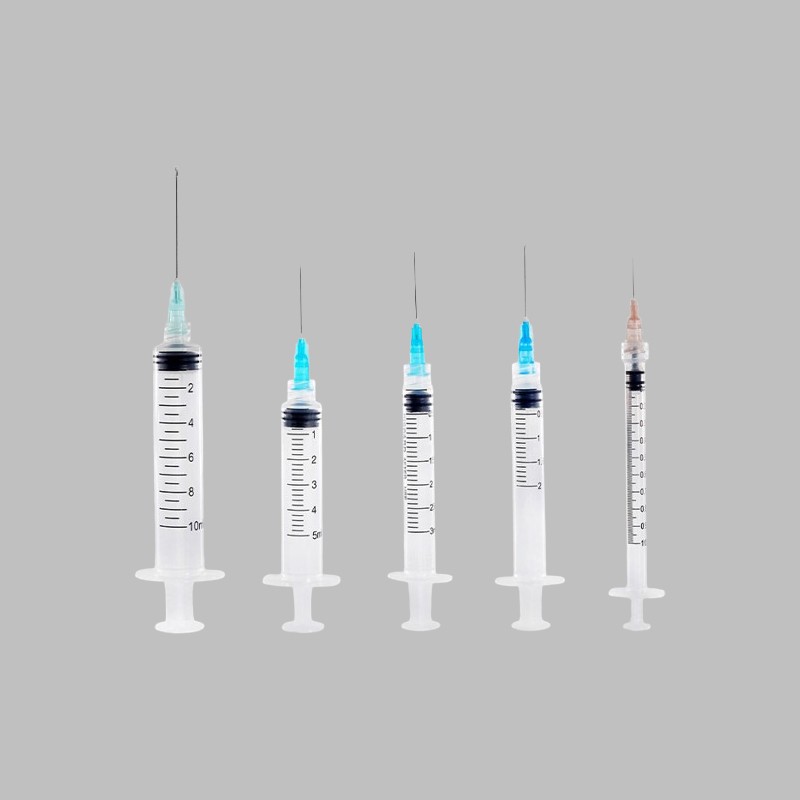
Luer lock syringes can be supplied in different capacities and configurations, including options with or without needles. This flexibility helps distributors and healthcare procurement teams source products that match their requirements.
Disposable sterile luer lock syringes are designed for single use when supplied and labeled for that purpose. Appropriate sterilization, packaging integrity, and storage conditions are essential to maintaining product sterility until use.
Depending on the product model, buyers may be able to choose individual PE or blister packaging and latex or latex-free piston options. Availability should be confirmed with the manufacturer for the selected specification.
The applications of a luer lock syringe depend on its capacity, needle configuration, intended use, and regulatory status.
Compatible luer lock syringes may be used for medication administration when the syringe, needle, medication, and procedure meet the applicable clinical requirements.
Certain syringe configurations are suitable for drawing up, transferring, or dispensing fluids. Buyers should verify that the selected syringe is intended for the relevant fluid and application.
Disposable syringes may be used in veterinary settings for appropriate medication and fluid-handling procedures. Capacity, needle selection, and material compatibility should be evaluated for the specific use.
Some syringe models may be suitable for approved laboratory or technical applications. Not every medical syringe is intended for laboratory, industrial, or specialized fluid-transfer use, so the manufacturer's stated application should be checked before purchasing.
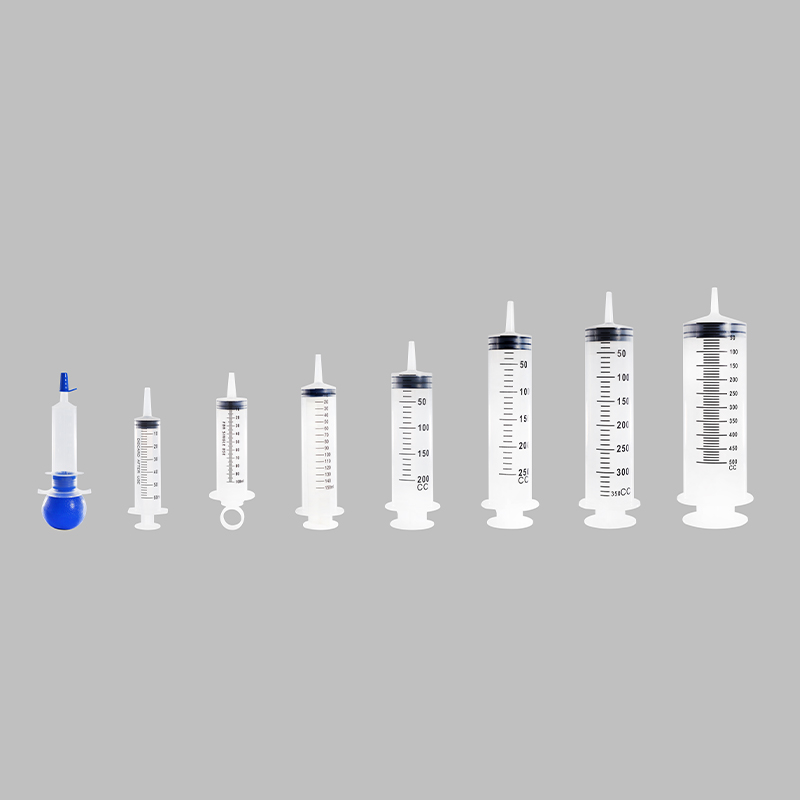
Luer lock syringes are available in different capacities to accommodate varying fluid volumes and application requirements.
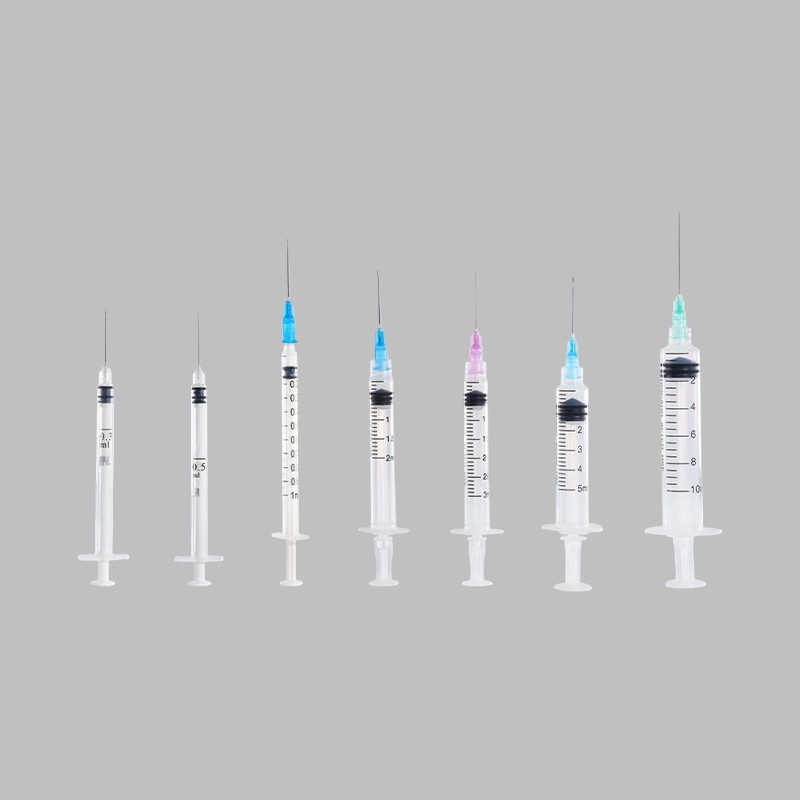
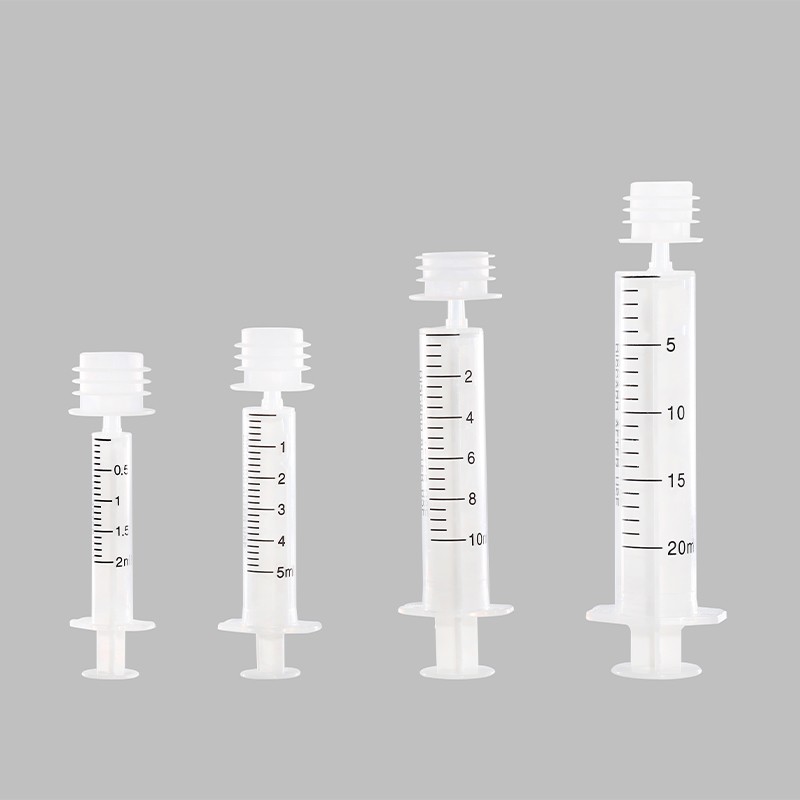
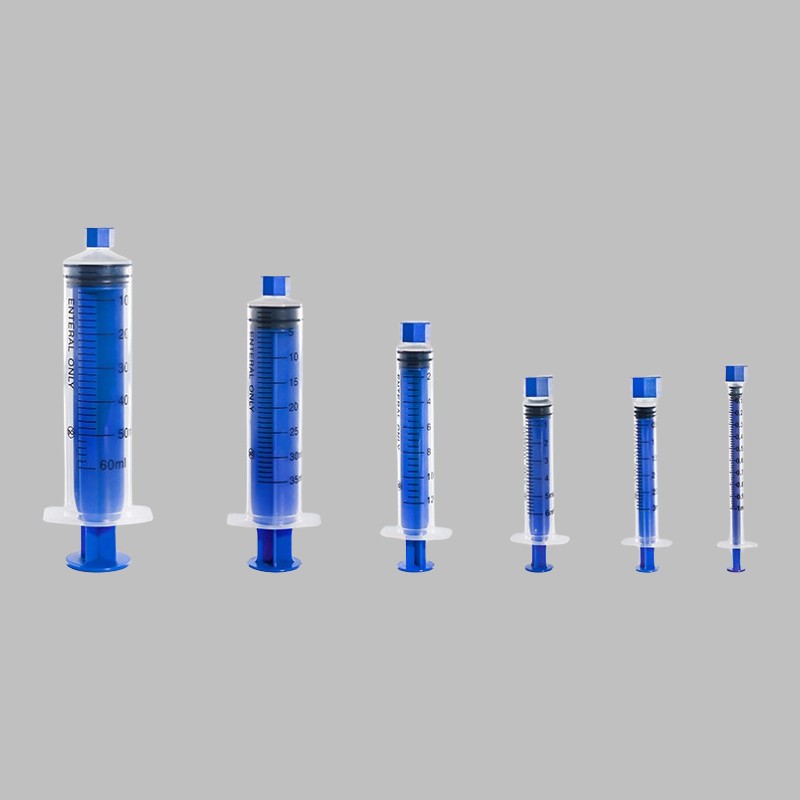
Changzhou Medical Appliances General Factory Co., Ltd. lists disposable luer lock syringe models in capacities including 1 ml, 3 ml, 5 ml, 10 ml, 20 ml, 60 ml, and 100 ml. The exact sizes available may vary by product model and configuration.
| Capacity | Key Selection Consideration |
|---|---|
| 1 ml | Small-volume measurement requirements |
| 3 ml | Applications requiring a relatively small fluid capacity |
| 5 ml | General small-volume fluid-handling requirements |
| 10 ml | Applications requiring a larger measured volume |
| 20 ml | Larger-volume fluid transfer, where appropriate |
| 60 ml | Applications requiring higher syringe capacity |
| 100 ml | Specialized large-volume fluid-handling requirements, subject to product specifications |
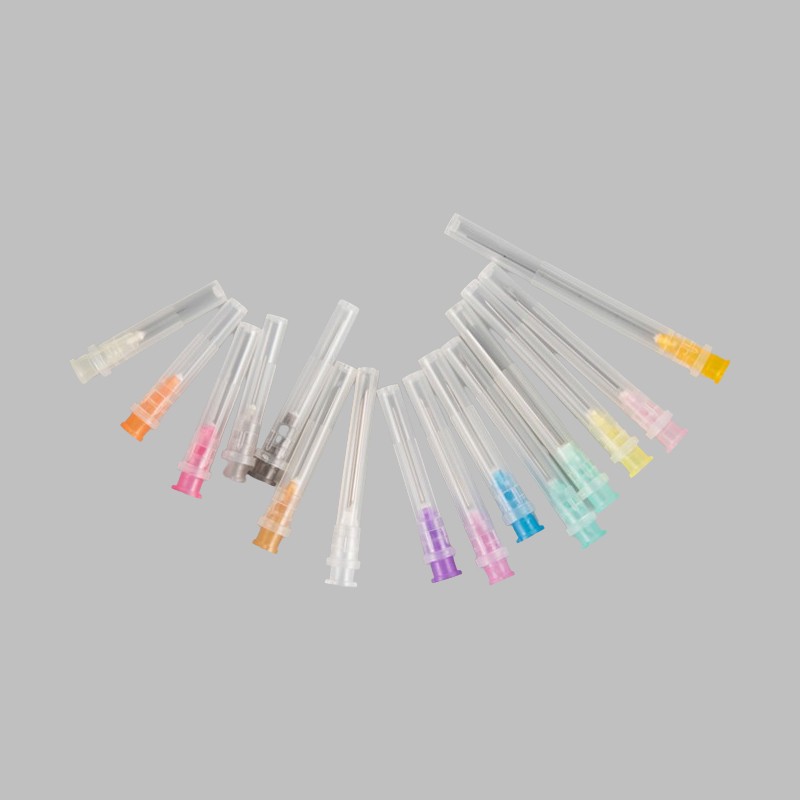
Disposable luer lock syringes may be available with or without a hypodermic needle.
With needle: The syringe is supplied with a specified needle configuration. Buyers should confirm needle gauge, length, connection compatibility, and packaging.
Without needle: The syringe is supplied without a needle, allowing the buyer to source a compatible accessory separately where permitted by the intended application.
The required configuration should be confirmed before placing a bulk order.
A two-part syringe generally consists of a barrel and plunger, while a three-part syringe includes a separate piston or gasket to provide a seal between the plunger and barrel.
The appropriate design depends on the intended application, product specifications, and user requirements. Buyers should confirm the exact construction and available models with the supplier.
Tell us your required capacity, needle options, packaging preferences, and target market to discuss suitable product configurations.
Discuss Your RequirementsMaterial selection, sterilization, and packaging are important considerations when sourcing disposable medical syringes.
Disposable syringe barrels and components may use medical-grade polypropylene (PP) and other specified materials. Buyers should verify the materials used in the selected model and review relevant documentation for the intended application.
Some syringe models are available with latex or latex-free pistons. Buyers with specific material requirements should request confirmation of the exact configuration and relevant product documentation.
The manufacturer's product information lists individually packaged luer lock syringes sterilized using ethylene oxide (EO). Packaging options may include PE bags or blister packaging, depending on the model.
For sterile products, buyers should check the sterilization method, packaging integrity, shelf life, storage conditions, and applicable batch documentation.
When purchasing medical syringes for international markets, procurement teams should verify the manufacturer's current quality management certificates and the product's applicable regulatory documentation.
Changzhou Medical Appliances General Factory Co., Ltd. states that it has ISO 13485 and CE-related credentials. Buyers should confirm certificate validity, scope, product coverage, and market-specific requirements before making compliance decisions.
Selecting a supplier involves more than comparing unit prices. Medical distributors and importers should assess product specifications, quality documentation, customization options, and the supplier's ability to meet order requirements.
Before requesting a quotation, specify the required syringe capacity, two-part or three-part construction, needle configuration, piston material, packaging type, and applicable standards.
Clear specifications help reduce misunderstandings during sampling, quotation, and production.
Request the documents relevant to your intended market and product, such as quality management certificates, product technical documentation, sterilization records, and batch traceability information where applicable.
Do not assume that a manufacturer's general certification automatically covers every product or market.
Minimum order quantities, production schedules, and delivery times may differ by syringe model and packaging requirements.
For bulk procurement, confirm the MOQ, sample availability, estimated lead time, shipping arrangements, and any requirements for repeat orders.
For distributors and medical supply brands, customized packaging or private labeling may be important. Confirm the available customization scope, artwork requirements, labeling rules, and minimum order quantities before proceeding.
International buyers should check whether the supplier can provide the documents and communication support required for their target market. Product registration, import requirements, and language or labeling requirements should be confirmed before shipment.
Changzhou Medical Appliances General Factory Co., Ltd. is a Chinese manufacturer of disposable medical appliances, established in 1988. Its product portfolio includes disposable syringes, infusion sets, safety syringes, and other medical consumables.
The company's disposable luer lock syringe range includes multiple capacities and options with or without needles. Its product information also lists individual sterile packaging, EO sterilization, and OEM customization options for applicable models.
For distributors, importers, and medical supply businesses, the next step is to match the required syringe specifications with the available product range and confirm the documentation needed for the destination market.
Contact our team to discuss bulk orders, OEM requirements, packaging options, product specifications, and documentation for your target market.
Request a Quote NowA luer lock syringe is used for fluid handling in applications compatible with its design and intended use. Its threaded tip helps secure a compatible needle or connector. The appropriate syringe depends on the application, capacity, and device requirements.
A luer lock syringe uses a threaded mechanism to attach a compatible connector, while a luer slip syringe uses a push-fit connection. The choice depends on connection requirements, compatibility, and the intended application.
No. Compatibility should be verified for the syringe tip, needle hub, and relevant connection standard. Buyers should check the manufacturer's specifications rather than assuming that every needle fits every syringe.
Available capacities vary by model. Changzhou Medical Appliances General Factory lists options including 1 ml, 3 ml, 5 ml, 10 ml, 20 ml, 60 ml, and 100 ml. Confirm the current product catalog for the complete range.
Yes. The manufacturer lists luer lock syringe configurations with and without hypodermic needles. Needle gauge, length, packaging, and other options should be confirmed for the selected model.
Syringes labeled for single use must not be reused. Reuse can introduce contamination and compromise product performance. Follow the product labeling and applicable healthcare procedures for handling and disposal.
Buyers should confirm capacity, syringe construction, needle configuration, materials, packaging, sterilization method, MOQ, lead time, and required regulatory documentation. Samples and technical documents may also be requested where available.
Customization options depend on the manufacturer and product model. Changzhou Medical Appliances General Factory lists OEM services for applicable syringe products. Buyers should confirm private labeling, packaging artwork, MOQ, and regulatory labeling requirements directly with the supplier.
Luer lock syringes offer a threaded connection designed to help retain compatible needles and connectors during appropriate use. When choosing a disposable luer lock syringe, buyers should evaluate the connection type, capacity, materials, needle configuration, packaging, sterilization, and product documentation.
For medical distributors and international procurement teams, working with a supplier that can clarify specifications and provide relevant documentation helps make the sourcing process more efficient.
Changzhou Medical Appliances General Factory offers a range of disposable luer lock syringe configurations for business customers. Contact the company to confirm available models and discuss your purchasing requirements.
Whatsapp: +86-13616120206
E-mail: sale01@lelun.com
ADD: HengShanQiao Town, out of East Gate, Changzhou ,Jiangsu, China
Mobile: (+)86-13616120206