






News Categories

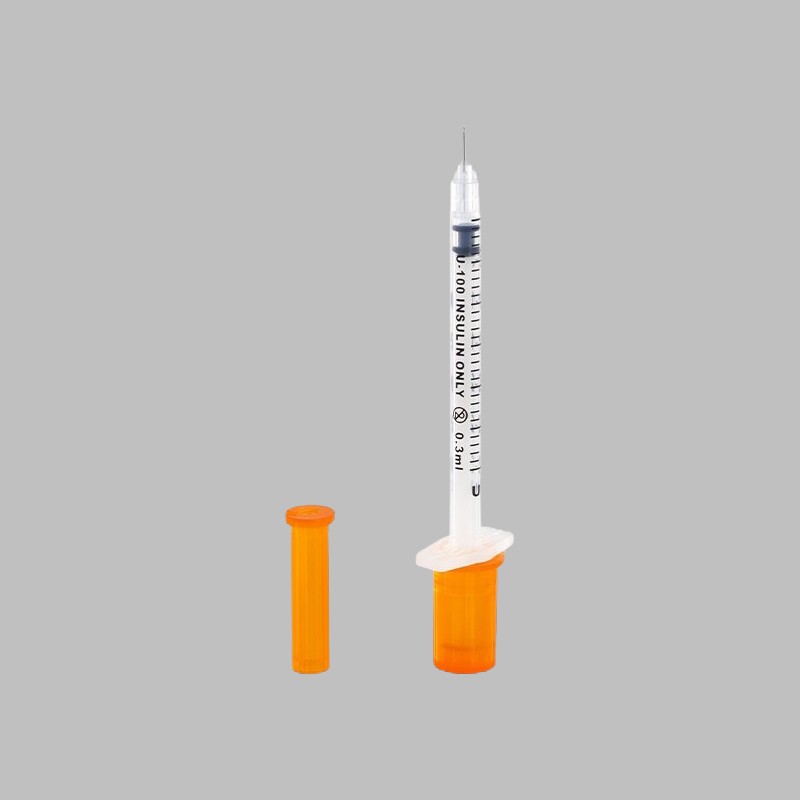
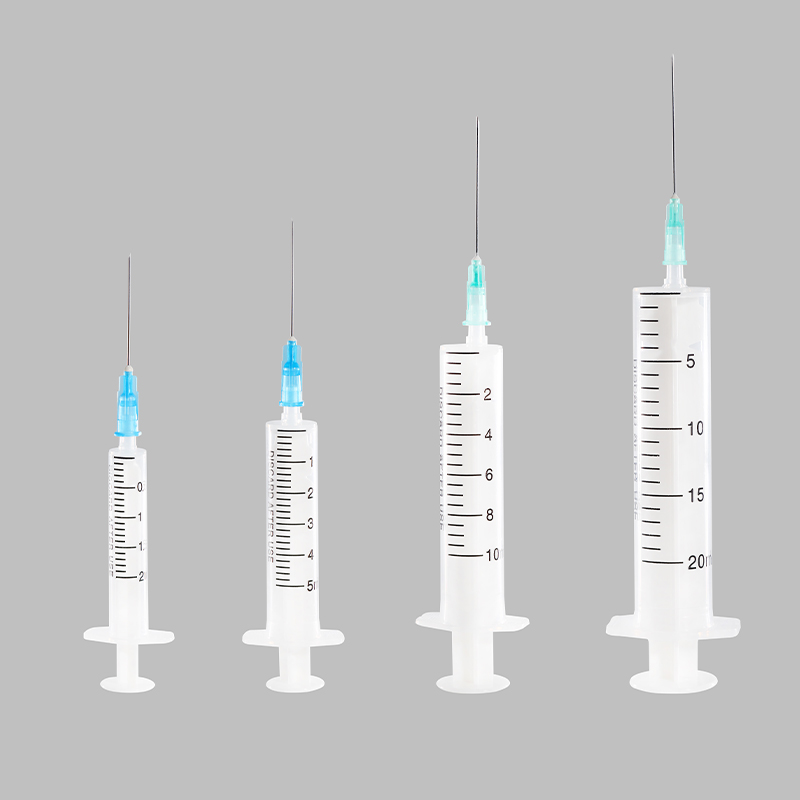
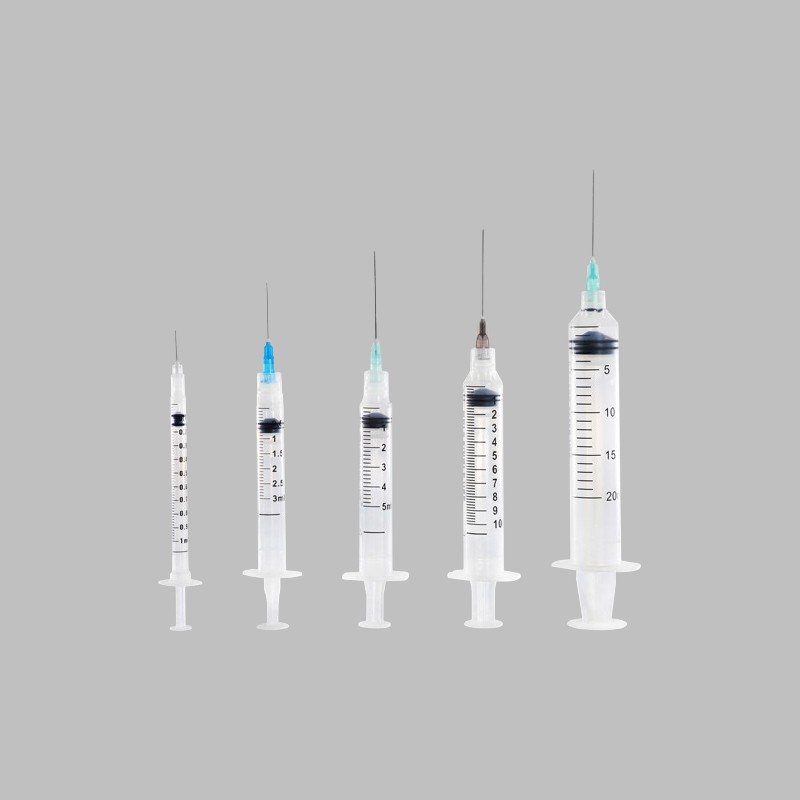
An insulin syringe is a medical device designed to measure and administer insulin by injection. It typically consists of a graduated barrel, plunger, piston or gasket, and a fine needle. Unlike a general-purpose syringe, an insulin syringe uses markings designed for a specific insulin concentration, helping users measure the prescribed dose accurately.
Insulin syringes are available in different capacities, needle specifications, and graduation systems. Understanding these differences is important for healthcare professionals, medical device distributors, and buyers sourcing disposable insulin syringes for clinical use or regional distribution.
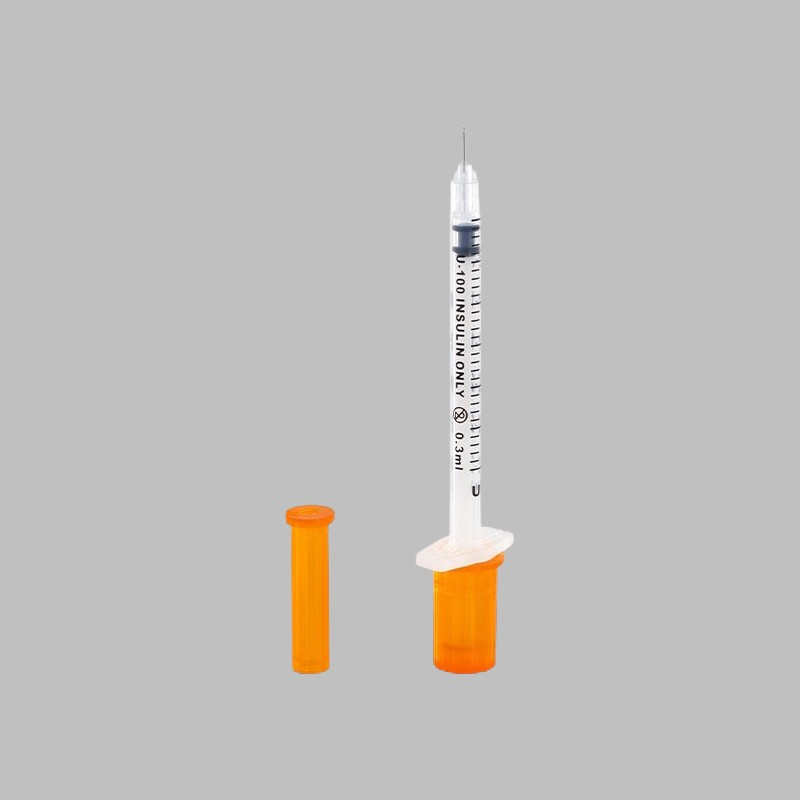
The primary purpose of an insulin syringe is to measure and inject a prescribed dose of insulin into the body, usually by subcutaneous injection as directed by a healthcare professional. Insulin is a hormone used to help regulate blood glucose levels, and some people with diabetes require insulin therapy as part of their treatment plan.
An insulin syringe is designed to support this process through clearly marked graduations and a needle intended for the product's specified use. The appropriate syringe depends on the insulin concentration, prescribed dose, needle requirements, and instructions provided by the healthcare professional.
Insulin syringes should not be selected or used solely on the basis of their physical size. The graduation system must match the insulin concentration, and users should follow the medication label, device instructions, and professional guidance.
Understanding the main parts of an insulin syringe helps buyers evaluate product construction and helps readers understand how the device measures and delivers medication.
The barrel is the transparent cylindrical body that holds the insulin. Its graduated markings allow the prescribed dose to be measured according to the syringe's specified concentration and capacity.
The plunger moves inside the barrel to draw liquid into the syringe or expel it during administration. Smooth movement and appropriate construction are important product performance considerations.
The piston or gasket forms a seal inside the barrel. Depending on the product design, it may be made from rubber or another specified material. Buyers should check whether latex-containing or latex-free options are available when this requirement matters.
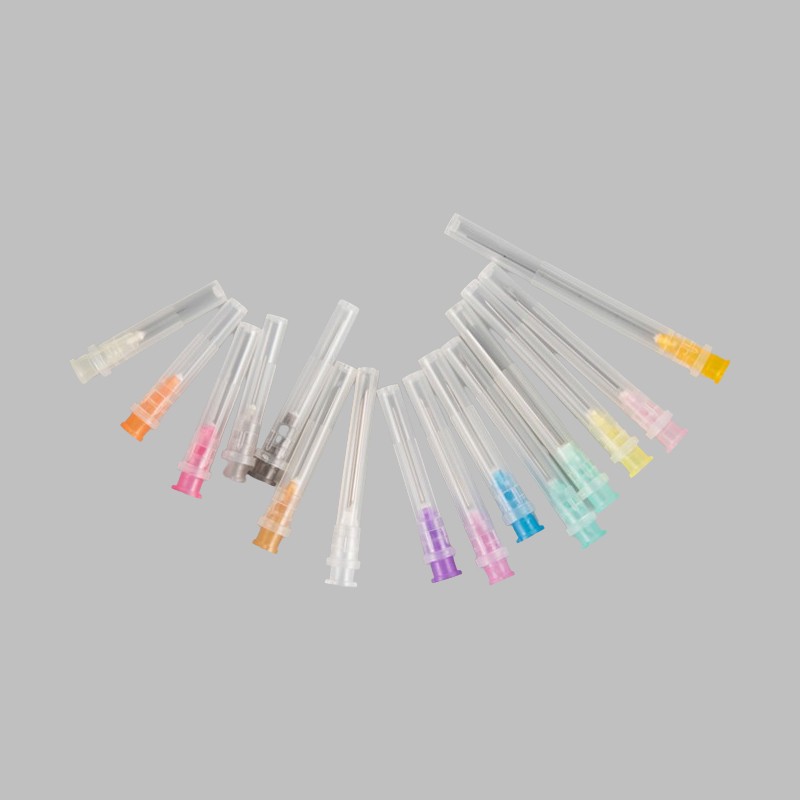
Many disposable insulin syringes feature a fixed needle permanently attached to the barrel. This integrated design eliminates the need to attach a separate needle before use. Needle gauge and length vary by model and should be confirmed in the product specifications.
Graduation marks indicate the measured dose. Insulin syringes are commonly designed for a specified insulin concentration, such as U-100, while some products are designed for U-40. The markings must correspond to the insulin being used. Never assume that syringes with different concentration markings are interchangeable.
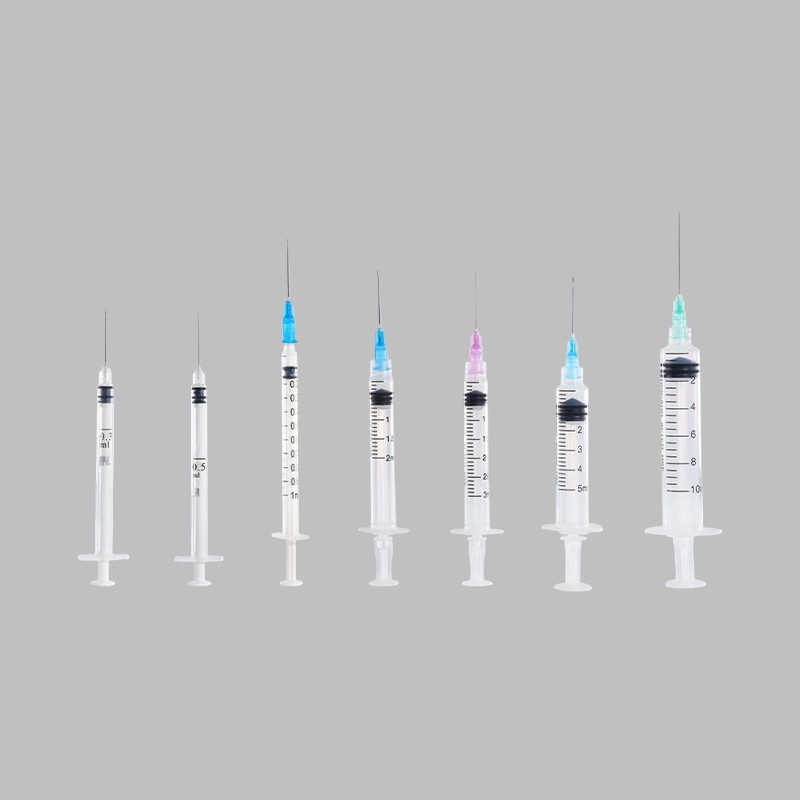
Common insulin syringe capacities include 0.3 mL, 0.5 mL, and 1 mL. The appropriate capacity depends on the prescribed dose, insulin concentration, required measurement increments, and the syringe's intended use.
| Syringe Capacity | General Characteristics | Selection Considerations |
|---|---|---|
| 0.3 mL | Smaller total capacity | Consider the prescribed dose and graduation increments. |
| 0.5 mL | Medium total capacity | Check the required dose range and scale compatibility. |
| 1 mL | Larger total capacity | Confirm the prescribed dose, concentration, and scale markings. |
For U-100 insulin, which contains 100 units per milliliter, the nominal maximum capacities correspond to 30 units for a 0.3 mL syringe, 50 units for a 0.5 mL syringe, and 100 units for a 1 mL syringe. These values apply only when the syringe is specifically calibrated for U-100 insulin.
U-40 insulin has a different concentration. A U-40 syringe and a U-100 syringe use different graduation systems and must not be substituted for each other without appropriate clinical direction. Using a mismatched syringe can cause a serious dosing error. Always confirm the insulin label and syringe markings with a healthcare professional.
Needle specifications are another important consideration when evaluating an insulin syringe. The two main measurements are needle gauge and needle length.
Needle gauge: Describes needle thickness. A higher gauge number generally indicates a thinner needle.
Needle length: Describes the length of the needle shaft and may vary by product design.
Fixed-needle design: Integrates the needle with the syringe, reducing the need for a separate needle attachment.
Product compatibility: Needle specifications should match the intended application and applicable device requirements.
LELUN's insulin syringe product information lists needle options across different models. Buyers should confirm the available gauge, length, graduation system, and capacity for the specific item before placing an order. Healthcare professionals should determine the appropriate needle and administration technique for individual patients.
Insulin syringes and insulin pens are both used for insulin administration, but their designs and operating methods differ. The appropriate option depends on the prescribed treatment, device availability, user needs, and professional advice.
| Comparison | Insulin Syringe | Insulin Pen |
|---|---|---|
| Medication delivery | Medication is drawn into the syringe from a compatible container. | Medication is delivered through a pen device with a compatible cartridge or prefilled system. |
| Dose measurement | Uses graduations calibrated for the specified insulin concentration. | Uses the pen's dose-setting mechanism. |
| Device preparation | Requires drawing up the prescribed amount from the appropriate container. | Preparation depends on whether the pen is reusable or prefilled. |
| Procurement factors | Capacity, concentration markings, needle, packaging, and sterility. | Pen compatibility, dose range, cartridge format, and compatible pen needles. |
These devices are not interchangeable in every situation. Patients should follow their prescribed treatment plan and the instructions supplied with their medication and device.
Explore LELUN disposable diabetic syringes with fixed needles and review the available capacities, needle configurations, and packaging options for your sourcing requirements.
View Insulin Syringe ProductsFor medical device distributors, importers, hospitals, and healthcare procurement teams, selecting a disposable insulin syringe involves more than comparing unit prices. Product specifications, quality documentation, packaging, and destination-market requirements should all be evaluated.
Confirm whether the required products are 0.3 mL, 0.5 mL, or 1 mL models. Verify that the graduation system matches the intended insulin concentration and that the scale is clearly readable.
Check the barrel, plunger, piston, and needle materials in the technical documentation. If latex-free construction is required, request confirmation for the exact model rather than relying on a general product description.
Disposable insulin syringes intended for sterile use should be supplied with packaging and sterilization information appropriate to the product. Buyers should review the applicable sterilization method, packaging integrity, shelf life, and storage instructions in the product documentation.
Request relevant quality-system certificates, product conformity documents, technical specifications, and test records. Confirm that each document is valid and applicable to the product and target market. Requirements may differ between countries and regions.
For large-volume orders, evaluate production capacity, minimum order quantity, lead time, packaging format, labeling requirements, and private-label options. Buyers should obtain a written quotation and confirm the final specifications before approving a purchase order.
Changzhou Medical Appliances General Factory Co., Ltd., operating under the LELUN brand, supplies disposable medical devices for healthcare and distribution markets. Its disposable diabetic syringe product range includes fixed-needle models in 0.3 mL, 0.5 mL, and 1 mL capacities.
Depending on the model, product options may include different needle specifications, piston materials, and individual packaging formats. Buyers should consult the product page and request current technical documentation to verify the configuration, sterilization method, applicable standards, and regulatory status of the specific item.
When requesting a quotation, provide your target capacity, required insulin concentration markings, needle gauge and length, packaging preference, estimated order quantity, destination market, and any applicable compliance requirements. These details help the supplier assess the requested configuration and provide a more relevant quotation.
Share your target specifications, order quantity, packaging requirements, and destination market with LELUN to discuss product availability and a quotation.
Request a QuotationAn insulin syringe is designed to measure and administer a prescribed insulin dose by injection. The syringe's capacity and graduation system must match the insulin concentration and the instructions provided by the healthcare professional.
Common capacities include 0.3 mL, 0.5 mL, and 1 mL. The correct option depends on the prescribed dose, insulin concentration, and required graduation increments.
U-40 and U-100 refer to different insulin concentrations and corresponding syringe graduation systems. The syringe must match the concentration specified on the insulin label. Using a mismatched syringe can result in a dangerous dosing error.
Yes. Disposable insulin syringes labeled for single use should be used once and then discarded in an appropriate sharps container in accordance with local requirements. They should not be reused or shared.
Buyers should verify capacity, graduation system, needle specifications, materials, sterilization, packaging, shelf life, quality documentation, regulatory requirements, MOQ, and delivery lead time.
Medical device buyers can review LELUN's disposable diabetic syringes with fixed needles and contact Changzhou Medical Appliances General Factory Co., Ltd. to confirm specifications, documentation, and bulk-order requirements.
Contact LELUN to discuss disposable insulin syringe specifications, product documentation, packaging options, and your bulk procurement needs.
Explore Products Contact LELUNMedical information notice: This article is for general educational and product-selection information only. It does not replace professional medical advice, the medication label, or the instructions supplied with the device. Always follow the directions of a qualified healthcare professional and the applicable product instructions.
Whatsapp: +86-13616120206
E-mail: sale01@lelun.com
ADD: HengShanQiao Town, out of East Gate, Changzhou ,Jiangsu, China
Mobile: (+)86-13616120206