


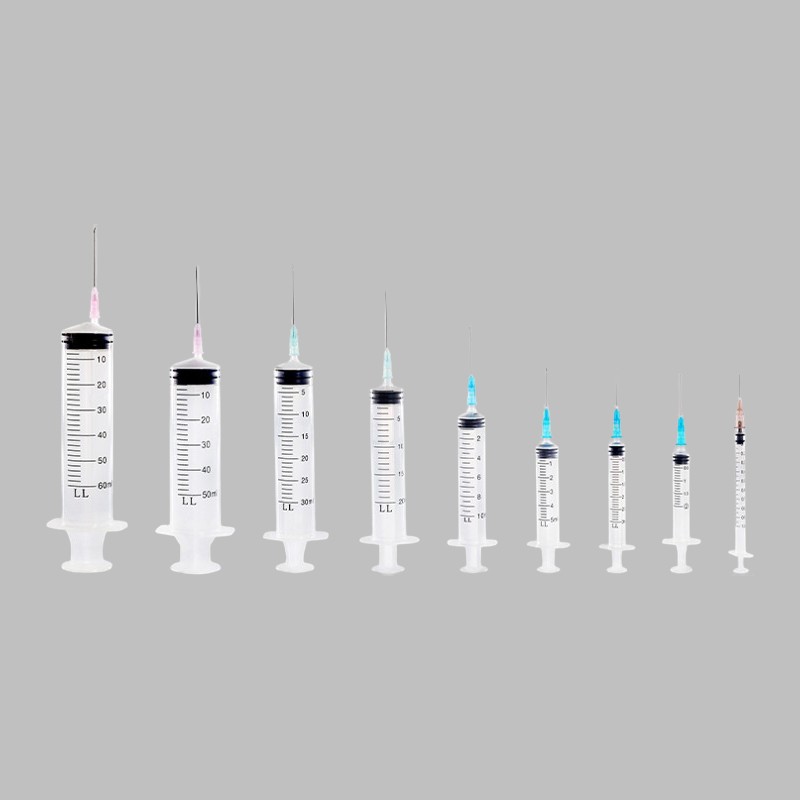
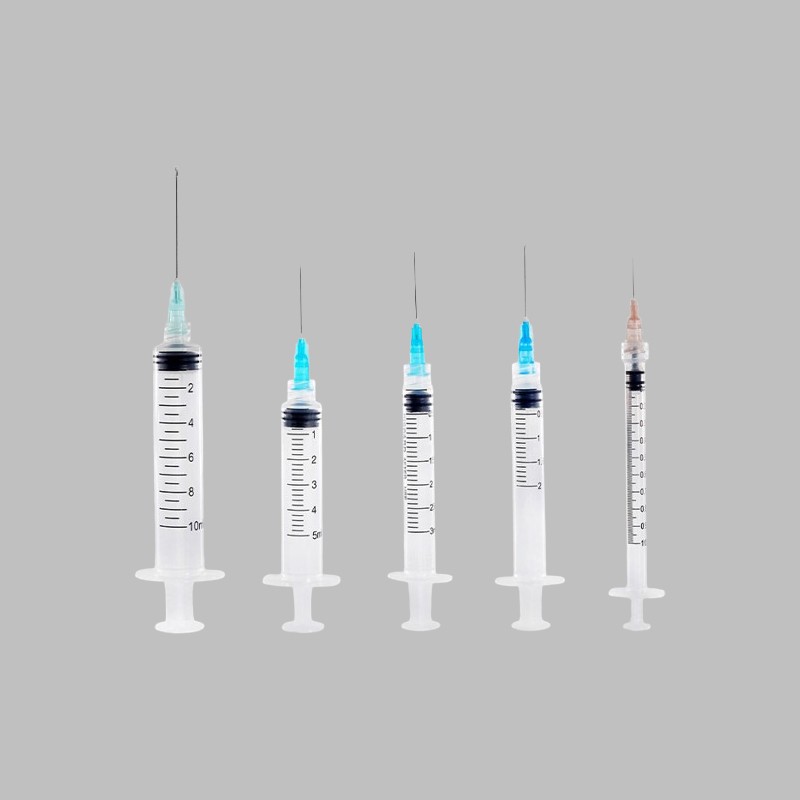
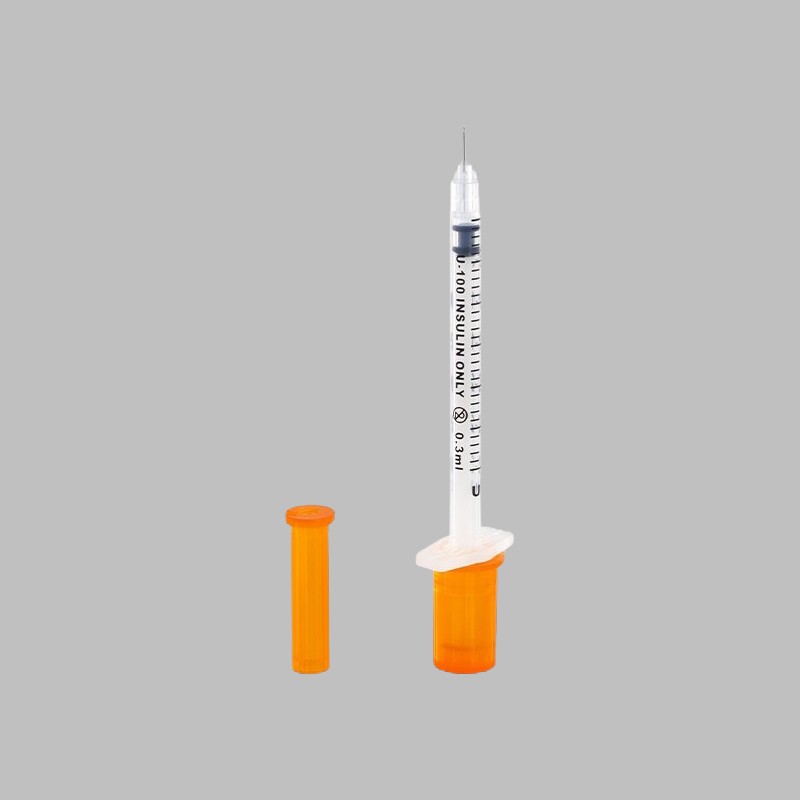
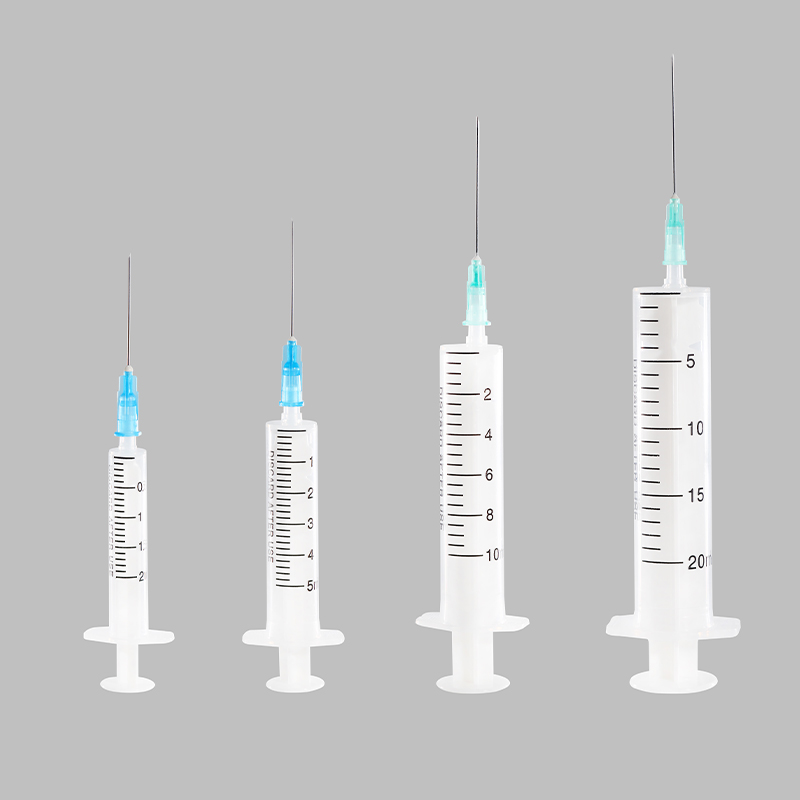
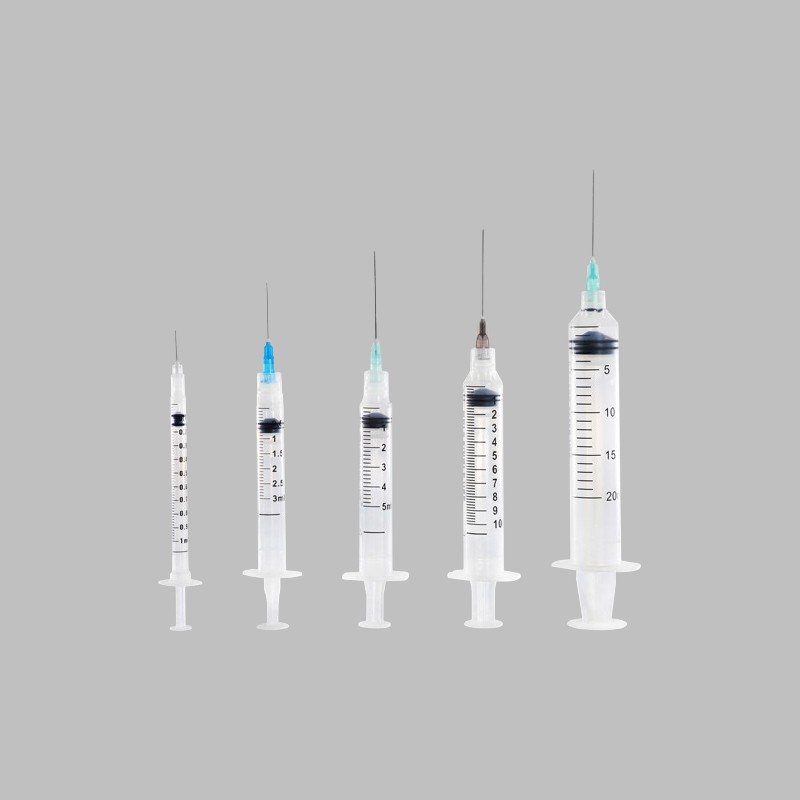
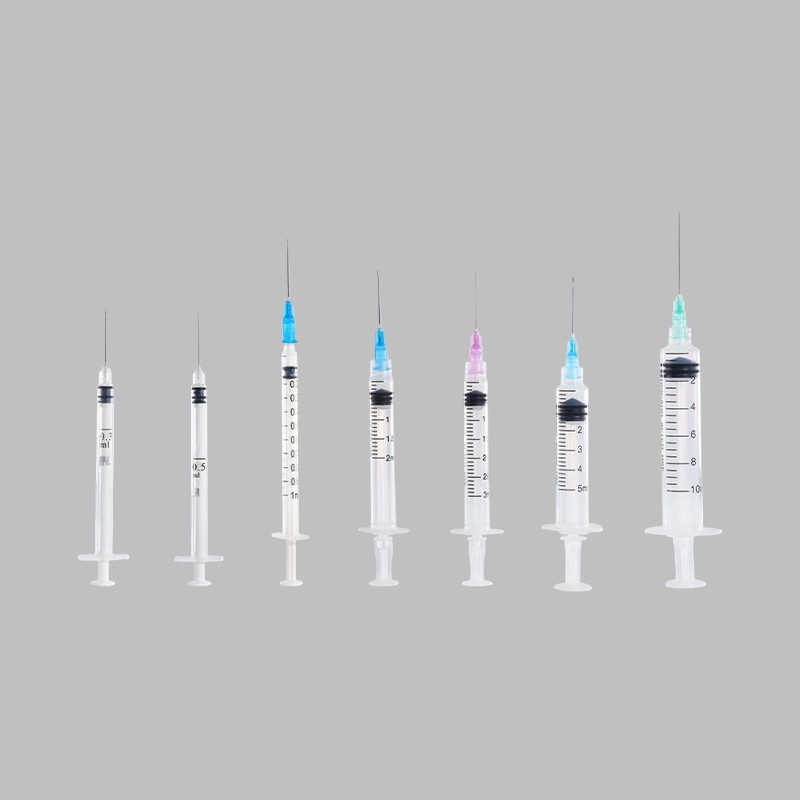


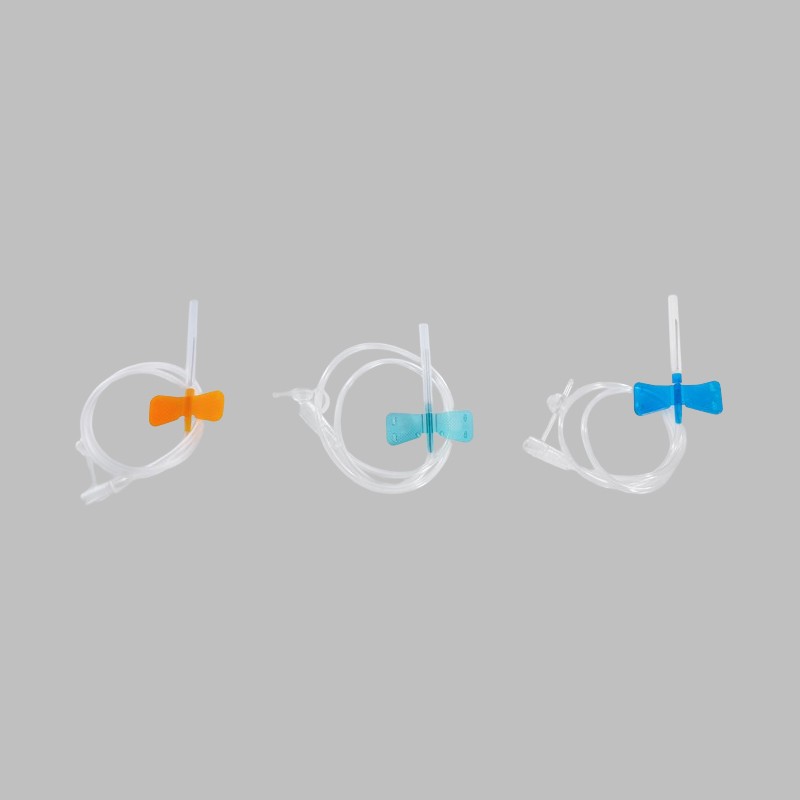




Knowing how to identify the size of a hypodermic needle is important for healthcare professionals, medical device buyers, distributors, and anyone comparing different needle specifications. A needle size is not determined by one measurement alone. The key specifications include needle gauge, outer diameter, needle length, and hub identification.
In general, the gauge number indicates the needle diameter, while the length describes how long the needle is. A higher gauge number generally means a smaller outer diameter and a thinner needle. For example, a 25G needle is thinner than a 21G needle.
This guide explains how to read hypodermic needle sizes, understand gauge numbers, compare needle lengths, use a needle size chart, and identify the specifications shown on medical needle packaging.
Quick Answer: How Do You Tell What Size a Needle Is?
You can identify a hypodermic needle size by checking four main specifications:
Gauge (G): Indicates the needle's diameter designation.
Needle length: Indicates the physical length of the needle shaft.
Metric diameter: Expresses the approximate outer diameter in millimeters.
Hub color: Provides a visual reference for gauge under applicable color-coding standards.
For example, a specification such as 25G × 1 inch means the needle has a 25-gauge diameter designation and a length of 1 inch. The packaging label or manufacturer's specification sheet should be used to confirm the exact needle size.
How Is Hypodermic Needle Size Measured?
Hypodermic needles are commonly identified using a combination of gauge and length. These two measurements describe different characteristics of the needle.
| Specification | What It Means |
|---|---|
| Gauge (G) | Identifies the needle diameter designation. |
| Outer Diameter | The outside diameter of the needle tube, normally expressed in millimeters. |
| Needle Length | The distance from the hub to the needle tip. |
| Hub Color | A visual identification method used under applicable needle color-coding standards. |
When comparing two needles, it is therefore important to look at both gauge and length. Two needles can have the same gauge but different lengths, or the same length but different gauges.
What Does Needle Gauge Mean?
Needle gauge, usually written as G, is a traditional size designation used to identify the diameter of a hypodermic needle. In general, the higher the gauge number, the smaller the needle's outer diameter.
For example:
18G is larger in diameter than 21G.
21G is larger in diameter than 25G.
25G is larger in diameter than 27G.
27G is larger in diameter than 30G.
This means that a higher gauge number does not mean a thicker needle. It generally means a thinner needle.
Does a Higher Gauge Mean a Smaller Needle?
Yes. In the commonly used hypodermic needle gauge system, a higher gauge number corresponds to a smaller outer diameter. For example, a 27G needle is thinner than a 21G needle.
However, gauge only describes the diameter designation. It does not tell you the needle's length. A complete needle specification should therefore include both gauge and length.
What Does Needle Length Mean?
Needle length refers to the physical length of the needle shaft, normally measured from the hub toward the needle tip. It is commonly expressed in inches or millimeters.
For example:
25G × 5/8" = 25-gauge needle with a 5/8-inch length.
25G × 1" = 25-gauge needle with a 1-inch length.
22G × 1½" = 22-gauge needle with a 1.5-inch length.
Gauge and length should not be confused. Gauge describes the needle diameter, while length describes how long the needle is.
Hypodermic Needle Gauge and Size Chart
The following chart provides a general reference for commonly used hypodermic needle gauges and their approximate outer diameters. Exact specifications should always be confirmed against the applicable product standard and manufacturer's documentation.
| Gauge | Approx. Outer Diameter | Common Hub Color Reference* |
|---|---|---|
| 18G | 1.20 mm | Pink |
| 19G | 1.10 mm | Cream |
| 20G | 0.90 mm | Yellow |
| 21G | 0.80 mm | Green |
| 22G | 0.70 mm | Black |
| 23G | 0.60 mm | Blue |
| 24G | 0.55 mm | Purple |
| 25G | 0.50 mm | Orange |
| 26G | 0.45 mm | Brown |
| 27G | 0.40 mm | Grey |
| 28G | 0.36 mm | Blue-Green |
| 30G | 0.30 mm | Yellow |
*Hub colors are provided as a general reference and may depend on the applicable standard and product configuration. Always verify the exact specification from the product label or manufacturer's documentation.

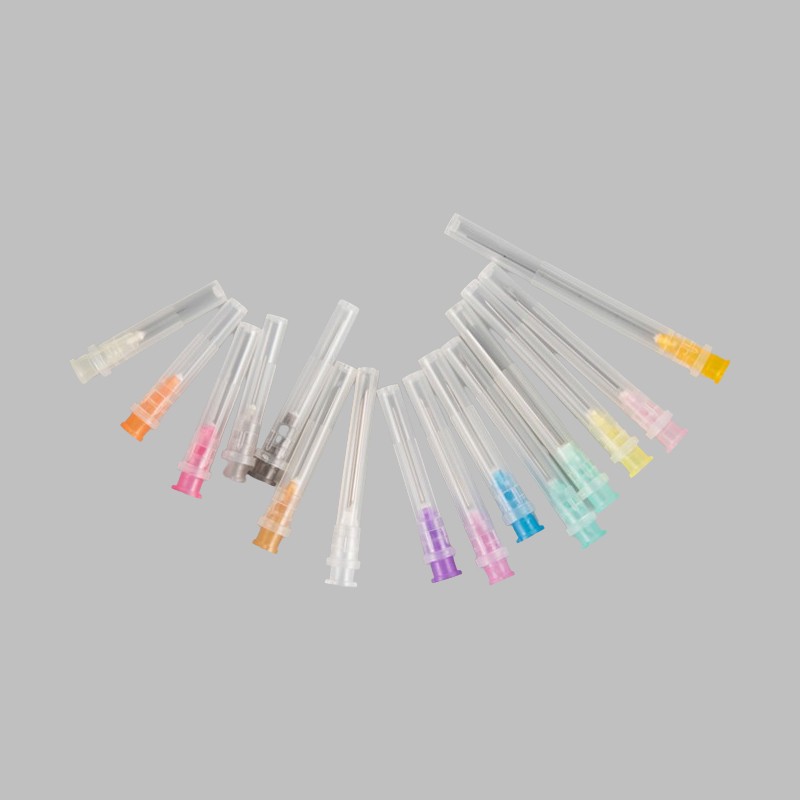
What Does the Color of a Needle Hub Mean?
The plastic hub of a disposable hypodermic needle may use color coding to help users visually distinguish different needle sizes. Under applicable color-coding standards, a particular color can correspond to a specific gauge.
Color coding can make it easier for healthcare personnel and medical device manufacturers to distinguish needle sizes quickly. However, hub color should not be considered the only method of identifying a needle.
For exact identification, check the gauge and length printed on the packaging or product label.This is especially important when purchasing multiple needle sizes or comparing products from different manufacturers.
How to Read a Hypodermic Needle Size
A hypodermic needle specification normally combines the gauge and length.
Example 1: 25G × 1"
25G identifies the gauge, while 1" identifies the needle length.
This specification therefore tells you two important things: the approximate diameter category of the needle and its physical length.
Example 2: 22G × 1½"
In this specification, 22G represents the gauge and 1½" represents the needle length.
A 22G needle has a larger outer diameter than a 25G needle, while the 1½-inch specification indicates its length.
Gauge vs. Needle Length: What Is the Difference?
| Feature | Gauge | Length |
|---|---|---|
| Describes | Needle diameter | Needle shaft length |
| Typical notation | 18G, 21G, 25G, 27G | 5/8", 1", 1½" |
| Metric reference | Millimeters | Millimeters |
| Higher number means | Generally smaller diameter | Longer physical length |
Both specifications are important when selecting or purchasing hypodermic needles. Looking at gauge alone does not tell you the complete needle size.
What Are the Common Hypodermic Needle Sizes?
Common hypodermic needle sizes include 18G, 20G, 21G, 22G, 23G, 25G, 26G,27G, 29G and 30G. Different sizes may be manufactured with different needle lengths and configurations.
The appropriate specification depends on the intended medical procedure, medication characteristics, required flow rate, injection route, equipment compatibility, and applicable clinical requirements.
For this reason, there is no single hypodermic needle size that is suitable for every application. Healthcare professionals should select the appropriate specification according to the procedure and applicable instructions.
How to Identify a Needle Without Its Packaging?
If the original packaging is unavailable, you can use several characteristics to help identify a hypodermic needle:
Check the hub color as an initial visual reference.
Check for markings on the hub, packaging, or connected components.
Measure the needle length if appropriate measuring equipment is available.
Measure the outer diameter using suitable precision equipment when an exact specification is required.
Compare the measured dimensions with the manufacturer's specifications or applicable standards.
Visual inspection alone should not be used to confirm an exact medical device specification. For clinical or procurement purposes, the original packaging, product label, certificate, or manufacturer's technical documentation should be used whenever available.
How to Choose the Right Hypodermic Needle Size?
Needle selection depends on the intended application rather than gauge alone. Several factors should be considered:
Injection route:Different injection routes may require different needle dimensions.
Medication characteristics:Fluid viscosity and formulation can influence the appropriate needle specification.
Required flow rate:Needle diameter can affect the rate at which fluid passes through the needle.
Required penetration depth:Needle length should be appropriate for the intended procedure.
Equipment compatibility: The needle hub must be compatible with the syringe or other medical device.
Clinical requirements: Healthcare professionals should follow applicable clinical guidelines and product instructions.
For medical use, the final needle specification should be selected by appropriately qualified healthcare professionals based on the specific procedure and patient requirements.
Common Questions About Hypodermic Needle Sizes
How do you tell what size a hypodermic needle is?
Check the gauge and length shown on the product packaging or label. Gauge identifies the needle diameter designation, while length indicates the needle shaft length. Hub color can provide an additional visual reference under applicable color-coding standards.
What does the gauge number mean on a needle?
The gauge number is a traditional designation used to identify the diameter of a hypodermic needle. In general, a higher gauge number means a smaller outer diameter. For example, a 25G needle is thinner than a 21G needle.
Is a 25G needle smaller than a 21G needle?
Yes. A 25G needle generally has a smaller outer diameter than a 21G needle. However, the overall needle specification also includes length, so gauge should not be used as the only measurement when comparing two needles.
What is the difference between needle gauge and needle length?
Gauge describes the needle's diameter, while length describes the distance from the hub toward the needle tip. For example, 25G × 1" identifies a 25-gauge needle with a one-inch length.
Can needle color tell you the needle size?
Hub color can provide a quick visual reference for needle gauge under applicable color-coding standards. However, color should not be used as the sole method of confirming a specification. Always check the product label and manufacturer's documentation for exact information.
How should I confirm the exact needle size?
The most reliable method is to check the manufacturer's product label, packaging, technical specification, or certificate. These documents provide the gauge, length, dimensions, and other relevant product information needed for accurate identification.
Need Hypodermic Needles in Different Sizes?
Changzhou Medical Appliances General Factory Co., Ltd. supplies disposable hypodermic needles in a range of gauge and length configurations for healthcare applications. Different specifications can be selected according to product requirements, packaging needs, and application conditions.
Our team can provide product specifications and technical information to help distributors, medical device buyers, and healthcare product companies evaluate suitable needle configurations.
Request a QuoteConclusion
Identifying a hypodermic needle size requires more than looking at the needle itself. The key specifications are gauge, outer diameter, needle length, and applicable hub color coding. Remember that a higher gauge number generally represents a smaller needle diameter, while needle length is specified separately.
When purchasing or using medical needles, always confirm the exact gauge and length from the product packaging, label, manufacturer's technical documentation, and applicable standards. Proper specification selection helps ensure that the needle is suitable for its intended application and compatible with the relevant medical device.