






News Categories

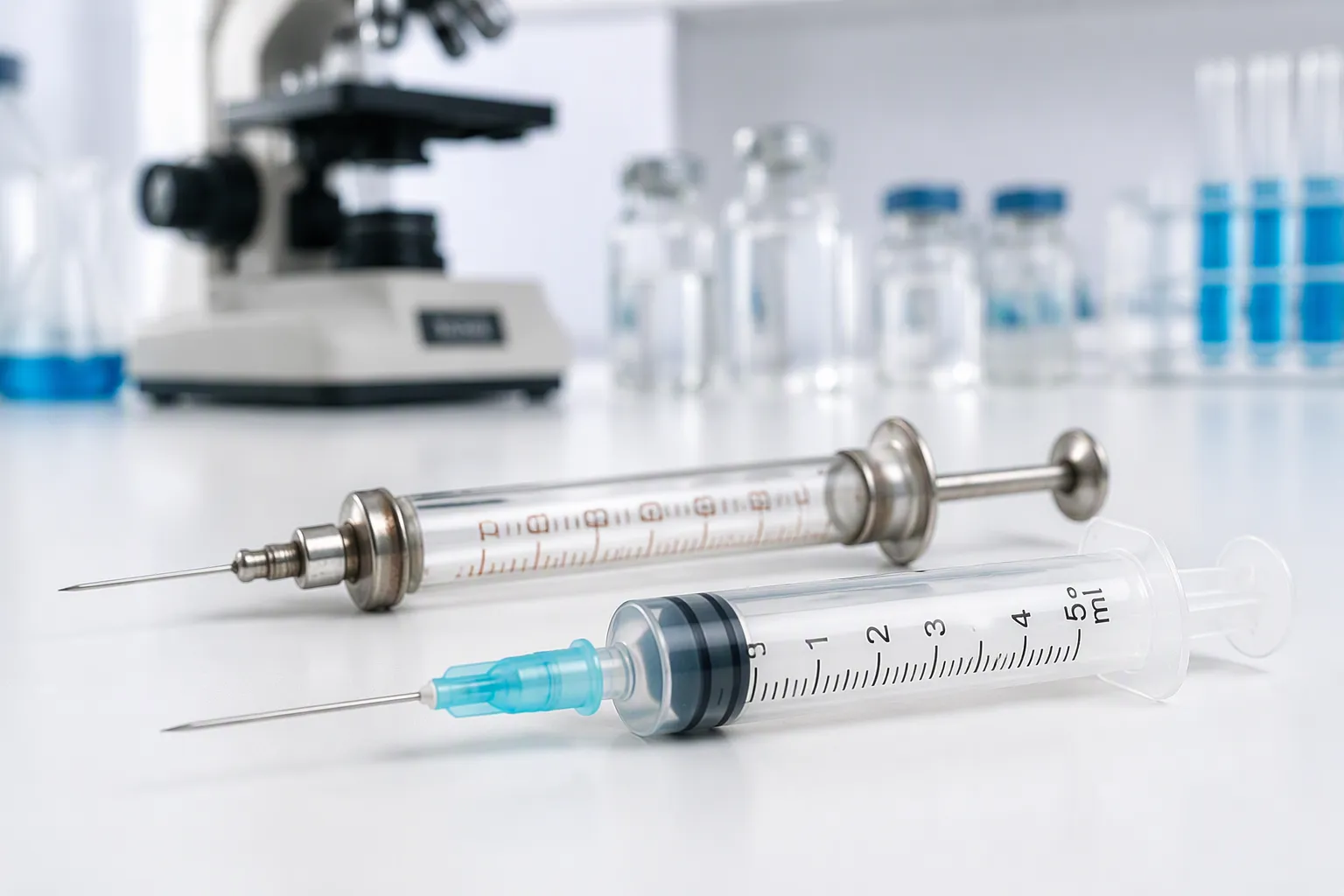
A nurse opens a sterile pack, gives a shot, and drops the plastic syringe into a sharps bin. That simple act looks nothing like the old glass-and-metal tools that clinics once boiled and reused. The medical disposable syringe became possible through better materials, reliable sterilization, and smarter safety design. This shift did not happen overnight. The history of injection devices stretches from ancient tubes to today's precision-engineered plastic barrels. Each era added a piece to the historical timeline. The single-use model finally replaced reuse as the standard of care. Think about a routine flu shot. One sterile hypodermic syringe, one patient, one safe injection. That everyday moment carries a long story of invention.
Early syringes were simple tubes that healers used again and again without cleaning them to kill germs.
Alexander Wood's 1853 hypodermic syringe made shots exact and worked well.
Colin Murdoch invented the first disposable syringe in 1956, and plastic made it cheap enough to use in 1961.
Single-use syringes became the normal choice because of safety rules and features that stop people from using them again.
New ideas like auto-disable designs and better materials keep making shots safer.
Long before plastic barrels and sharp steel tips, people needed a way to push liquids into the body or draw them out. The first syringe-like tools were just simple tubes. Healers used hollow reeds, animal bladders, and clay pipes to move fluids. These devices worked like a straw. A person squeezed a soft bulb, and liquid moved through the tube.
Archaeologists found one of the oldest examples in the Indus Valley Civilization, which thrived from 3300 to 1300 BCE. Diggers uncovered small bone needles with drilled holes. These tools were probably used for washing or for putting on medicine. They show that the basic idea of a tube plus a plunger is very old. The early history of injection tools begins with these simple materials, not with metal or glass.
Glass and metal barrels came much later, and they changed how medicine was practiced. A glass barrel let a doctor see the liquid inside. A metal plunger fit tightly and pushed the dose with control. These instruments cost a lot, so no one threw them away. Cleaning and reuse became the normal routine.
Sterilization science did not exist yet. Doctors rinsed barrels with water, alcohol, or other liquids and used them again on the next patient. They did not understand germs or how infections spread. Reuse was simply practical. A clinic owned a few medical syringes and kept them for years. This habit set the stage for the next big leap, when a Scottish doctor combined a needle and a barrel into one refined tool.
In 1853, Scottish doctor Alexander Wood gave the modern hypodermic syringe its useful shape. Instrument maker Daniel Ferguson built the device. Wood put three existing ideas together into one working tool: a hollow needle, a place to hold liquid, and a plunger to push the dose. That mix changed medicine.
Design element | Description |
|---|---|
Maker | Syringe crafted by instrument manufacturer Daniel Ferguson |
Barrel | Clear glass, so the doctor could see the contents and control the amount given |
Needle | Thin hollow needle attached to the syringe |
Drive mechanism | Piston/plunger forcing the solution through the needle |
Delivery route | Into tissue beneath the skin (not into a vein) — termed "subcutaneous injection" |
Use case | Morphine solution injected near the painful area (e.g., neuralgia) |
The hypodermic needle sent medicine right under the skin. This path skipped the digestive system and gave a faster, more steady result than swallowing a drug. The clear, marked barrel also let doctors give exact amounts of medicine. Wood reported his first morphine injection in 1855:
"The relief was almost instantaneous, and the patient slept."
This moment is a turning point in the history of the medical syringe. The hypodermic syringe made treatments possible that would fail if taken by mouth.
In 1894, Hermann Wülfing-Lüer improved the design with a marked all-glass hypodermic syringe. The glass barrel and matching glass plunger fit together tightly. Marks along the barrel helped clinicians measure doses with confidence. This improvement made hypodermic syringes more reliable in daily practice.
These instruments were still reusable. Clinics cleaned and boiled them between patients. The shift to disposability came later. For now, the hypodermic syringe had earned its place as a core medical tool, and medical syringes would keep evolving from this glass foundation.
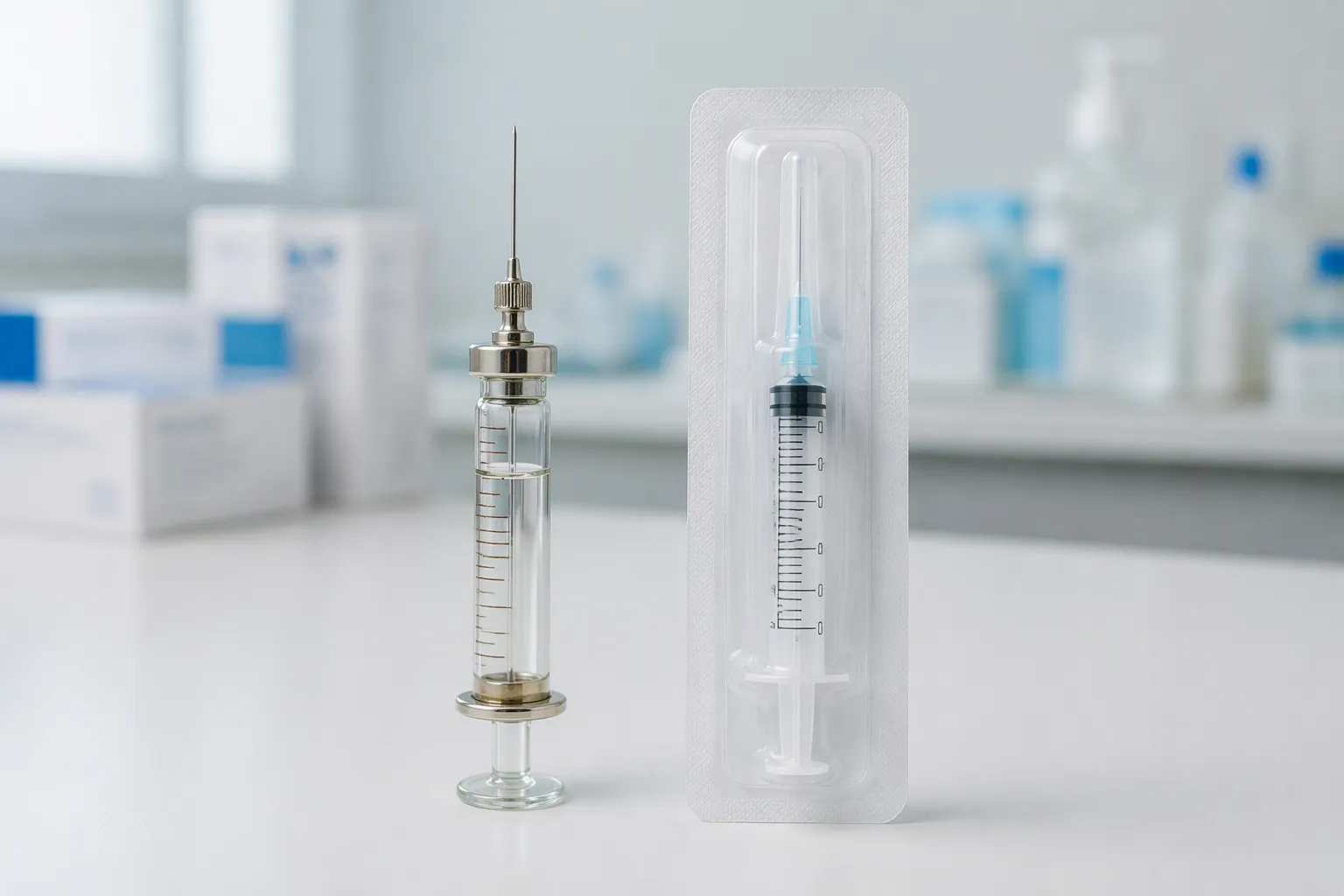
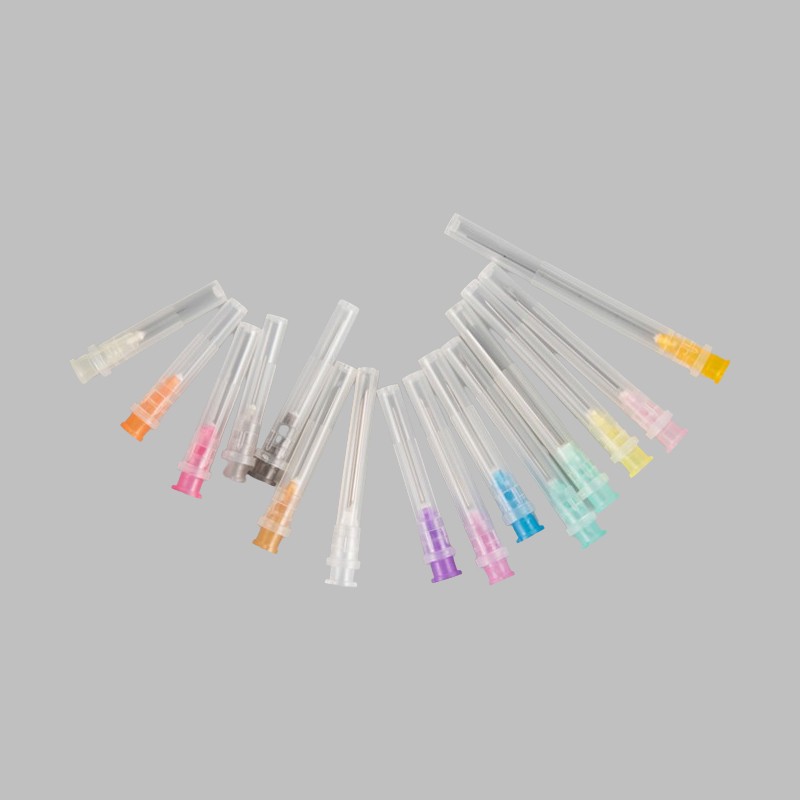
Reusable glass barrels worked well for medicine for many years. But they also had hidden dangers. Cleaning a barrel between patients did not always kill every germ. Clinics needed a tool that came sterile and was thrown out after one use. In 1956, New Zealander Colin Murdoch met that need. He made the first disposable sterile prefilled hypodermic syringe. His design came ready to use. A clinician opened the pack, gave the dose, and tossed the device away. No boiling. No scrubbing. No shared barrel. This invention was a clear turning point in the history of the medical disposable syringe. It showed that one-time use could work in real practice. The idea spread slowly at first. Glass still ruled many clinics. The next step needed a cheaper material that could be molded by the million. Murdoch's prefilled format also saved time at the bedside. A nurse did not need to draw a dose from a vial. The device already held the medicine. That convenience mattered in busy wards and field clinics. The hypodermic needle delivered the medicine right under the skin.
Plastic changed everything. In 1961, makers brought plastic disposable syringes to the market. Becton Dickinson released its Plastipak line around the same time. This launch helped spark what people called the "Disposables Revolution." A plastic medical syringe cost much less than a glass one. Factories could mold barrels and plungers fast and in huge numbers. Each unit came sterile and sealed. A clinician used it once and threw it away. The shift cut the risk of contamination between patients. It also lowered cross-contamination and infections in hospitals and clinics. The disposable plastic syringe became a practical tool for everyday care, not a luxury item. Hospitals could stock shelves with thousands of units. Staff no longer spent hours on cleaning and sterilization. That saved labor and reduced errors. The sealed pack also gave patients a visible sign of safety.
The evolution continued through the 1970s. Phil Brooks patented the disposable syringe in 1974. Before his patent, syringes were usually made of glass and had to be cleaned and sterilized for reuse. Reused syringes carried risks of passing on infections or disease even when sterilized. Brooks used plastic materials instead. Factories could mass-produce disposable syringes and discard them after a single use. His patent strengthened the one-time-use model. It lowered the risk of accidental infections and removed the need for sterilization after use. The timeline now pointed in one direction. Single-use devices were here to stay. The patent also gave manufacturers a clear legal path. They could invest in plastic molding lines without fear of copying. That confidence drove faster production and wider adoption.
Each step built on the last. Murdoch showed that a prefilled disposable hypodermic syringe could work. Plastic made the idea affordable. Brooks secured the design in the patent record. Together, these advances moved the hypodermic syringe from a reusable instrument to a throwaway tool. The disposable hypodermic syringe became the standard. Clinics no longer needed to sterilize hypodermic syringes between patients. The medical disposable syringe turned a bold idea into routine practice. That routine now protects millions of patients every day. The disposable turn was complete. A tool once boiled and reused had become a sterile, single-use device.
Single-use disposables spread to every hospital and clinic during the late twentieth century. Safety concerns drove this change. In the early 1980s, health agencies pushed for one-time devices. They wanted to lower the risk of blood-borne infections like HIV and hepatitis B from reused needles. Reusable barrels also brought needle-stick dangers during capping and re-sterilization. Poor sterilization could spread disease. Three forces then locked the model in place:
Infection-control rules required tamper-evident packaging, better plunger designs, and materials that resist breakage.
International standards set common rules. ISO 7886-1 fixes graduation accuracy at plus or minus 4 percent for 1 ml, 3 percent for 5 ml, and 2 percent for 10 ml and larger barrels. The ISO 7886 series covers single-use sterile syringes, and ISO 8536 covers IV administration sets.
Quality-system rules such as ISO 13485 and FDA 21 CFR Part 820 forced makers to prove consistency. Sterility testing limits colony counts below 1 CFU/ml and endotoxin below 0.5 EU/ml.
These rules made the medical disposable syringe the same across regions. They also raised trust among buyers.
One manufacturer carries this tradition forward. Medical Equipment General Factory (Lelun), run by Changzhou Medical Appliances General Factory Co., Ltd., was founded in 1988. The company runs a 50,000 square meter facility with a 15,000 square meter purifying workshop.
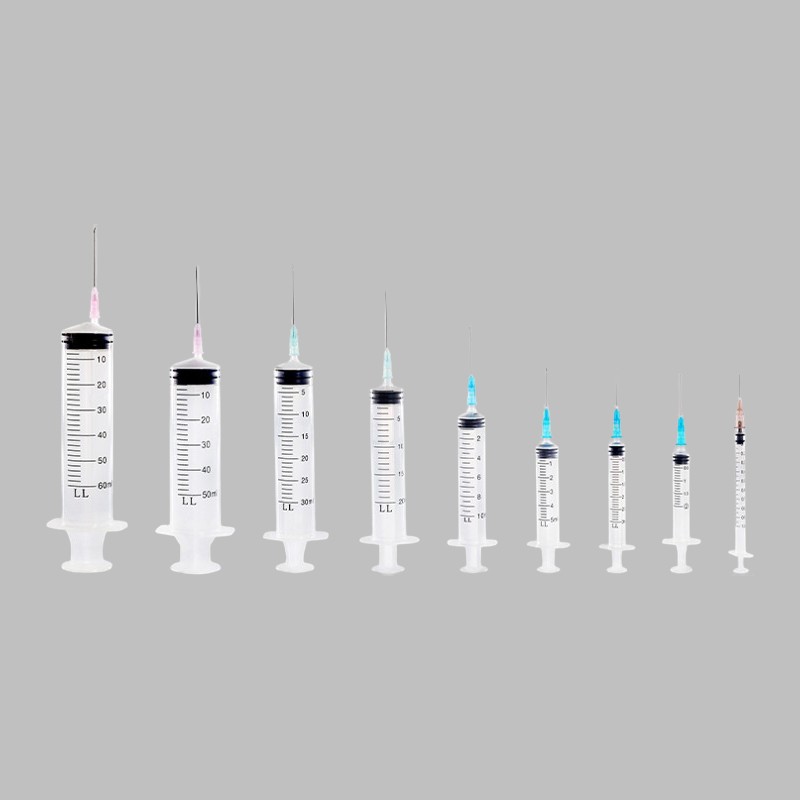
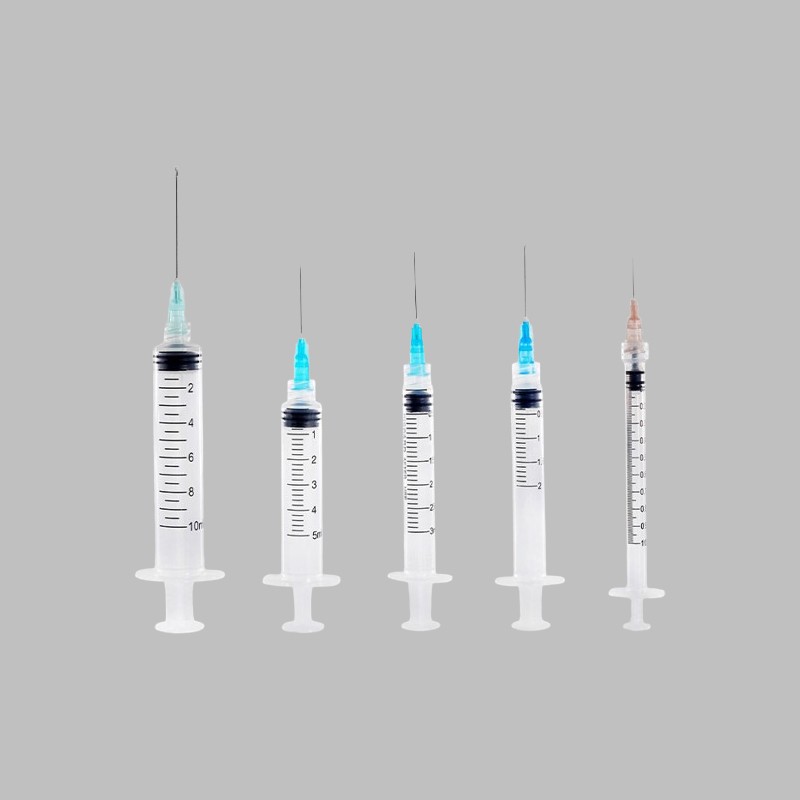
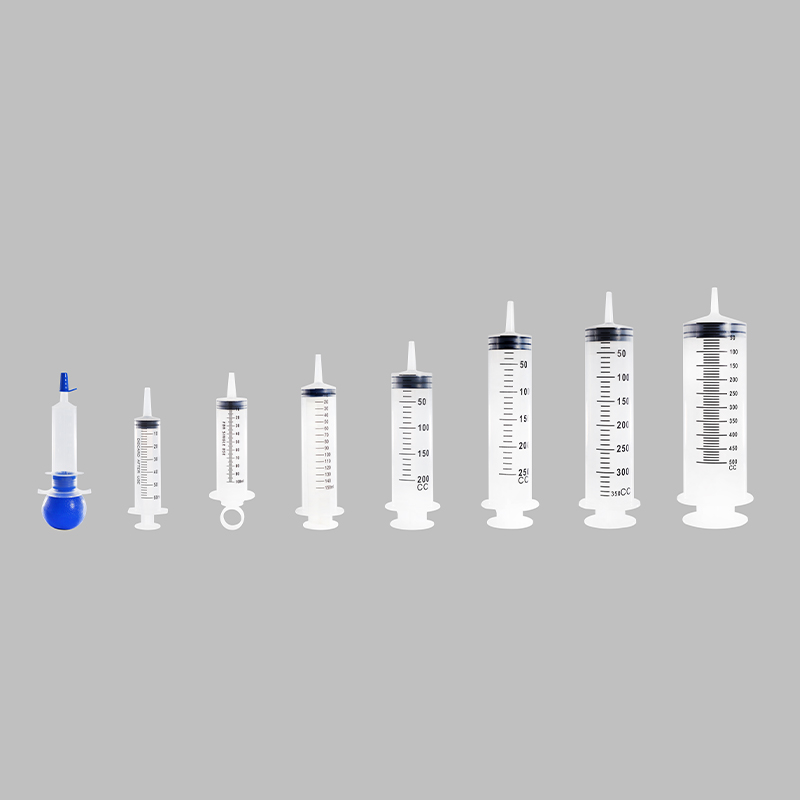
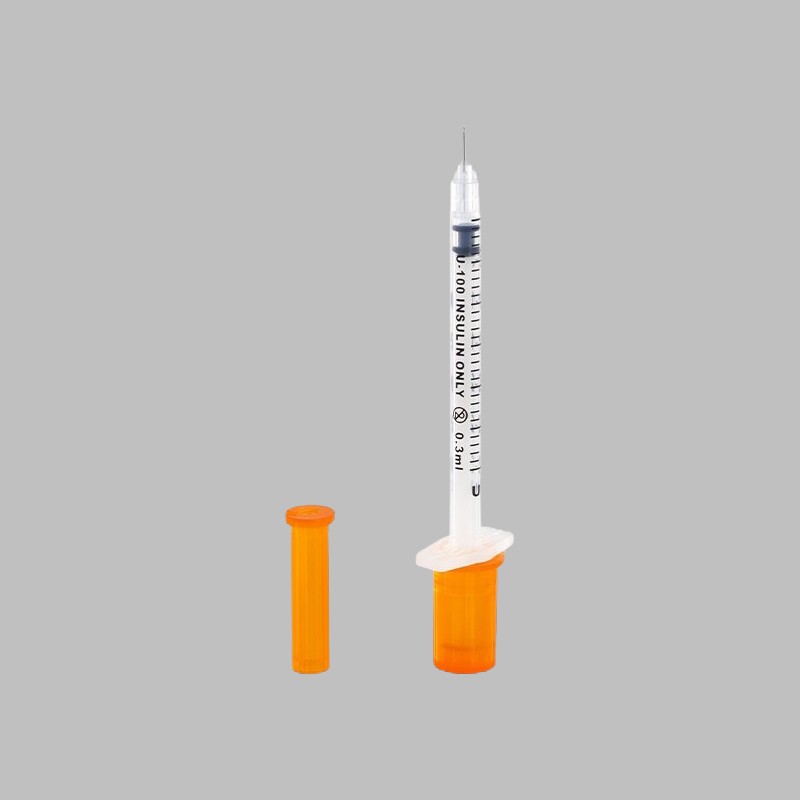
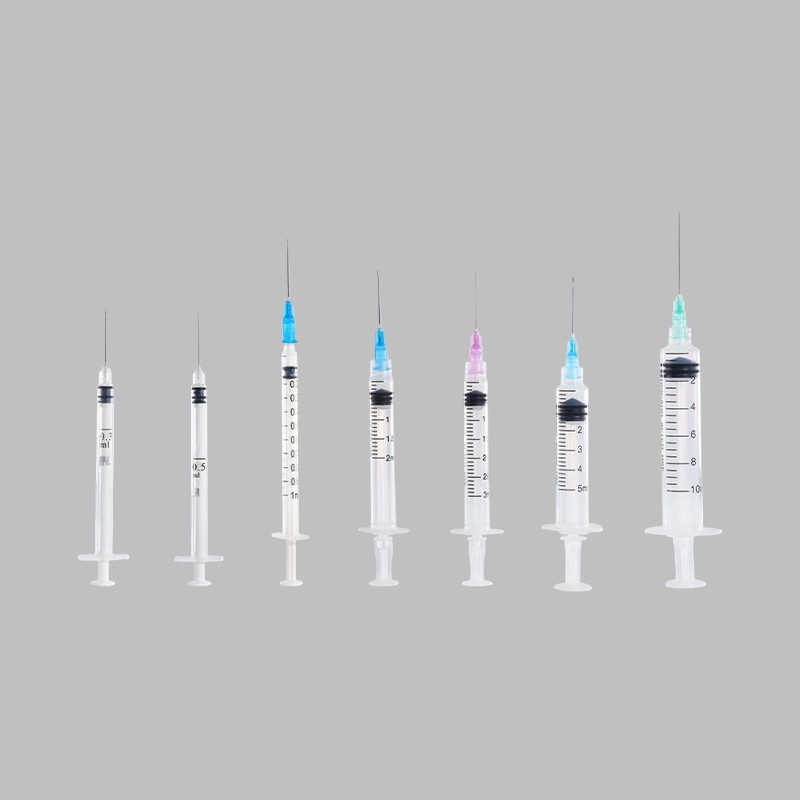
The range of disposable medical syringe types and uses has grown wide. Each design fits a specific clinical job.
Type | Design Feature | Typical Use |
|---|---|---|
Luer lock | Threaded needle connection | Viscous drugs, IV push, high-pressure lines |
Luer slip | Friction-fit connection | Subcutaneous shots, quick procedures |
Irrigation | Controlled pressure delivery | Wound lavage, ear cleaning |
Insulin | Fine graduations | Insulin and anticoagulant dosing |
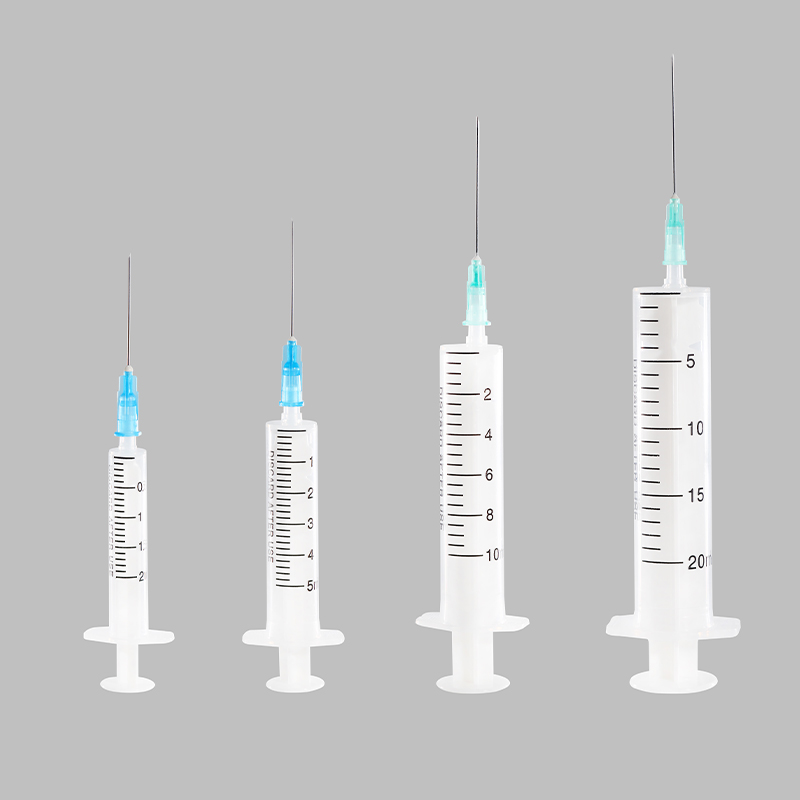
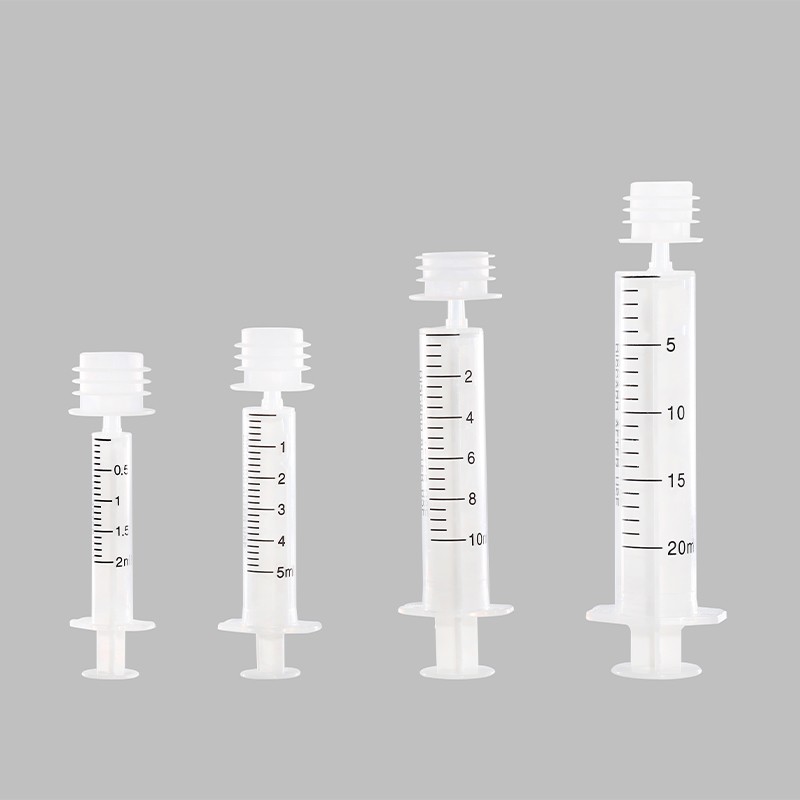
Two-part with needle | Barrel and plunger with attached needle | Routine injections |
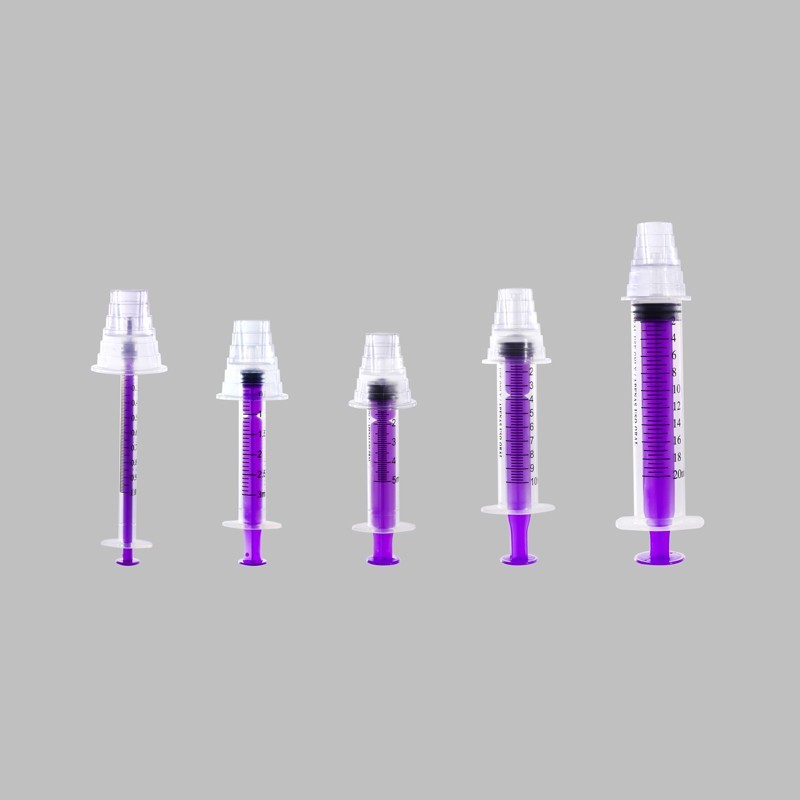
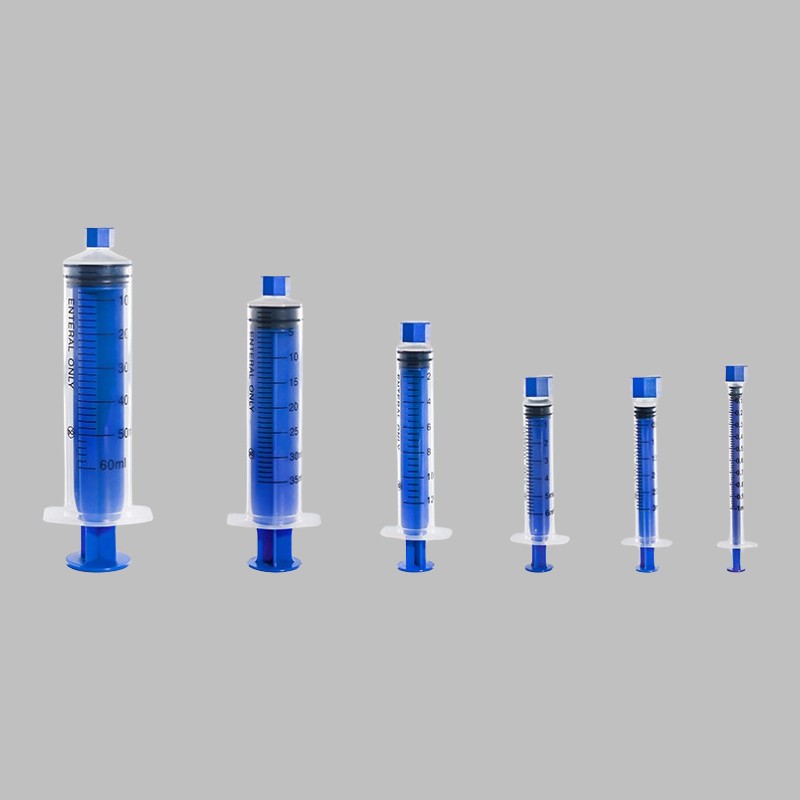
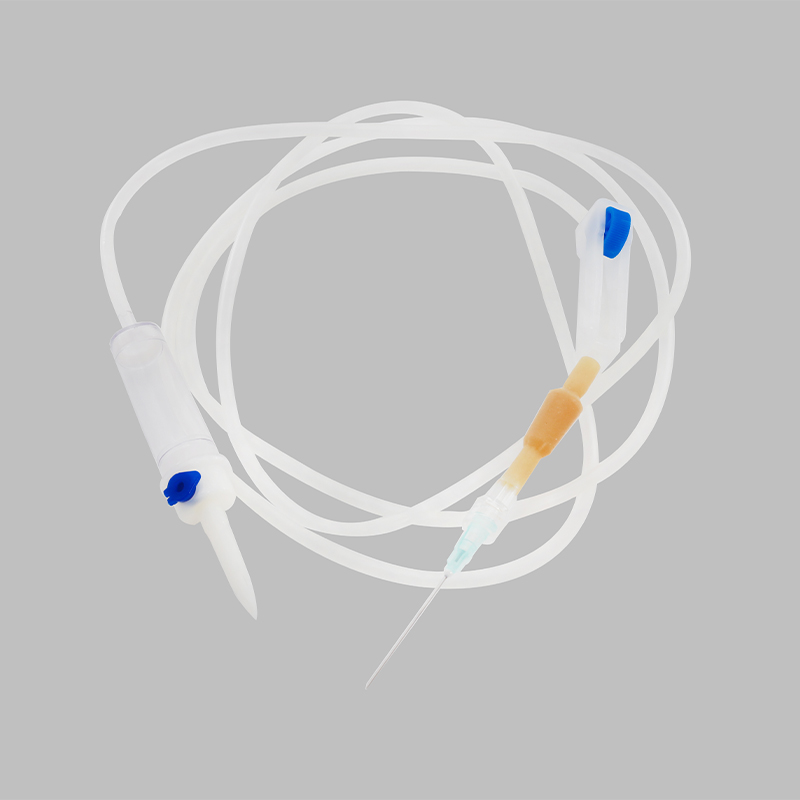
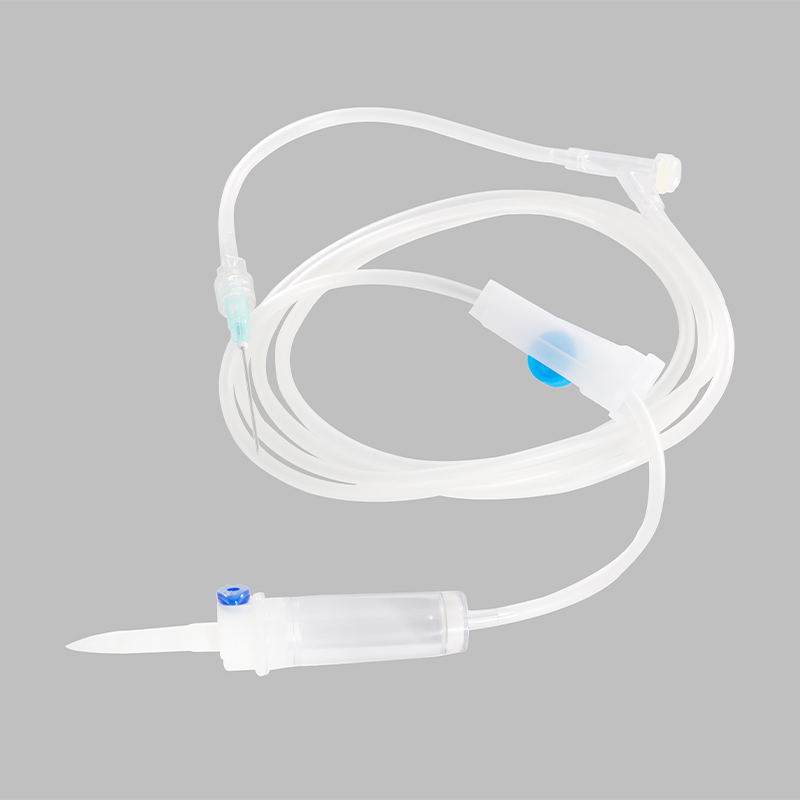
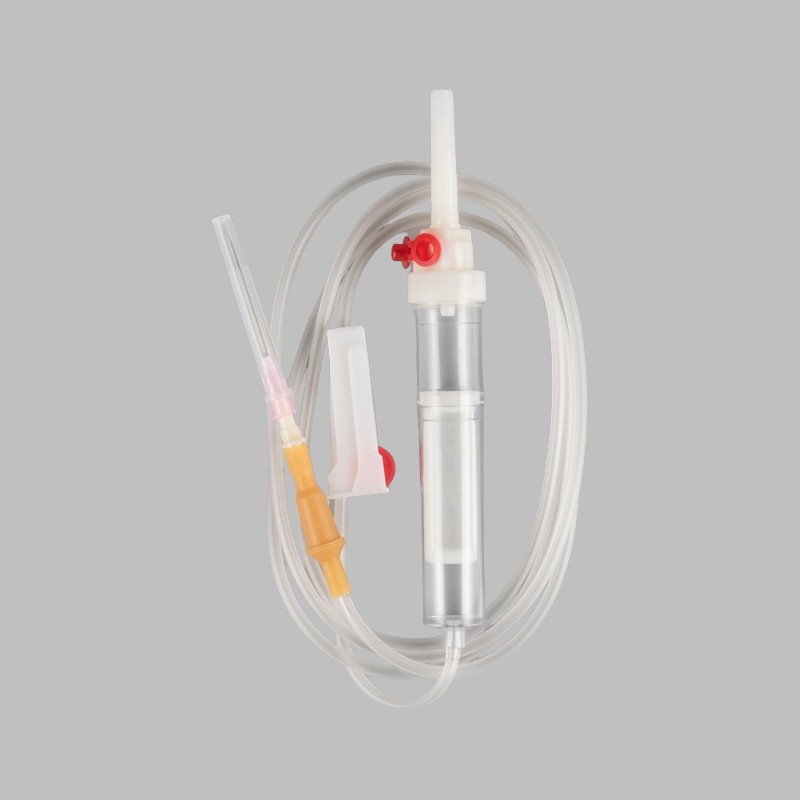
Luer lock barrels accept both lock and slip needles. Luer slip barrels take only slip needles. Stocking lock versions therefore offers more flexibility. Safety syringes and auto-disable models add a lock or retracting part. The device becomes unusable after one dose. WHO and UNICEF recommend auto-disable designs for immunization. Oral and enteral syringes serve pediatric and tube-feeding doses. Infusion sets complete the line for fluid delivery.
Lelun supplies these products for giving medications and vaccines. The company holds EC, ISO, SFDA, TGA, FSC, GMP, ISO13485, and CE certifications. It serves healthcare providers in more than 50 countries.
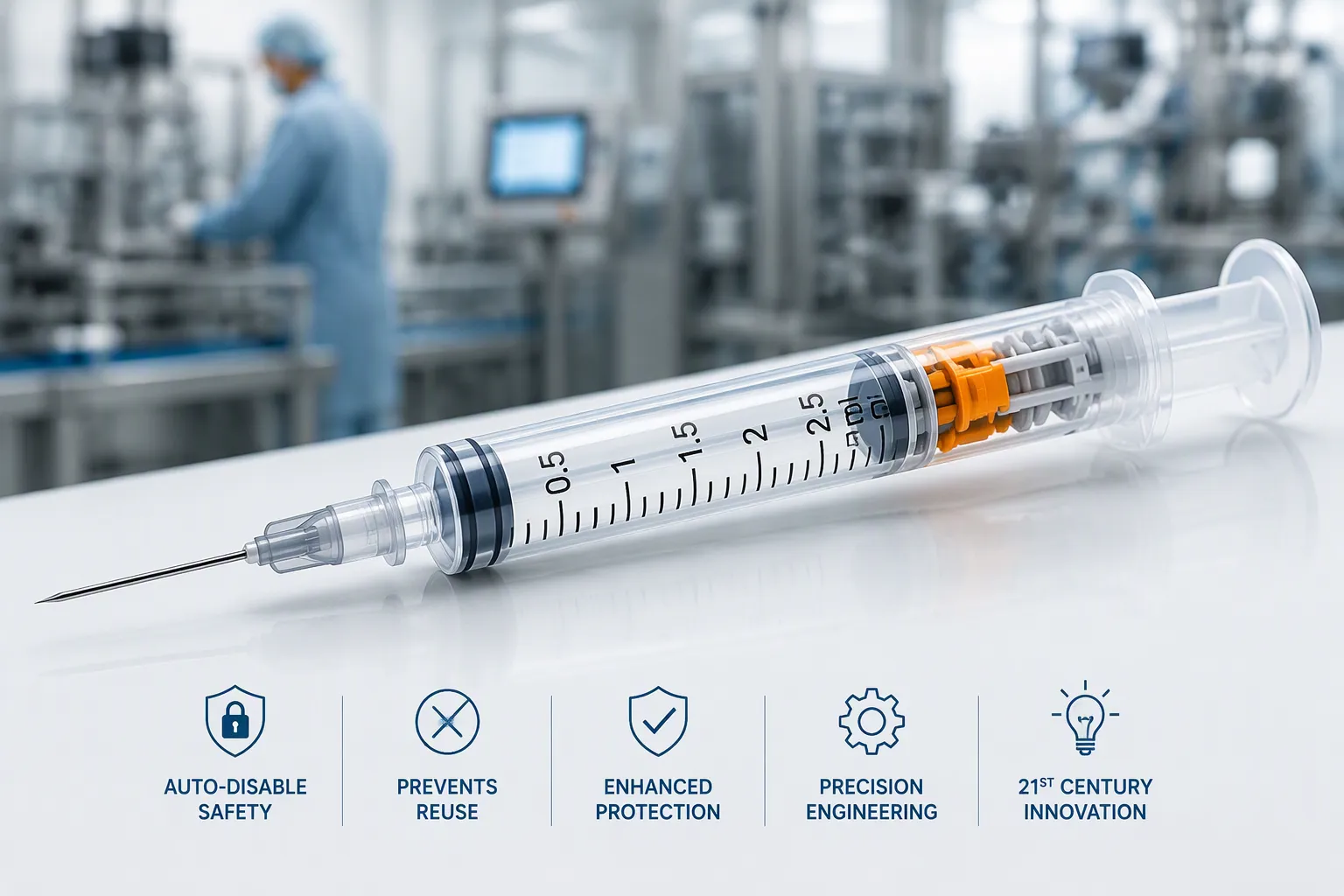
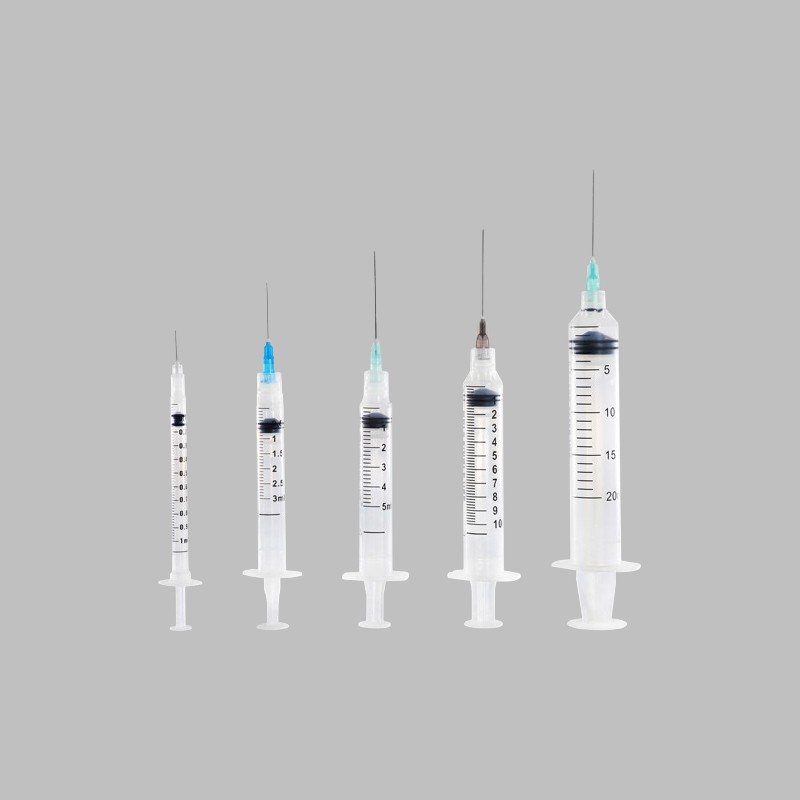
Modern safety engineering builds protection right into the device. Auto-disable designs make reuse physically impossible, and they do this without changing how clinicians work. Two mechanisms lead the market.
Design | Mechanism | How Reuse Is Prevented | Ideal Applications |
|---|---|---|---|
Front Lock (Plunger Lock) | A built-in plunger catches an internal locking part once pushed all the way down | The plunger and barrel lock together for good, so no second dose can be drawn | Vaccination campaigns that need visible proof of single use; training settings |
Back Lock (Barrel Break) | A plunger shaft made weak on purpose snaps when pushed all the way down | The broken rod cannot create suction to pull in liquid | High-volume immunization; places with less-trained staff |
Both designs meet ISO 7886-3, the standard for single-use syringes with features that stop reuse. These devices destroy themselves after use with no extra step. An elastic stopper stops accidental activation before the shot. A fixed-needle design also cuts dead space, so less medicine is left behind. After use, neither the hypodermic needle nor the barrel can be used again.
That number explains the push for devices that block reuse by design. Auto-disable models cut disease spread, protect healthcare workers, and prevent medicine from being diverted. They cost more upfront than a standard disposable syringe, but infection prevention and worker protection make up for that gap.
Medical Equipment General Factory (Lelun), operated by Changzhou Medical Appliances General Factory Co., Ltd., carries this safety tradition forward. Its own mold R&D center supports an average daily capacity of 5 million disposable syringes, which allows fast response to emergency orders. The company also offers customized services, free samples, and professional technical support, and world top 500 enterprises trust its output.
Material science keeps changing the medical syringe. Polymer research now delivers biocompatible plastics with better strength and clarity. These plastics stay lightweight and resist breaking, and they handle sterilization without breaking down. As a result, high-precision barrels for sensitive uses become possible.
Design work is moving forward on several fronts at once. Retractable needles and needle shields target needlestick injuries and cross-contamination, and they match global safety standards. Early-stage digital ideas explore dose tracking and linking with healthcare data systems. Sustainable options, including biodegradable plastics and low-waste formats, are entering product planning. Pre-filled formats keep gaining ground as well. No single path will fit every clinic, and each direction meets a different set of needs. The medical syringes of the next decade will likely mix several of these ideas. One theme holds steady: safety syringes and single-use syringes will remain the base of injection care.
The medical disposable syringe went through a long journey. Early healers reused simple tubes and glass barrels. Alexander Wood's 1853 hypodermic design made injections more exact. Plastic and sterilization science then made one-time use possible in real life. Single-use disposables soon became the normal standard, and modern safety features now stop reuse by design. This history shows a clear win for healthcare safety and ease of use. That flu shot moment, one sterile syringe for one patient, rests on more than a hundred years of steady improvement. Future designs will probably reach further into retractable needles, better materials, and dose-tracking features. Each step will keep the same goal: a safer injection for every patient.
Colin Murdoch, a New Zealander, made the first disposable sterile prefilled hypodermic syringe in 1956. His design came ready to use, so a clinician could open the pack, give the dose, and throw the device away. This invention was a clear turning point toward one-time use in medical practice.
Plastic made single-use devices affordable. In 1961, manufacturers brought plastic disposable syringes to market, and Becton Dickinson released its Plastipak line around the same time. Factories could mold barrels and plungers quickly and in large numbers. This lowered costs and helped spark the "Disposables Revolution."
Auto-disable designs lock or break the plunger after one dose, so reuse becomes physically impossible. Front-lock and back-lock mechanisms both meet ISO 7886-3, the standard for syringes that prevent reuse. Safety-engineered devices also add retractable needles and needle shields to reduce needlestick injuries.
Medical Equipment General Factory (Lelun), run by Changzhou Medical Appliances General Factory Co., Ltd., was founded in 1988. The company operates a 50,000 square meter facility with a 15,000 square meter purifying workshop. It holds EC, ISO, SFDA, TGA, FSC, GMP, ISO13485, and CE certifications and supplies healthcare providers in more than 50 countries.
ISO 7886-1 sets graduation accuracy for single-use sterile syringes, and the ISO 7886 series covers single-use sterile syringes as a whole. ISO 8536 covers IV administration sets. Quality-system rules such as ISO 13485 and FDA 21 CFR Part 820 require makers to prove consistency through sterility and endotoxin testing.
Whatsapp: +86-13616120206
E-mail: sale01@lelun.com
ADD: HengShanQiao Town, out of East Gate, Changzhou ,Jiangsu, China
Mobile: (+)86-13616120206