


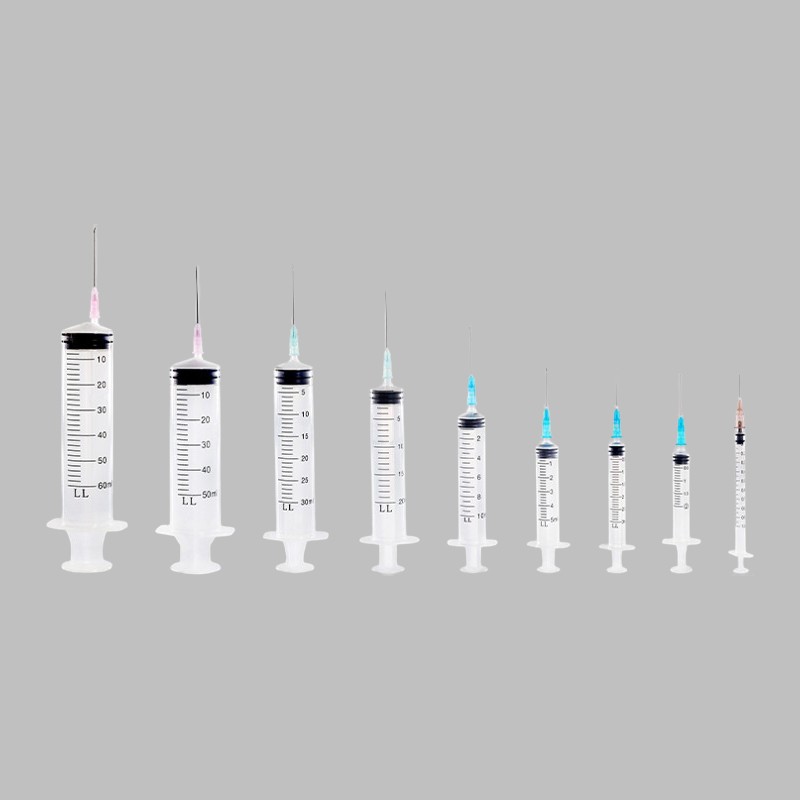
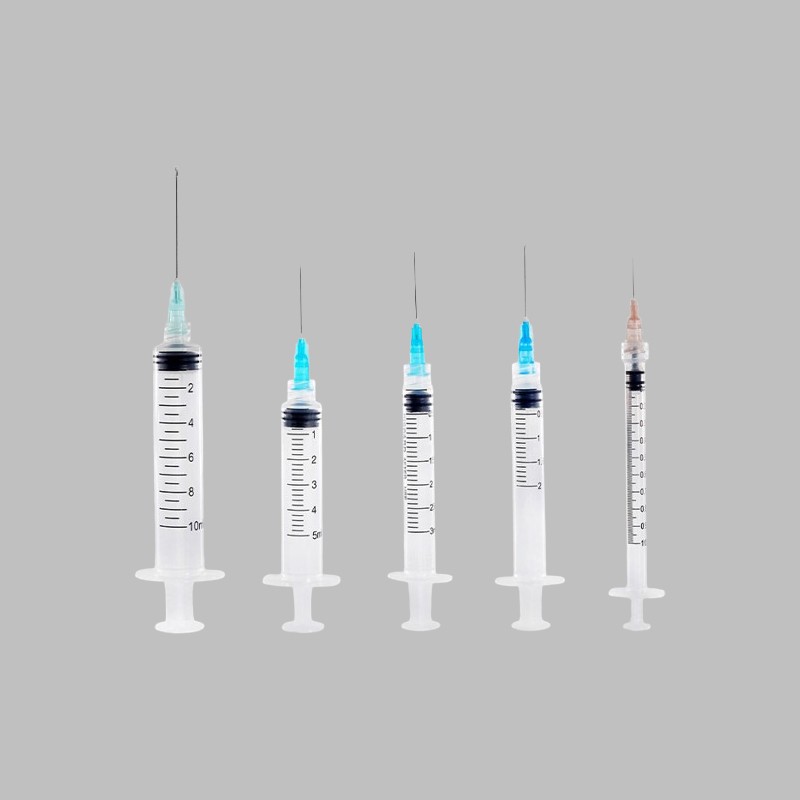
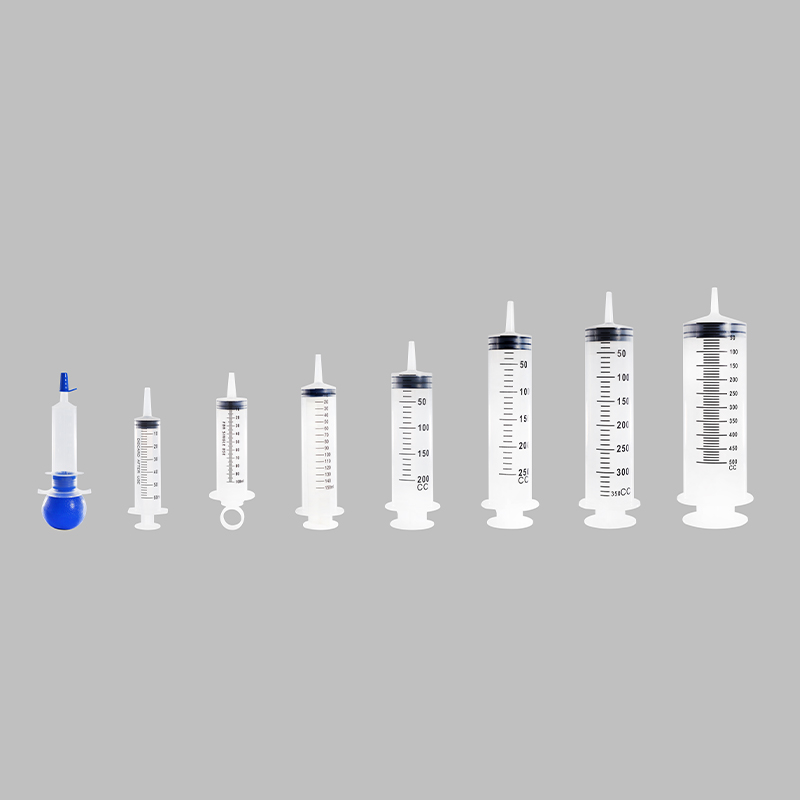
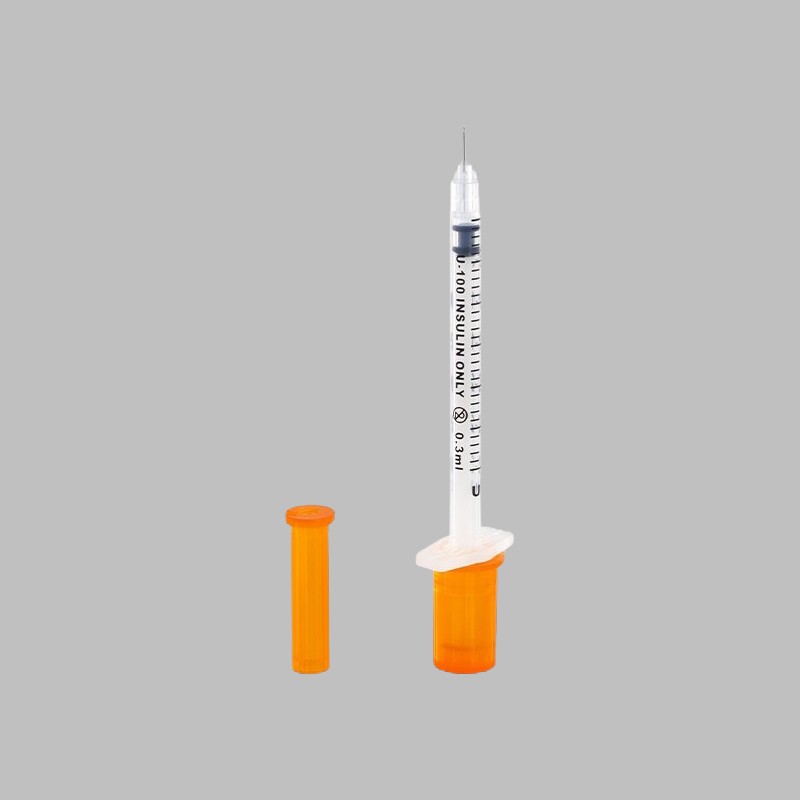
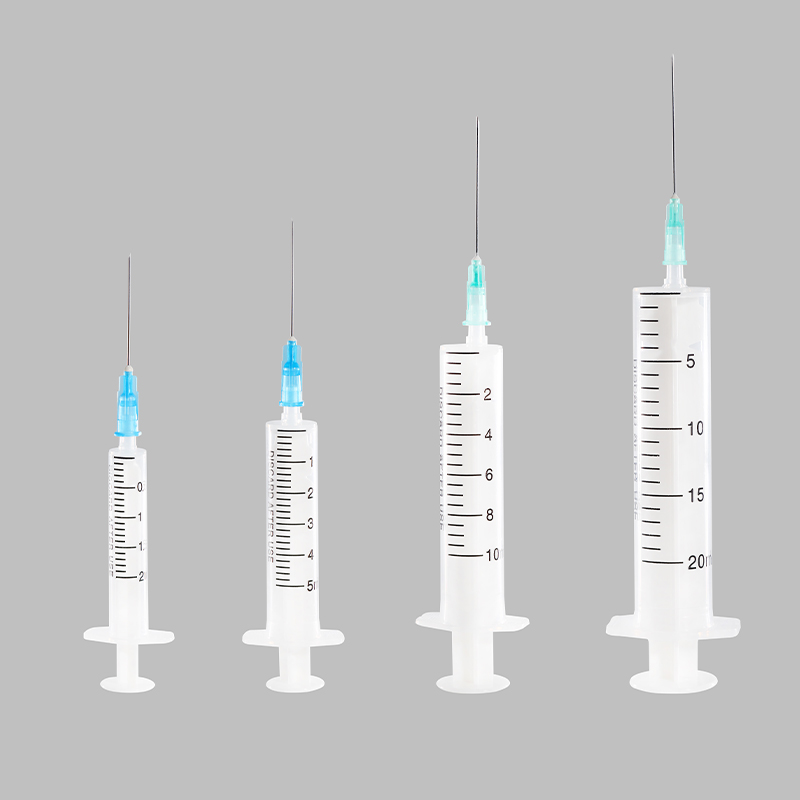
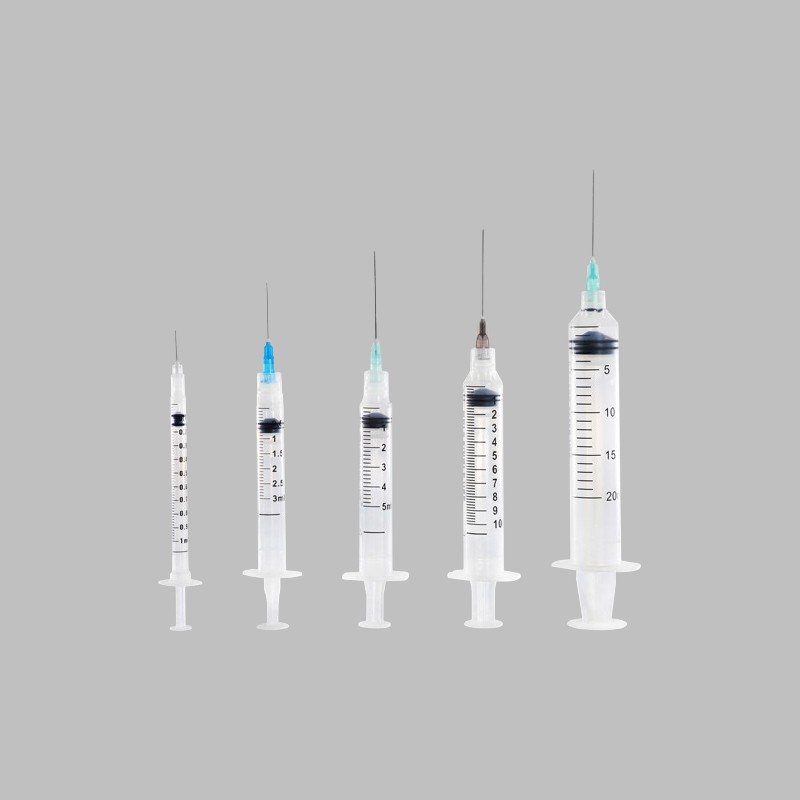
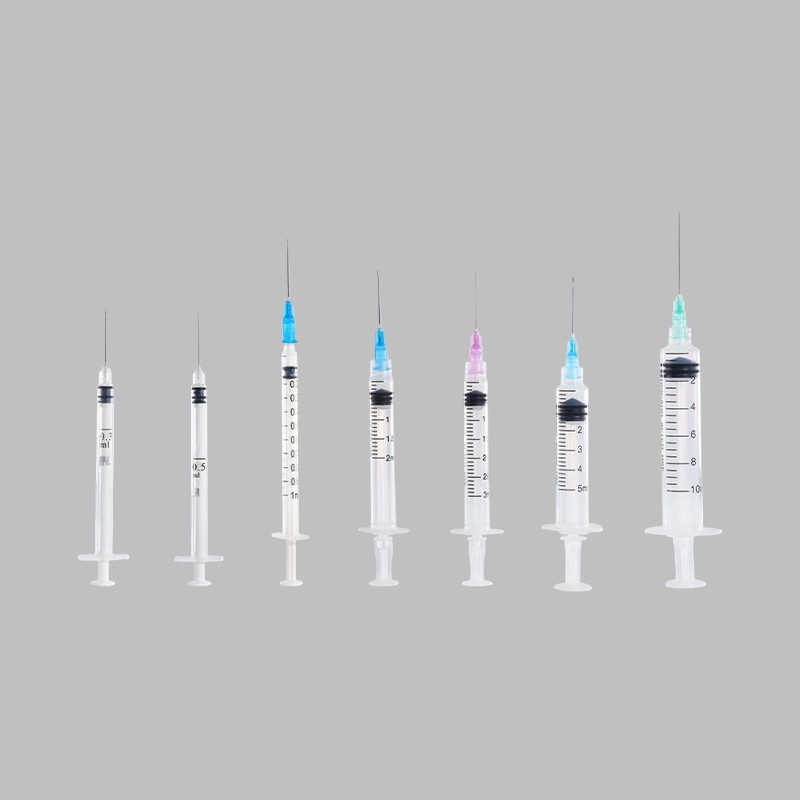


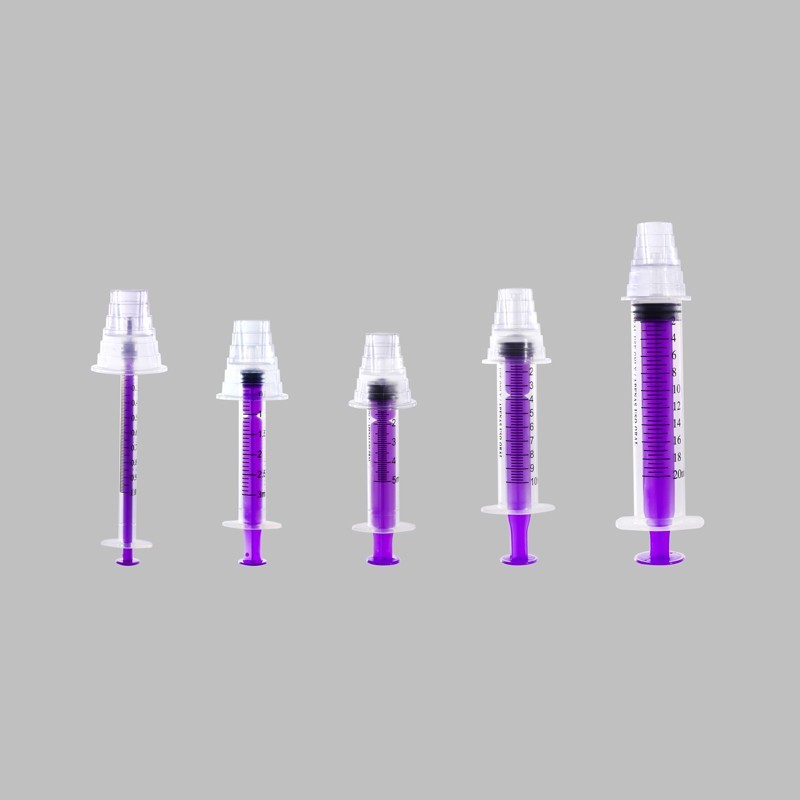




Disposable syringes are widely used in hospitals, clinics, laboratories, and other medical settings. They are available in different capacities, needle gauges, and needle lengths to accommodate various medical and clinical requirements. For medical distributors, healthcare procurement teams, and medical device importers, understanding these specifications is essential when selecting suitable syringe products.
One important point is that syringe size and needle size are two different specifications. Syringe size usually refers to the liquid capacity measured in milliliters (mL), while needle size refers to its gauge (G) and length. Both should be considered when evaluating disposable syringe products.
This guide explains common disposable syringe sizes, standard needle gauges, needle lengths, and key factors to consider when sourcing syringes from a medical device supplier.
Looking for disposable syringes for your medical supply business?
Share your required capacity, needle specifications, and packaging preferences with LELUN.
1. What Does Disposable Syringe Size Mean?
The term "disposable syringe size" can refer to two main measurements:
Syringe capacity: The maximum volume of liquid the syringe barrel can hold, usually measured in milliliters (mL) or cubic centimeters (cc).
Needle size: The thickness and length of the needle. Thickness is indicated by gauge (G), while length is usually measured in inches or millimeters.
For example, a 5 mL syringe with a 23G × 1-inch needle means that the syringe has a 5 mL capacity and is fitted with a needle that has a 23-gauge diameter and a length of 1 inch.
2. What Are the Common Disposable Syringe Sizes?
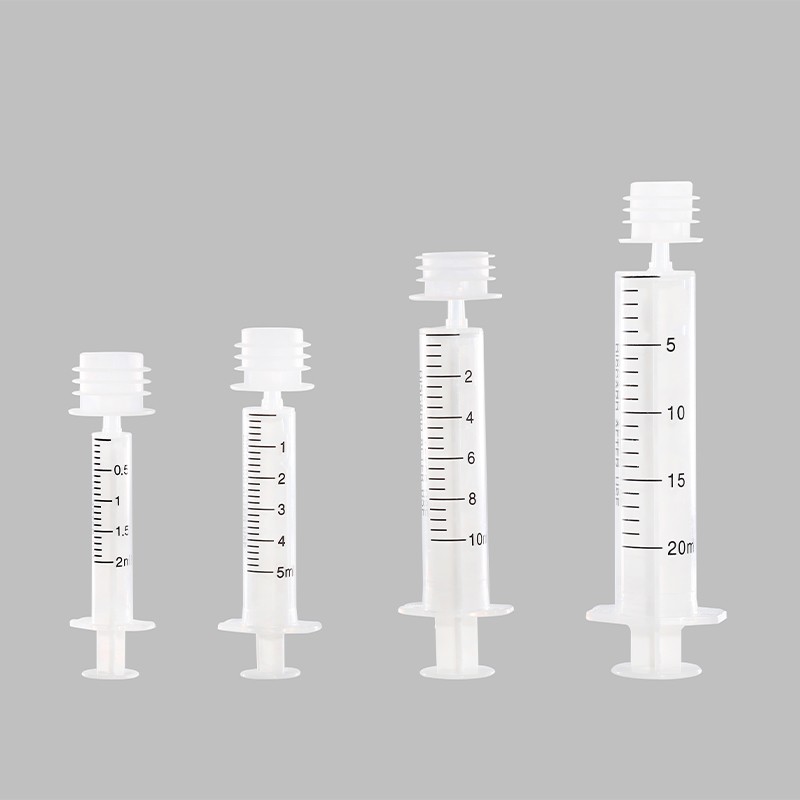
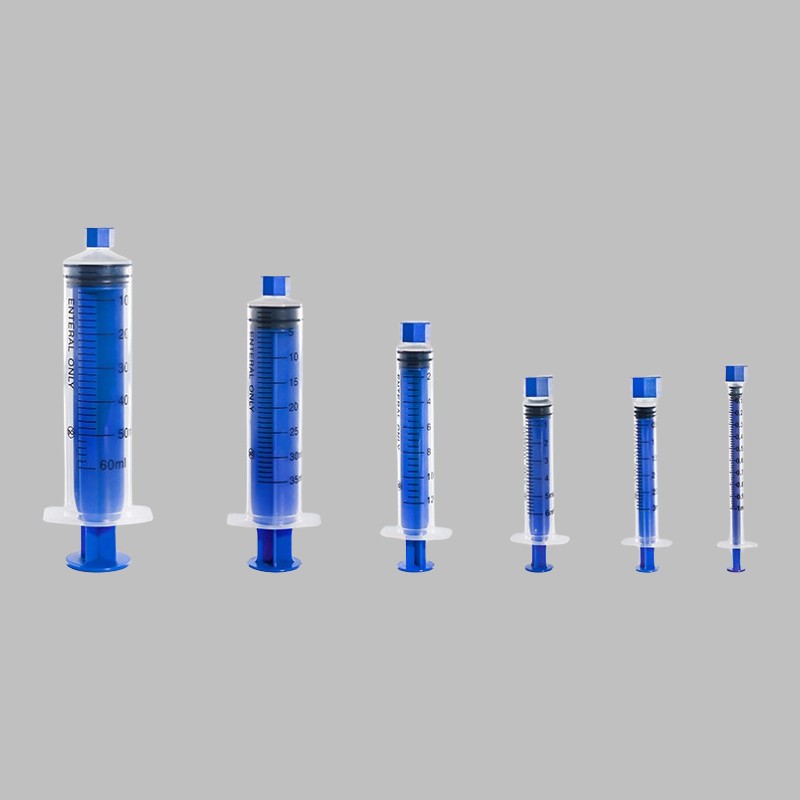
Disposable syringes are manufactured in a range of capacities. The appropriate size depends on the intended application, required liquid volume, and product design. Common capacities include 1 mL, 2.5 mL, 3 mL, 5 mL, 10 mL, 20 mL, 30 mL, 50 mL, and 60 mL.
| Syringe Capacity | Common Description | Typical Procurement Considerations |
|---|---|---|
| 0.5 mL | Small-capacity syringe | Graduation accuracy and barrel design |
| 1 mL | Small-volume syringe | Scale readability and available needle options |
| 2 mL / 2.5 mL | Small-capacity syringe | Graduation markings and connector type |
| 3 mL | Common general-purpose size | Plunger movement and needle compatibility |
| 5 mL | Medium-capacity syringe | Barrel clarity and scale readability |
| 10 mL | Medium-to-large capacity | Capacity, connector design, and packaging |
| 20 mL | Large-capacity syringe | Barrel structure and plunger performance |
| 30 mL | Large-capacity syringe | Product configuration and intended application |
| 50 mL / 60 mL | High-capacity syringe | Connector type and compatibility requirements |
| 100 mL | Extra-large capacity | Specialized configuration and application requirements |
Not every syringe capacity is available in every product configuration. Buyers should confirm the manufacturer's actual product range, graduation options, nozzle design, and packaging specifications before placing an order.
How to Choose the Right Syringe Capacity
When comparing disposable syringe sizes, consider the following factors:
Required volume: Select a capacity that accommodates the intended liquid volume.
Graduation requirements: Check whether the scale markings provide the required measurement increments and readability.
Barrel design: Consider barrel transparency, plunger movement, and overall product construction.
Connection type: Confirm whether a Luer Slip or Luer Lock connection is required.
Needle configuration: Specify whether the syringe should be supplied with or without a needle.
Medical Disposable Syringe – 0.5 mL to 100 mL
LELUN offers disposable medical syringe products in a range of capacities for different procurement requirements. Buyers can discuss syringe capacity, needle configuration, connection type, and packaging options with the supplier.
Available capacity range listed on the product page: 0.5 mL to 100 mL
Medical-grade PP and PE materials, according to product configuration
With or without needle options
Luer Slip and Luer Lock configurations
ETO sterilization options
3. What Are the Common Disposable Syringe Needle Sizes?
Needle size is generally identified by gauge (G). The gauge number indicates the needle's outer diameter: a higher gauge number generally means a thinner needle, while a lower gauge number indicates a thicker needle.
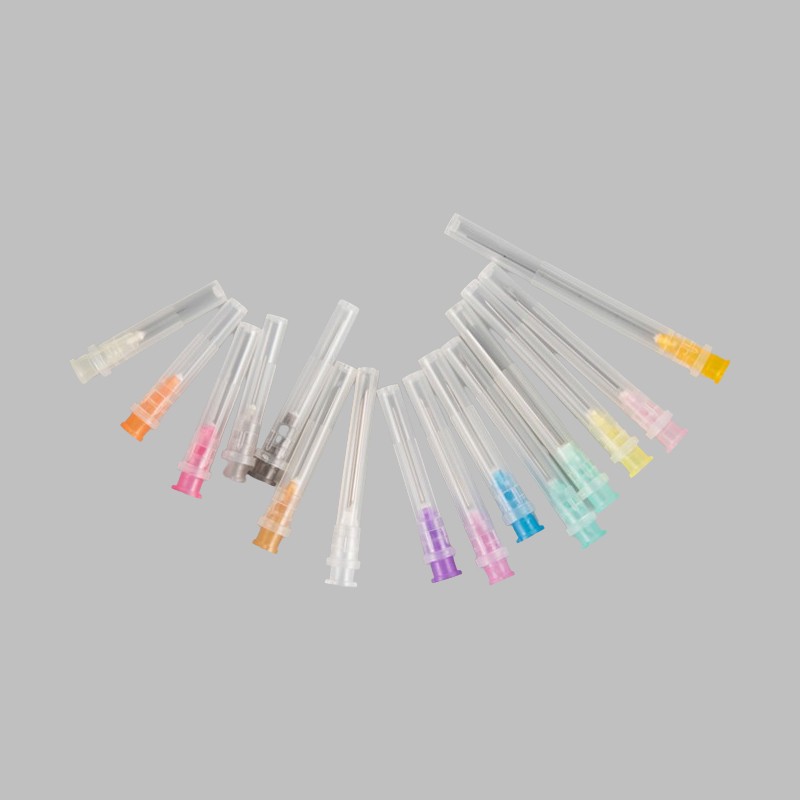
Common hypodermic needle gauges include 16G, 18G, 19G, 20G, 21G, 22G, 23G, 24G, 25G, 26G, 27G, 28G, 29G, and 30G.
| Needle Gauge | Approx. Outer Diameter | Common Hub Color |
|---|---|---|
| 16G | 1.60 mm | White |
| 18G | 1.20 mm | Pink |
| 19G | 1.10 mm | Beige |
| 20G | 0.90 mm | Yellow |
| 21G | 0.80 mm | Green |
| 22G | 0.70 mm | Black |
| 23G | 0.60 mm | Blue |
| 24G | 0.55 mm | Purple |
| 25G | 0.50 mm | Orange |
| 26G | 0.45 mm | Brown |
| 27G | 0.40 mm | Grey |
| 28G | 0.36 mm | Blue-Green |
| 29G | 0.33 mm | Red |
| 30G | 0.30 mm | Light Yellow |
Note: The table provides commonly used gauge and color references. Actual hub colors and dimensions should be confirmed against the applicable product specifications and regional standards. Needle selection should be based on professional requirements and the intended application.
What Is the Difference Between High-Gauge and Low-Gauge Needles?
The gauge number is inversely related to the needle's outer diameter:
Lower gauge numbers: Generally indicate thicker needles with larger outer diameters.
Higher gauge numbers: Generally indicate thinner needles with smaller outer diameters.
For example, a 18G needle has a larger outer diameter than a 25G needle. Buyers should evaluate gauge, needle length, material, and compatibility together rather than selecting a needle based on gauge alone.
4. What Are the Common Disposable Needle Lengths?
Needle length is another important specification. It is commonly expressed in inches, although millimeters may also be used in product catalogs and technical documentation.
| Needle Length | Approximate Metric Length | Procurement Notes |
|---|---|---|
| 1/2 inch | 13 mm | Available for selected fine-gauge needles |
| 5/8 inch | 15–16 mm | Available in selected needle configurations |
| 3/4 inch | 19–20 mm | Confirm gauge and product compatibility |
| 1 inch | 25 mm | Common catalog length for several gauges |
| 1 1/4 inches | 32 mm | Available for selected needle gauges |
| 1 1/2 inches | 38 mm | Available for selected needle gauges |
Needle length availability varies by gauge and product series. For example, a manufacturer's catalog may list 1/2-inch options for some fine-gauge needles and 1 1/2-inch options for selected larger-gauge needles. Buyers should check the manufacturer's detailed size chart before confirming an order.
5. How to Choose the Right Disposable Syringe and Needle Size
For medical distributors, importers, and institutional procurement teams, choosing a suitable syringe involves more than comparing capacity and price. The following specifications should be reviewed before sourcing.
1. Confirm the Syringe Capacity
First, determine the required syringe volume. Common procurement specifications include 1 mL, 3 mL, 5 mL, 10 mL, 20 mL, and 50 mL. If your project requires a less common capacity, ask the manufacturer to confirm whether it is available.
2. Specify the Needle Gauge
Needle gauge affects the outer diameter. Buyers should specify the required gauge according to the intended product configuration and applicable professional requirements. Do not assume that all gauges are available for every syringe capacity.
3. Confirm the Needle Length
Needle length should be specified separately from gauge. Ask the supplier for a gauge-by-length compatibility chart so that the requested combination can be verified before production.
4. Choose the Connection Type
Disposable syringes are commonly supplied with different nozzle and connector configurations, including Luer Slip and Luer Lock. The appropriate option depends on the required compatibility and product design.
5. Check Sterilization and Packaging
For sterile single-use medical products, procurement teams should confirm the sterilization method, packaging integrity, labeling information, shelf life, and relevant regulatory documentation. Requirements may vary by target market.
Need a specific syringe and needle configuration?
Contact LELUN with your required capacity, gauge, needle length, connection type, and packaging details.
6. What Is the Difference Between Luer Slip and Luer Lock Syringes?
Luer Slip and Luer Lock are two common connection designs used in syringe products. Understanding their structural differences helps buyers specify the correct configuration when requesting quotations.
| Comparison | Luer Slip Syringe | Luer Lock Syringe |
|---|---|---|
| Connection Design | Push-fit connection | Threaded locking connection |
| Needle Attachment | Needle is pushed onto the nozzle | Needle is secured by twisting into the locking connector |
| Key Consideration | Confirm compatible needle and connector dimensions | Confirm compatible locking components |
| Procurement Focus | Connector compatibility and product specifications | Locking design and connection compatibility |
Luer Slip Syringe
A Luer Slip syringe uses a push-fit connection. The compatible needle is pushed onto the syringe nozzle. Buyers should verify that the needle hub and syringe tip are designed to work together.
View LELUN's Disposable Luer Slip Syringe for product specifications and available configurations.
Luer Lock Syringe
A Luer Lock syringe features a threaded locking mechanism. The compatible needle or connector is twisted into place. Procurement teams should confirm the required locking interface and compatible accessories.
View LELUN's Disposable Luer Lock Syringe for more information.
7. What Should Buyers Check When Sourcing Disposable Syringes?
When purchasing disposable syringes from an overseas supplier, buyers should evaluate product specifications, manufacturing capabilities, quality control, and export documentation.
Product Specifications
Available syringe capacities and graduation options
Needle gauge and length combinations
Luer Slip or Luer Lock connection
With-needle or without-needle configuration
Barrel, plunger, and needle materials
Quality and Compliance Documentation
Applicable quality management system certificates
Product registration and market-specific regulatory documentation
Sterilization validation and relevant batch records
Packaging integrity and product traceability information
Inspection and testing documentation, where applicable
Packaging and Export Requirements
Individual blister packaging or other available packaging options
Product labeling and language requirements
Carton dimensions and packing quantity
Minimum order quantity and lead time
Shipping arrangements and export documentation
Requesting a complete product specification sheet and sample evaluation can help buyers compare suppliers more effectively before placing bulk orders.
8. Why Consider LELUN for Disposable Syringe Sourcing?
Changzhou Medical Appliances General Factory Co., Ltd. operates under the LELUN brand and supplies disposable medical products to international markets. Its product range includes disposable syringes, hypodermic needles, infusion sets, urine bags, and other medical consumables.
For disposable syringe procurement, buyers can discuss product capacity, connector type, needle configuration, and packaging requirements with the company.
LELUN's disposable syringe product range includes configurations with the following options, subject to product availability:
Syringe capacities listed from 0.5 mL to 100 mL
Luer Slip and Luer Lock configurations
With or without needle options
Selected needle gauges from 16G to 30G across the needle product range
ETO sterilization and packaging options according to product specifications
When requesting a quotation, buyers are encouraged to provide the target market, required quantities, product specifications, packaging preferences, and any applicable compliance requirements.
Looking for a disposable syringe supplier for your next order?
Send your product requirements to LELUN to discuss available specifications and quotation details.
9. Frequently Asked Questions About Disposable Syringe Sizes
Q1: What are the most common disposable syringe sizes?
Common disposable syringe capacities include 1 mL, 2.5 mL, 3 mL, 5 mL, 10 mL, 20 mL, 30 mL, 50 mL, and 60 mL. Some product ranges also include 0.5 mL and 100 mL syringes.
Q2: What is the difference between syringe size and needle size?
Syringe size refers to the liquid capacity, measured in milliliters (mL). Needle size refers to the needle's gauge and length. For example, a 5 mL syringe with a 23G × 1-inch needle has a 5 mL barrel capacity and a 23-gauge, 1-inch needle.
Q3: What does 23G mean on a disposable syringe needle?
23G means the needle has a gauge size of 23. Gauge indicates the needle's outer diameter. A 23G needle has an approximate outer diameter of 0.60 mm, although exact dimensions should be confirmed against the product specification.
Q4: Is a higher gauge needle thicker or thinner?
A higher gauge number generally indicates a thinner needle. For example, a 25G needle is thinner than an 18G needle.
Q5: What are common disposable needle lengths?
Common catalog lengths include 1/2 inch, 5/8 inch, 3/4 inch, 1 inch, 1 1/4 inches, and 1 1/2 inches. The available length depends on the needle gauge and product series.
Q6: Can disposable syringes be supplied with or without needles?
Yes. Some disposable syringe product ranges offer both with-needle and without-needle configurations. Buyers should confirm the available options and compatible needle specifications with the supplier.
Q7: What is the difference between Luer Slip and Luer Lock syringes?
A Luer Slip syringe uses a push-fit connection, while a Luer Lock syringe uses a threaded locking mechanism. Buyers should select the connector type based on the required compatibility and product specifications.
Q8: What information should I provide when requesting a disposable syringe quotation?
Provide the required syringe capacity, needle gauge, needle length, connection type, with-needle or without-needle configuration, packaging requirements, target market, and estimated order quantity. This information helps the supplier confirm product availability and prepare a more accurate quotation.
Conclusion
Understanding disposable syringe sizes requires distinguishing between syringe capacity, needle gauge, and needle length. Common syringe capacities range from small 0.5 mL and 1 mL options to larger 50 mL, 60 mL, and 100 mL configurations. Needle specifications, meanwhile, vary by gauge and length, with availability depending on the manufacturer's product range.
For medical distributors and procurement teams, confirming the complete product configuration is essential before ordering. By checking capacity, needle compatibility, connection type, sterilization, packaging, and compliance documentation, buyers can communicate their requirements more clearly and evaluate suppliers more effectively.
If you are sourcing disposable syringes or hypodermic needles, contact LELUN to discuss available product specifications and your purchasing requirements.