





News Categories

Organization | Set Change Frequency |
|---|---|
CDC | Every 96 hours |
NHCC | Every 24 hours |
INS | 96 hours to 7 days |
Always follow the instructions from the maker. Change the set right away if you think it is dirty.
Change IV infusion sets every 24 to 96 hours. This helps stop infection from happening. Experts give these guidelines for safety. Always read and follow the instructions from the manufacturer. This makes sure you use the product safely. Look for signs of contamination like redness or swelling. Change the set right away if you see these signs. Wash your hands well and use clean techniques during set changes. This lowers the chance of infection. Write down all steps when giving IV medicine. Check the site often to keep the patient safe.
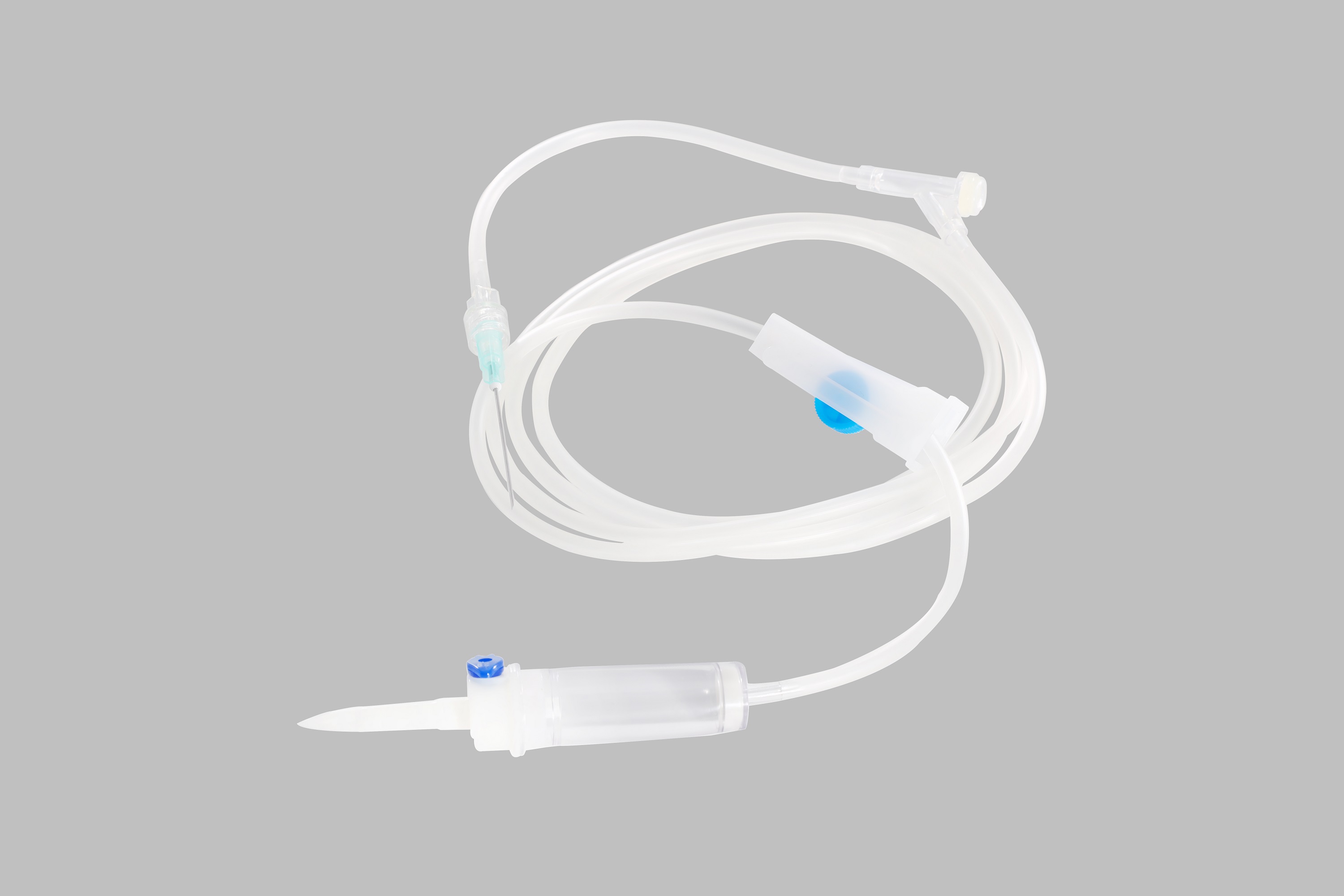
You need to follow rules when you change an iv infusion set. Health experts like HICPAC and the CDC give advice to keep patients safe. Here are some key points:
Change administration sets, including secondary sets and add-on devices, at least every 72 hours. Do not change them more often unless you think there is an infection.
If you use tubing for blood, blood products, or lipid emulsions, change it within 24 hours after you start the infusion.
For solutions with only dextrose and amino acids, you do not need to change the set more often than every 72 hours.
When you use propofol, change the set every 6 or 12 hours, depending on the instructions.
Changing the set at the right time helps stop infection and keeps patients safe. New standards for infusion therapy will update these tips soon. These standards help you know the best ways to care for patients and are trusted everywhere.
You might wonder if the rules are different for kids. The table below shows how often to change sets for different types:
Patient Type | Plastic Sets | Metal Sets |
|---|---|---|
Adult | Every 72 hours | Every 48 hours |
Pediatric | Every 72 hours | Every 48 hours |
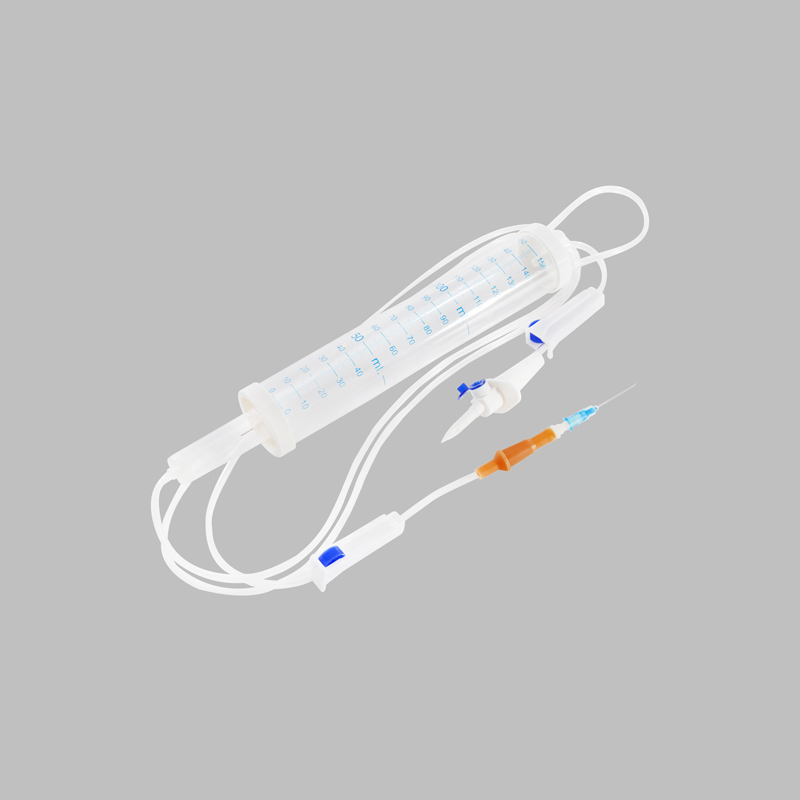
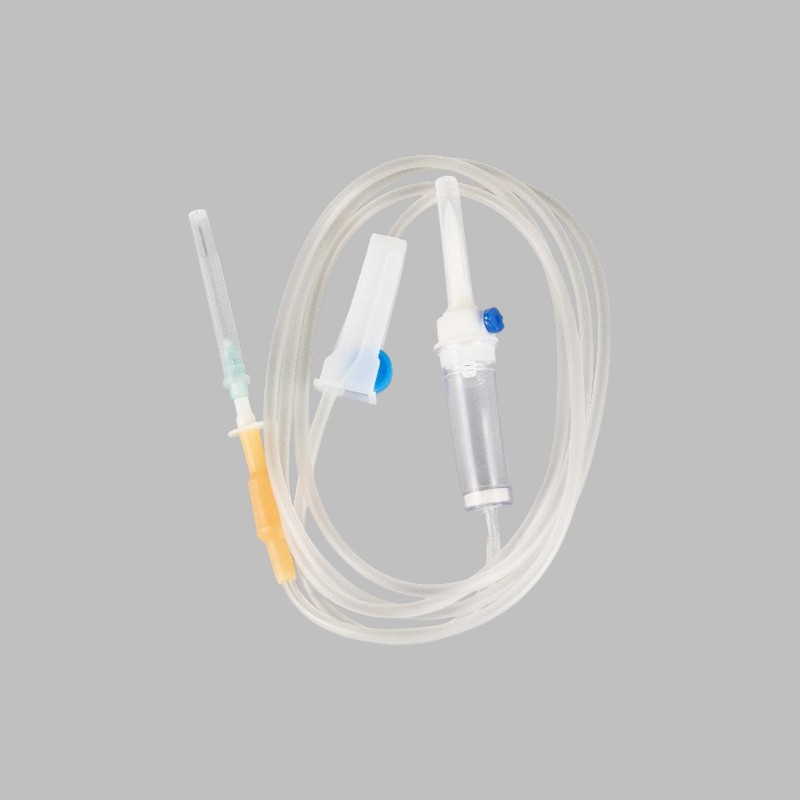
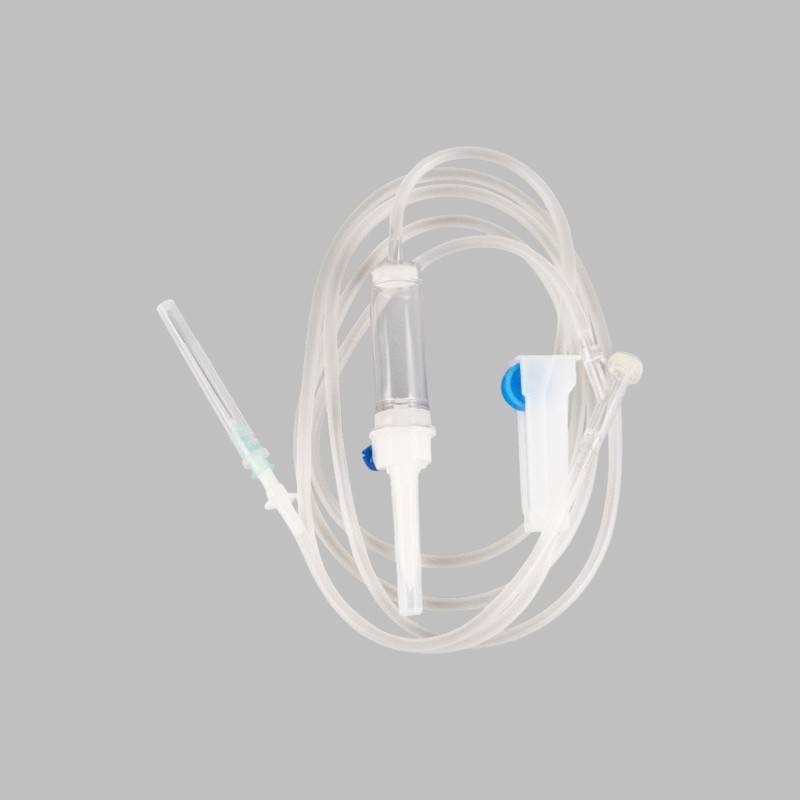
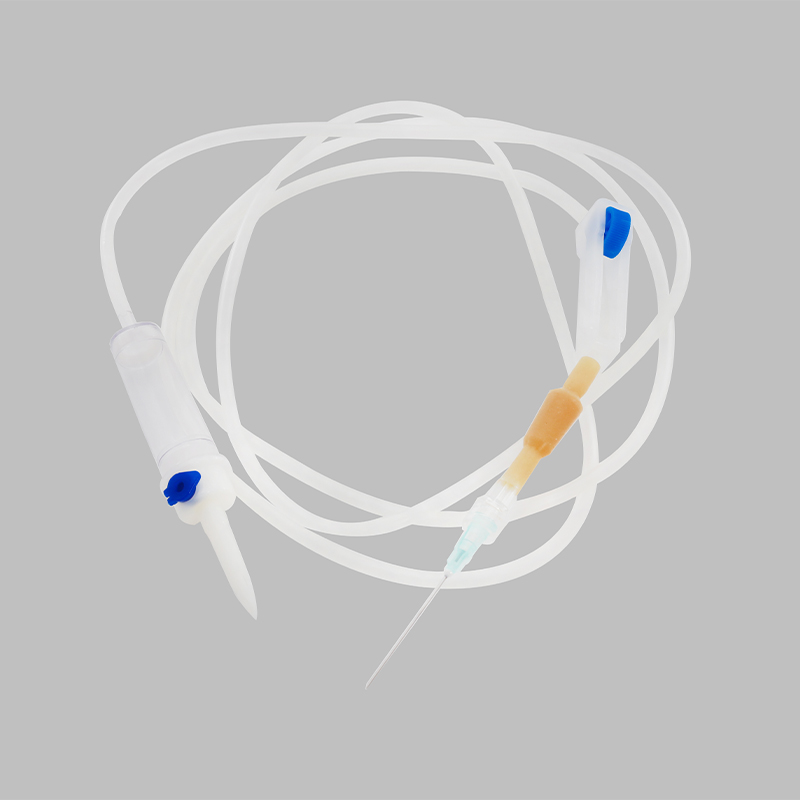
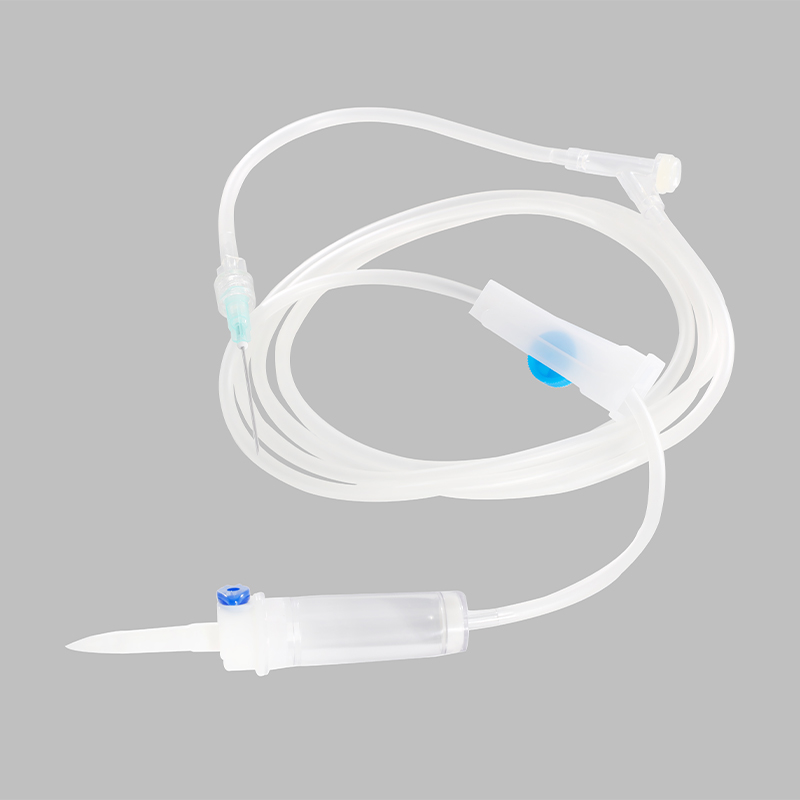
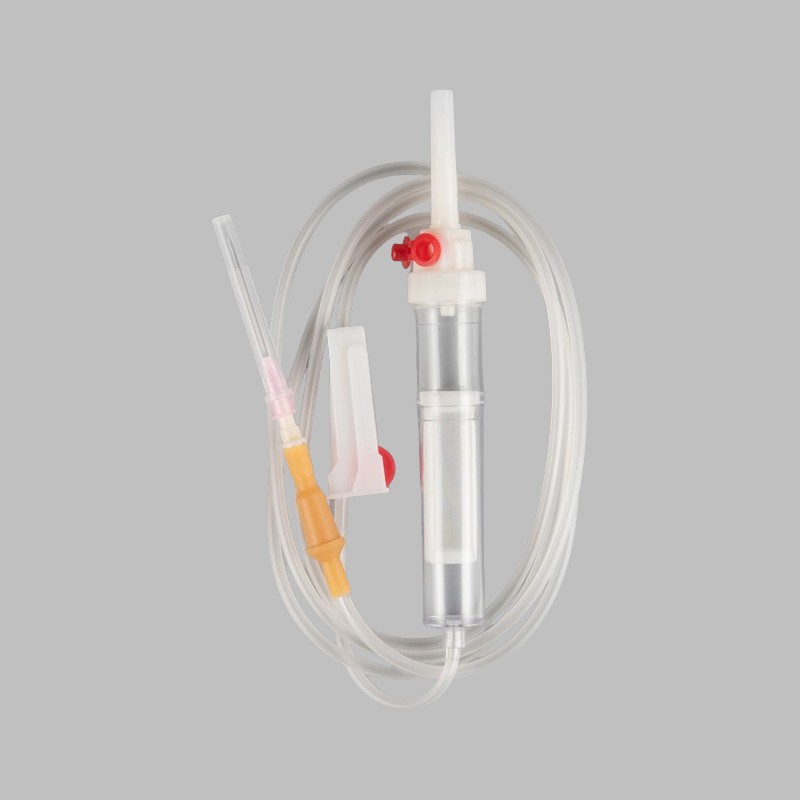
Always check the instructions from the manufacturer before you change an iv infusion set. Some sets have special features that help you stay safe. For example, the Disposable Infusion Set from Changzhou Medical Appliances General Factory Co., Ltd has a clear burette chamber for easy measuring. You can use it for many types of intravenous care, even for critical care and children. The set uses medical-grade materials and has safety parts like a drip chamber and flow regulator. These features help you change the set safely and give the best care during intravenous therapy.
It is important to know when to change the administration set for each type of intravenous therapy. Changing the set at the right time helps stop infection and keeps patients safe. Always follow expert advice and the instructions from the manufacturer.
Here is a simple table that shows how often to change the administration set for different infusions:
Infusion Type | Administration Set Replacement Interval | Reason for Recommendation |
|---|---|---|
Continuous IV Fluids | Every 72 hours | Lowers infection risk; CDC and HICPAC guidelines |
Intermittent Medications | After each infusion | Stops germs from reusing disconnected sets |
Blood or Blood Products | After each unit or every 12 hours | Stops contamination; SHOT guidelines |
TPN (Total Parenteral Nutrition) | Every 24 hours | Lipids can help bacteria grow quickly |
IV Fat Emulsions | Every 24 hours | High risk for bloodstream infection |
Special Medications (e.g., Propofol) | Every 6-12 hours (follow instructions) | High risk for bacteria growth |
Change the administration set for continuous IV fluids every 72 hours. This helps lower the chance of infection in the bloodstream. Both CDC and HICPAC support this schedule. If you use low-risk fluids, you might wait longer, but always check your facility’s rules. For secondary continuous infusions, use the same schedule.
Tip: Look at the tubing for signs of dirt before changing it.
Change the administration set after each time you give intermittent IV medication. This stops germs from getting into the bloodstream. Each time you disconnect and reconnect, use a new set. This follows CDC guidelines and helps prevent infection.
Change the administration set after each unit of blood or every 12 hours, whichever comes first. This follows SHOT guidelines. Blood products can cause infection if you do not change the set on time. Never use the same set for more than one unit without changing it.
Change the administration set for TPN and IV fat emulsions every 24 hours. Lipids in these solutions can help bacteria grow. This raises the risk of infection in the bloodstream. CDC and other experts agree with this advice. Always use a new set for each new bag.
Change the administration set for propofol every 6 to 12 hours. The exact time depends on the instructions from the manufacturer. Propofol lets bacteria grow fast, so you need to change the set often. Always read the label and follow the instructions for special medications.
Note: For all types of IV administration, change the set right away if you think it is dirty.
By following these times for changing the administration set, you help keep patients safe from infection and make IV therapy safer.
You need to watch for signs that show the administration set may have contamination. If you see these signs, you must act quickly to protect the patient from infection. Contamination can happen because of poor sterile technique, long use of the catheter, or infection at the site. These problems can lead to intravenous infusion contamination and raise the risk of all-cause bloodstream infection.
Look for these signs:
Redness, swelling, or warmth at the site
Tenderness or pain where the needle enters the skin
Pus or foul-smelling fluid coming from the site
Shortness of breath or cough
High blood pressure or puffiness around the eyes
Swelling in the arms or legs
Neck veins that look bigger than normal
Wet or moist breath sounds
Trouble breathing when moving
Lower oxygen levels
These signs can mean local infection or a more serious bloodstream problem. Infusate contamination can also cause these symptoms. You must check the site and the patient often to catch problems early.
If you notice any sign of contamination, you should change set right away. Do not wait for more symptoms. Quick action helps prevent catheter-related bloodstream infection and keeps the patient safe.
Follow these steps:
Stop the infusion as soon as you see a problem.
Remove the administration set and the catheter if needed.
Use a new sterile set for any new infusion.
Clean the site with an antiseptic before starting a new line.
Watch the patient for more signs of infection.
Tell the healthcare team about the contamination and what you did.
Tip: Always use clean hands and follow aseptic technique when you change set. This lowers the risk of infection and keeps the bloodstream safe.
By acting fast, you help stop the spread of infection and protect the patient from serious harm.
You help stop infection during intravenous administration. Clean hands and good technique keep patients safe from germs. The CDC says to use alcohol-based hand rubs for clean hands. Use soap and water if your hands are dirty. Always wash your hands before and after touching the intravenous site. Wash your hands before replacing the infusion set or handling equipment.
Tip: Put on sterile gloves when you insert or change intravenous catheters. This helps keep the site safe and lowers contamination risk.
Here are steps for safe intravenous administration:
Wash your hands before and after touching the catheter site.
Use aseptic technique for all intravenous procedures.
Wear clean gloves for peripheral catheter insertion if you do not touch the site after using antiseptics.
Use sterile gloves for central, arterial, or midline catheter insertion.
Change gloves for guidewire exchanges.
Wear gloves when changing catheter dressings.
Research shows that hand hygiene and aseptic technique lower infection rates. Over 2 million patients in the U.S. get infections from healthcare each year. You can help lower this number by following these steps every time you handle intravenous administration sets.
You need to write down every step of intravenous administration. Watch the site closely. Good records help keep patients safe and support care. Check the site for patency and problems. Write your findings in the electronic medical record.
Procedure | Guidelines |
|---|---|
IV Site Assessment | Check for patency and problems; write findings in EMR. |
Sterile Dressing Replacement | Change every 48–72 hours or when needed; keeps infection barrier. |
IV Tubing Replacement | Change every 72–96 hours; check and prime to stop contamination. |
Patient Monitoring | Watch every 1–2 hours for stable patients; every 15–30 minutes for critical patients. |
Documentation | Write all IV actions, site condition, and patient teaching for care. |
Avoid mistakes like missing change times, skipping checks, or not writing down actions. These mistakes can cause problems and put patients at risk. Always base your choices on patient condition and follow guidelines for intravenous administration.
"The nurse should think about replacing the short peripheral catheter when needed…The choice to replace the short peripheral catheter should be based on checking the patient's condition."
By following these safe steps, you help stop infection and protect the bloodstream during intravenous therapy.
You need to follow rules for changing IV infusion sets. This helps stop infection and keeps patients safe. Here is a table to help you remember:
Administration Type | Set Change Frequency |
|---|---|
Continuous Infusions | |
IV Fat Emulsion or TPN | Every 24 hours |
Blood or Blood Products | Within 24 hours |
Propofol | Every 6 or 12 hours |
Always listen to both expert advice and instructions from the maker. Changing sets at the right time keeps germs away and protects patients. If you notice any sign of contamination, change the set right away.
You look at the set for dirt or leaks. You also check for signs of infection. Always follow the schedule from experts and the maker. If you see any contamination, change the set right away.
You should never reuse an IV infusion set. Using a set again makes infection more likely. Always use a new sterile set for each patient and each infusion.
Forgetting to change the set can cause infection. Other problems can also happen. You must follow the right times to keep patients safe. If you forget, change the set as soon as you remember.
Yes. Some medicines like propofol and TPN need more changes. Always check the guidelines and the maker’s instructions for each medicine.
Source | What to Check |
|---|---|
Manufacturer's label | Change times, tips |
Facility protocol | Local rules |
Expert recommendations | Safety advice |
Whatsapp: +86-13616120206
E-mail: sale01@lelun.com
ADD: HengShanQiao Town, out of East Gate, Changzhou ,Jiangsu, China
Mobile: (+)86-13616120206