






News Categories

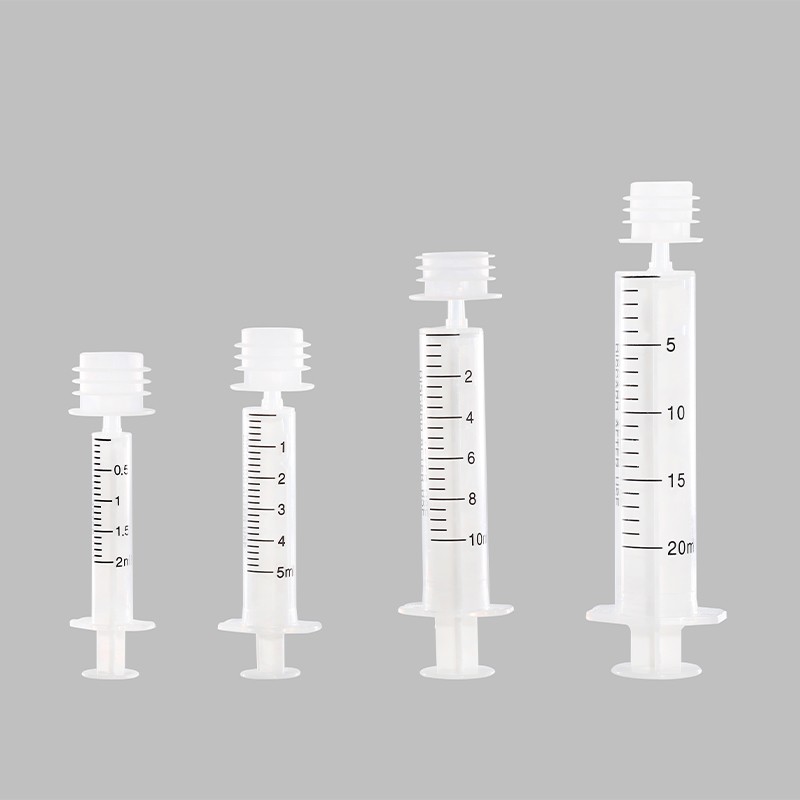
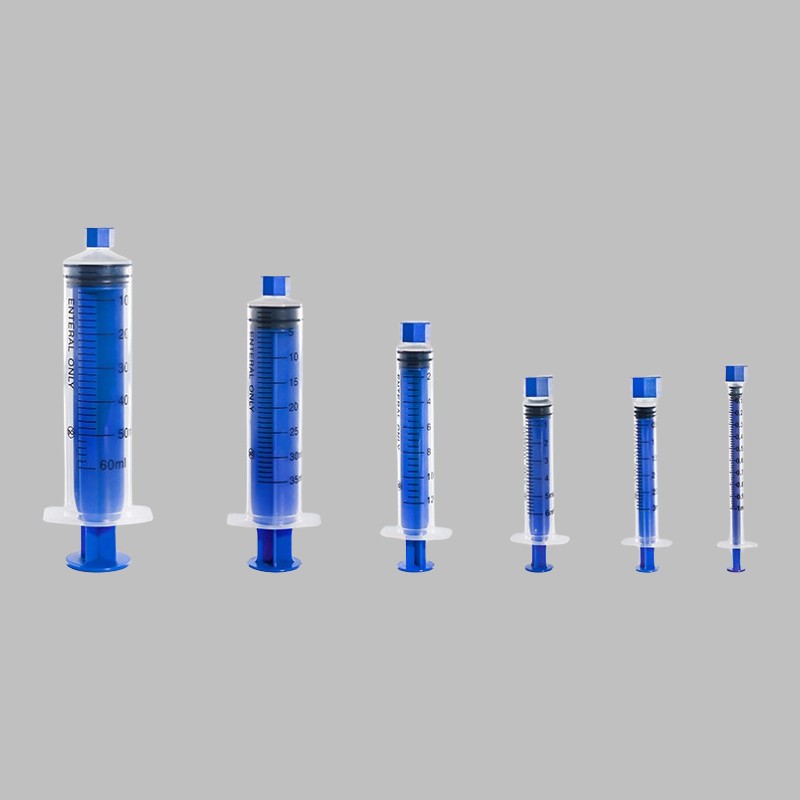
A reliable syringe manufacturer is a factory that holds ISO 13485 certification, molds and assembles syringes on its own lines rather than subcontracting them, and can hand you the registration documents your market requires. LELUN — Changzhou Medical Appliances General Factory Co., Ltd., founded in 1988 — runs a 50,000 m² plant with 15,000 m² of purified workshops, produces 4 million syringes and 6 million needles per day, and exports to more than 60 countries.
Founded: 1988 — more than 35 years of disposable device manufacturing
Plant: 50,000 m² total, including 15,000 m² of 100,000-class purified workshops
Daily capacity: 4 million syringes and 6 million needles
Certifications: ISO 13485, CE, TGA, GMP, FSC, NMPA (SFDA)
Export markets: 60+ countries, including Germany, Canada, the UK, Mexico, Colombia, Peru and Chile
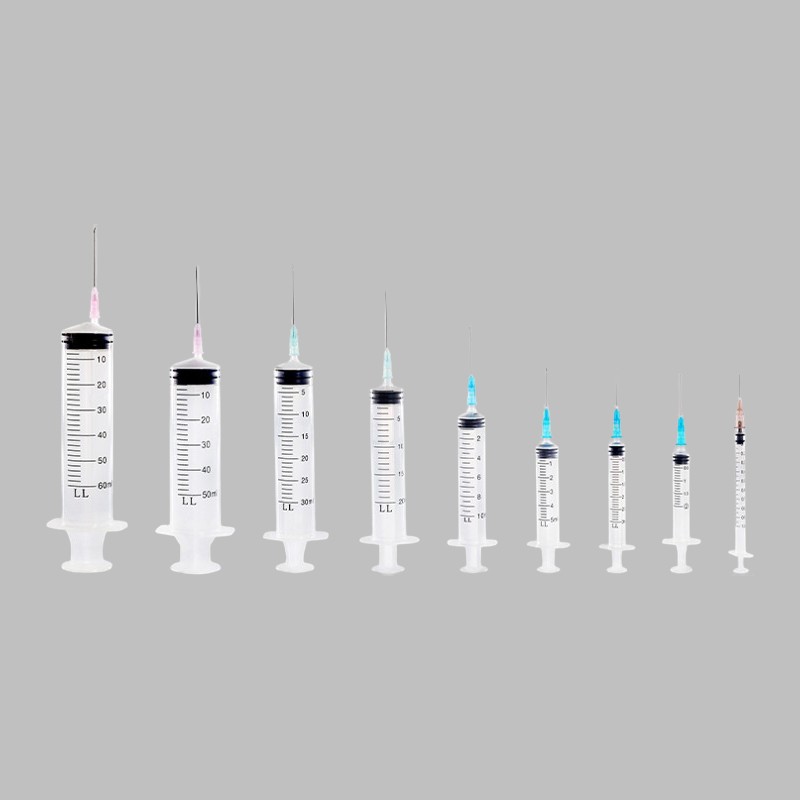
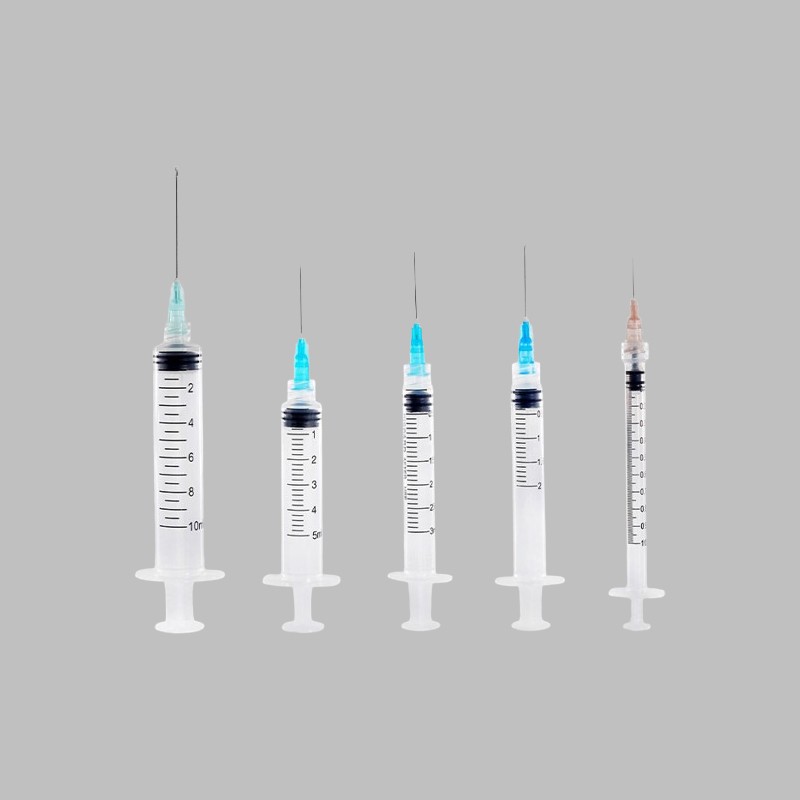
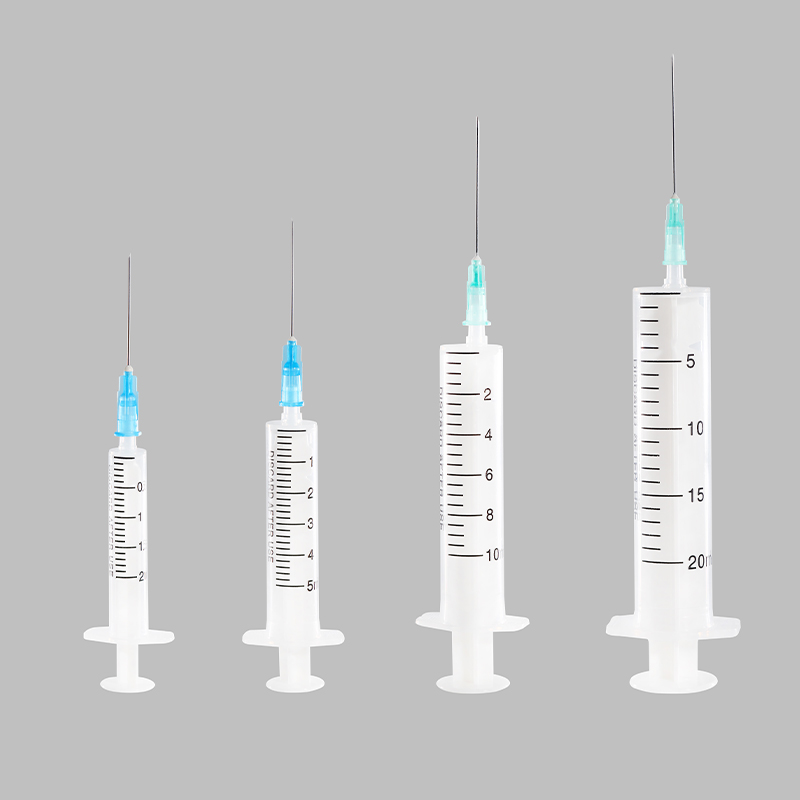
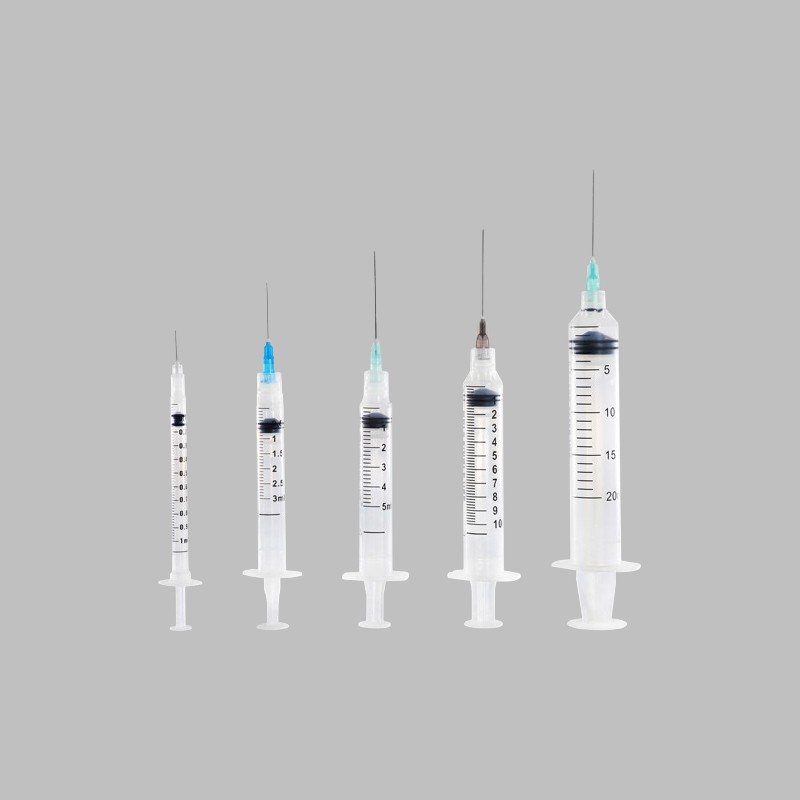
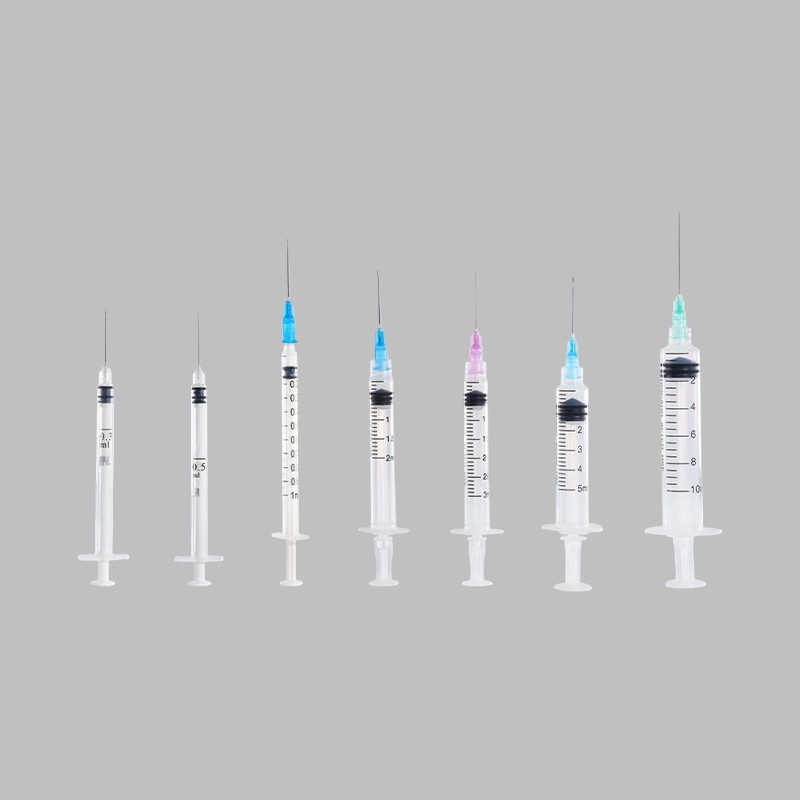
Specifications: 1 ml to 100 ml, luer slip and luer lock, needles 16G–27G

The word "manufacturer" is used loosely in this industry. On B2B marketplaces, a two-person trading office can describe itself as a syringe manufacturer, post photographs of somebody else's cleanroom, and quote a price twenty percent below the real factory — because the real factory is quoting to them, not to you. The consequences only appear months later: the CE certificate does not cover the product you ordered, the Free Sales Certificate arrives in the wrong company name, or a batch of 500,000 syringes fails the plunger-force test and has to be replaced at your expense.
This guide is written to prevent that. It explains the three types of suppliers you will encounter, gives twelve criteria you can actually test before signing, walks through the certifications that matter and how to verify each one in a public database, explains what really drives syringe pricing and MOQ, and finishes with a fifteen-point factory audit checklist you can take into a supplier meeting. Every section contains the specific thresholds we use ourselves when evaluating a production line.
Before comparing quotations, identify what kind of company you are talking to. Roughly 70% of the entities advertising "syringe manufacturing" online are resellers; the quotation you receive reflects their margin, not the production cost, and the technical file you eventually need sits with a third party you have never met.
A source factory owns its injection-molding machines, molds, assembly lines, cleanroom and sterilization supply, and employs its own quality team. It buys polypropylene resin by the tonne, schedules production in-house, and can change a mold, a graduation scale or a carton design without asking permission from anyone. This is the only category that can give you a factory audit, a batch traceability record and a technical file written against its own process. It is also the category that removes an entire layer of markup — typically 15–30% of the landed price — from your quotation.
A trading company aggregates orders and places them with one or more factories. It can be genuinely useful for small mixed orders, obscure accessories or markets the factory does not serve directly. The risks are structural rather than moral: production scheduling is outside its control, quality complaints must be relayed upstream, and if your product fails registration because of a documentation error, the trader usually cannot rewrite the technical file. A trader is also the most common source of the "certificate mismatch" problem — a CE certificate belonging to a different factory, presented as the supplier's own.
BD, Terumo, B. Braun and Nipro bring brand assurance, mature local registrations and, in several cases, domestic plants. For high-value safety-engineered devices, hospital groups with standardized formularies, or pharmaceutical customers who need prefillable systems, they are often the correct choice. The trade-off is commercial: minimum order quantities in the millions, limited labeling flexibility, long lead times on non-catalogue items, and unit prices that can be two to three times those of a source factory for the same nominal specification.
| Dimension | Source factory | Trading company | Multinational |
|---|---|---|---|
| Unit price | Lowest — no intermediary layer | Mid — includes margin | Highest — brand premium |
| Control over production | Full, in-house scheduling | None | Full, but rigid |
| OEM / private label | High — own mold shop and engineering | Limited, relayed upstream | Limited, catalogue-driven |
| Registration documents | Issued in the factory's own name | Often incomplete or third-party | Complete |
| MOQ | Moderate, negotiable | Flexible | Very high |
| Audit access | Open — video or on-site | Usually refused | Possible, scheduled |
| Best fit | Distributors, importers, tender bidders | Trial orders, accessory sourcing | Hospital groups, pharma |
Markup data reflects typical intermediary layers observed in disposable medical consumables; actual figures vary by product and destination.
There is also a fourth, hybrid model worth recognizing: a manufacturer's export department that behaves like a trader. It is part of the factory but quotes only from a price list, cannot arrange a factory visit without three levels of approval, and routes technical questions to someone who never walks the production floor. The tell is simple — ask a question that requires line-level knowledge, such as the cavitation of the barrel mold or the current reject rate on the assembly line. A factory person answers in specifics; an export desk deflects to "standard quality, no problem."
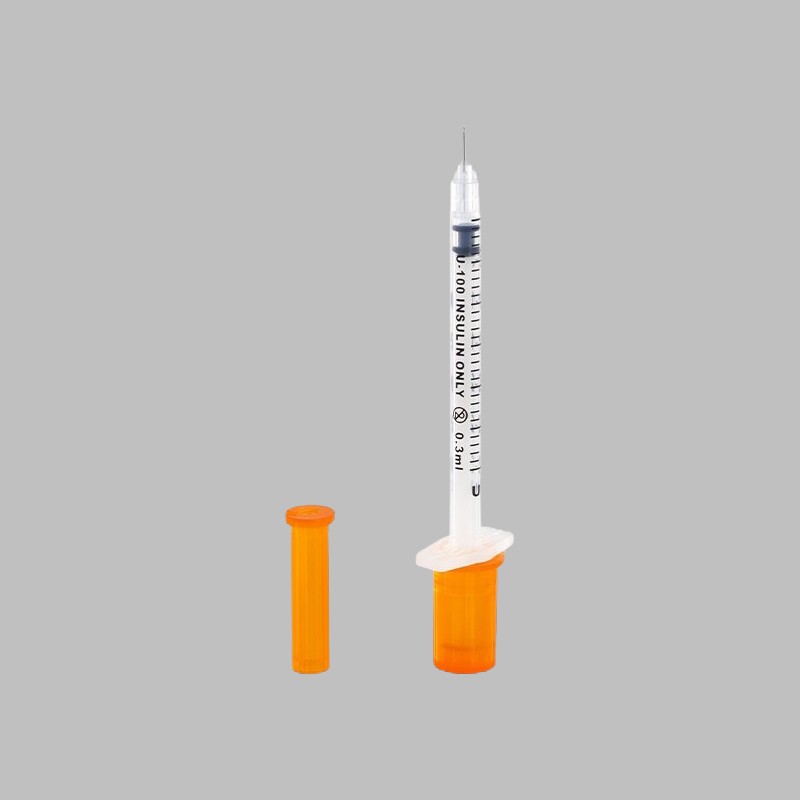
Most buyers reading this guide are in the first column's target group: importers and distributors who need certified product at a competitive price with documents they can register. If that is you, the twelve criteria below are the difference between a supplier and a liability. You can also view our full product range to see how a source factory structures its catalogue — including insulin syringes with fixed needles and safety-engineered options that most traders cannot supply from stock.
Each criterion below includes the threshold we consider acceptable and a concrete way to test it. None of them require special access — only a supplier who is willing to answer precisely.
Check that the business license scope lists manufacturing rather than trading, and that the registered address matches the factory address on the ISO 13485 certificate. A real factory will send both without hesitation; a trader will send one and explain away the other.
Verify: request the business license, ISO 13485 certificate and factory address in one email — the three addresses must be identical.
Capacity claims are meaningless without line detail. Ask how many injection-molding machines they run, the cavitation of the syringe barrel mold, and the number of shifts. A plant with 30 machines running 8-cavity molds across three shifts can realistically produce one to four million syringes a day; a plant claiming ten million a day on six machines cannot.
Benchmark: a credible mid-to-large factory produces ≥1 million syringes per day; LELUN runs at 4 million syringes and 6 million needles per day.
ISO 13485 is the baseline quality management standard for medical devices. What matters is not the logo on the homepage but the scope statement on the certificate: it must explicitly cover disposable syringes (and, if you are buying infusion sets, those too). Certificates with a scope of "medical consumables trading" are not manufacturing certifications.
Verify: read the scope line and expiry date on the PDF; confirm the certification body is accredited (IAF CertSearch).
Since the transition to EU MDR, a CE certificate must name a notified body, carry a four-digit NB number, and list the product categories covered. Older MDD certificates are no longer valid for new placements. The single most common fabrication in this industry is a CE certificate for a different product category, or one that expired two years ago.
Verify: take the NB number and certificate number to the EU NANDO database; the manufacturer name must match your supplier.
Syringe barrels are molded, assembled and packed in controlled environments because the product is both sterile and invasive. Ask for the cleanroom class (ISO 14644 Class 8 / 100,000-class is the norm for syringe assembly) and the area in square meters. A cleanroom smaller than the molding floor it serves is a warning sign: product is spending time outside controlled conditions.
Benchmark: purified workshop area should be proportionate to output — LELUN operates 15,000 m² of 100,000-class cleanroom against a 50,000 m² plant.
Most disposable syringes are sterilized with ethylene oxide (EO), some with gamma irradiation. Either is acceptable; what is not acceptable is a supplier who cannot produce a sterilization validation report or a residual-level test. EO residuals must be controlled and declared, and sterility should be stated as a SAL of 10⁻⁶.
Ask for: sterilization validation summary, EO residual test report, and the SAL statement on the product label.
The tests that predict field failures are simple and must happen inside the factory: leakage, plunger sliding force, needle pull-out force, needle puncture force, dead space, scale accuracy and package integrity. A factory that outsources all of these cannot release batches quickly and will not catch drift early.
Ask for: the list of in-process tests performed per batch, plus one example batch record with results.
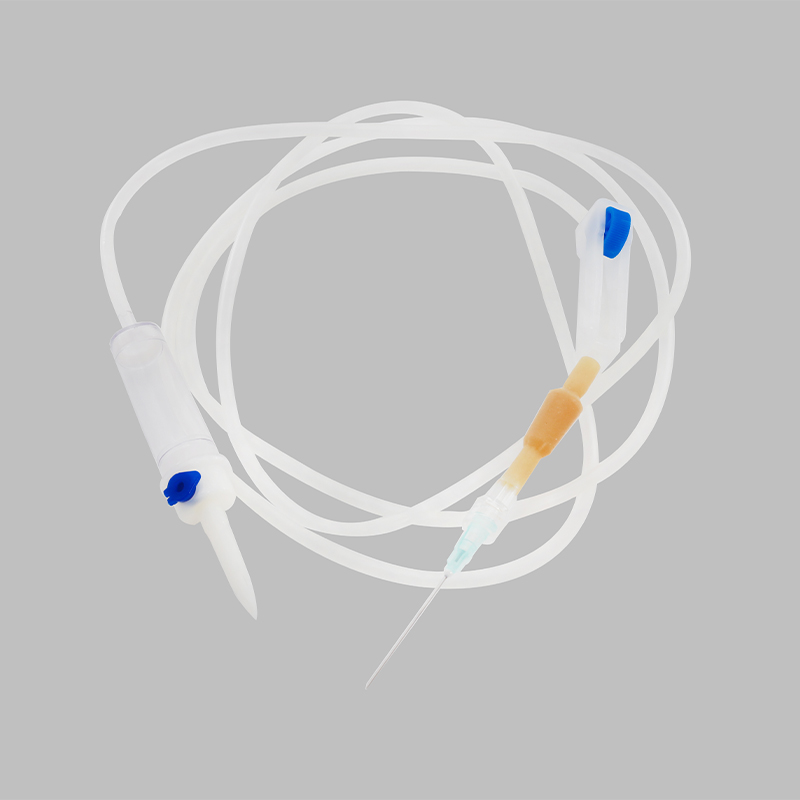
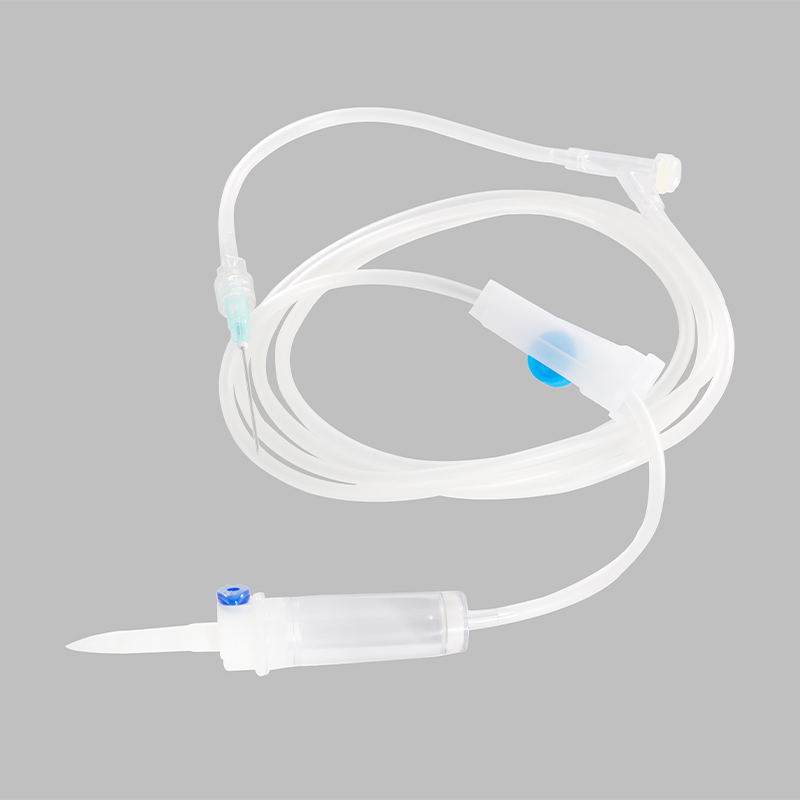
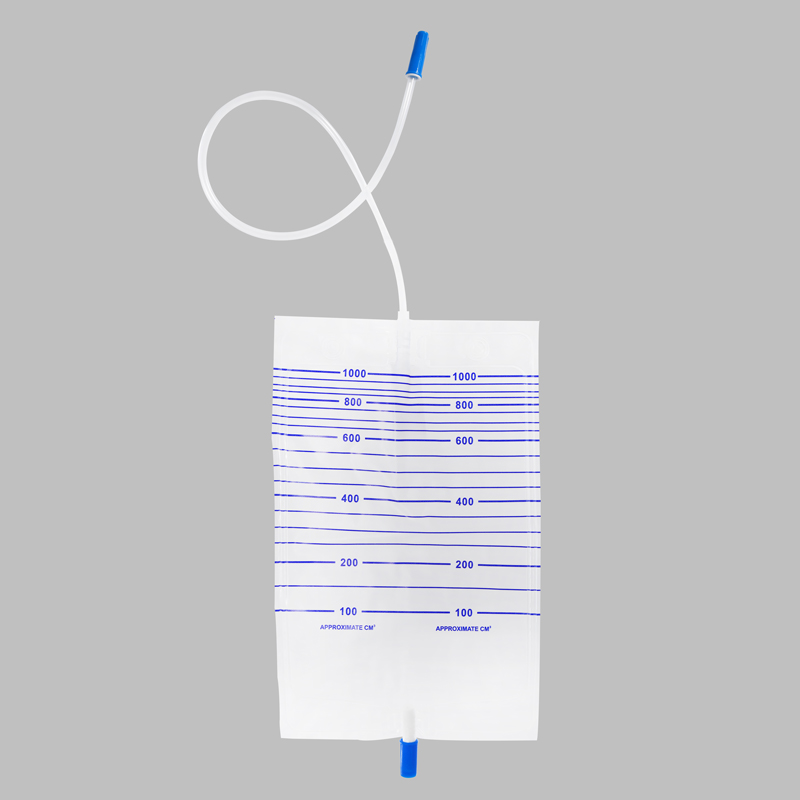
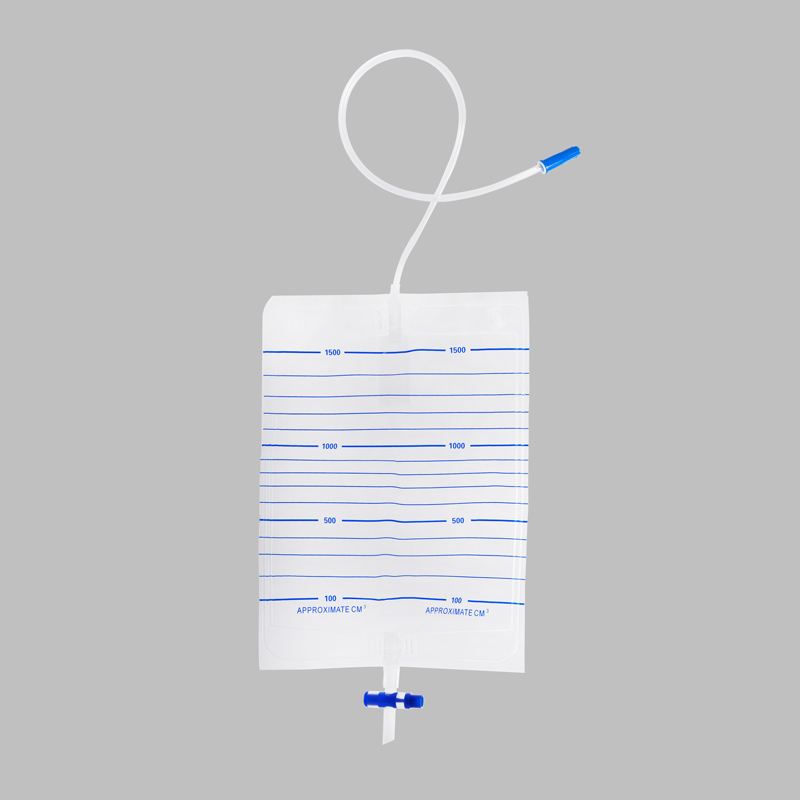
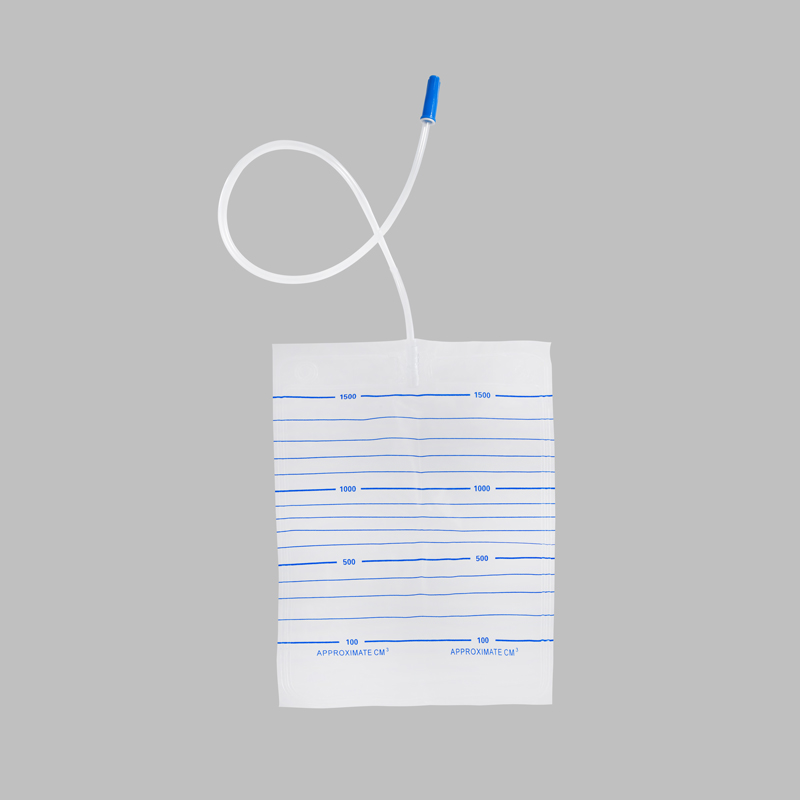
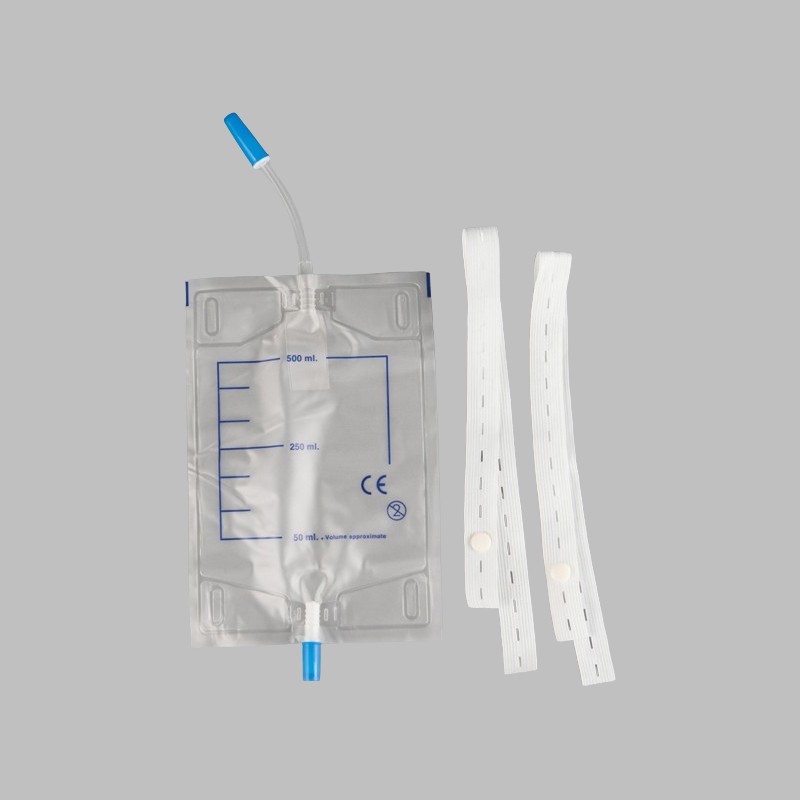
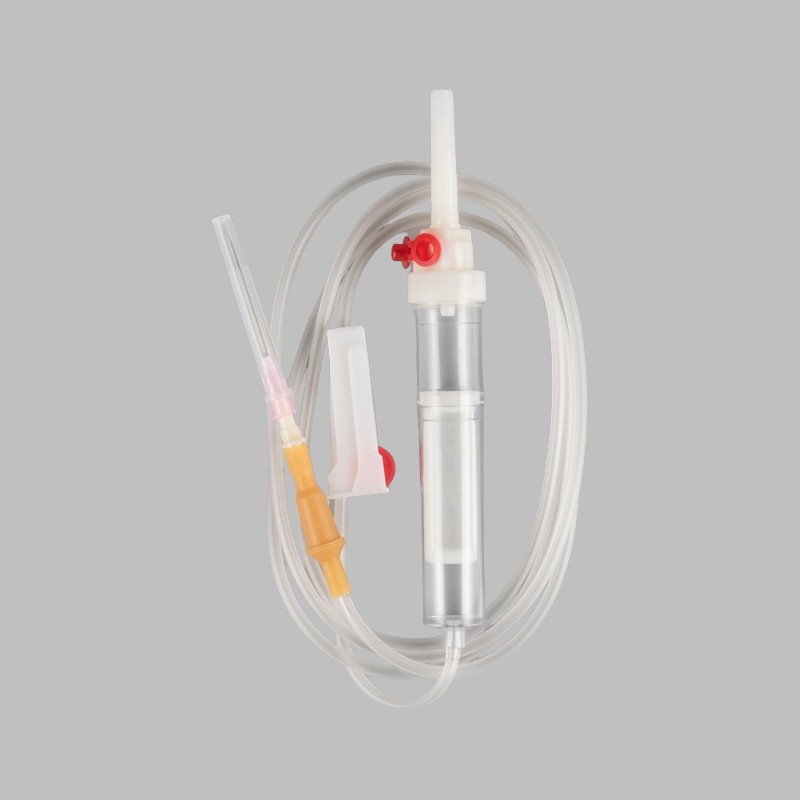
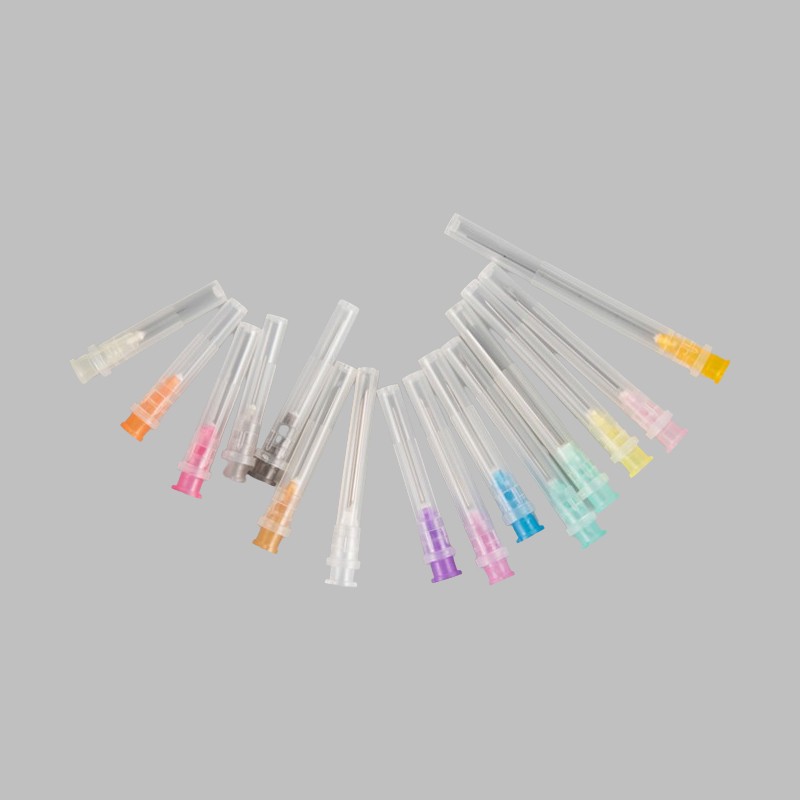
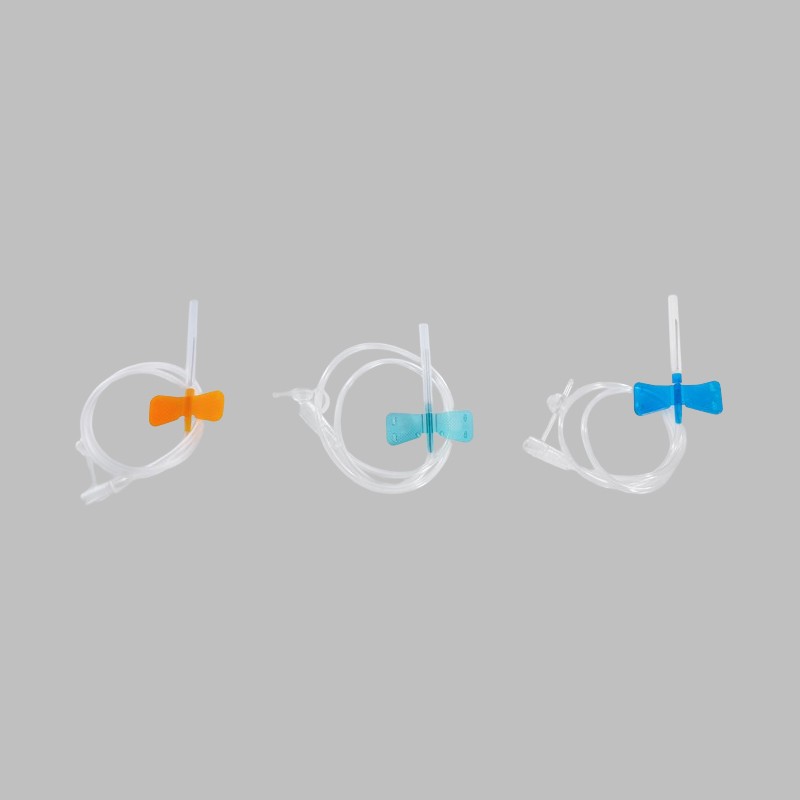
Syringes rarely ship alone. A distributor typically needs syringes, hypodermic needles, disposable infusion sets, scalp vein sets, urine bags and gloves on the same purchase order. Sourcing them from one factory reduces freight, simplifies customs clearance and cuts the number of supplier audits you must repeat each year.
Check: whether the range is produced in-house or brokered — ask which items are made on their own lines.
Custom work separates factories from resellers. Ask whether they own a mold workshop, how many molds they hold, and whether they can change graduation printing, barrel color, plunger type, blister format, carton artwork and language. OEM programs also require regulatory discipline: the label must carry the correct manufacturer name, CE mark and lot coding.
Ask for: a previous private-label project (artwork plus finished carton photo) and the lead time for a new tool.
A quotation should break down unit price, sterilization, packaging, mold or artwork cost, and the Incoterm. A single lump-sum figure hides where you can negotiate. MOQ is driven by mold changeover and packaging runs, not by arbitrary policy — which means it is often negotiable when you combine sizes in one order.
Benchmark: standard disposable syringe MOQ is commonly 200,000 pieces per size; expect higher MOQ for custom blister or printed cartons.
Separate production from transit when you ask. A factory quoting "30 days" that means 30 days to the port will cost you six extra weeks. Ask for production lead time after deposit and artwork approval, the loading port, and the sailing schedule to your destination.
Benchmark: production 25–35 days; ocean transit 18–32 days depending on port. Total 6–9 weeks door to door.
Every carton should carry a lot number that leads back to a production date, machine, shift and resin batch. This is what allows a complaint to be investigated rather than argued about. Ask how a customer complaint is handled: who responds, in what time frame, and whether replacement or credit is standard for confirmed defects.
Ask for: a sample batch record and the written complaint-response procedure — 48 hours is a reasonable first-response commitment.
Certification is the fastest way to separate a factory from a reseller, but only if you verify it in the source database rather than trusting the PDF. The table below lists what each certificate actually proves and where to check it.
| Certification | What it proves | How buyers use it | Where to verify |
|---|---|---|---|
| ISO 13485 | Quality management system for medical device manufacturing | Baseline requirement for any serious supplier | Certification body website; IAF CertSearch |
| CE (MDR) | Compliance with EU medical device regulation | Mandatory for EU sales; signals process maturity elsewhere | EU NANDO database (NB number) |
| FDA 510(k) | US market clearance for a specific device | Required for US import; supports faster approvals elsewhere | FDA 510(k) database |
| TGA | Australian market inclusion | Useful for Oceania and as a third-party quality signal | TGA ARTG |
| Free Sales Certificate | Product is legally sold in the country of origin | Required by most national registrations, including COFEPRIS | Issuing authority / notarization |
| GMP | Production conforms to good manufacturing practice | Supports factory audits and tender qualification | Regulator inspection records |
Three practical rules follow from this table. First, CE is not FDA and neither is COFEPRIS: Mexican registration is a separate national process, and a CE certificate will support — but never replace — a Registro Sanitario. Second, scope matters more than existence: a valid ISO 13485 certificate that excludes syringes tells you nothing about the product you are buying. Third, names must match: if the certificate holder is a company you have never heard of, ask why, and get the relationship in writing.
Our own factory operates under ISO 13485 with CE, TGA, GMP and FSC documentation, and we routinely issue the document packages importers need — you can see the certification summary on our factory and certification page.
Two quotations for a "5 ml luer lock syringe with 23G needle" can differ by 40% and both be honest. The difference is almost never the factory's greed; it is specification and packaging. Understanding the cost stack lets you compare offers properly instead of chasing the lowest number.
| Cost element | Share of ex-works price | What moves it |
|---|---|---|
| Resin (PP / PE) | 40–50% | Polypropylene grade and market price; barrel weight |
| Molding and labor | 20–25% | Cycle time, cavitation, automation level, shift pattern |
| Sterilization | 8–12% | EO vs gamma; chamber loading density; validation status |
| Packaging | 8–10% | Polybag vs blister; individual vs bulk; printed cartons |
| Testing and scrap | 5–8% | In-process test frequency; reject rate |
| Manufacturer margin | 8–12% | Order volume, payment terms, relationship age |
Indicative ranges for disposable syringes; actual structure varies with specification and order size.
Because resin is the largest single input, polypropylene price movements pass through to quotations within weeks. A supplier who cannot explain its resin source is a supplier who will surprise you on the next order. Packaging is the second lever and the most under-discussed: moving from individual blister to polybag, or from printed to plain cartons, can change unit price more than switching factories.
MOQ logic. Minimum order quantity exists because a mold changeover costs the same whether you run 20,000 pieces or 2,000,000. For standard sizes, most Chinese factories set MOQ at around 200,000 pieces per size; custom blister cards, printed cartons or a new barrel mold raise it. The practical workaround is to combine several sizes in one purchase order — the changeover cost is amortized across the whole run, so the total volume requirement stays the same while your stock becomes more balanced.
A worked example. Take a 5 ml luer lock syringe quoted at USD 0.045 FOB versus USD 0.052 from a second factory. On a 500,000-piece order the difference is USD 3,500 — roughly the cost of one extra week of safety stock at typical distributor margins. Add ocean freight of USD 2,800–4,200 per 40HQ, duty and clearance, and the two offers converge to within a few percent of landed cost. Now add the risk side: if the cheaper supplier's lead time slips three weeks and your tender delivery is fixed, the saving disappears entirely. This is why experienced importers negotiate on specification and lead time, not headline FOB price.
Compare landed cost, not FOB. The number that matters is: FOB price + ocean freight + insurance + duty + customs clearance + inland delivery + financing cost of inventory in transit. A supplier 15% cheaper on FOB but two weeks slower can be more expensive once you price the extra safety stock. If your market is Mexico, our analysis of the top syringe suppliers in Mexico walks through the same calculation with local freight and registration realities.
Use this list in a supplier meeting or, better, on a video walkthrough. A genuine factory can show every item in under an hour; a trading company will stall on items 3 through 12.
Business license showing manufacturing scope
ISO 13485 certificate — original, in date, scope covering syringes
CE certificate with notified body number and product list
Site plan with cleanroom area marked and measured
Injection-molding hall: machine count, brand, tonnage
Mold workshop: number of molds, in-house maintenance capability
Assembly lines: degree of automation, staffing per line
Cleanroom monitoring records: differential pressure, temperature, humidity, particle counts
Sterilization arrangement: in-house chamber or validated contractor, plus validation report
Testing laboratory: equipment list and current calibration certificates
Resin incoming inspection records and supplier list
Batch record demonstration: lot number traced to date, machine, shift and resin batch
Retained sample room with samples from previous batches
Packaging and labeling samples compliant with destination-market rules
Export customer list by destination country, with references available on request
If an on-site visit isn't feasible, ask for a live video walkthrough rather than a photo set. A factory can show its molding floor, cleanroom entrance and testing lab in real time; a reseller can only send images. Five minutes of live video is worth more than fifty pages of brochures. You can also request a factory video tour and free samples directly from our team.
A manufacturer owns production lines, molds, cleanrooms and a quality management system, and is legally responsible for the product. A supplier or trading company may only resell goods made by someone else, so it cannot control production, lead time or batch quality — and often cannot supply the original technical file your registration requires.
Check that the business license scope says manufacturing rather than trading, confirm the ISO 13485 certificate address matches the factory address, and request a live video walkthrough showing the injection-molding floor, cleanroom and testing lab in real time. A genuine factory can do all three within 48 hours.
ISO 13485 is the non-negotiable baseline. For the EU you need CE marking under MDR; for the US, FDA 510(k) clearance; and most national registrations — including Mexico's COFEPRIS — require a Free Sales Certificate from the country of origin plus a technical file.
For standard SKUs from a Chinese factory, MOQ is commonly around 200,000 pieces per size. Custom printing, blister packing or private-label cartons can raise the MOQ; mixing several sizes in one order usually keeps the total volume requirement unchanged.
Standard production runs take roughly 25–35 days after artwork and deposit confirmation. Ocean freight adds about 18–32 days depending on destination port. Plan on six to nine weeks from purchase order to warehouse arrival, plus any time needed for import registration.
Yes. The factory supplies the ISO 13485 certificate, Free Sales Certificate, technical file, biocompatibility and sterilization reports that your local registration holder needs. The registration itself is normally held by the importer or an authorized representative in your country, not by the overseas factory.
Established exporters hold CE certification and ISO 13485, and ship with a complete export document package: certificate of origin, packing list, sterilization report and free sales certificate. Always verify the CE certificate number against the EU NANDO database before ordering.
A luer lock syringe has a threaded collar that twists and locks the needle in place, which prevents detachment under pressure — preferred for IV, contrast and high-viscosity injections. A luer slip syringe uses a simple friction fit, costs less and is standard for routine injections and vaccination. We manufacture luer lock syringes and luer slip syringes in 1 ml to 100 ml, with needles from 16G to 27G.
After twelve criteria, six certificates and fifteen audit points, the decision usually reduces to three questions. Can they prove they make the product themselves? Can they prove it meets the standard your market requires? And can they deliver the same specification, on time, for the next three years? A supplier who answers all three with documents rather than assurances is the one worth signing with.
For reference, our own answers are: a 50,000 m² factory in Changzhou with 15,000 m² of 100,000-class cleanrooms and in-house molding since 1988; ISO 13485, CE, TGA, GMP and FSC certification covering disposable syringes, safety syringes, auto-disable syringes and infusion sets; and a daily output of 4 million syringes and 6 million needles shipped to more than 60 countries. If you are evaluating suppliers for a tender, a distributor portfolio or a private-label launch, we are glad to be measured against this checklist — including the parts that are inconvenient.

Whatsapp: +86-13616120206
E-mail: sale01@lelun.com
ADD: HengShanQiao Town, out of East Gate, Changzhou ,Jiangsu, China
Mobile: (+)86-13616120206