






News Categories

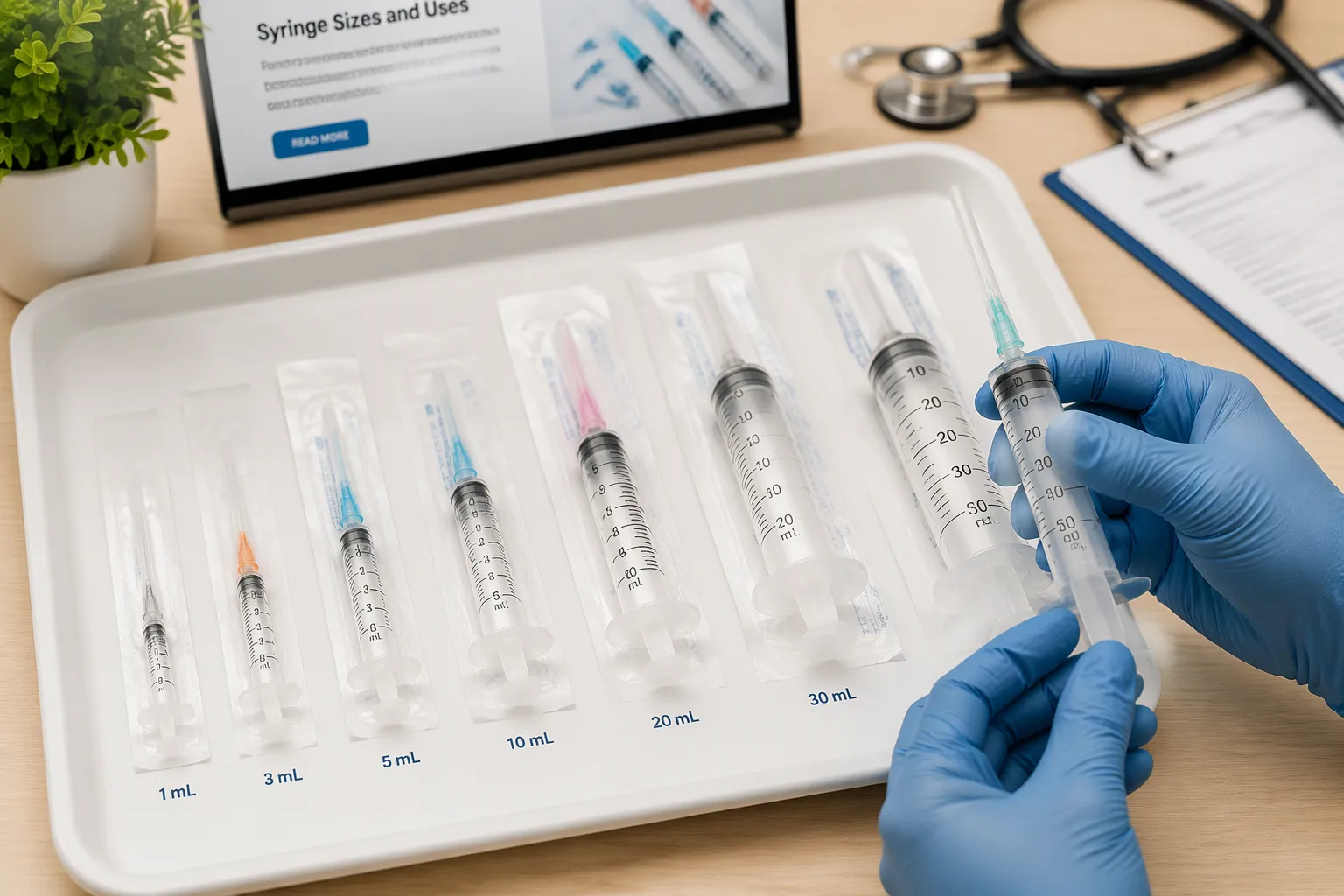
The right syringe depends on three things: how much medicine you give, how you inject it, and which needle you attach. If you get any one of these wrong, dosing accuracy or patient comfort suffers.
Start with disposable syringe sizes. A syringe should hold your dose closely, because oversized barrels invite measurement errors. Next, match size, volume, and gauge to the liquid and the injection site. The University of Southern California Environmental Health and Safety notes that thick liquids resist flow through thin needles, so gauge choice matters.
Safety features and disposal belong in the same decision. Use the steps below to choose the right syringe and find the right syringe for your needs.
Pick a syringe barrel that closely matches your dose so you avoid mistakes in measuring.
Choose a needle gauge based on how thick the medicine is: thicker liquids need wider needles.
Choose the needle length based on how deep the shot needs to go and the patient's size, so it reaches the right tissue.
Pick syringes that have safety features, like auto-disable or retractable needles, from the start.
Plan for safe disposal with a sharps container before you use the syringe.
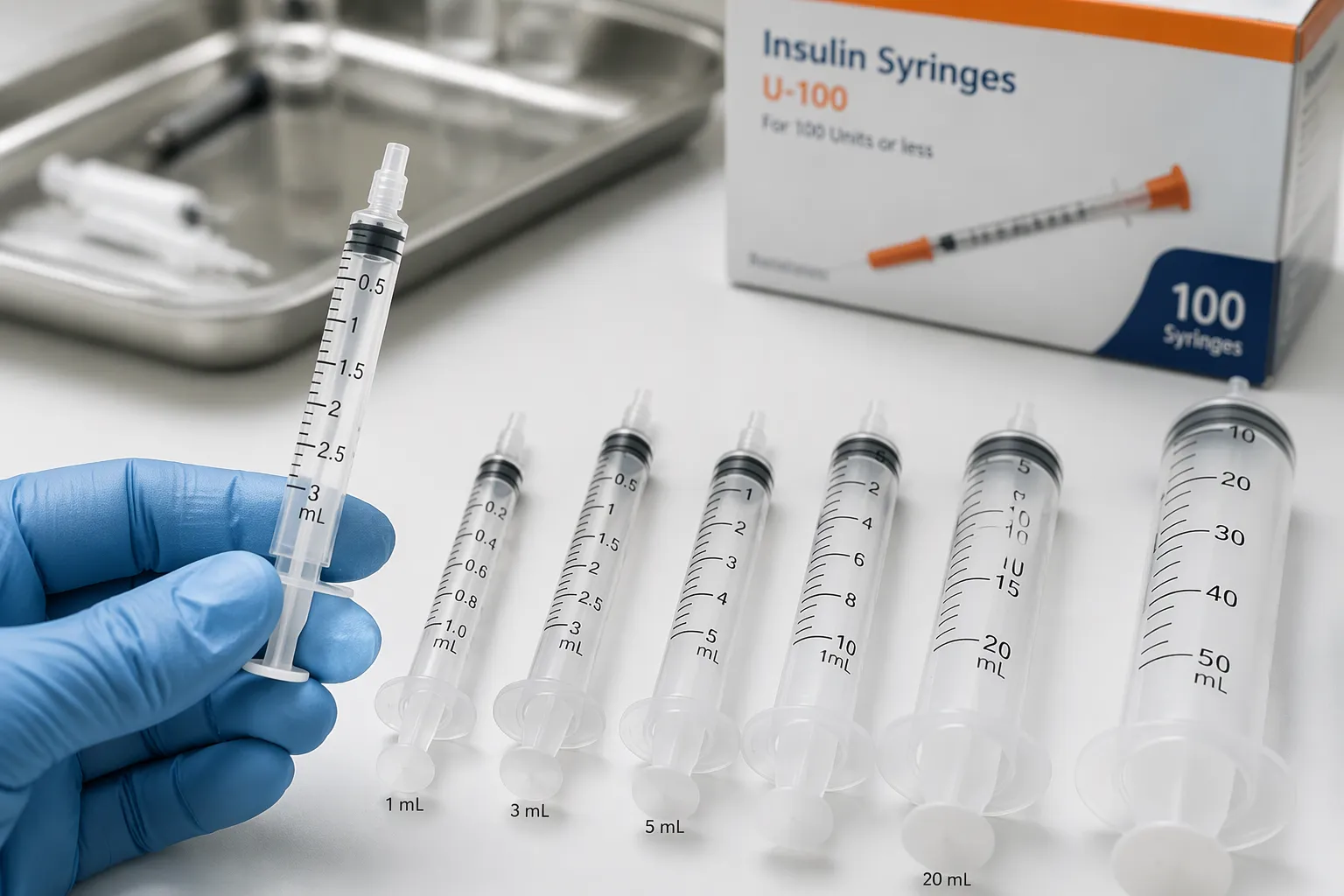
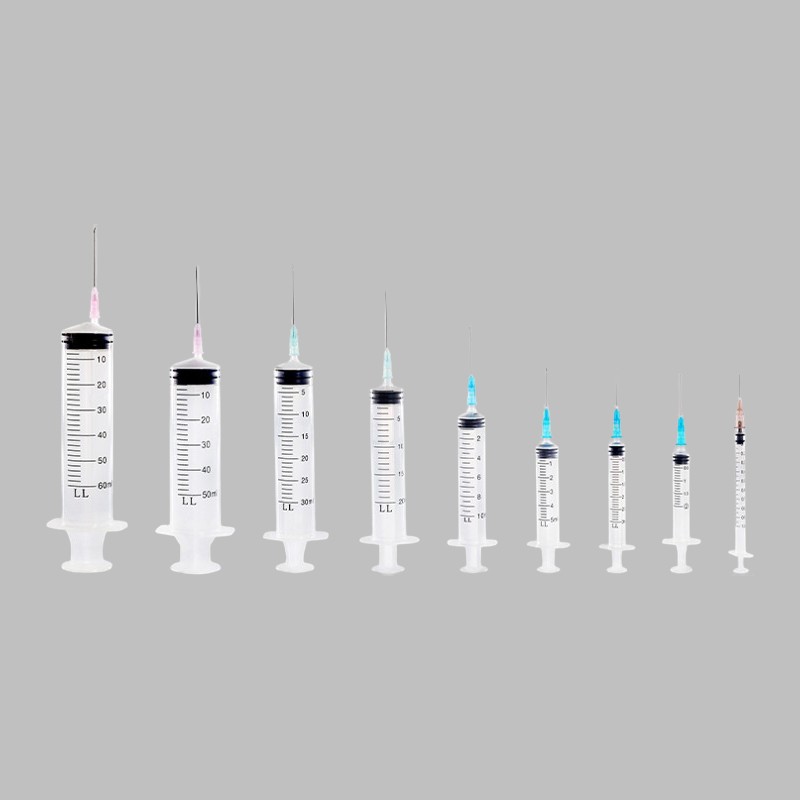
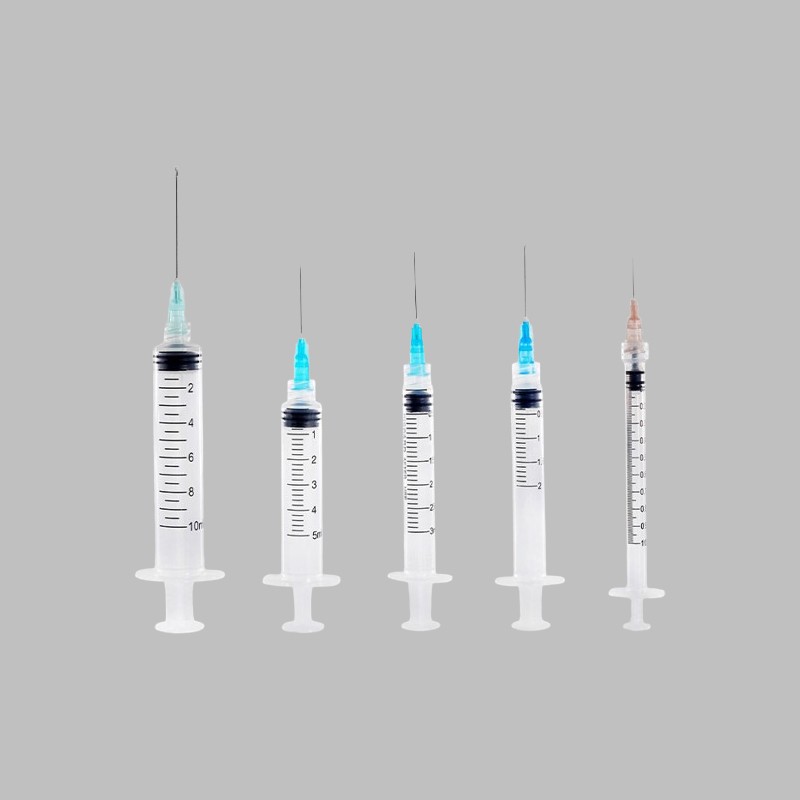
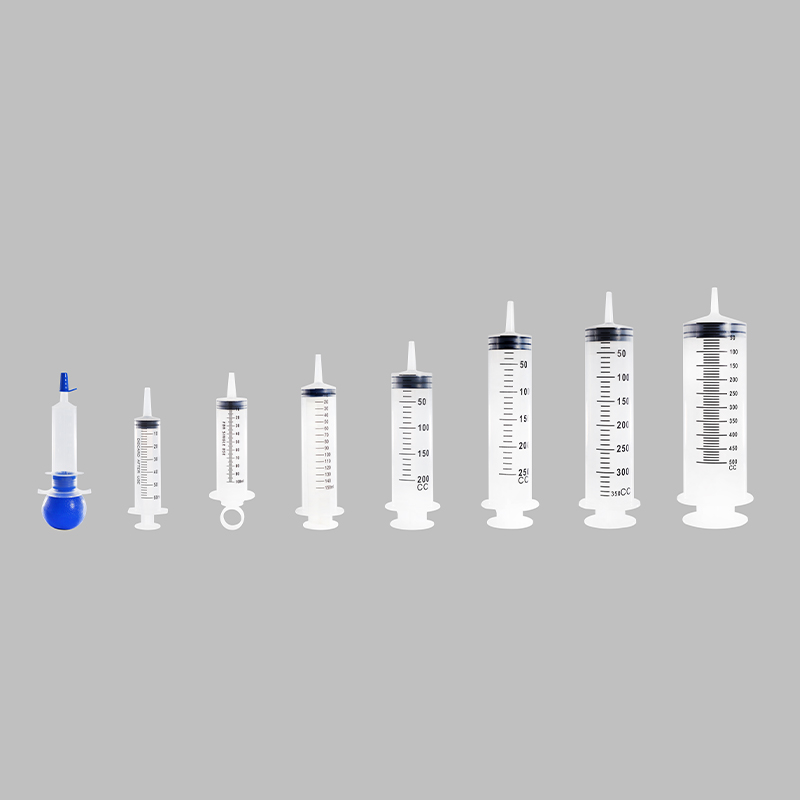
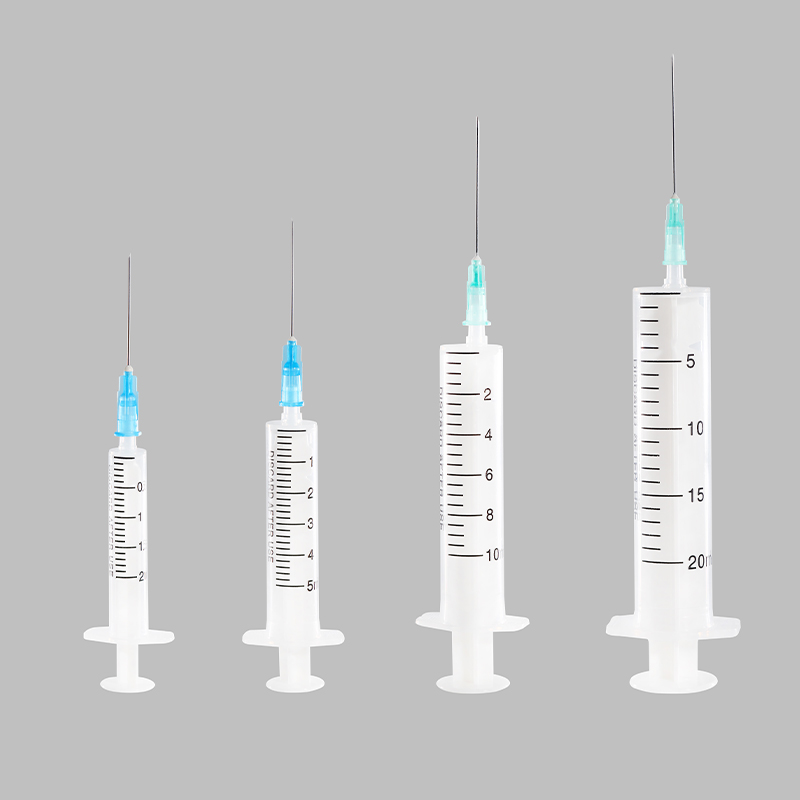
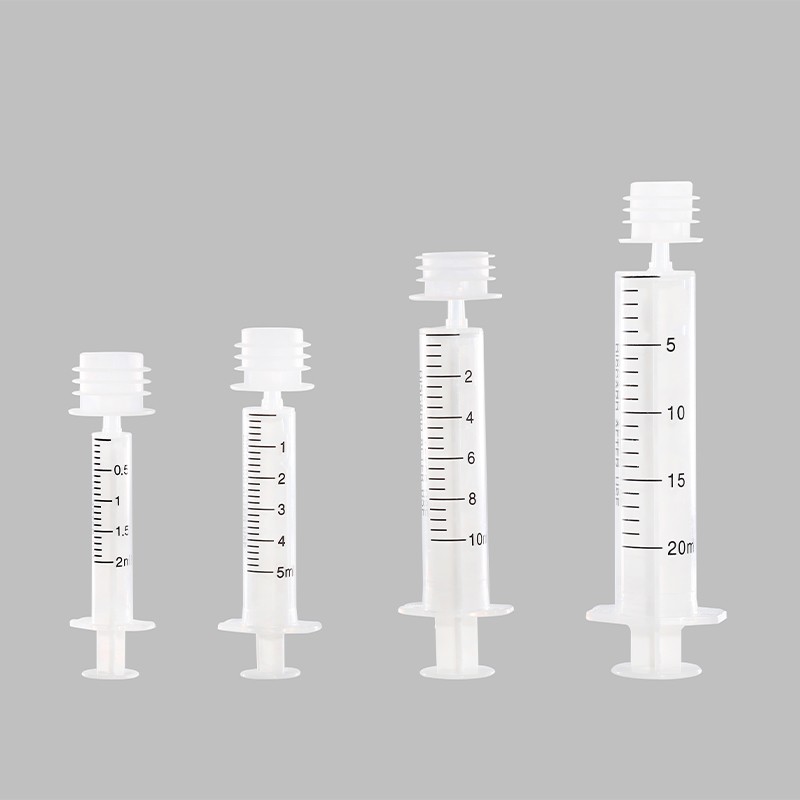
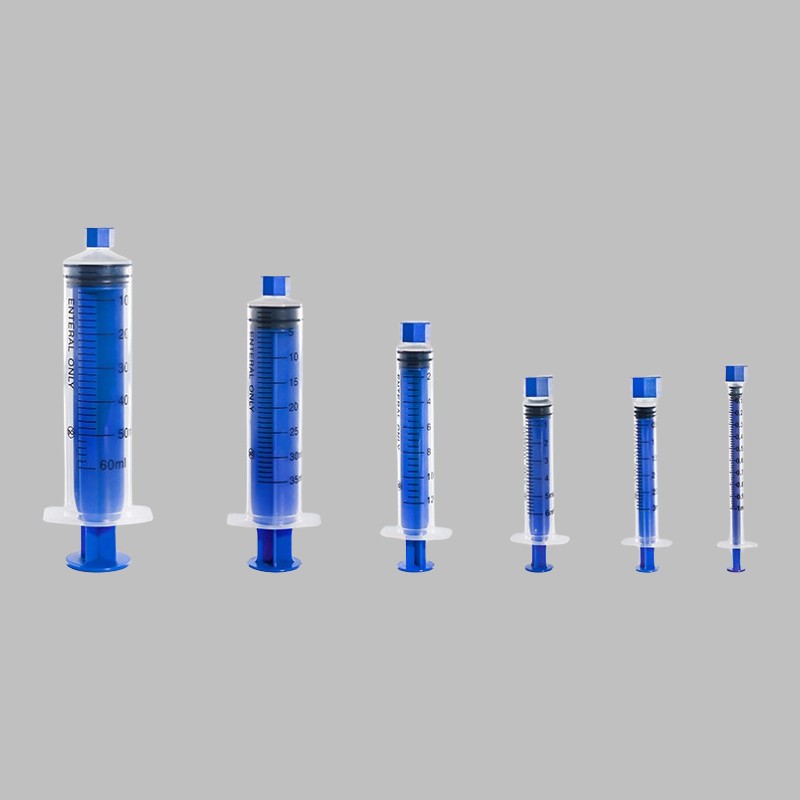
Disposable syringes come in many different volumes, and each range is made for a certain job. The WTCS Nursing Skills resource lists disposable syringes from 0.5 mL to 60 mL for giving parenteral medications. A 1 mL barrel works well for small, exact doses. A 3 cc syringe is a good fit for routine injections of a few milliliters. Bigger barrels, like 20 mL or 50 mL, are used for irrigation, aspiration, and other high-volume tasks. A 100 mL barrel handles large amounts of fluid.
Choose a barrel that holds your dose closely. If the barrel is too big, you have to guess the draw, and that can lead to dosing errors. A snug fit helps you give the correct medication dosage every time.
Syringe / Volume Range | Typical Use |
|---|---|
Disposable syringe, 0.5 mL to 60 mL | Administering parenteral medications |
Insulin syringe, 50 units | Insulin administration |
Insulin syringe, 100 units | Insulin administration |
Luer slip (Slip Tip) syringe | Common in Foley catheterization kits |
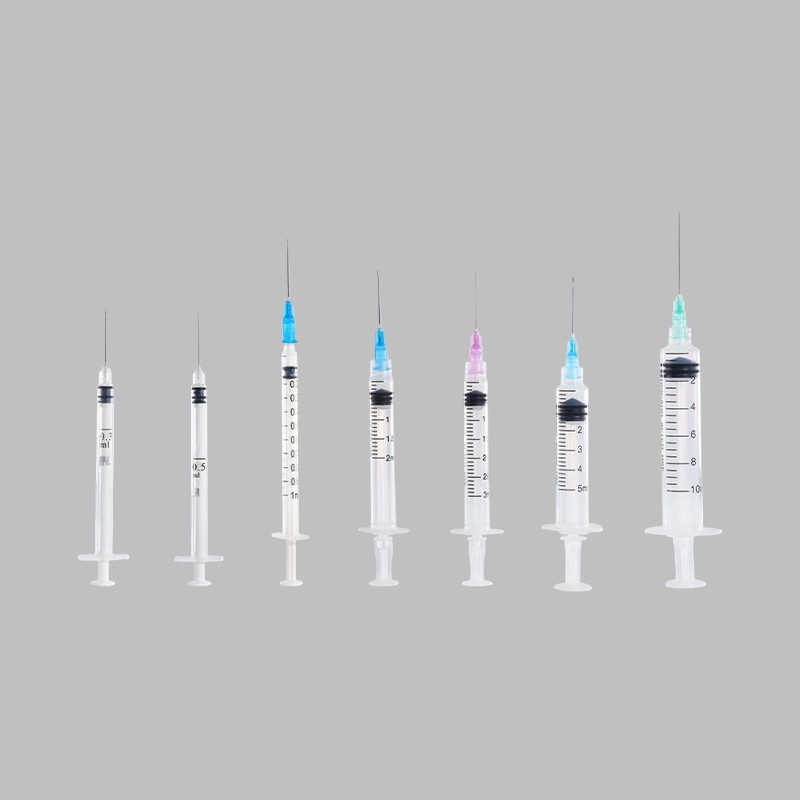
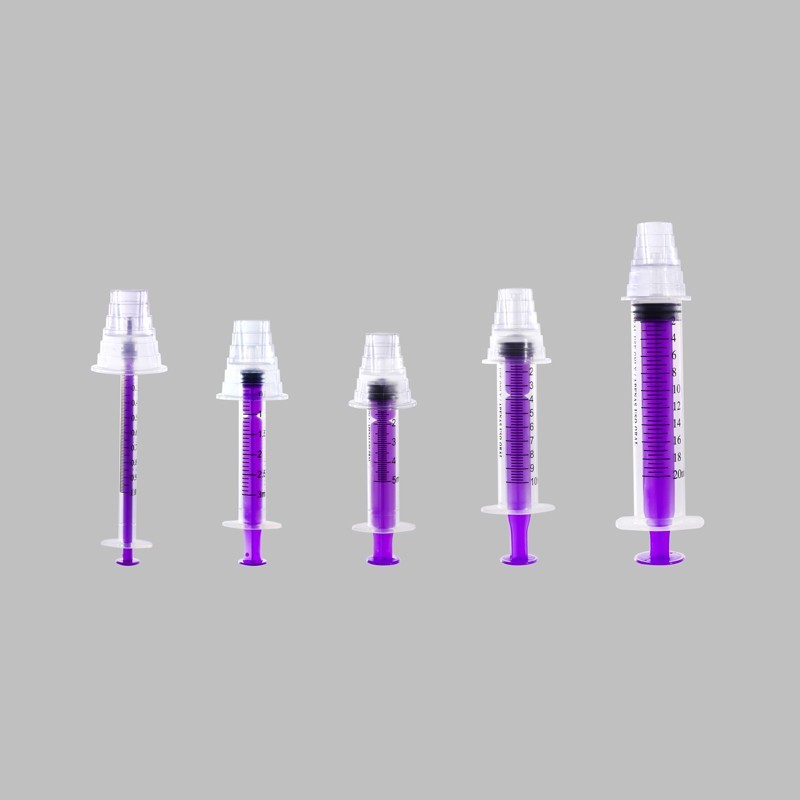
Check the graduations before you draw. Clear, permanent markings let you confirm the exact level. Faint or worn scales make even a correct syringe size unreliable. Changzhou Medical Appliances General Factory Co., Ltd (Changzhou Medical Appliances General Factory Co., Ltd) offers disposable syringes from 0.5 mL to 100 mL in Luer Slip, Luer Lock, insulin, catheter tip, and two-part types, all with highly transparent barrels and clear, permanent graduations.
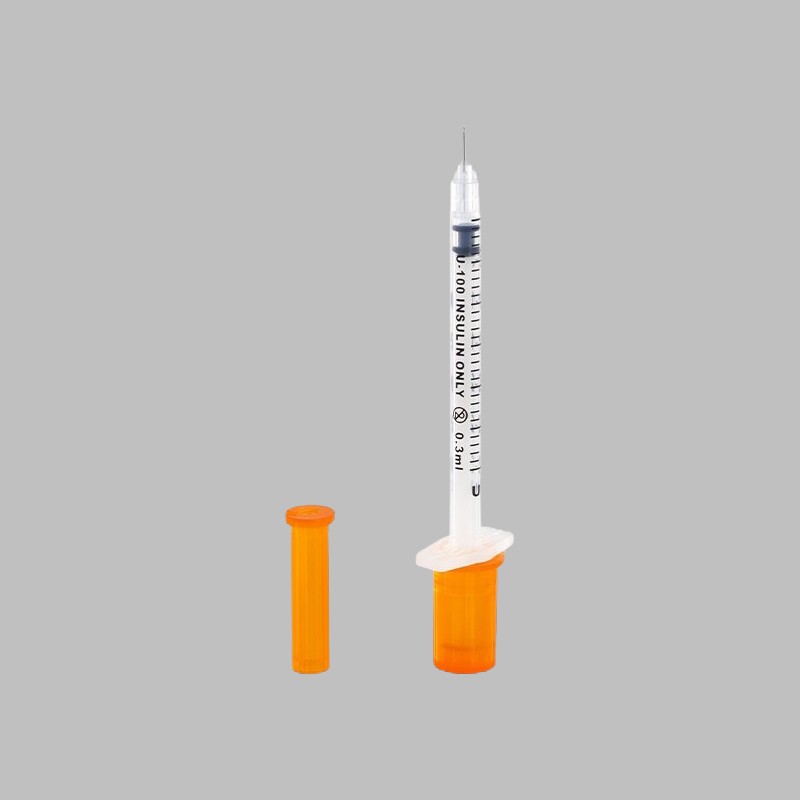
Insulin dosing needs tighter control, so these barrels have unit markings instead of plain volume marks. Three common sizes for insulin syringes cover most regimens, as ExMed explains. The 0.3 mL (30-unit) barrel fits doses under 30 units and is numbered at 1/2-unit or 1-unit intervals, per Healthline. The 0.5 mL (50-unit) barrel fits 30 to 50 units and is numbered at 1-unit intervals. The 1.0 mL (100-unit) barrel fits doses over 50 units and is numbered at 2-unit intervals.
Syringe Size | Units of Insulin | Typical Use |
|---|---|---|
0.3 mL | 30 units | Small doses; People with bad vision |
0.5 mL | 50 units | Moderate doses; People who need more than 30 units but clearer markings than 1 mL |
1.0 mL | 100 units | Larger doses; Those who want fewer injections throughout the day |
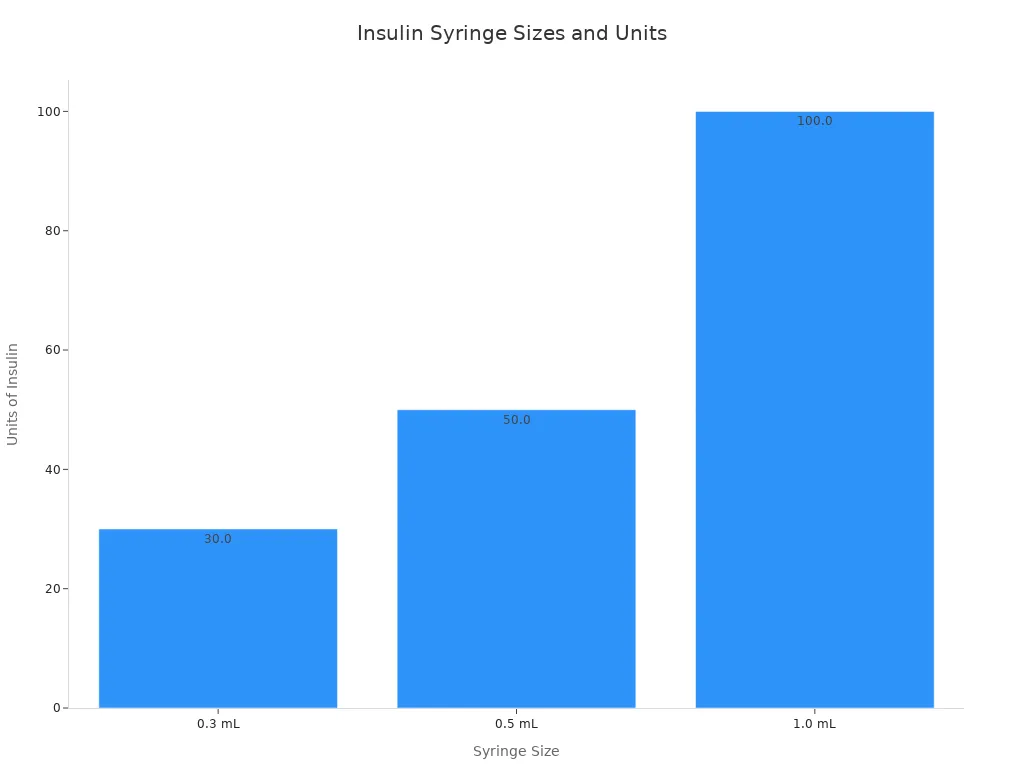
The difference between a 30-unit, 50-unit, and 100-unit insulin syringe comes down to capacity and scale spacing. A finer scale on the smaller barrel makes half-unit reads possible. A coarser scale on the 100-unit barrel keeps the numbers easy to read. KDL Medical notes that u-100 insulin syringes match these unit markings to the concentration you use. Always pick a size that matches or is slightly larger than your usual dose.
These syringe sizes also affect the insulin syringe needle gauge. A thin needle slows the draw, so a larger barrel with a strong plunger helps with thicker suspensions. When you compare the different syringe sizes, think about both dose volume and how clear the markings are. That habit helps you choose the right syringe and find the right syringe for your needs.
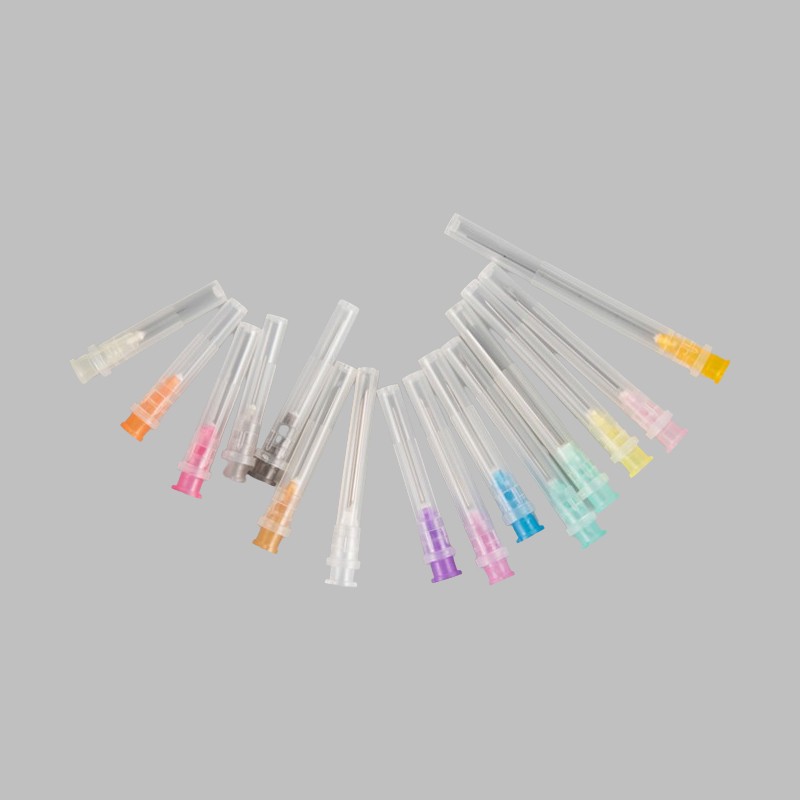
A higher gauge number means a thinner needle. The largest common diameter is 14G, and 16G to 27G covers most clinical needs. Gauge controls how fast fluid moves through the needle, so it shapes your choice as much as barrel volume does.
Thick liquids need a wider channel. International Filter Products groups the options by fluid type:
Oil-based suspensions: 16G to 20G, which prevents clogging
Standard aqueous solutions: 21G to 25G
Dilute, water-like solutions: 25G to 30G, for precision
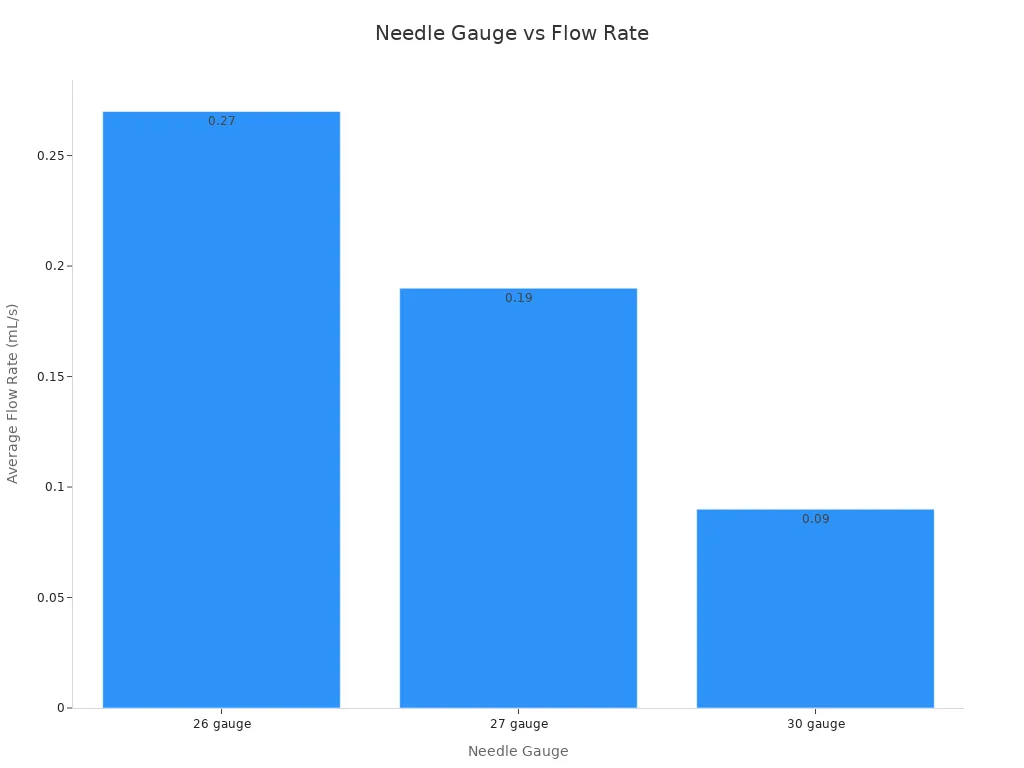
A study in a PMC-indexed endodontic paper measured this effect directly. Average flow rate fell from 0.27 mL per second at 26 gauge to 0.19 at 27 gauge and 0.09 at 30 gauge. The authors concluded that needle gauge has significant influence on irrigation flow rate. The chart below, from that PMC study, shows the drop across the three sizes.
Thick suspensions also demand a more robust plunger, because pressure builds behind a narrow bore. This is where insulin syringe needle gauge matters too: a very fine needle slows the draw, so pair it with a barrel that gives you steady control.
Length must reach the target tissue. Subcutaneous injections into fatty tissue over the triceps typically use a 5/8 inch needle at a 45-degree angle, per Children's Hospital of Philadelphia (CHOP). Adult intramuscular injections usually need 1 to 1½ inches, and CHOP advises 1½ inches for women over 200 lbs or men over 260 lbs.
Site and body composition change the math. A 38 mm (1.5 inch) needle failed to reach muscle in 71% of women with a BMI above 30 during ventrogluteal injection, according to ESMed, and obese patients may need 50 mm. Match the right size and length to the patient in front of you, not to a default.
Changzhou Medical Appliances General Factory Co., Ltd supplies needles from 16G to 27G and customizes needles and scales, so you can align syringe size, bore, and length in one order. Use these two variables together to choose the right syringe and the right syringe for your needs.
You now know the barrel volume and the needle bore. The next step is to match both to the liquid and to where it goes. A thick suspension moves slowly through a narrow channel, so the syringe's size and the needle bore work together to set pressure flow. A larger barrel gives you more leverage on the plunger, and a wider bore lowers the resistance. Pair a small barrel with a fine needle for watery solutions, and step up the bore for gels and oils.
Barrel treatment matters too. Gerresheimer explains that a silicone coating on the barrel cuts the force needed to move the plunger head. The coating must match the type and thickness of the medication, and a layer that is too thick leaves free silicone oil inside the barrel. This balance helps you choose the right syringe for thick versus thin liquids. For low-silicone needs, the coating can be baked on instead. Use these details to pick a suitable syringe and needle for each formulation.
Depth and volume separate these two routes. Myco Medical lists the fit for each, and the table below sums up the key parameters.
Parameter | Intramuscular (IM) | Subcutaneous (SC) |
|---|---|---|
Needle Gauge | 22-25 Gauge | 25-27 Gauge |
Needle Length | 1 to 1.5 inches | ⅜ to ⅝ inch |
Injection Angle | 90-degree angle | 45-degree angle |
Syringe Capacity | 1 ml to 3 ml |
Both routes fit 1 ml to 3 ml barrels, so capacity alone does not decide the choice. The 1 ml tuberculin barrel suits typical 0.5 ml to 1 ml IM doses, per Myco Medical, and a 3 ml barrel handles larger volumes. For SC work, a 1 ml barrel often covers a standard dose. Compare syringe sizes against your dose first, then confirm the needle length reaches the target tissue. Each route has a clear best fit, and neither is better in general.
Safety features should be part of your choice from the start, not added later. A regular barrel does not protect anyone after the shot. Safety-engineered designs add protection for you and for anyone who handles the waste.
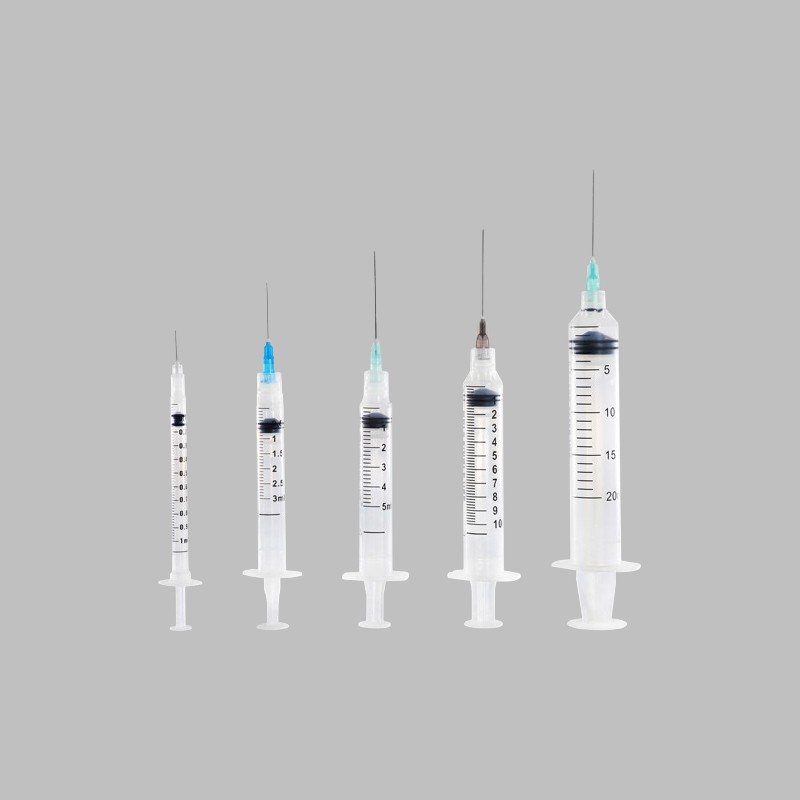
Wikipedia's overview of safety syringes lists the main types. An auto-disable (AD) syringe locks the barrel once you push the plunger, so it cannot be used again. A breaking plunger syringe cracks inside when fully pushed. A needlestick prevention syringe slides a cover over the needle after the shot. A retractable syringe pulls the needle back into the barrel, by hand or with a spring. Manual retraction is usually easier to push because no spring fights you.
Look for single-use design, ETO sterilization, and non-toxic, non-pyrogenic construction as basic requirements. Changzhou Medical Appliances General Factory Co., Ltd includes safety and auto-disable syringes in its disposable syringes line, next to its standard Luer Slip, Luer Lock, and insulin types.
Plan disposal before you open the package. The FDA suggests a two-step process for used needles and sharps.
Put every needle and sharp in a sharps disposal container right after use. Keep containers away from children and pets. When a container is about three-quarters full, follow your local rules for getting rid of it.
Throw away the full container by local rules. Options include drop boxes at pharmacies or hospitals, household hazardous waste sites, mail-back programs, and special waste pick-up at home.
The FDA also warns against throwing loose needles in the trash, flushing them, or putting them in recycling. Never bend, break, or recap a needle by hand. Match your syringe size to a container that accepts it, and carry a small travel container when you leave home.
Go through these steps in order. Each step helps you narrow down your choices before you buy.
Check the dose volume. ZOJE Medical Group says syringes usually range from 1 mL to 60 mL. Use 1 mL for exact doses like vaccines, 5 mL for most injectable medicines, and 10–60 mL for large volume parenterals.
Choose the syringe capacity. Pick a barrel that holds the dose closely, so you give the correct medication dosage.
Choose the needle gauge by how thick the liquid is. Thick liquids need a wider bore and a stronger plunger.
Choose the needle length by site and patient. Age and body type change how deep you need to go.
Check safety features. Look for retractable needles or safety locks.
Plan disposal. Set up a sharps container before the first use.
ZOJE Medical Group also suggests a small trial before you buy in bulk. Test how the syringe fits in staff hands and how accurate the markings are. Confirm specifications with your supplier, and keep a syringe selection guide nearby for reference. A digital inventory tool can warn you when stock drops below critical levels.
Three errors cause most sizing problems. Each one is easy to fix once you know the pattern.
An oversized barrel invites dosing errors. Using a 10 mL barrel for a 1 mL dose forces you to estimate the draw. Match the barrel to the dose instead.
The wrong gauge stalls thick liquids. A fine needle clogs on oil-based suspensions, so step up the bore for thick formulations.
A mismatched needle length misses the target tissue. A short needle may not reach muscle in a larger patient, and a long needle may go too deep in a thin one.
Treat volume and use as a pair. The disposable sterile syringe size must fit both the dose and the route. A 3 mL barrel suits a routine intramuscular injection, but the same barrel needs a longer needle for a larger patient. Check the disposable sterile syringe size against the site before you order. Review your disposable syringe sizes against actual dosing records, and revisit them as your patient mix changes. That habit helps you choose the right syringe every time.
Run the checklist once per product line, not once per order. A quick trial confirms the appropriate disposable sterile syringe size for each use. Keep the right syringe size documented, and your team will reach for the right syringe for your needs without second-guessing. The right disposable sterile syringe size also depends on clear graduations, so inspect the markings during your trial. A suitable syringe and needle pair protects both accuracy and comfort. Use this guide to lock in the disposable sterile syringe size that matches your clinical routine.
Begin with volume. Choose a barrel that holds your dose closely, then pick the needle gauge and length. Match both to how thick the medicine is and where you inject it. Last, check the safety features and plan how to throw it away.
Safety and disposal are part of choosing, not just cleaning up. An auto-disable or retractable design protects you and everyone who handles the waste. A sharps container should be ready before the first draw.
Remember one rule: the barrel must fit the dose and the route together. Check the markings, make sure the needle reaches the right tissue, and order with confidence.
Match the barrel to the dose. A 1 mL barrel suits exact small doses, and a 3 mL barrel handles routine injections of a few milliliters. An oversized barrel forces you to estimate the draw, and that invites dosing errors.
A 0.5 mL (50-unit) barrel fits that dose. It is numbered at 1-unit intervals, so you can read the draw clearly. Compare insulin syringe sizes against your usual dose, and pick the smallest barrel that still holds it.
Yes. A very fine needle slows the draw, so pair it with a barrel that gives steady control. The three common insulin syringe sizes are 0.3 mL, 0.5 mL, and 1.0 mL, and each works with a range of needle gauges.
Step up the bore for thick liquids. Oil-based suspensions flow best through a 16G to 20G needle, and standard aqueous solutions work with 21G to 25G. A wider bore lowers resistance and prevents clogging.
It can. Choose a sharps container that accepts your barrel and needle, and place every sharp in it right after use. Never recap, bend, or break a needle by hand. Plan this step before you open the package.
Whatsapp: +86-13616120206
E-mail: sale01@lelun.com
ADD: HengShanQiao Town, out of East Gate, Changzhou ,Jiangsu, China
Mobile: (+)86-13616120206