






News Categories

Not every single-use injection device works the same way after delivery. An auto-disable mechanism blocks a second fill, while a retractable design pulls the needle out of reach after the injection. This guide separates the three terms, explains the standards that define each feature and lists the specifications purchasers should confirm when comparing a safety syringe for immunization or routine care.
Safety syringe is an umbrella term; the specific feature that matters is either reuse prevention, sharps injury protection, or both.
An auto-disable syringe locks after one delivery and is the format WHO strongly recommends for vaccine administration.
A retractable needle syringe withdraws the needle into the barrel after use, protecting staff and waste handlers from needlestick injury.
Size range, connector, gasket material, sterilization and documented standards are the practical points to verify before ordering.
The term is used loosely in catalogues, but in procurement it refers to a single-use syringe with a built-in mechanism that addresses a specific risk. International guidance groups these mechanisms into two families: reuse prevention, which stops the same device being filled and injected again, and sharps injury protection, which covers the needle after an injection so it cannot prick a person. A device can carry one family or both, so the useful question is not simply whether a product is labelled safe, but which feature it actually provides and to which standard it was tested. The safety syringe category shows how these formats are grouped in practice.
Auto-disable, often shortened to AD, is a reuse prevention feature built for fixed-dose immunization. Once the plunger is pushed past a clip or weak point, it cannot be drawn back for a second fill. Retractable needle models are a sharps injury protection feature: after delivery the needle is pulled back into the barrel, either manually by the operator or automatically by a spring. A generic disposable safety syringe may combine a locking plunger with a needle shield. The three are related but not interchangeable, and each is defined by a different part of the ISO 7886 family and the associated ISO 23908 requirement for sharps protection.
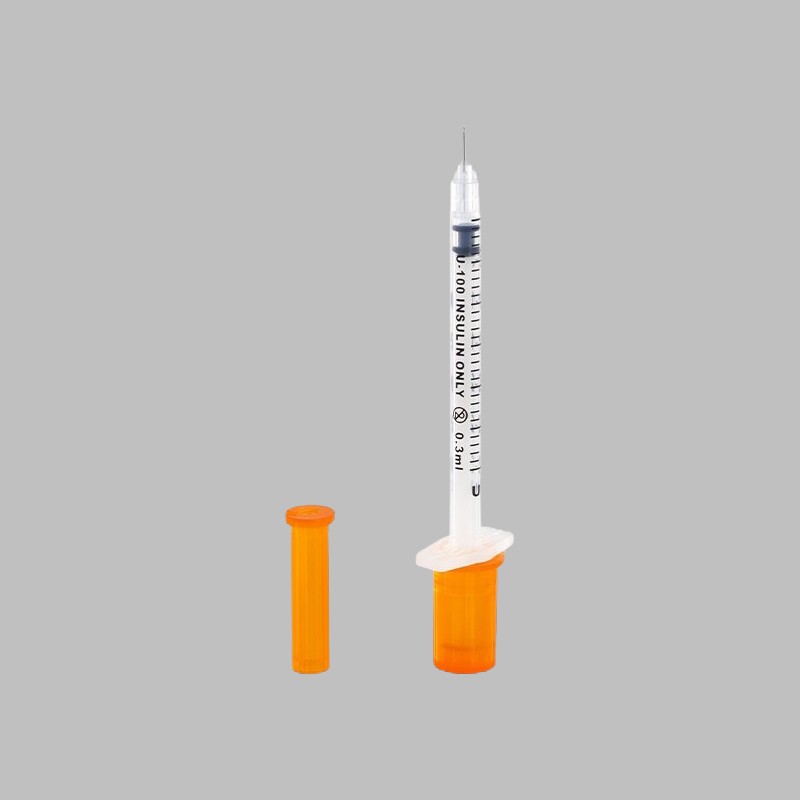
In an auto-disable syringe, clips, flanges or a deliberately weakened section of the plunger engage after the dose is given. Pulling the plunger back either meets a hard stop or snaps the rod, so refilling the barrel is not possible. That simple constraint is why WHO's prequalification guidance for single-use injection devices states that auto-disable syringes are the only equipment it strongly recommends for giving injectable vaccines, because reusable or ordinary disposable syringes carry a higher risk of person-to-person transmission.
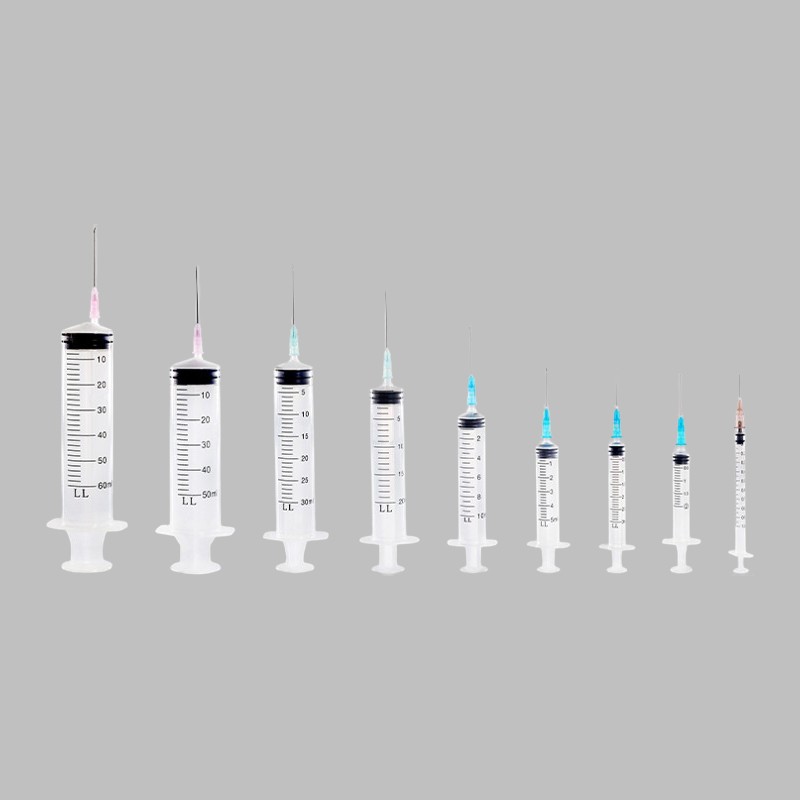
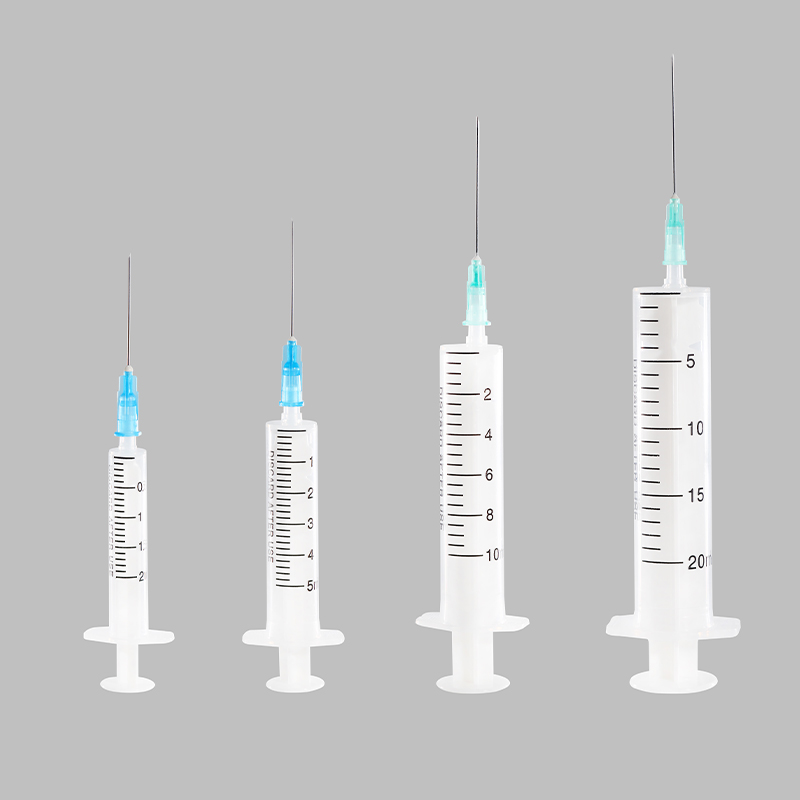
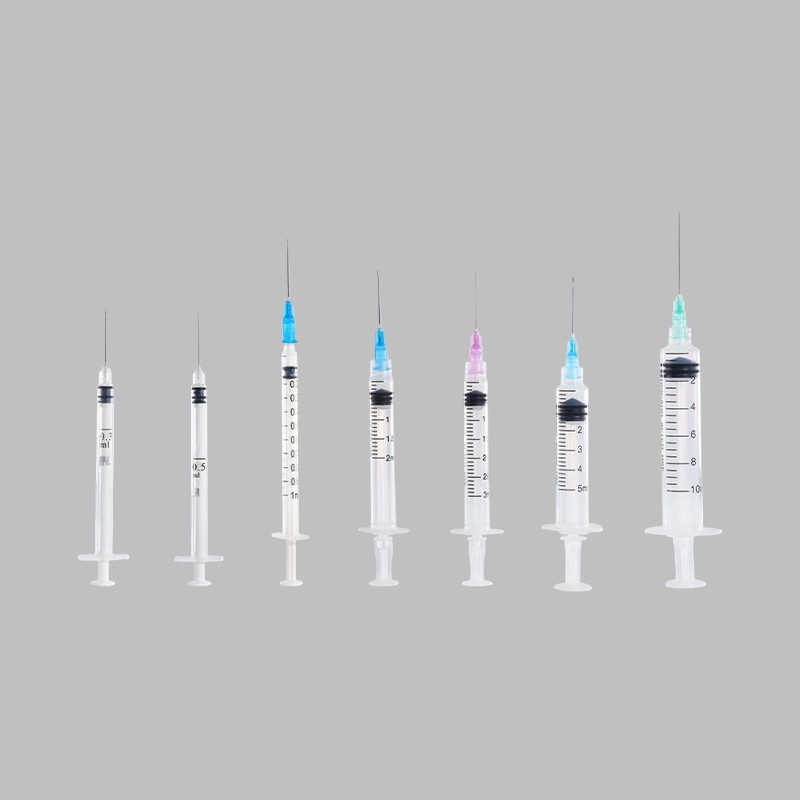
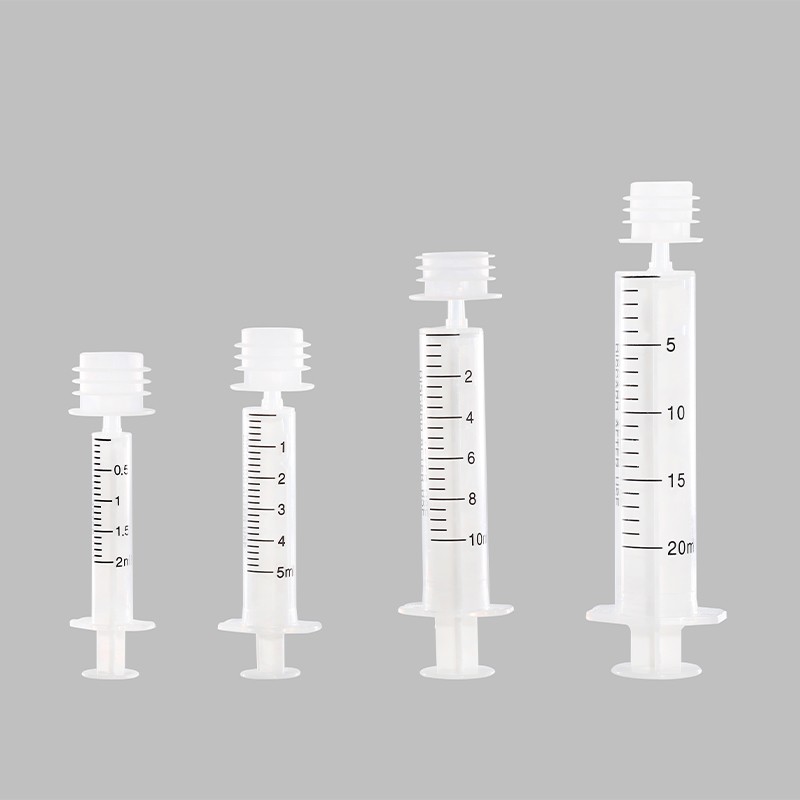
One auto-disable model is listed in medical-grade polypropylene with a precision mould, supplied with a needle and for single use only. Published sizes run from 0.5CC and 1CC through 2.5CC, 3CC, 5CC and 10CC to 20CC, covering the small fixed doses used in immunization and larger therapeutic volumes. Sterilization is by ethylene oxide gas, with blister or polybag packing, and buyers can specify a latex or latex-free gasket. As with all single-use devices, the pack integrity and the stated shelf life should be checked on arrival, and a damaged pack should not be used.
A retractable needle syringe solves a different problem. The injection itself is delivered normally, then the needle is drawn back into the barrel where it is contained, removing the exposed sharp from the work area. The mechanism is especially relevant where staff handle large numbers of injections or where sharps waste is collected manually, since the needle is no longer projecting after use.
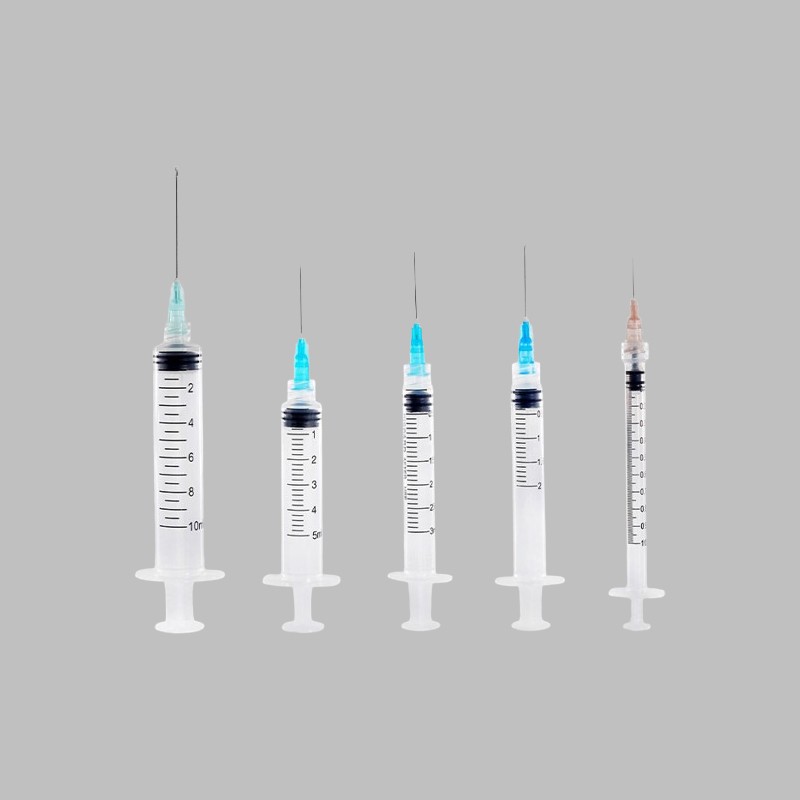
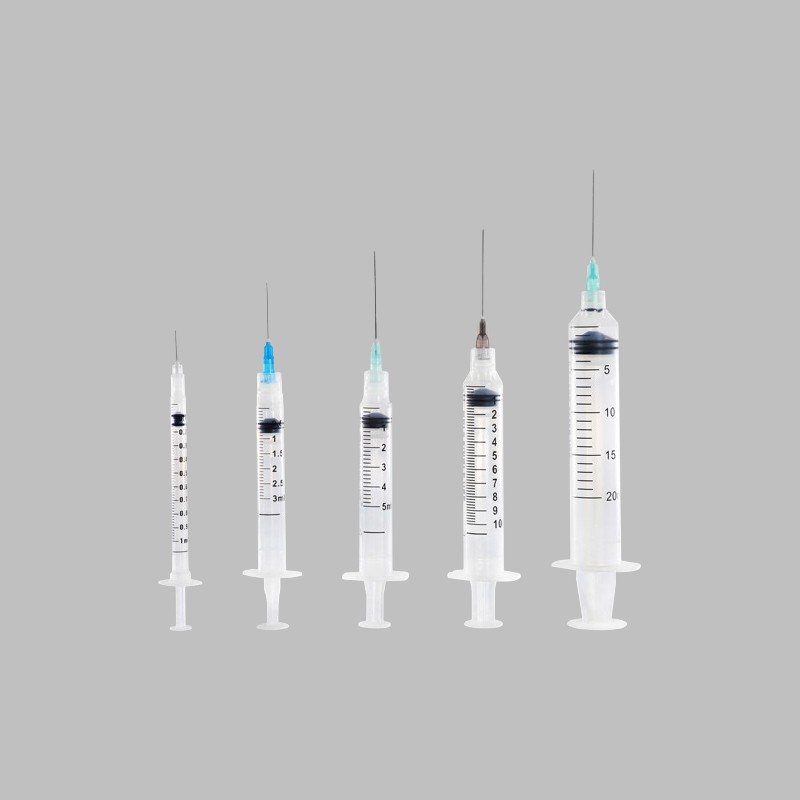
Guidance on safety-engineered syringes for health-care settings distinguishes two types. In a manual retractable model the operator actively pulls the plunger back until the needle is inside the barrel. In an automatic model a spring draws the needle in passively once the plunger reaches the bottom. The passive version removes the step that depends on the operator remembering to activate it, which is why some procurement policies prefer it. A published retractable model spans 1ML to 20ML with a Luer lock connector, and the plunger locks after the needle retracts.
Published sizes, connector options and documentation can be reviewed before a purchase order is raised.
The intended programme usually decides the format. Mass immunization with a fixed dose is the clearest case: the recommendation there is an auto-disable device, and the WHO prequalification system exists to help buyers identify products that meet the relevant performance specification. Routine therapeutic injections, where doses vary and a provider may need to aspirate, are a better fit for a variable-dose reuse prevention device or a sharps protection model.
Where needlestick injury is the dominant concern, a retractable design is the relevant choice, with the manual or automatic trigger selected according to workflow and training. Where the risk is reuse of a syringe across patients, a locking auto-disable mechanism is the direct control. Volume and connector must then be matched to the task: small fixed doses are served by 0.5CC to 3CC sizes, larger injections by 5CC to 20CC, and a Luer lock connection resists accidental separation when a line or needle is under movement. Latex sensitivity, sterilization method and local registration documents complete the checklist.
The following products reflect the formats most often compared when specifying this category.
A Luer lock device in 1ML to 20ML sizes; the needle retracts into the barrel and the plunger locks after use.
View Product
Medical-grade PP with needle, single use, 0.5CC to 20CC, EO sterilized, with latex or latex-free gasket.
View Product
A single-use device from a factory established in 1988, offered with published safety configurations.
View ProductThe comparison below summarises how the three formats differ in the feature they provide, the standard that defines them and the setting where they are normally specified. It is a general guide, not a substitute for the certificate and instructions that accompany a specific product.
| Feature | Safety syringe option | Auto-disable | Retractable needle |
|---|---|---|---|
| Primary protection | Depends on the configuration | Prevents reuse of the syringe | Shields the needle after injection |
| Mechanism | Lock, shield or retraction | Plunger locks or snaps after one fill | Needle drawn into barrel manually or by spring |
| Defining standard | Varies by feature | ISO 7886-3 for fixed-dose immunization | ISO 23908 for sharps protection |
| Dosing style | Fixed or variable by model | Fixed dose | Variable dose |
| Published sizes | Varies by model | 0.5CC to 20CC | 1ML to 20ML |
| Connector | Varies by model | Supplied with needle | Luer lock |
| Typical setting | General injection and immunization | Vaccine delivery programmes | High-volume injections and sharps handling |
| Operator action after dose | Depends on the design | None, the lock is automatic | Activate trigger on manual models only |
Configuration questions, sample availability and registration documents can be raised directly with the manufacturer.
The three labels describe different solutions rather than a ranking. Choose an auto-disable device when the programme's priority is fixed-dose vaccine delivery and reuse prevention. Choose a retractable needle device when the priority is protecting staff and waste handlers from a used sharp. Treat a generic safety syringe as a starting label and confirm the exact mechanism, standard, size, connector and documentation against the intended use. Matching the feature to the risk is more useful than picking the broadest term on a catalogue page.
For readers comparing safety syringe manufacturers, LELUN provides published specifications, technical documentation and direct inquiry channels for further evaluation.
Not exactly. The broader term covers any single-use device with a protective feature. Auto-disable describes one specific feature: a mechanism that locks the plunger so the syringe cannot be refilled and reused.
WHO's prequalification guidance states that auto-disable syringes are the only type it strongly recommends for administering injectable vaccines, because they cannot be reused and therefore carry a lower risk of transmitting blood-borne infections.
In a manual model the operator pulls the plunger back to draw the needle into the barrel. In an automatic model a spring performs the retraction once the plunger reaches the bottom, so it does not rely on a separate user step.
A retractable feature is designed primarily for sharps injury protection, not reuse prevention. Some models combine retraction with a reuse prevention lock, so the two features should be checked separately on the product specification.
The reviewed auto-disable format is listed from 0.5CC to 20CC and is supplied with a needle. The reviewed retractable format spans 1ML to 20ML with a Luer lock connector. Confirm the exact size and connector on the order specification.
Whatsapp: +86-13616120206
E-mail: sale01@lelun.com
ADD: HengShanQiao Town, out of East Gate, Changzhou ,Jiangsu, China
Mobile: (+)86-13616120206