






News Categories

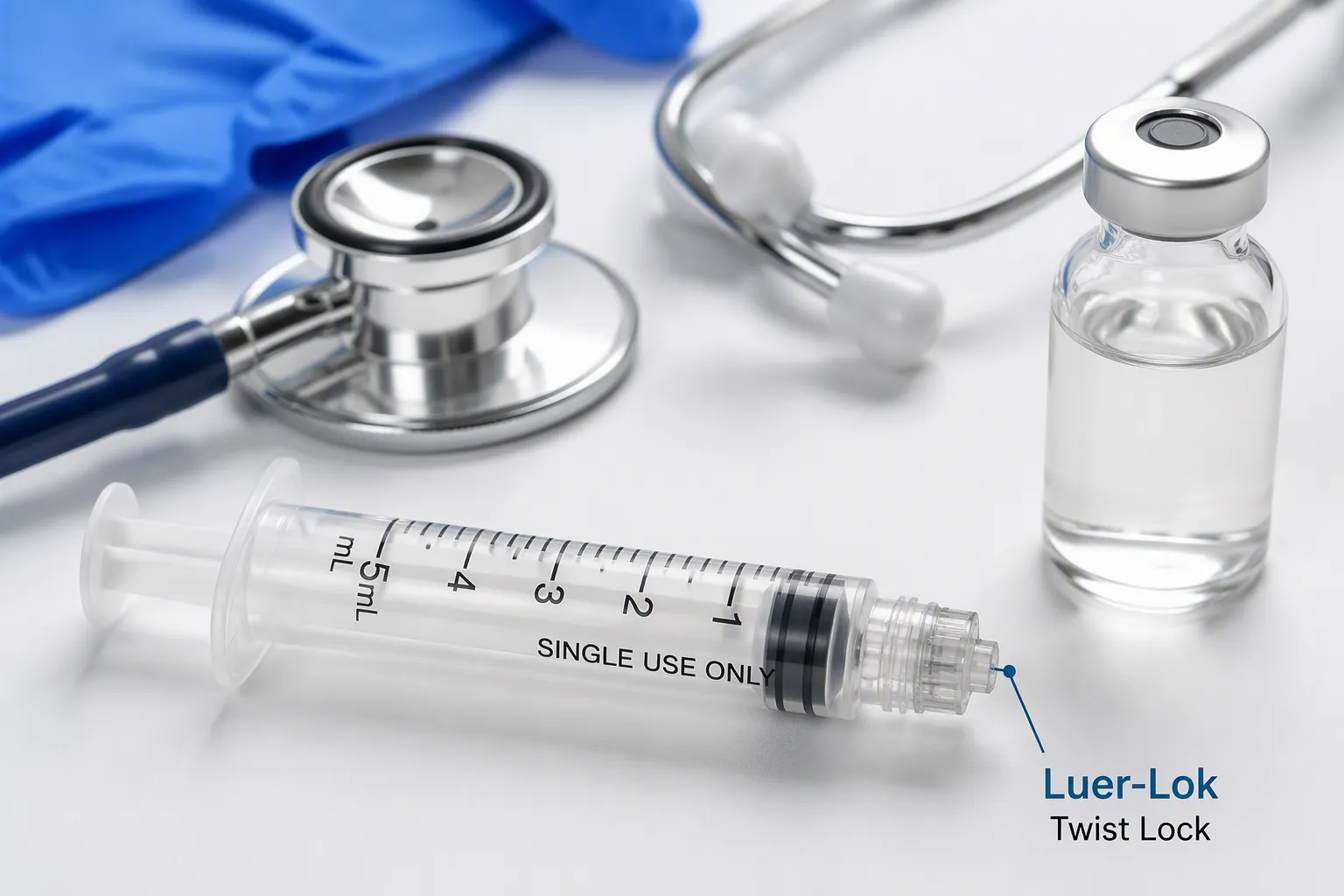
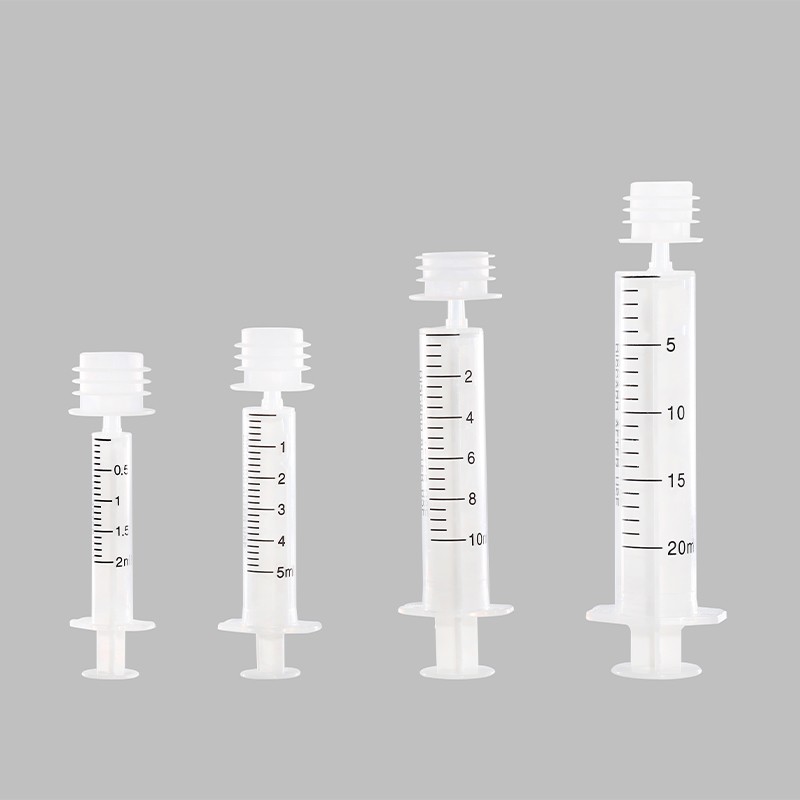
A Luer-Lok syringe delivers fluids safely in medical and lab settings. It creates a secure, leak-free path from the barrel to the patient or sample container. The key feature is a threaded locking collar. This collar twists onto a matching hub and holds the needle firmly in place. Accidental disconnection becomes much less likely, even under pressure.
You will see this medical device in many daily routines. Nurses use it to give medication, and phlebotomists rely on it to draw blood. This article explains the main uses, key benefits, and common applications of the luer lock syringe. You will also learn why the secure connection matters for accurate, safe fluid handling.
A Luer-Lok syringe has a threaded collar that locks the needle in place. This keeps the needle from coming off by accident.
Nurses use Luer-Lok syringes to give medicines and take blood safely. The tight lock keeps the dose correct and the sample clean.
The tight seal stops leaks and contamination. You can push hard on the plunger, and the needle will not come off.
Luer-Lok syringes work with many devices, such as IV lines and needleless connectors. This makes them useful in hospitals and labs.
Always use a Luer-Lok needle that matches, and never use the syringe more than once. Follow the safety steps to keep yourself and others safe.
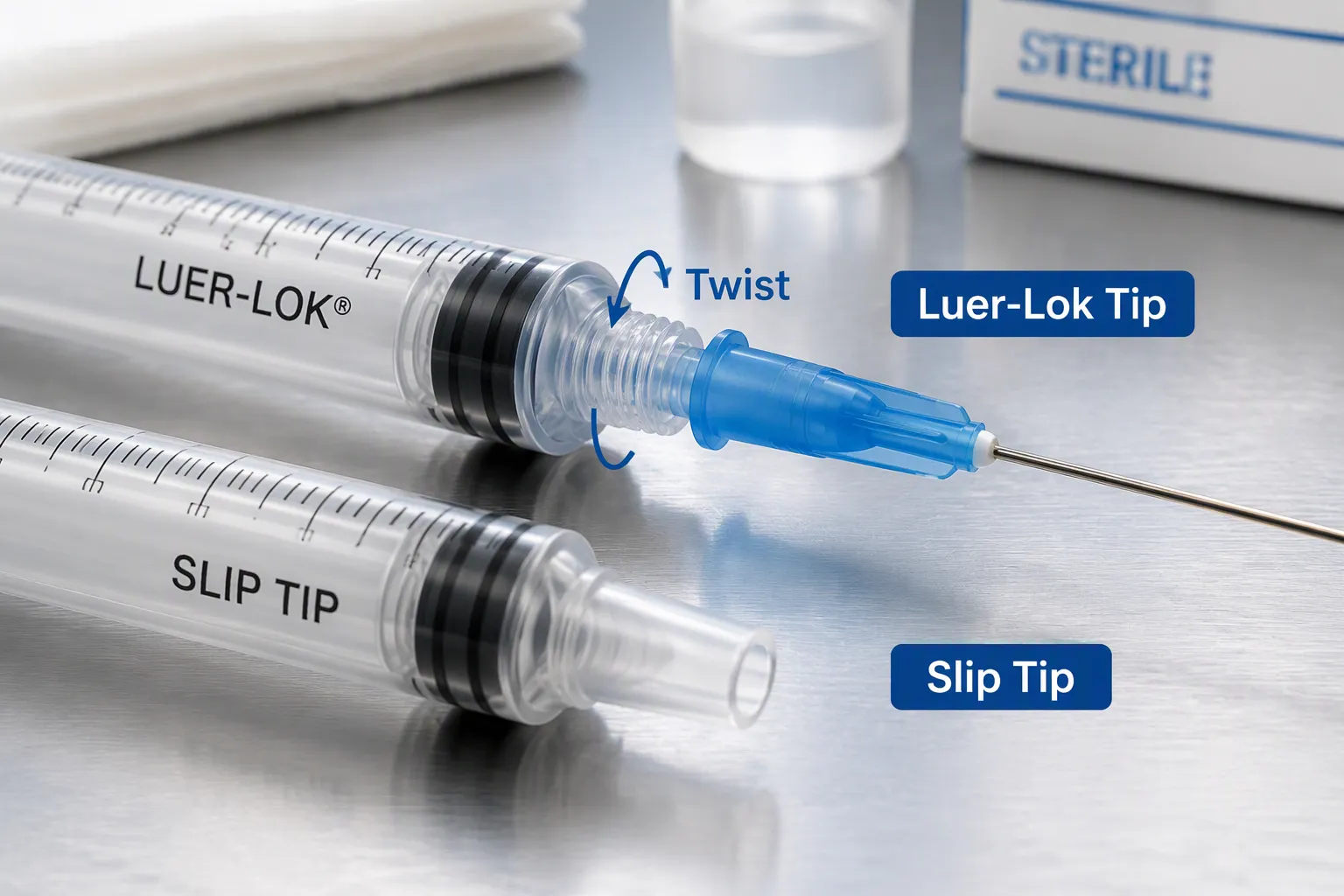
A luer-lok syringe uses a threaded collar to hold attachments in place. The inside of the needle hub has threads. The outside of the syringe tip has threads too. You twist the needle onto the tip instead of pushing it on. The threads lock together and make the connection tight. This locking mechanism stops the needle from popping off under pressure. Some designs make the collar and body as one piece. Others use a separate collar that turns around the tip.
The threaded collar makes a secure connection between the syringe and the needle. A twist-and-lock tip grabs the matching hub with a simple clockwise turn. The luer lock tip then holds the attachment firmly during handling and use. The tight fit between the syringe and the needle stops wobble. This design keeps the needle and syringe together even when you push the plunger hard.
A slip-tip syringe relies on friction alone. You push the needle onto a smooth, tapered tip on the syringe. A luer lock syringe needs a twisting motion to attach and remove. That extra step lowers the chance of accidental disconnection during a procedure. The twist motion takes a moment longer than a simple push.
The table below shows the main differences.
Feature | Luer-Lok | Slip-Tip |
|---|---|---|
Connection | Threaded tip; needle twists on | Smooth tip; needle pushes on |
Security | Less likely to detach under pressure | Can loosen with too much force |
Pressure handling | Handles higher pressure without leaks | Suited to low-pressure tasks |
A luer lock fitting gives you a secure connection between the syringe and the needle or device. The twist-lock design keeps the parts safely connected during high-pressure work. A luer lock syringe goes together with a twist that locks the needle in place. This secure connection matters when you inject thick fluids. A slip-tip syringe goes together faster for quick routine injections. The locking mechanism on a luer-lok syringe adds stability when you move fluids or flush a line. You can attach needles, IV lines, and other luer lock devices to the same tip.

You will see the luer-lok syringe used in many medication injections. Nurses use it to give vaccines, antibiotics, and other drugs into muscle or vein. Getting the dose right matters here. Even a small error in volume can change how a patient responds. The luer lock syringe helps you get the dose right every time.
Three features work together to help with accurate dosing.
Feature | How it supports precise dosing |
|---|---|
Secure Luer Lock mechanism | Makes a firm, locked connection that stops accidental disconnection during use, so the full measured dose is delivered without leaks or stops |
Clear, bold barrel markings | Let the user easily read and measure the exact volume, which helps give precise doses |
Sure Glide plunger technology | Gives smooth, controlled plunger movement for easy, controlled injections that help deliver accurate doses |
The secure connection between the syringe and the needle keeps the full dose inside the patient. You twist the needle on, draw up the medication, and inject it without worrying about the parts coming apart. This reliability helps with giving medications in many clinical settings.
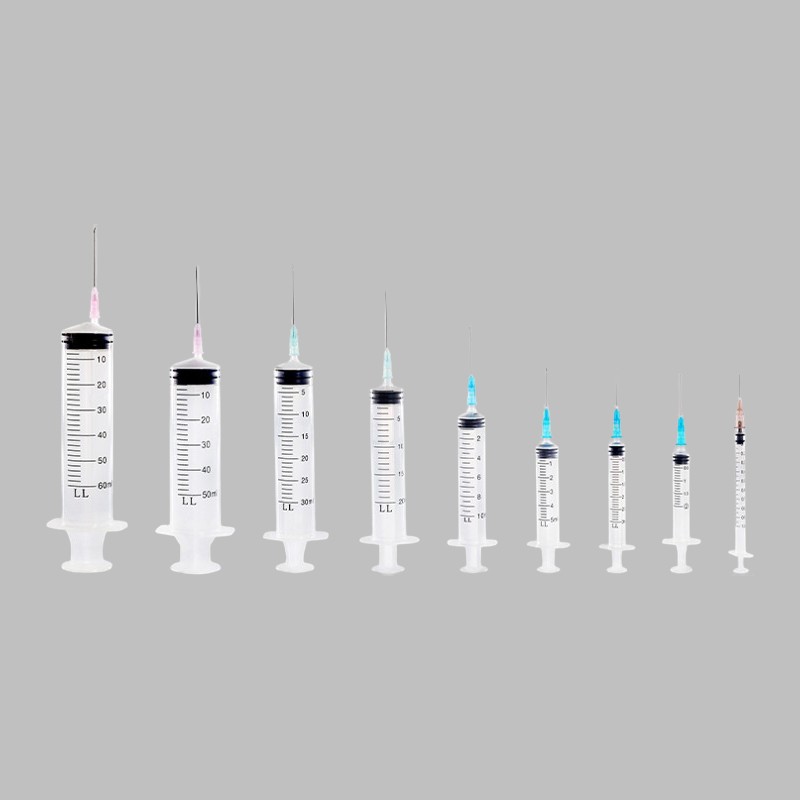
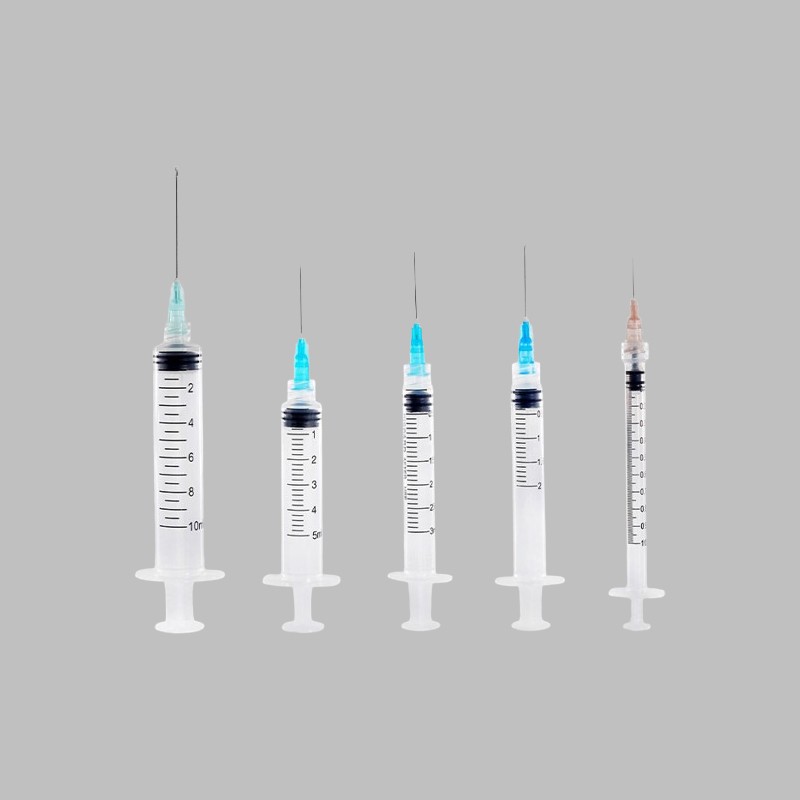
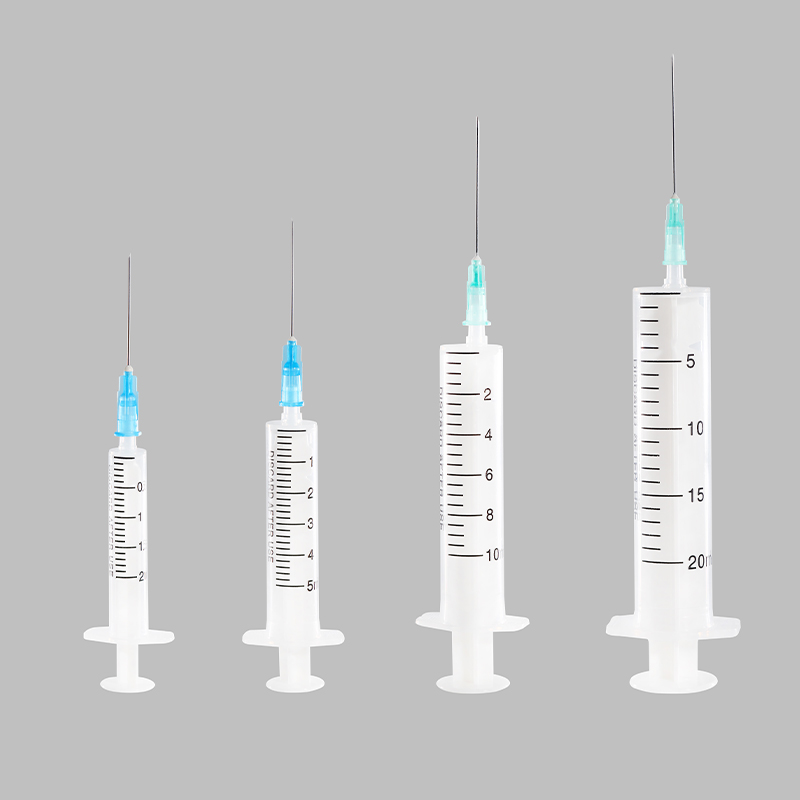
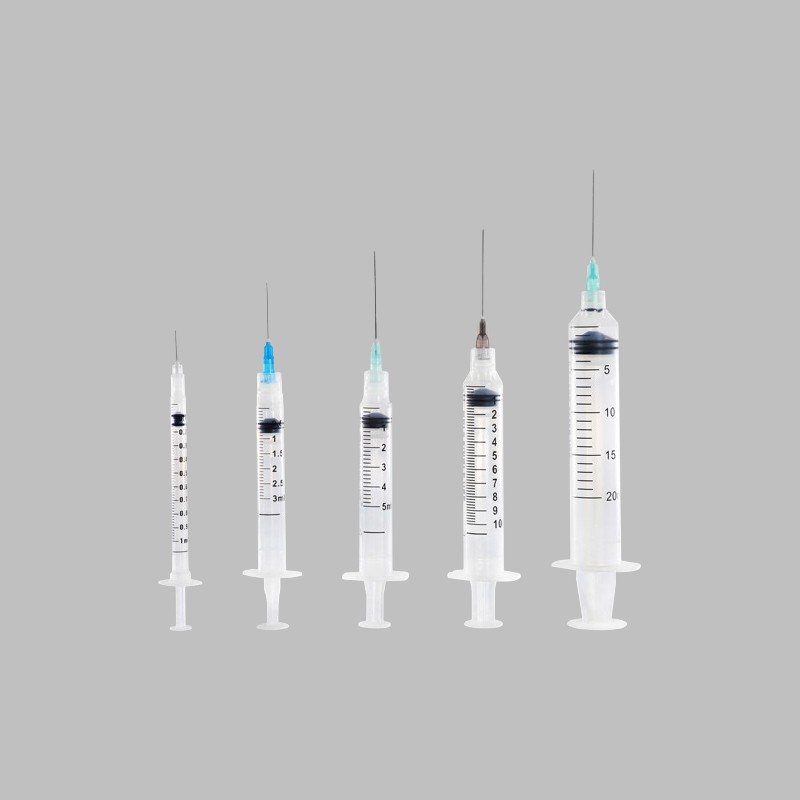
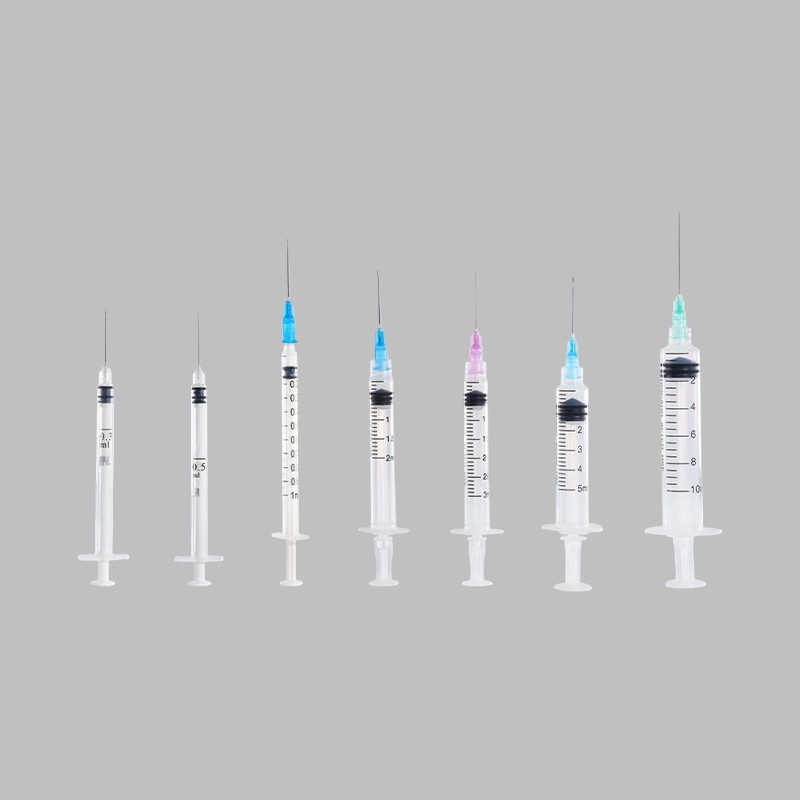
Consider the Lelun Disposable Luer Lock Syringe with Needle from 医疗器材总厂 as a practical example. This luer lock syringe comes in a range of sizes. The barrel uses medical-grade polypropylene. Each unit is EO sterilized for single-use safety. The product meets CE and ISO standards. You can choose the size that matches your dosing needs, from small vaccine doses to larger fluid volumes.
Blood collection needs a clean, closed path from vein to tube. A loose needle and syringe can leak blood or let germs enter the sample. The locking tip on a luer lock syringe fixes this problem. You twist the needle into place, and the parts stay securely connected through the whole draw.
The locking system protects the sample in several ways.
Mechanism of Luer-Lok | How it prevents spills/contamination during blood draws |
|---|---|
Tight seal formed by locking system | Stops spills and contamination, keeping the blood sample clean and safe throughout laboratory testing |
Secure lock into place | Stops leaks and spills, cutting waste and keeping the collection environment safer |
Tight locking connection | Lowers the chance of outside germs entering the syringe, reducing contamination risk and supporting infection control |
A tight seal helps prevent spills and contamination, keeping the sample clean and safe throughout testing. The locking system makes a tight seal, and a tight locking system lowers the chance of outside germs entering the syringe, reducing contamination risk.
These same traits help when you inject fluid into a patient or move fluid between containers. Luer lock syringes handle injecting and withdrawing fluids with less mess. The secure connection holds firm during aspiration, when you pull back on the plunger. It also holds during transfer, when you push fluid into a vial or bag. You get a stable needle and syringe pair that resists separation under pressure.
The threaded tip twists the needle into place. A tight seal or a click you can hear confirms the lock. This design makes a strong seal that stops leaks and fluid loss. You can push hard on the plunger without the parts coming apart. That steadiness matters during aspiration, when you pull back against resistance. It matters again during injection, when you push fluid into tissue or a line.
The table below shows how each connection type handles pressure.
Connection Type | Pressure Tolerance |
|---|---|
Luer Lock (threaded) | Handles high pressure well |
Luer Slip (push-on) | Joint can burst under high pressure |
A luer lock fitting keeps the needle and syringe tightly connected under force. The secure connection between the syringe and the needle or device removes the risk of pressure-related errors. You get a stable pair that resists detachment during demanding procedures.
Smooth plunger movement lets you control the dose. You can inject slowly and avoid giving too much or too little. Bold, easy-to-read barrel markings give a clear contrasting scale. You can measure doses accurately, even in poor lighting.
Smooth plunger mechanisms allow effortless operation, contributing to controlled and precise delivery.
The gasket material, latex or latex-free rubber, supports that smooth movement. The barrel carries precise, clearly marked units for accurate measurement. Together they support the precise and accurate delivery of medication.
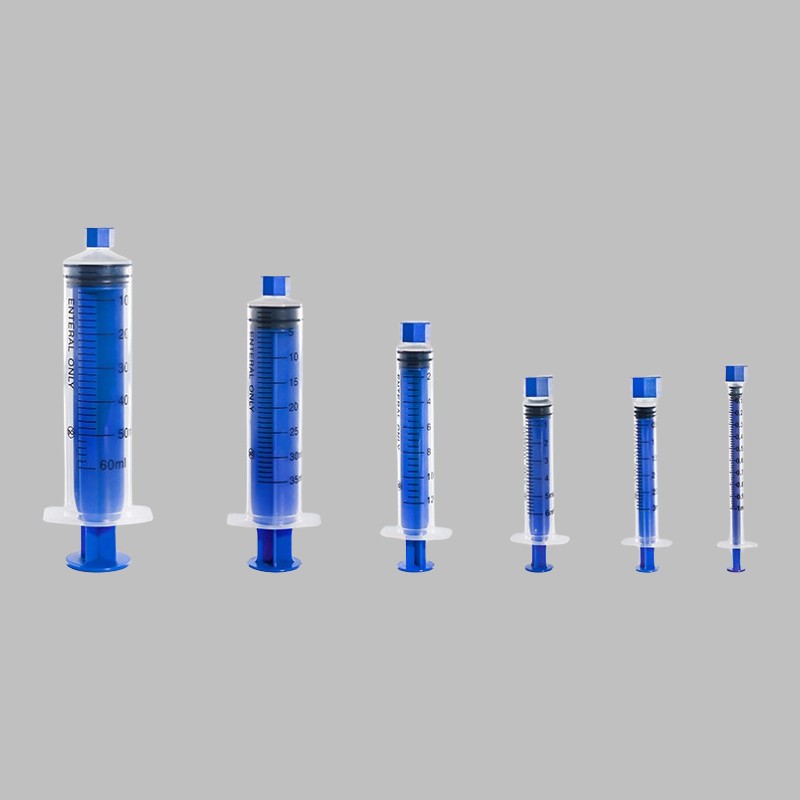
A luer lock syringe also accepts standard Luer-Lok needles. You can swap the original needle for a different gauge or length when a procedure demands it. The same tip connects to IV lines and other luer lock devices. This compatibility extends the benefits of using a luer lock syringe across many tasks.
医疗器材总厂 backs this reliability with 36 years of manufacturing experience. Its luer lock syringes carry CE, ISO13485, and SGS certifications. Those credentials support consistent product performance in clinical use.
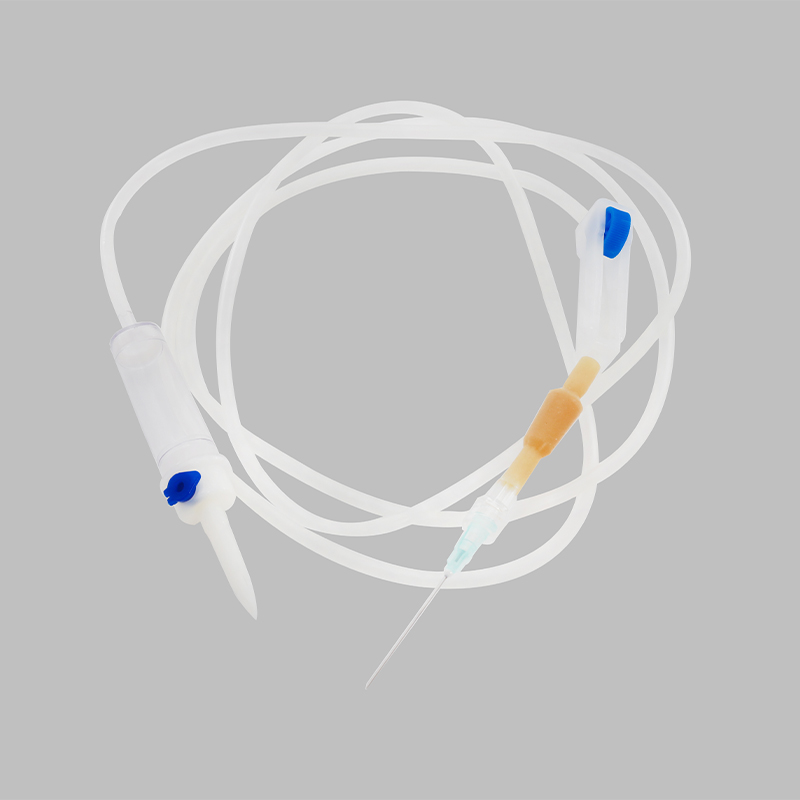
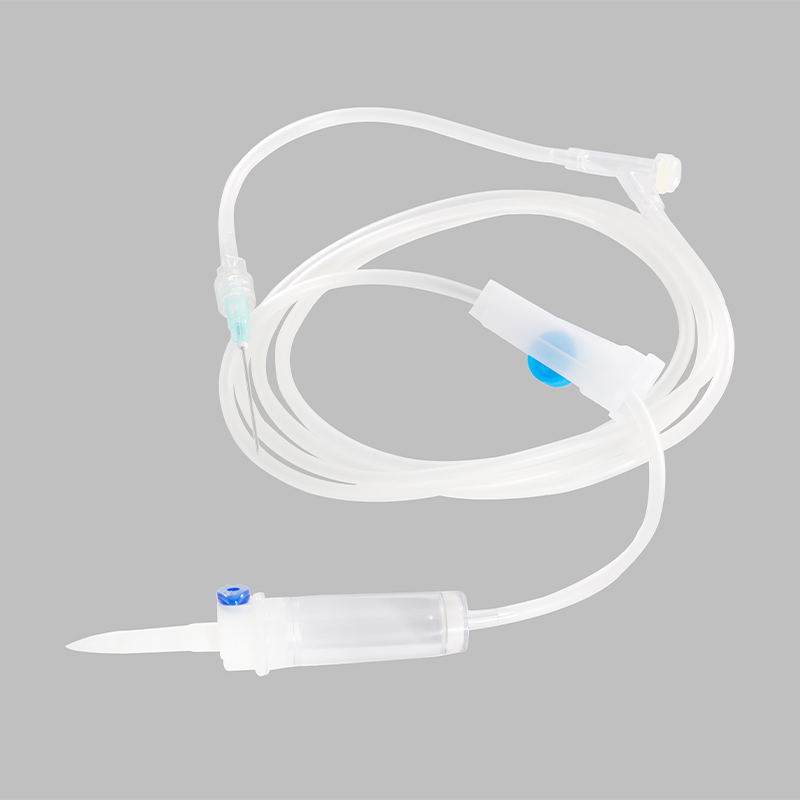
You will see luer lock syringes on IV carts in most hospital wards. Nurses use them to give medications through an IV line. The threaded tip of a luer lock syringe holds the needle tightly. It also connects to extension lines and needleless connectors. A luer lock fitting uses threads that lock together, one male and one female. Turning one fitting pulls the two together and makes the seal tight. The parts come apart only when you twist them on purpose. This design keeps the line steady while fluid flows.
The threaded design keeps the needle or catheter firmly attached to the tubing and in place while medication or treatment is infused, ensuring a firm and stable connection.
The locking collar resists accidental loosening when you move the syringe during a procedure. Always check that the tip seals correctly with the specific access device you use. That check protects the secure connection between the syringe and the needle or device.
Lab work often calls for septum puncturing. You attach a short needle to the line with a luer lock adapter. Then you follow a set sequence.
Purge the needle and hosing with inert gas for 15–30 seconds.
Pierce the rubber septum of the reagent bottle with the short needle.
Purge a disposable syringe with a long needle by piercing the receiving flask septum, withdrawing gas, and expelling it. Repeat two more times.
Insert the purged syringe through the septum, pull slightly more liquid than needed, then expel bubbles until you reach the target volume.
Move the luer lock syringe to the reaction flask and press the plunger slowly. Throw both away in a sharps container.
Safety lock systems hold the syringe and the needle together, which cuts leaks and aerosol formation under pressure. Lab staff depend on luer lock syringes for exact amounts of liquid and safe handling of hazardous samples. A final injection delivers the sample to the analyzer, and you inject it through the same locked tip.
A luer-lok syringe handles many main clinical jobs. You see it used for giving medication, drawing blood, moving fluids, and lab procedures. Each job relies on the same strength: a secure connection between the syringe and the needle. That lock holds under pressure and keeps fluid paths from leaking.
The secure connection also helps with accurate dosing and clean samples. You twist the luer lock syringe into place, and the parts stay together during aspiration and injection. So luer lock syringes give you steady, predictable handling. The syringe and the needle work as one unit. This reliability makes the syringe a trusted tool for healthcare professionals every day.
The threaded collar twists onto the needle hub and holds it tight. You get a firm seal that resists pulling and pressure. The needle stays put during aspiration and injection. That steadiness protects both the dose and the sample.
No. You need a needle with a matching threaded hub. A slip-tip needle will not lock onto the collar. Check the hub before you attach it. Luer lock syringes accept standard luer lock needles, IV lines, and needleless connectors.
No. These products are single-use devices. The package states EO sterilization for one use only. Reusing a syringe raises the risk of contamination and infection. Discard it in a sharps container right after the procedure.
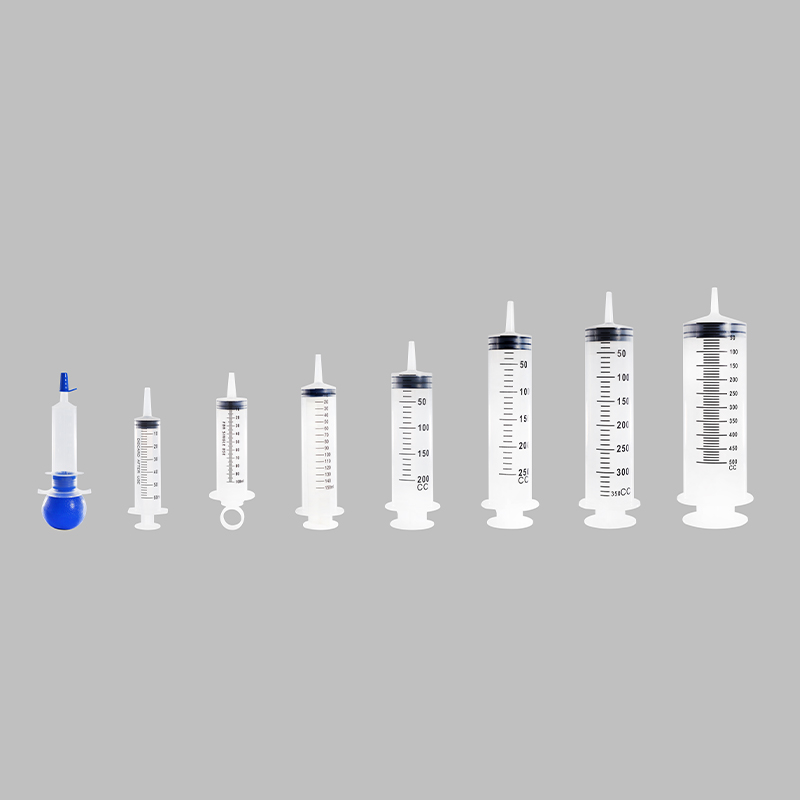
Match the size to the volume you need to deliver or collect. Small sizes suit vaccines and precise doses. Larger sizes fit fluid transfer and irrigation. The barrel markings let you measure the dose clearly at each step.
Yes. The threaded connection holds firm when you push hard on the plunger. Thick fluids need more force, and a slip tip can loosen under that load. The lock keeps the parts together so the fluid goes where you intend.
Whatsapp: +86-13616120206
E-mail: sale01@lelun.com
ADD: HengShanQiao Town, out of East Gate, Changzhou ,Jiangsu, China
Mobile: (+)86-13616120206