





News Categories

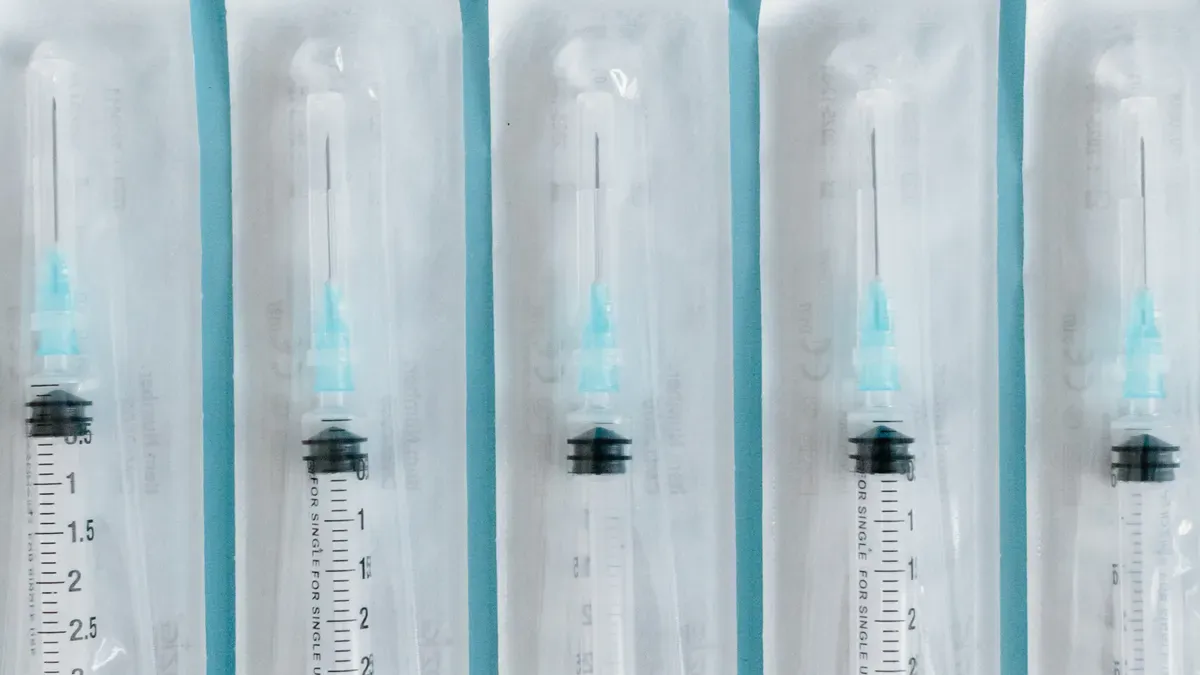
Choosing the right syringe requires a clear check of your basic technical needs. You must test fluid properties to ensure they match safely with internal barrel materials. You need to calculate target dosing volume to keep measurement accuracy during small fluid transfers. Operating pressure determines fitting security during high-pressure fluid transfers. Your specific application environment dictates required sterilization standards and procedural safety protocols. In addition, high fluid viscosity influences fluid movement under manual force. Follow this actionable syringe selection guide to choose the ideal 1ml syringe for your clinical procedures or laboratory operations. Proper hardware selection prevents costly fluid waste and contamination.
Choose the right syringe materials for your liquid to avoid chemical harm.
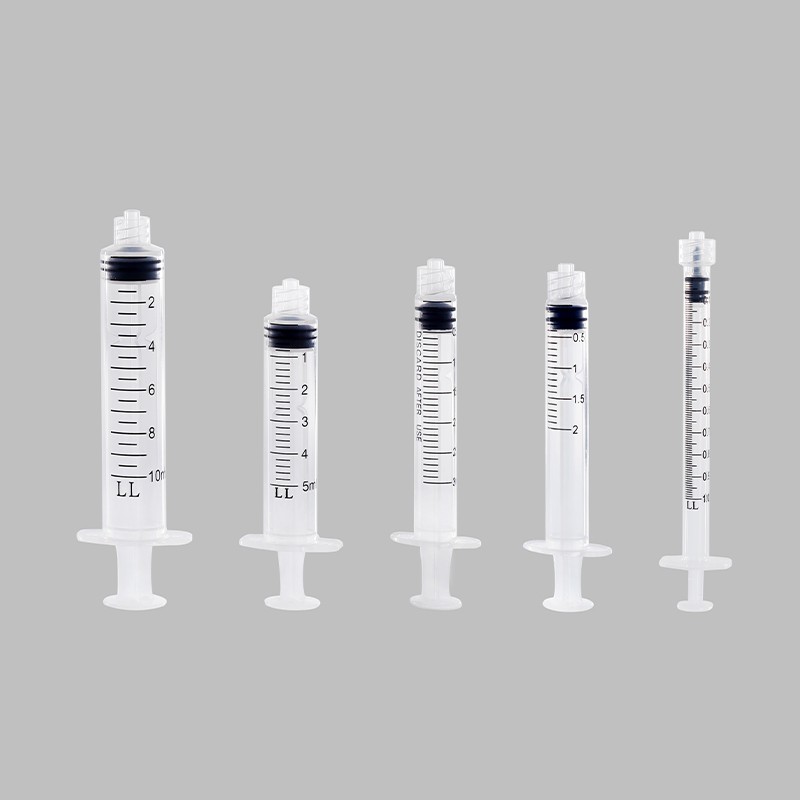
Pick Luer Lock tips when using thick liquids so you can stop unexpected spills.
Use low dead space syringes to prevent losing costly liquids.
Choose the right needle size to make sure the liquid flows smoothly and the patient stays comfortable.
Picking the correct 1ml syringe means checking barrel material choices to ensure liquid safety. You must match the material qualities directly with your specific target fluid.
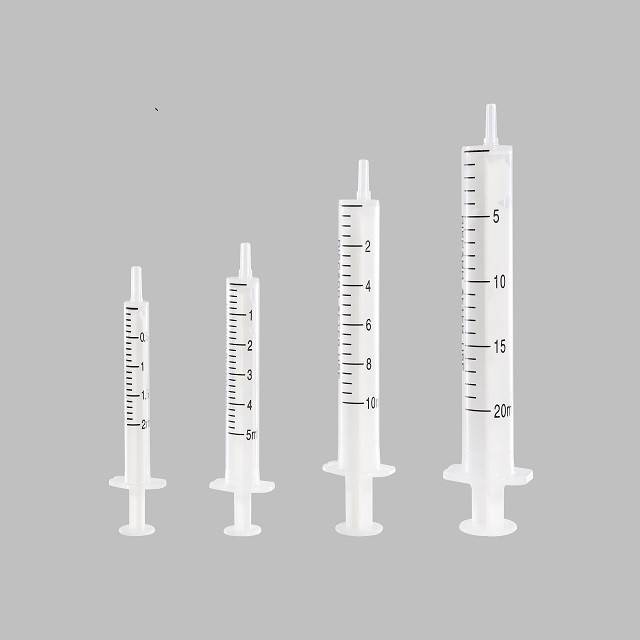
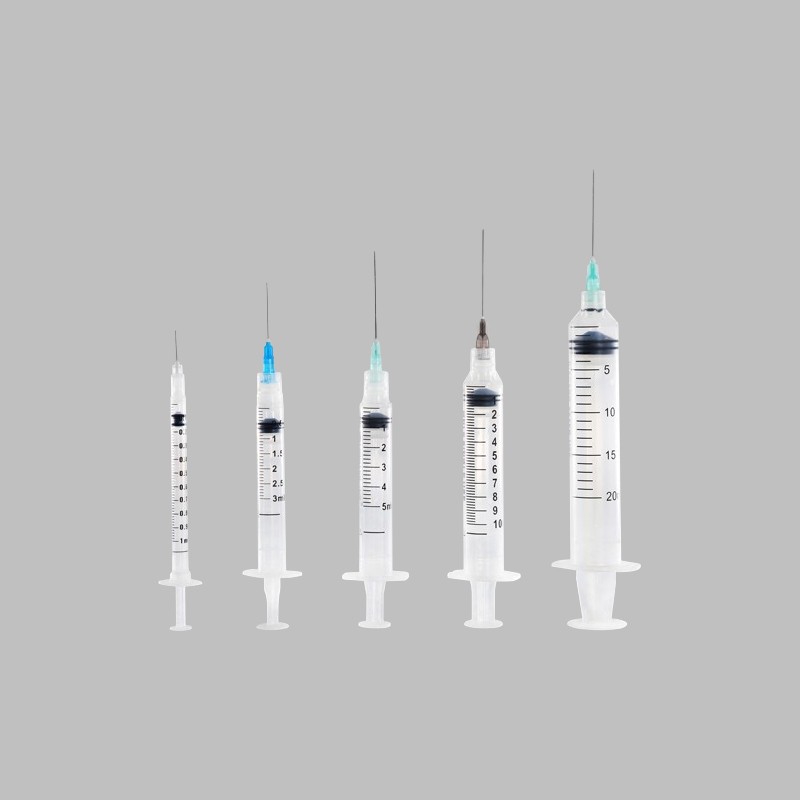
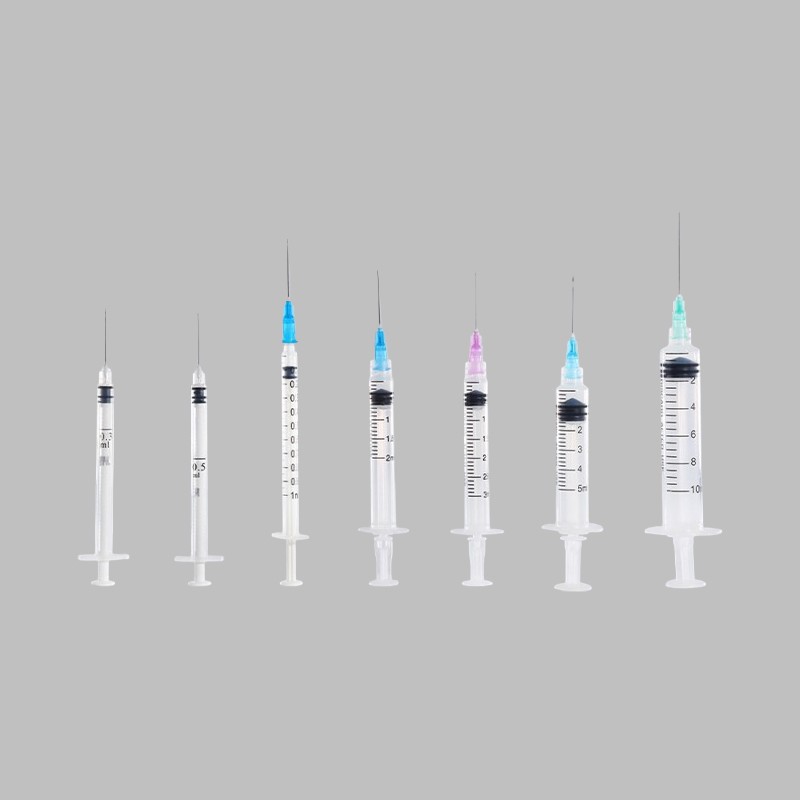
You can choose clear medical-grade polypropylene (PP) and polyethylene (PE) materials from reliable suppliers like Changzhou Medical Appliances General Factory Co., Ltd.. These clear barrels include permanent 0.01 ml lines so you can check measurements accurately. Every single-use syringe offers easy-to-read volume marks. You should check two-piece and three-piece product options carefully before buying. Two-piece models contain just a barrel and a plunger. Three-piece models add a synthetic rubber piston to the barrel and plunger. Pick latex-free piston choices to protect sensitive patients from allergic reactions during normal medical care. Single-use plastic products work best when moving water-based liquids and common medical fluids.
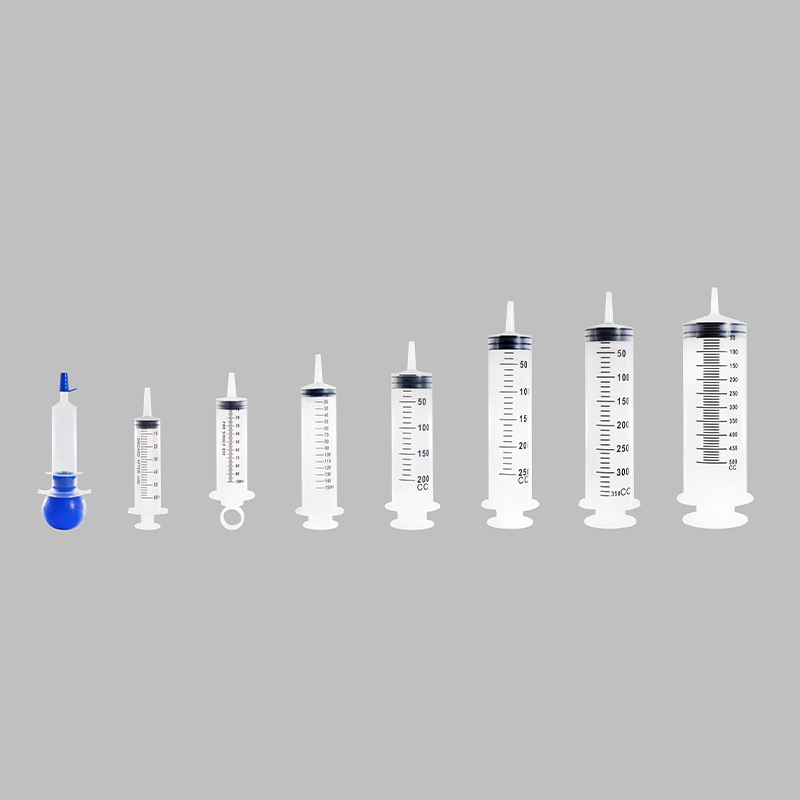
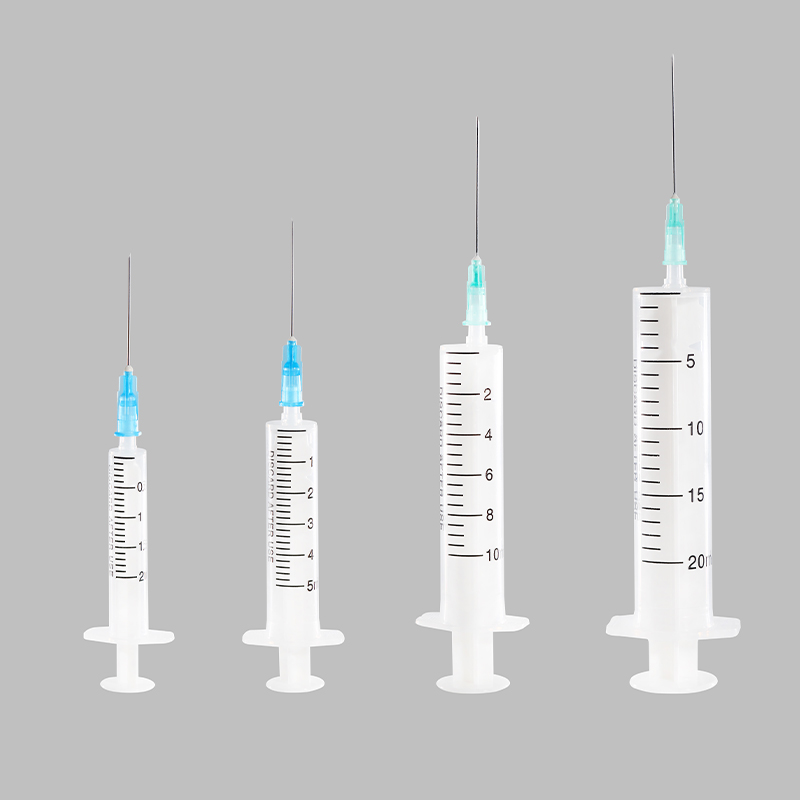
Different types of syringes offer distinct features for specialized operations.
Property | Borosilicate Glass | Polypropylene (PP) |
|---|---|---|
Chemical resistance to organic solvents | Excellent | Poor |
Chemical resistance to aqueous solutions | Good | Good |
Impact resistance | Low (fragile) | High (shatterproof) |
Heat resistance | High | Moderate |
Reusability | High, autoclavable | Limited, single-use |
You need tough borosilicate glass barrels when working with harsh organic solvents or sensitive gases. Regular plastic syringe barrels break down fast if they touch strong chemicals like acetone or chloroform. Special gastight syringes use finely shaped glass barrels fitted with PTFE-tipped plungers. This leakproof glass syringe keeps gas or quick-evaporating liquid safely locked inside the barrel.
These high-quality microliter syringes work great for testing chemicals in labs and doing advanced science tasks. Every gastight syringe model holds exact inside pressure without letting any liquid drip out. Also, glass gastight syringes can handle repeated heat cleaning inside high-temperature autoclaves. You protect sensitive sample quality and get exact micro-volume measurements using this specialized syringe style. You can also rely on these strong microliter syringes to handle every transfer safely during important chemical tests.
You must check attachment hardware carefully to ensure reliable fluid transfers and prevent accidental component disconnections. Matching the hub connector design directly to your target fluid viscosity and line operating pressure protects your operational efficiency. Proper connector choices eliminate clinical fluid spillage and maintain patient safety during critical care.
You can secure high-pressure fluid lines effectively by choosing Luer Lock connectors. This fitting mechanism features a threaded outer collar that twist-locks the needle hub or fluid tubing firmly onto the tapered barrel tip. You achieve maximum procedural safety when you inject thick, viscous fluids, deliver direct intravenous medications, or flush vascular access lines. The positive mechanical lock prevents sudden pop-offs under heavy manual pressure during liquid delivery.
You also require this locking security when pushing liquids through a micro-porous syringe filter. High fluid resistance can easily burst standard push-on connections apart during laboratory filtration. Furthermore, trace amounts of oil or liquid medication on the hub reduce surface friction and cause smooth joints to disconnect. The heavy-duty screw thread on a Luer Lock syringe holds your connection firmly in place under high pressure. This reliable design eliminates fluid leaks and maintains strict needle and syringe safe practices.
You should select Luer Slip fittings when your daily tasks demand quick, straightforward fluid handling. This connection mechanism utilizes a smooth tapered tip that relies on a simple push-on friction fit. You can push needles, stopcocks, or transfer tubes directly onto the tip of the syringe within seconds. This instant attachment speeds up operational preparation during routine medical care, basic blood draws, and low-pressure liquid movements.
However, you must control manual pushing force when operating friction connections on your syringe. Excessive fluid resistance can overcome the friction joint and loosen the needle hub from the barrel. You should choose this convenient syringe type for low-viscosity solutions where fast manual attachment offers great procedural efficiency and operating pressure remains minimal throughout liquid transfers.
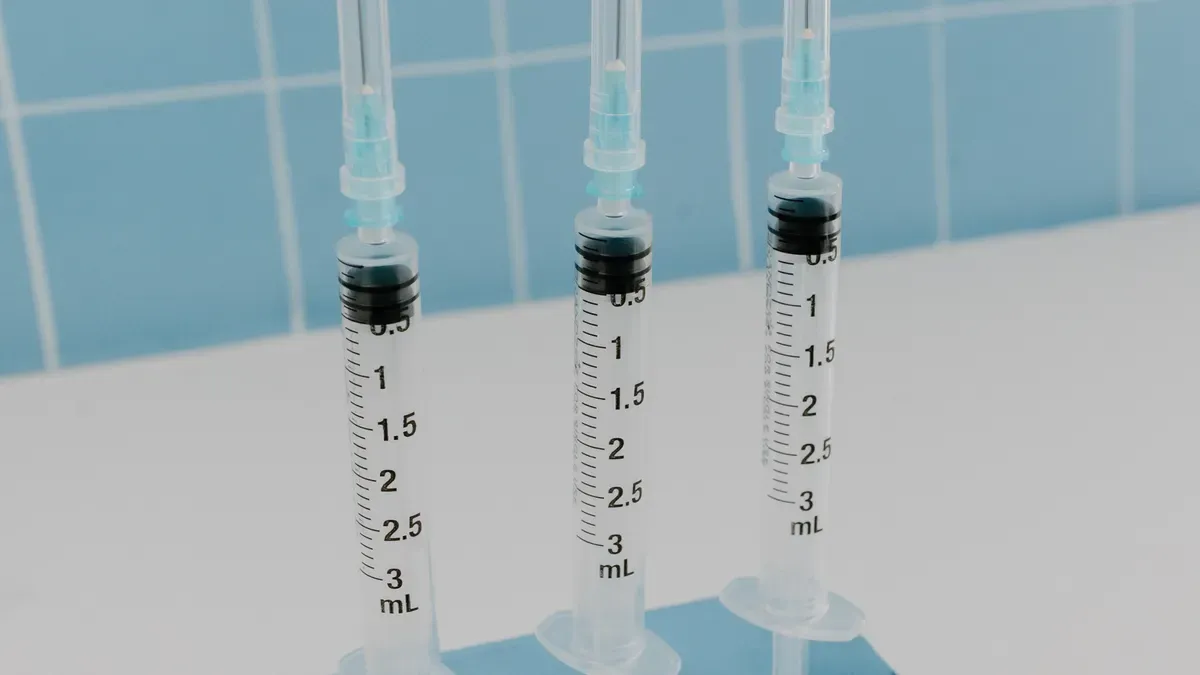
You need to follow basic volume measurement rules to keep your dosage accurate. Your liquid amount should fill a minimum of one-fifth of the total syringe space during use. Trying to measure tiny amounts under this 0.2 ml mark on standard tools hurts your overall accuracy. Measuring small drops inside big barrels creates much larger percentage mistakes. You should pick smaller tools whenever you need to measure tiny micro-doses.
Regular syringe parts hold onto hidden liquid even after you push the plunger all the way down. The narrow tip neck and open needle base lock in extra liquid permanently. This leftover drop cannot leave the front tip opening under normal hand pressure. Standard plungers use flat rubber tips that cannot reach inside that inner needle space. You lose tiny amounts of expensive liquid every single time you push the plunger. These repeated tiny losses add up to high extra costs over time.
Smart syringe designs with low dead space solve this costly lost liquid problem completely. Engineers put a tiny plastic point onto the front end of the rubber plunger. This extra tip reaches straight into the barrel neck when you press down fully. The added point pushes all trapped liquid out through the sharp needle tip. You improve safety while cutting leftover liquid waste almost down to nothing. This simple shape change guarantees that every push clears out all your liquid.
Picking special low dead space tools saves expensive liquid supplies when measuring small 0.01 ml lines. You shield your budget when giving costly biological medicines, special shots, or rare lab liquids. Stopping wasted liquid saves money across big health programs that give thousands of shots. This special syringe shape raises overall accuracy and keeps patients safe during key care steps. You get the exact same good results during every single fluid transfer task.
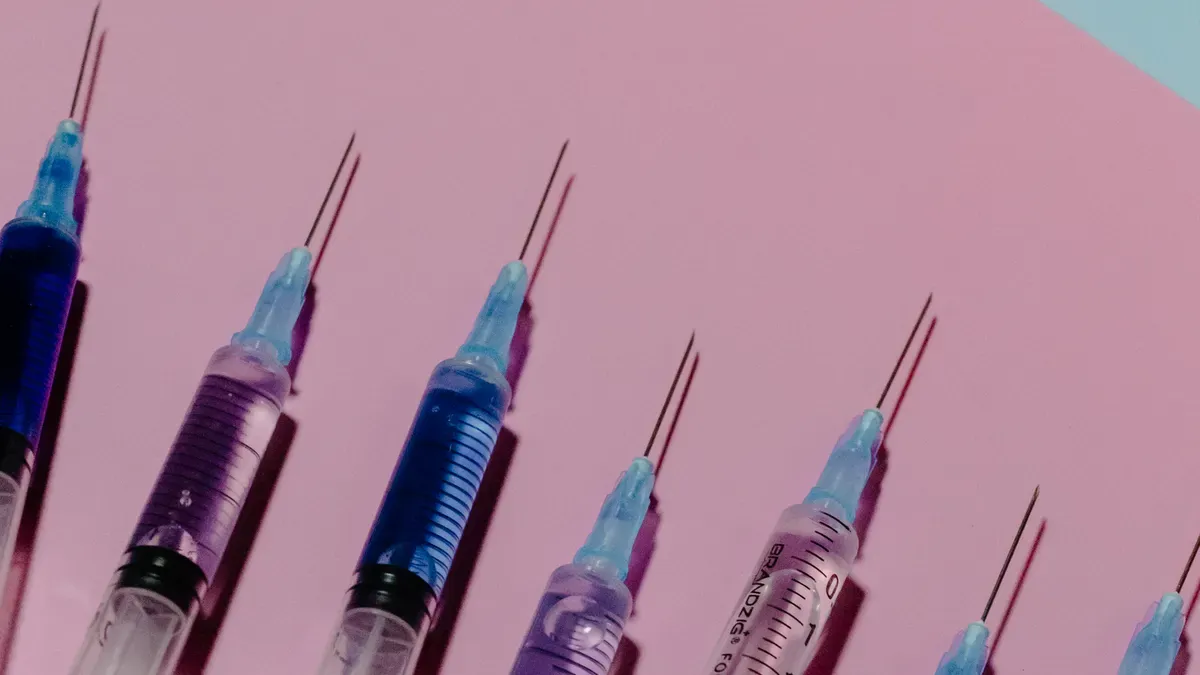
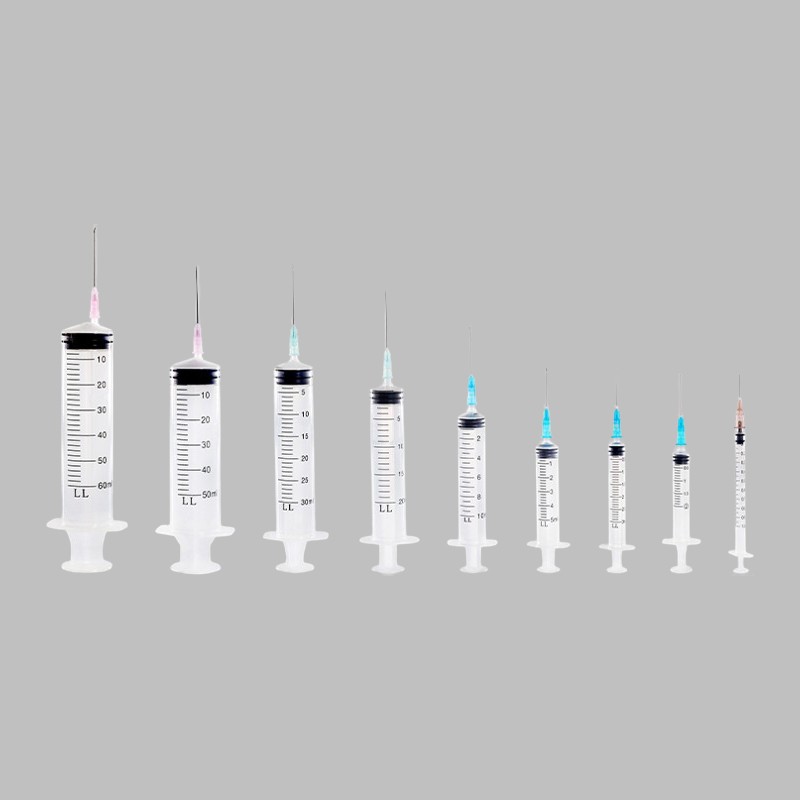
You must look at syringe options to match liquid thickness. Finding the best tool means testing how thick a liquid flows. Gauge numbers work backwards. Bigger numbers mean a much skinner outer tube width. Thick liquids need wider needles from 16G to 22G. These bigger openings reduce pushing effort during liquid delivery.
Viscous medications require lower-gauge (thicker) needles for efficient flow, while higher-gauge needles are used for thinner medications to minimize pain and tissue trauma.
Fmax (mPa)
Injection Difficulty
up to 250
practically impossible
160–250
very difficult
125–160
feasible with some difficulty
<125
smooth injection
Small needles from 27G to 34G move simple watery liquids easily. Tests comparing 27G and 30G needles show matching pain levels for patients. So, picking a needle depends on flow friction instead of comfort. You balance push strength with patient comfort during daily work.
You must match needle length and end shapes to target depths. Long needles reach deep muscle areas easily. Short needles give shallow skin shots well. Checking syringe options carefully prevents tissue injury during liquid care.
Different needle tips help finish different tasks. Normal slanted tips slide into skin smoothly. Flat blunt ends transfer fluids safely in science labs. Side holes spray liquid sideways for exact chemical testing.
You keep full control by choosing correct needles for every task. Matching parts keeps workers safe and prevents hurt hands. You build clean syringe habits across every health facility. Also, picking right barrel parts raises safety during hard jobs. Every regular syringe must follow strict building rules. You pick tools based on exact body depths and lab steps. Look at all syringe options to improve daily work rules.
Different medical procedures and lab tasks call for specific physical tools. You should check your work needs to pick the best tools for your center. Matching your liquids to the right barrel shapes speeds up daily work and cuts safety risks.
Nurses and doctors need dependable tools while caring for daily patients. You can rely on specialized medical tools from Medical Equipment Factory to keep clinical care safe. This maker uses clean factories that clear high safety checks and hold official quality approvals. Every item comes in safe packaging cleaned by gas or light rays. This clear safety barrier keeps patients healthy during every single medical step.
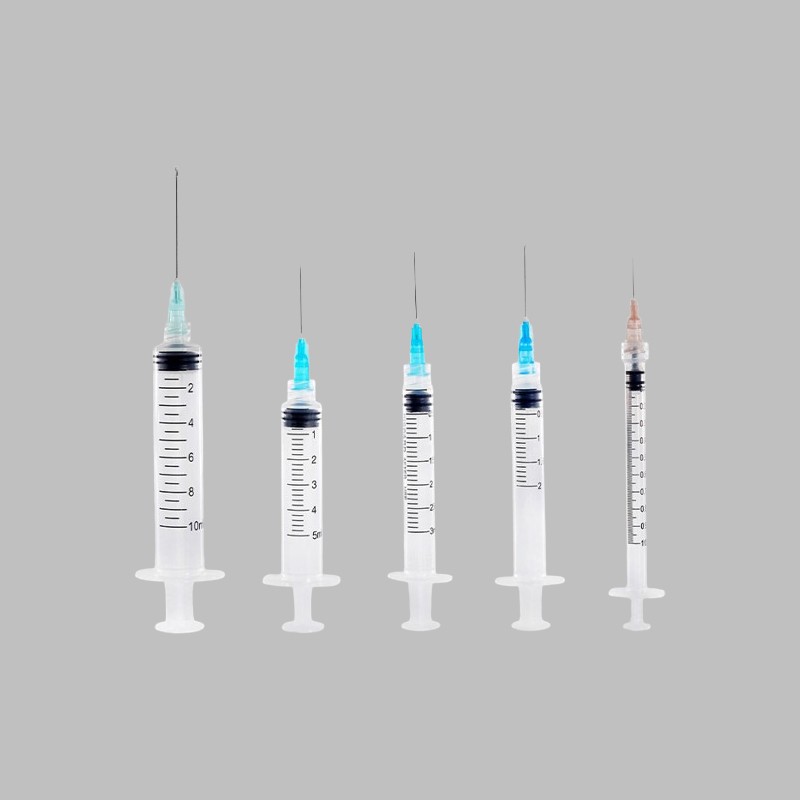
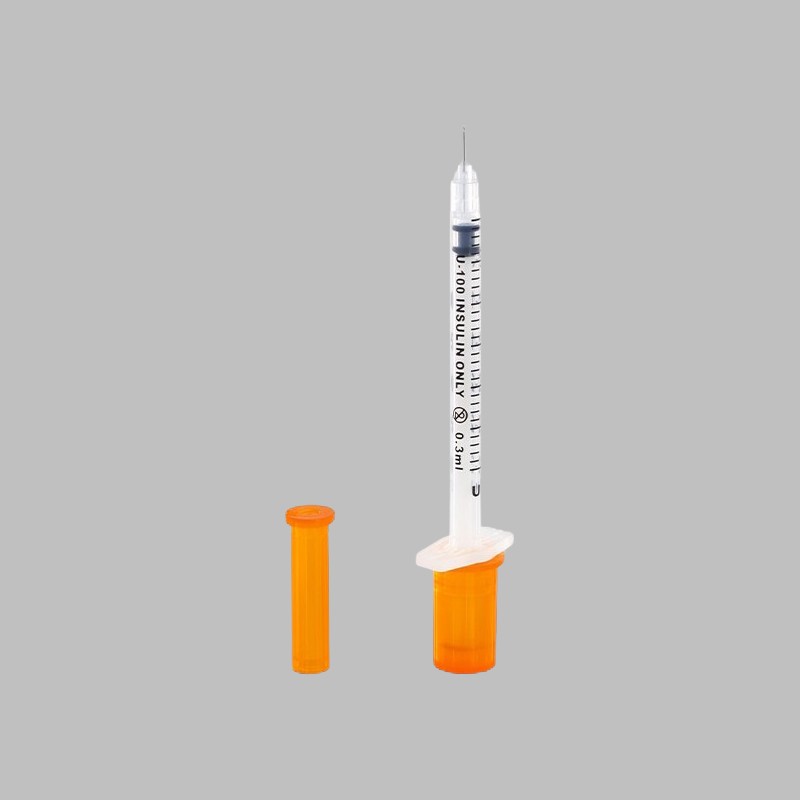
You can pick the right syringe style for different health tasks. Fixed-needle insulin tools give exact tiny doses while leaving almost no leftover liquid behind. Easy plunger movements help nurses give careful medicine directly into veins. Clear plastic barrels let you see liquid amounts right away. You keep patients safe by clearing out all air bubbles before giving medicine. Every single-use tool works smoothly to keep busy hospital teams safe. Good medical tools stop delays and help patients heal much faster. Strong single-use tools make daily tasks simple for nurses across every department.
Science tasks need exact volume measurements and safe chemical matching. You should read a basic syringe guide to pick good tools for hard tests. Standard plastic tools work well when moving basic liquids or cell food. But hard science tests need extra strong tools to keep samples clean. Air-sensitive liquids need gas-tight seals to block outside air from leaking inside. Careful fluid control stops science mistakes and shields costly test samples.
You need very accurate micro-syringes when running detailed chemical tests on lab machines. Regular plastic tools can warp if they touch strong chemical liquids for too long. Special gas-tight syringes use strong glass barrels and tough plastic plunger tips. These special parts give you full fluid control during hard lab tests. Safe materials stop chemicals from melting into your pure test liquids.
Aspect | Evidence Detail |
|---|---|
Precision Requirement | For accurate and precise dispensing, the smallest volume delivered should be at least 10% of the syringe’s total capacity. |
PTFE Plunger Accuracy Improvement | Gastight syringes with PTFE plunger tips create a leak‑free seal and wipe the interior barrel clean during dispensing, reducing carryover and ensuring complete sample delivery. |
The special plunger tip wipes the inside glass wall completely clean as you push it. This tight seal stops leftover liquid from mixing into your next test sample. You save expensive liquids while getting the exact same measurements every time. Picking special micro-syringes protects your test liquids during important lab steps. Using the best 1ml syringe type makes fluid moves smooth across your whole lab setup. You build real confidence using different syringe types for technical work. Advanced testing needs safe liquid moves during every part of your test. Picking proper tools protects your test facts and helps you finish more work.
Following a simple selection guide helps you make smart buying choices quickly. Start by matching your barrel material to your liquid so it stays completely safe. Then, pick Luer Lock connectors to prevent high-pressure leaks or Luer Slip tips for fast liquid moves. You must also check needle options to cut down on trapped liquid waste.
Picking the right 1ml syringe delivers accurate amounts, keeps patients safe, and saves expensive liquids. All single-use plastic tools from Medical Equipment Factory follow tough international rules. Supply managers and lab workers can get reliable items right from this maker. Reach out to Medical Equipment Factory now to order tested gear for your clinic tasks.
You select Luer Lock fittings for high-pressure shots or thick liquids to stop needles from popping off. You pick Luer Slip tips for fast, simple transfers. Liquid thickness and line force decide your connection choice.
A specialized low dead space plunger point lowers trapped liquid waste inside the front barrel neck. You save costly medicines or precious lab liquids with every push. This design improves volume accuracy during small moves.
A helpful guide lets you check key details like chemical safety, fluid pressure, measurement accuracy, and patient safety. You stop liquid leaks and sample dirt by fitting product features right to your work steps.
You pick borosilicate glass when moving strong organic solvents or sensitive gases. Regular plastic breaks down near harsh chemicals. Glass barrels with PTFE plungers offer full chemical safety, tight air seals, and reusable heat cleaning.
You pick three-piece single-use syringe options with synthetic latex-free pistons. Synthetic rubber protects sensitive patients from allergies during normal shots. Medical-grade parts ensure easy plunger movement and reliable fluid safety.
Whatsapp: +86-13616120206
E-mail: sale01@lelun.com
ADD: HengShanQiao Town, out of East Gate, Changzhou ,Jiangsu, China
Mobile: (+)86-13616120206