





News Categories

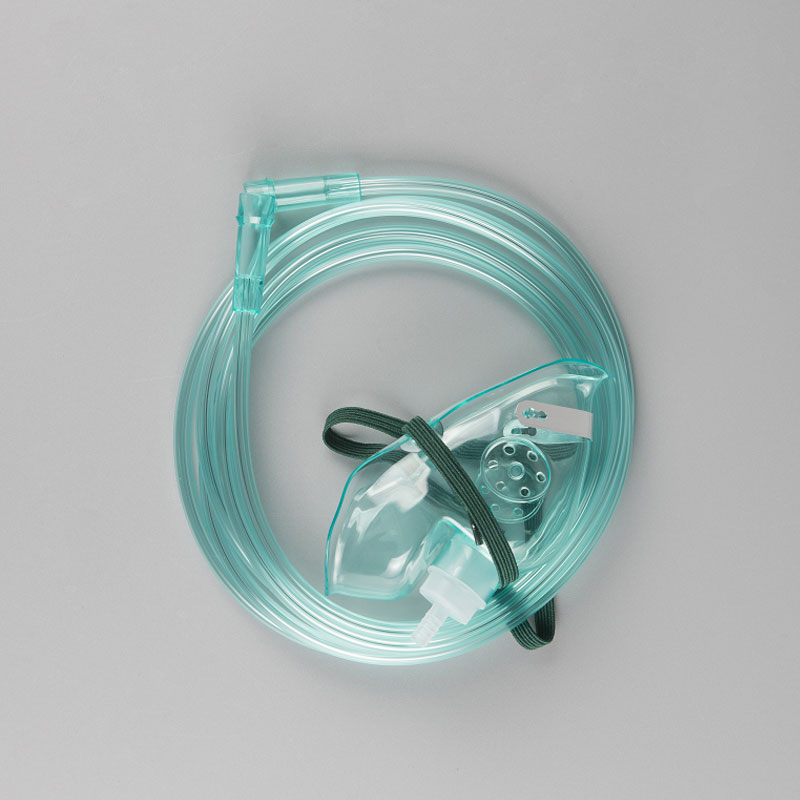
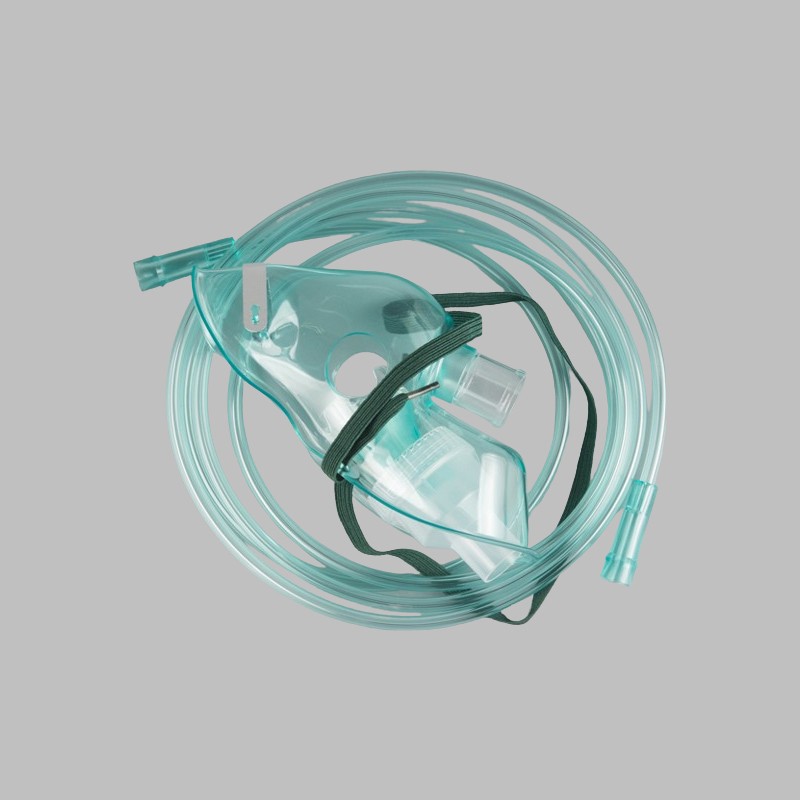
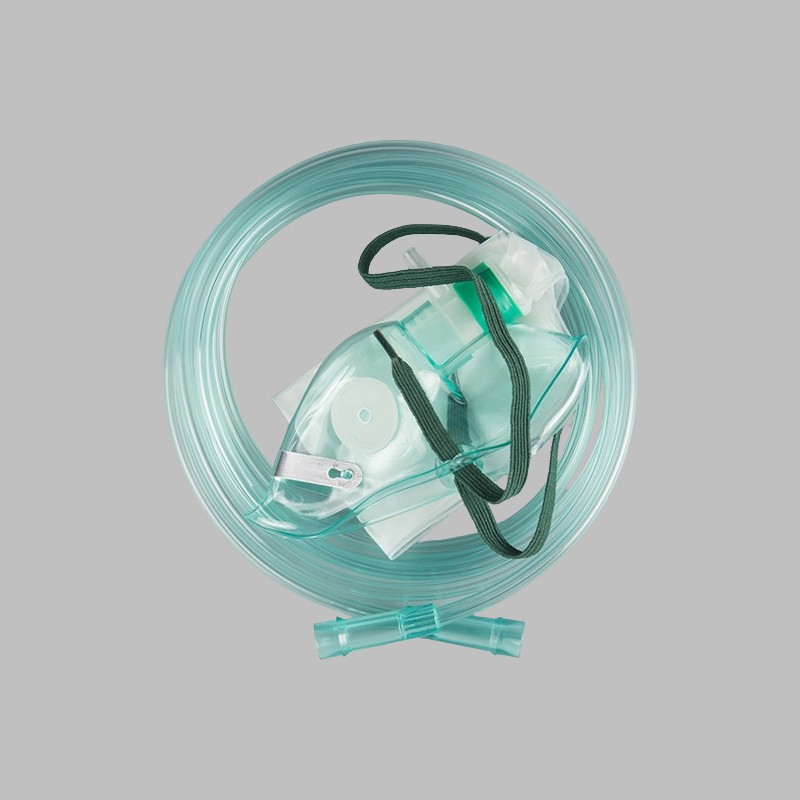
Oxygen masks are indispensable auxiliary breathing devices in modern medicine and are widely used in hospital emergency, intensive care, surgical anesthesia and home oxygen therapy. According to statistics from the World Health Organization, more than 30 million people worldwide need to use oxygen masks for treatment each year. This seemingly simple medical device can provide life support to patients at critical moments, help improve blood oxygen saturation and relieve symptoms of dyspnea.

However, like all medical devices, oxygen masks also have some limitations and potential problems during use. Understanding these shortcomings will not only help medical staff make more reasonable clinical decisions, but also help patients and their families better cooperate with treatment and avoid unnecessary complications. This article will systematically analyze the various shortcomings of oxygen masks and provide practical optimization suggestions to help users get a safer and more comfortable treatment experience.
What are the disadvantages of an oxygen mask?
(1) Comfort issues
Skin compression and friction: Long-term wearing oxygen mask may cause redness and swelling of the nose, ears or facial skin, or even pressure sores.
Stuffy feeling: Plastic materials may not be breathable, causing sweating and discomfort, especially in hot environments.
Affecting speech and eating: The full-face design will hinder normal communication, and patients must take off the mask to drink water or eat.
(2) Respiratory problems
Risk of carbon dioxide retention: If the oxygen mask is poorly sealed, the patient may repeatedly inhale exhaled carbon dioxide (CO₂), causing dizziness, headaches, and even respiratory acidosis.
Dryness and irritation: High-flow oxygen will dehydrate the respiratory mucosa, causing nasal bleeding or dry throat.
(3) Usage restrictions
Flow and concentration restrictions: Ordinary oxygen masks cannot accurately adjust the oxygen concentration, and although the Venturi mask can control the ratio, it has a complex structure and is inconvenient to operate.
Dependence issues: Long-term high-concentration oxygen inhalation may inhibit spontaneous breathing function and lead to "oxygen dependence".
(4) Hygiene and infection risks
Bacterial growth: Reusing unsterilized oxygen masks may breed bacteria and increase the risk of respiratory infections.
Cross-infection: In a hospital environment, multiple people sharing masks (such as during emergency treatment) may spread germs.

Detailed explanation of respiratory system-related issues
The impact of oxygen masks on respiratory function is a particular concern for medical professionals. The most potential risk is carbon dioxide retention. When the mask does not fit tightly to the face, the exhaled carbon dioxide cannot be effectively expelled, causing some of the gas to be re-inhaled. Research data show that about 25% of patients using ordinary oxygen masks will experience mild carbon dioxide retention, manifested as an increase in arterial carbon dioxide partial pressure of 5-10mmHg.
Dry air is another common problem. Medical oxygen is usually a dry gas, and when the flow rate exceeds 5L/min, it may cause dehydration of the respiratory mucosa. Clinical statistics show that after continuous use of high-flow oxygen masks for 24 hours, about 60% of patients will experience dry mouth symptoms, 30% will have a dry nasal cavity, and 15% may have nosebleeds. This situation is particularly evident in dry winter climates or air-conditioned environments.
It is worth noting that different groups of people have different sensitivities to these problems. Elderly patients, patients with chronic respiratory diseases, and long-term smokers have weaker respiratory mucosal defense functions and are more susceptible to irritation from dry oxygen. Children are more susceptible to carbon dioxide retention due to their smaller tidal volumes.
Usage restrictions and potential risks
The use of oxygen masks is not without restrictions, and these restrictions mainly come from the technical characteristics of the device itself and the physiological response of the human body. On the technical level, the oxygen concentration adjustment range of ordinary oxygen masks is limited, usually only 40-60% of the inhaled oxygen concentration can be provided, and the accuracy is not high. In contrast, although the Venturi mask can provide an adjustable oxygen concentration of 24-60%, its complex structure increases the difficulty of use and may delay treatment in emergency situations.
More worthy of attention is the problem of oxygen dependence. Long-term use of high-concentration oxygen (>60%) may inhibit the sensitivity of the respiratory center to carbon dioxide, resulting in a decrease in respiratory drive. Clinical studies have shown that after continuous use of oxygen concentrations above 50% for more than 72 hours, about 20% of patients will experience varying degrees of respiratory depression. This situation is more risky in patients with chronic obstructive pulmonary disease (COPD), which may reach 35-40%.
Challenges in health management should not be ignored. Oxygen masks are in direct contact with the patient's mouth and nose, becoming a breeding ground for microorganisms. Microbial culture studies have shown that the number of bacterial colonies on the inner surface of oxygen masks after 24 hours of use can reach 200-500 CFU/cm², mainly including common pathogens such as Staphylococcus and Streptococcus. In immunocompromised patients, these microorganisms may cause severe respiratory infections.
Practical suggestions for optimizing the user experience
Improving the user experience of oxygen masks requires both equipment selection and usage methods. In terms of selection, new masks with silicone cushions are preferred. Clinical test data show that silicone cushions can reduce the pressure of the mask on the skin by 40-60%, significantly reducing the incidence of pressure sores. In addition, it is also important to choose a headband system with good adjustability. The ideal headband should allow fine-tuning to ensure sealing without excessive pressure.
Optimization of usage methods is also critical. It is recommended to check the mask position every 2 hours and loosen the headband appropriately for 5-10 minutes to improve local blood circulation. For patients who need long-term oxygen therapy, hydrocolloid dressings can be applied to the pressure area in advance to prevent skin damage. The use of an oxygen mask can effectively relieve respiratory dryness. Studies have shown that humidified oxygen can reduce the incidence of epistaxis by 70%.
In terms of hygiene management, disposable masks should strictly follow the use time limit, usually not more than 24 hours. Reusable masks need to be disinfected every day, and moist heat disinfection (121℃, 15psi, 15 minutes) or chemical disinfectants that meet standards are preferred. In clinical settings, it should be avoided as much as possible that different patients share the same mask. If they really need to share, they must be strictly disinfected.
Clinical selection and application strategy
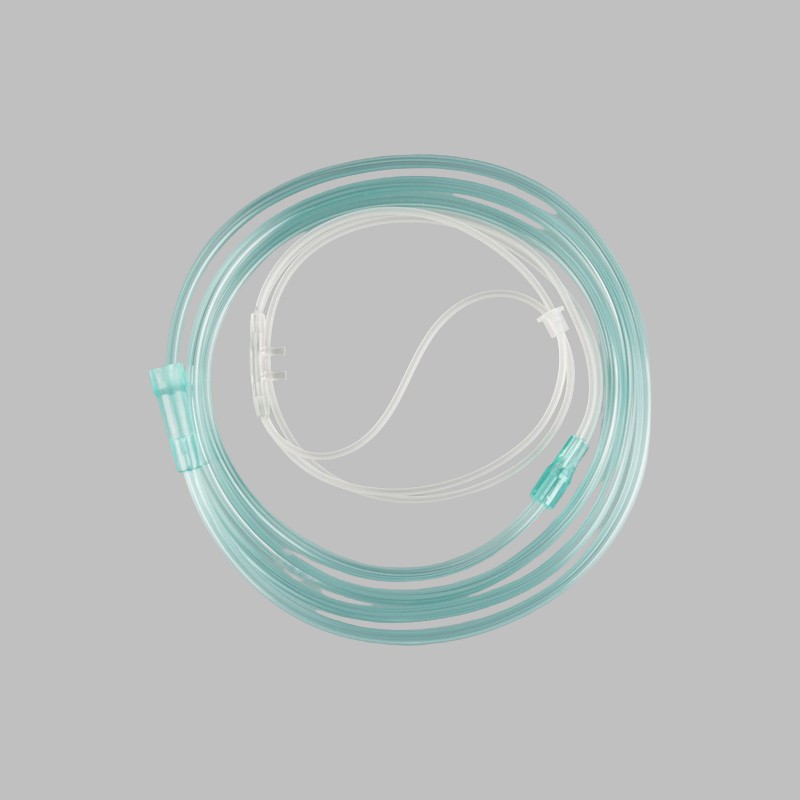
According to different clinical needs, the choice of oxygen masks should be focused. For chronic patients receiving home oxygen therapy, comfort and ease of use are the primary considerations. Such patients usually need long-term low-flow oxygen inhalation. Nasal cannula or simple mask with humidifier is often the best choice, which can ensure basic oxygen supply without excessively interfering with daily life.
Emergency and ICU environments require different considerations. In these scenarios, the accuracy and reliability of oxygen therapy are more important. For patients with acute respiratory distress, oxygen mask can quickly increase blood oxygen levels; while COPD patients who need to accurately control oxygen concentration are more suitable for Venturi masks. It is worth noting that special attention should be paid to the fixation of the mask during transportation to avoid interruption of treatment caused by displacement.
Special populations need special care. Children should use small masks designed for children to ensure a good fit; patients with facial trauma may need customized oxygen mask solutions; for extremely irritable or uncooperative patients, other oxygen delivery methods such as high-flow nasal cannula oxygen therapy (HFNC) are sometimes considered.
Future Development Direction and Technological Innovation
Oxygen mask technology is still evolving. The latest smart masks have begun to integrate sensors that can monitor the inhaled oxygen concentration, carbon dioxide level and air leakage in real time, greatly improving the safety and accuracy of treatment. A multicenter clinical trial showed that this smart oxygen mask can reduce oxygen therapy-related complications by 40%.
Advances in materials science have also brought new possibilities. Flexible materials with memory function can automatically adapt to different face shapes to achieve personalized fit; antibacterial coating technology can effectively inhibit microbial growth and extend the safe use time; the application of breathable composite materials significantly improves the comfort of the mask.
Remote monitoring is another important development direction. The new mask can wirelessly connect to the monitoring system, transmit the patient's oxygenation data and mask usage in real time, and enable medical staff to adjust the treatment plan in time. This is particularly valuable for patients receiving oxygen therapy at home, which can improve treatment compliance and reduce unnecessary emergency visits.
Conclusion: Safe and effective use of oxygen masks
As an important medical device, the rational use of oxygen masks is related to the patient's treatment effect and quality of life. By fully understanding the characteristics and limitations of various types of masks, medical staff and patients can make more informed choices. Remember, there is no perfect oxygen therapy device, only the most suitable choice for specific patients and specific scenarios.
In actual applications, the effect of oxygen therapy and patient tolerance should be evaluated regularly, and the plan should be adjusted in time. For patients with skin problems or respiratory discomfort, do not simply blame them on "side effects that must be endured", but actively seek improvement measures. In most cases, through reasonable selection and correct use, you can get an effective and comfortable oxygen therapy experience.
It should be emphasized that the quality of oxygen masks is crucial. Poor quality products not only affect the treatment effect, but also may bring safety hazards. We strongly recommend that medical institutions and individual users choose ISO-certified professional oxygen mask manufacturers, such as Lelun and other well-known brands, to ensure the reliability and safety of the products. High-quality medical equipment investment will ultimately be reflected in better treatment effects and patient experience.
Whatsapp: +86-13616120206
E-mail: sale01@lelun.com
ADD: HengShanQiao Town, out of East Gate, Changzhou ,Jiangsu, China
Mobile: (+)86-13616120206