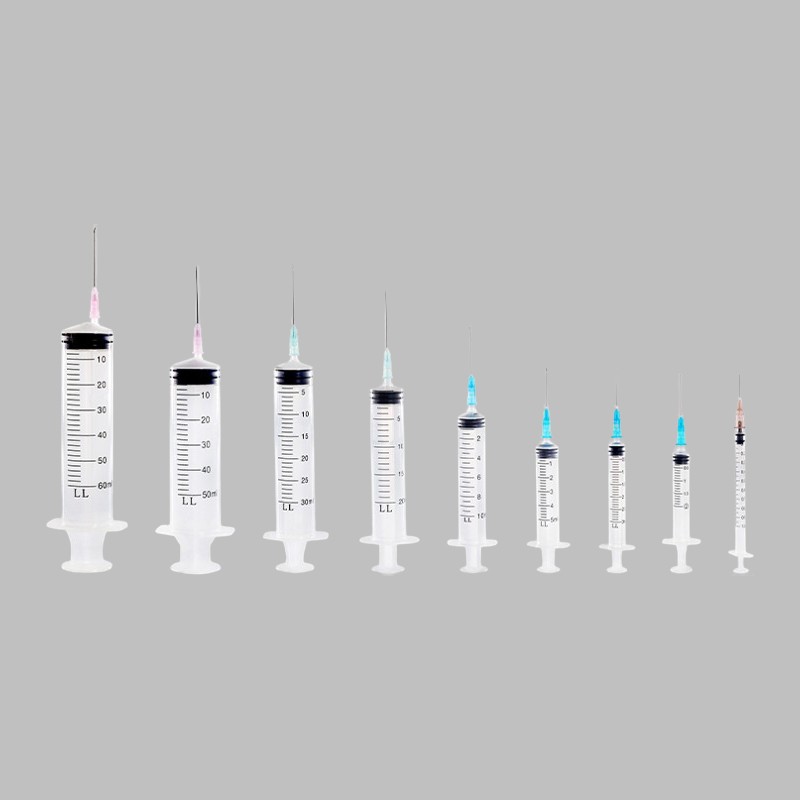
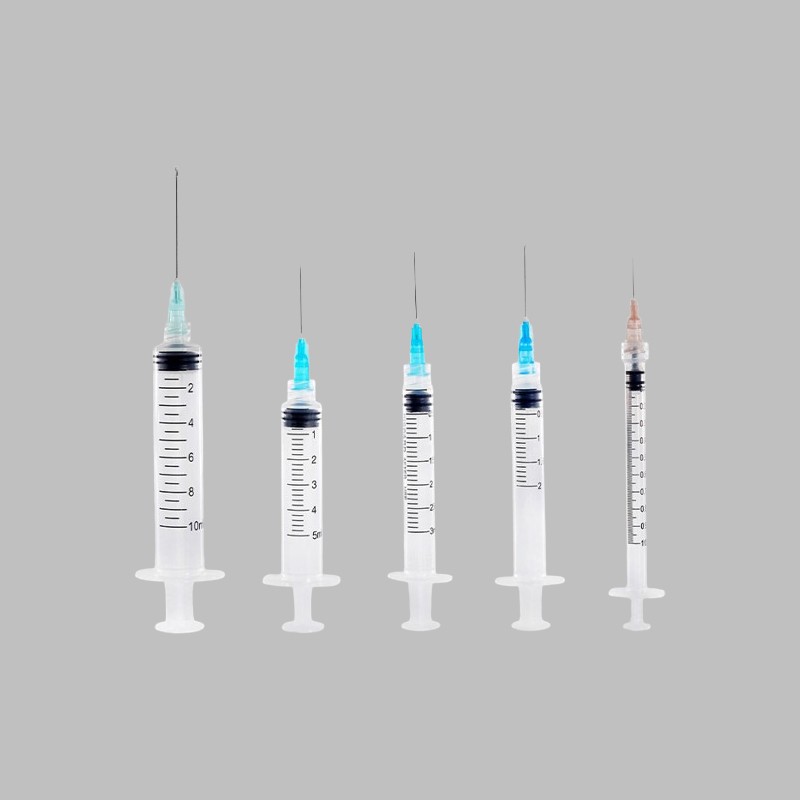
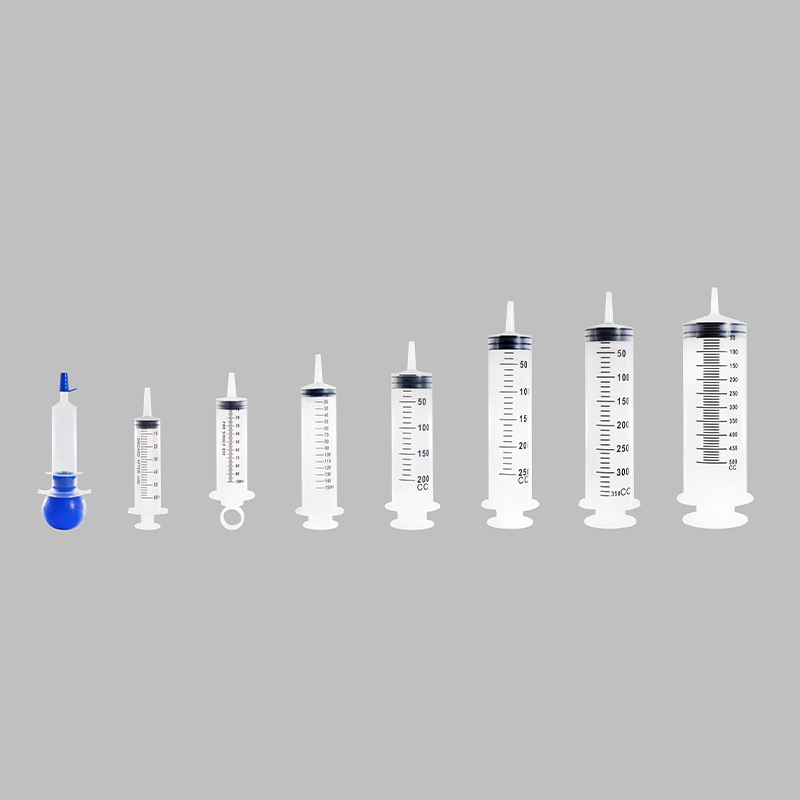
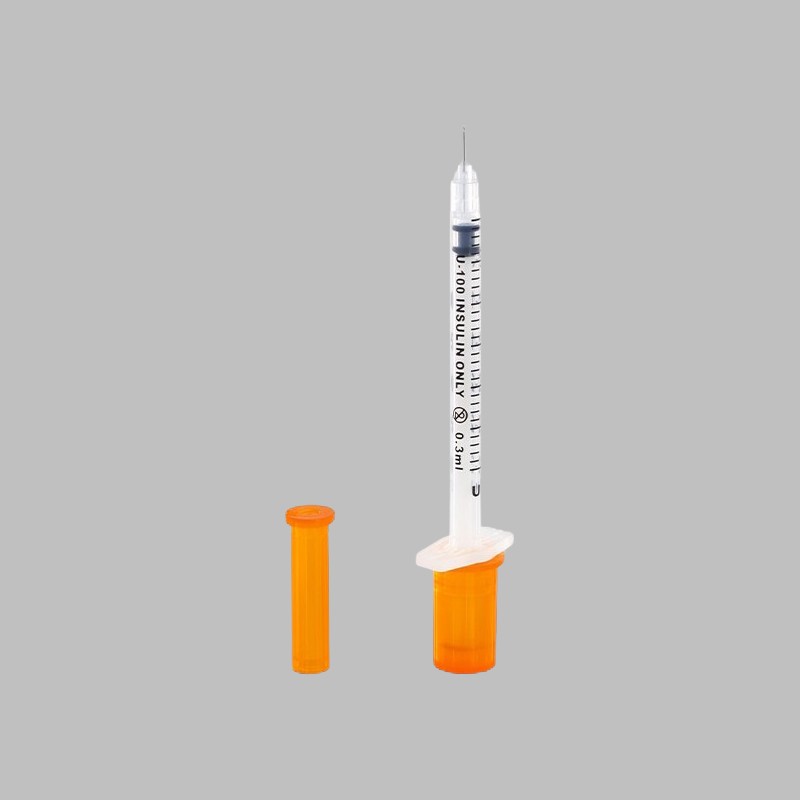
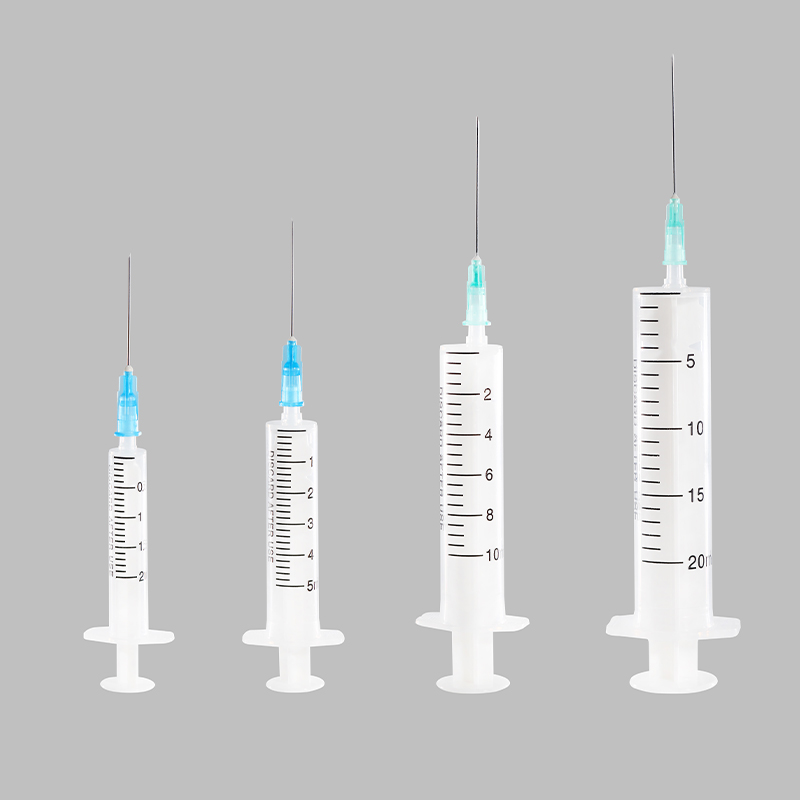
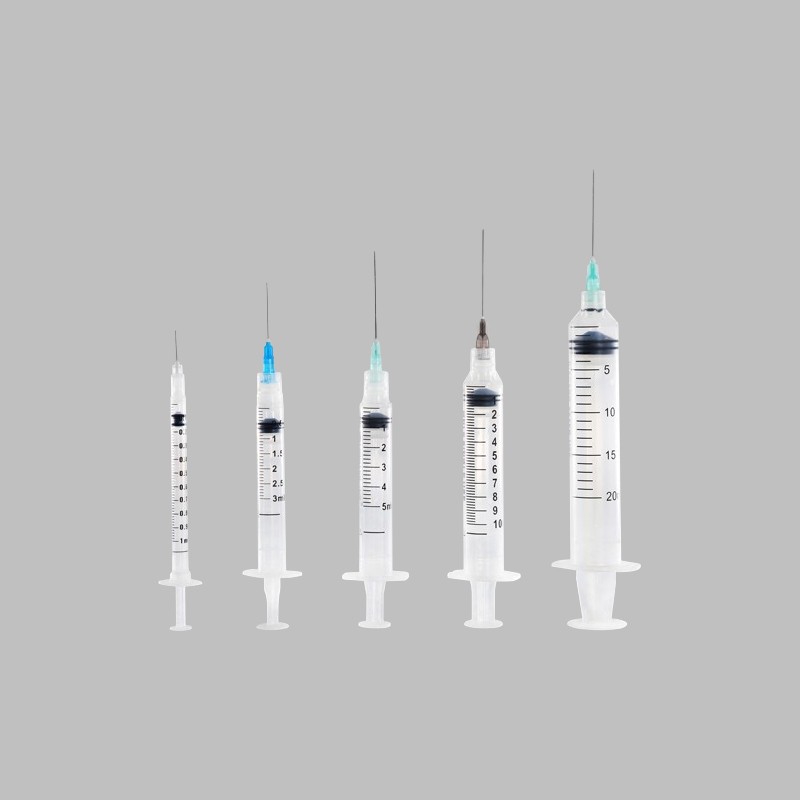
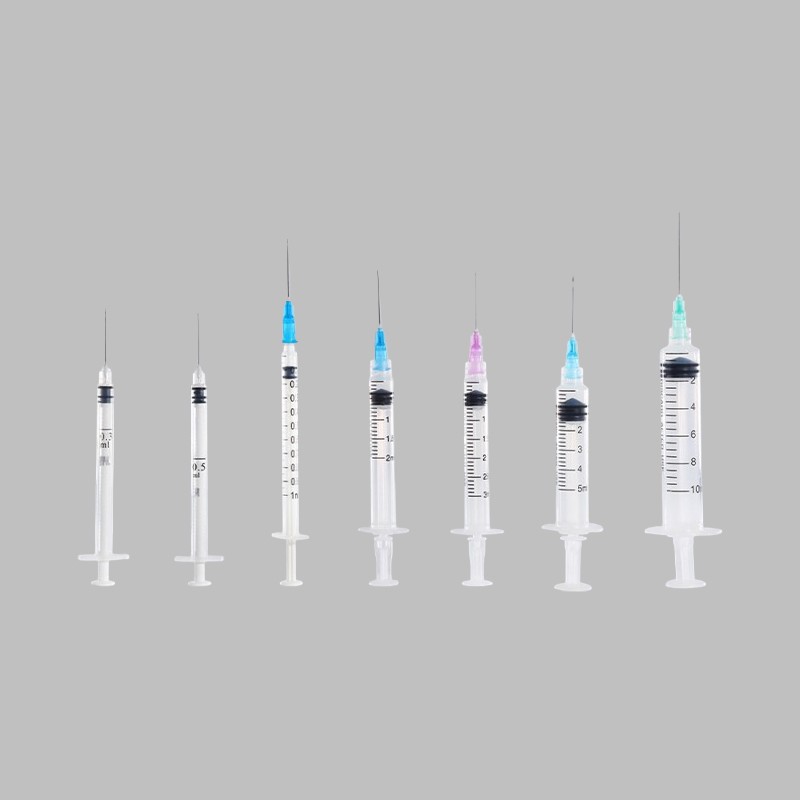
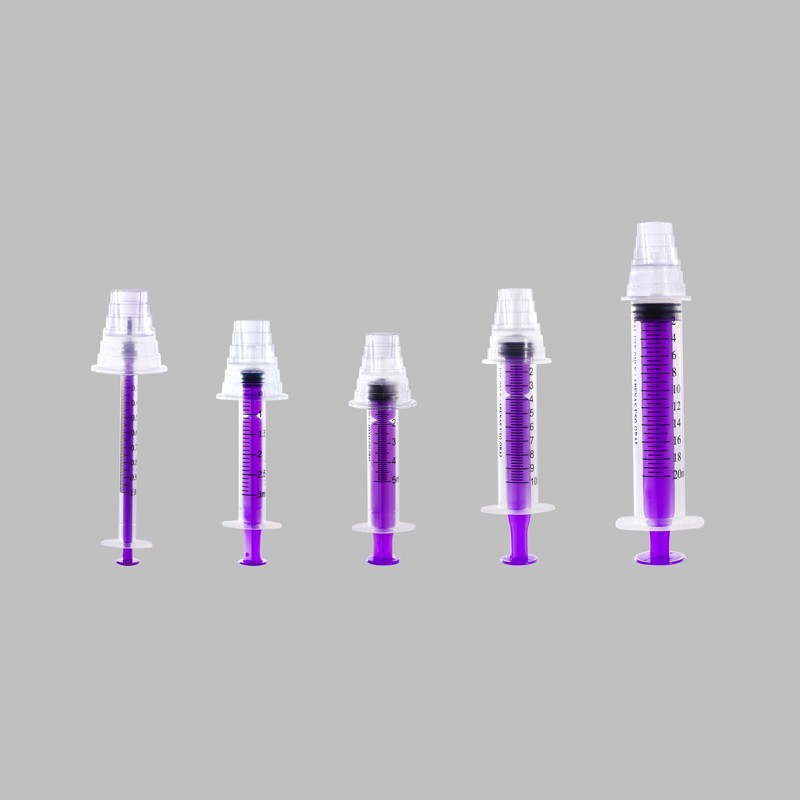
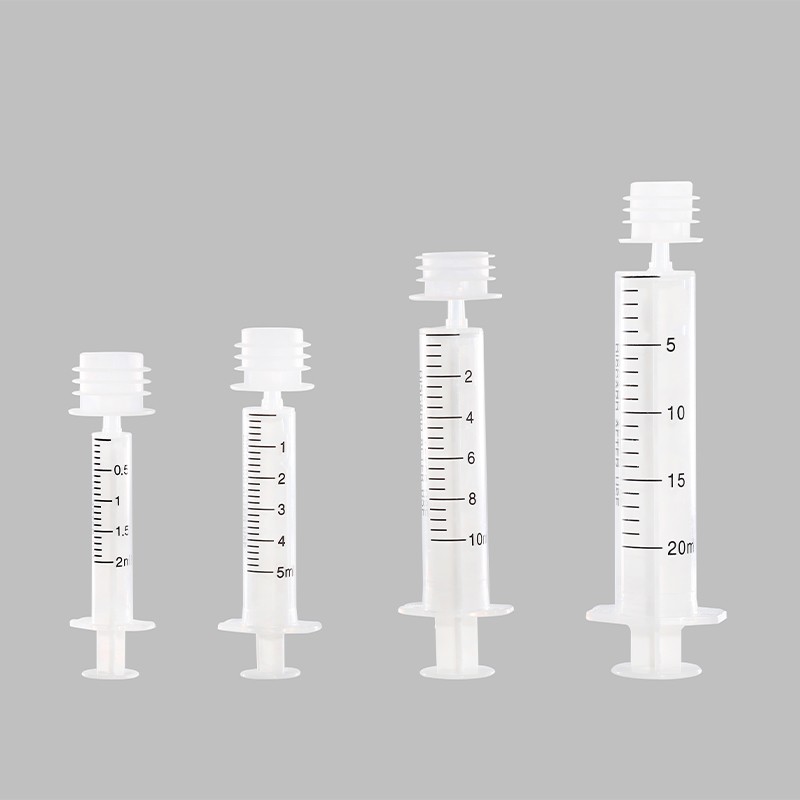
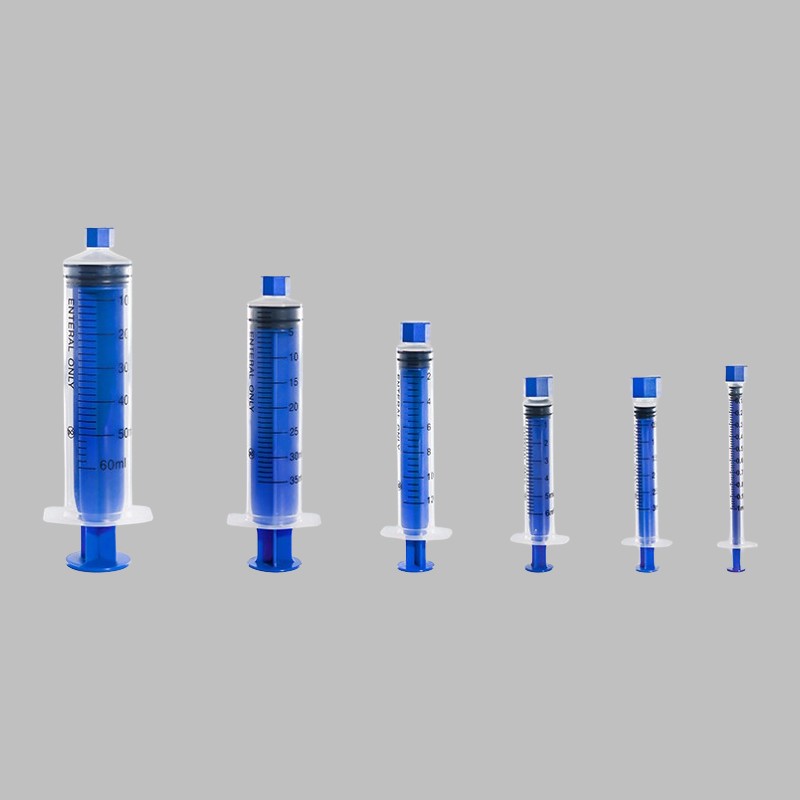
A syringe is a medical device designed to draw, measure, hold, and deliver fluids. Although a syringe has a relatively simple appearance, each component plays an important role in dosing accuracy, fluid control, connection security, and safe handling.
Understanding the main syringe parts and functions is useful for healthcare professionals, medical device distributors, procurement teams, and buyers sourcing disposable syringes. This guide explains the structure of a syringe, how each component works, common syringe types and sizes, Luer Lock versus Luer Slip connections, needle specifications, and the key factors to consider when selecting a syringe supplier.
Quick Answer: What Are the Main Parts of a Syringe?
A typical syringe consists of a barrel, plunger, gasket, flange, syringe tip, needle hub, needle shaft, and bevel. Depending on the syringe design, it may also include a needle, protective cap, safety mechanism, or specialized tip.
The barrel holds and measures the fluid, while the plunger moves the fluid in or out of the syringe. The gasket creates a seal between the plunger and barrel. The syringe tip connects to a needle or other device, while the needle hub, shaft, and bevel form the needle assembly.
Syringe Parts and Functions at a Glance
| Syringe Part | Main Function |
|---|
| Barrel | Holds and measures the fluid |
| Plunger | Draws fluid into and pushes fluid out of the barrel |
| Gasket | Creates a seal and helps prevent leakage |
| Flange | Provides a gripping surface for controlled operation |
| Syringe Tip | Connects the syringe to a needle or other device |
| Needle Hub | Connects the needle to the syringe |
| Needle Shaft | Provides the passageway for fluid |
| Bevel | Angled needle tip designed for controlled penetration |
| Needle Cap | Protects the needle before use |
| Safety Mechanism | Helps reduce needlestick risk in safety-engineered designs |
What Are the Main Parts of a Syringe?
1. Syringe Barrel
The syringe barrel is the transparent cylindrical body that holds the fluid. It is one of the most important syringe components because it determines the available capacity and allows the user to visually monitor the contents.
Disposable syringe barrels are commonly manufactured from medical-grade plastics. A transparent barrel makes it easier to identify the fluid level and read the graduation markings.
Key Features of a Syringe Barrel
Clear or transparent construction for visual inspection
Graduated markings for volume measurement
Different capacities for different applications
Dimensional consistency for reliable plunger movement
Compatibility with the intended fluid and sterilization process
The graduation scale is particularly important when accurate volume measurement is required. The appropriate syringe size should be selected according to the required volume and application rather than simply choosing the largest available barrel.
2. Syringe Plunger
The syringe plunger is the movable component positioned inside the barrel.
Pulling the plunger backward creates the pressure difference needed to draw fluid into the barrel. Pushing the plunger forward increases pressure inside the barrel and moves the fluid toward the syringe tip.
The plunger therefore controls two basic syringe functions:
Drawing fluid into the syringe
Delivering fluid from the syringe
The plunger should move smoothly while maintaining an effective seal with the barrel. Excessive friction can make operation difficult, while insufficient sealing can result in leakage or inaccurate fluid movement.
3. Syringe Gasket
The gasket, sometimes called a stopper or plunger seal depending on the syringe design, is attached to the end of the plunger.
Its primary function is to create a seal between the plunger and the inner wall of the barrel.
A properly designed gasket helps:
Reduce fluid leakage
Maintain pressure inside the barrel
Support smooth plunger movement
Improve dosing consistency
Separate the fluid from the plunger rod
Gasket material and design can be important considerations when selecting syringes for specific applications, particularly where material compatibility and sealing performance are critical.
4. Syringe Flange
The flange is the flat extension at the rear of the barrel.
It provides a surface for the user's fingers when operating the plunger. A well-designed flange improves grip and helps provide better control during fluid withdrawal and delivery.
For medical device manufacturers and buyers, flange geometry can be considered together with barrel dimensions, plunger design, and ergonomic requirements.
5. Syringe Tip
The syringe tip is the connection point through which fluid exits or enters the syringe.
Different syringe designs use different tip configurations. Common connection systems include:
The connection type should be selected according to the needle, tubing, catheter, or other device with which the syringe will be used.
One of the most common questions when selecting a syringe is the difference between Luer Lock and Luer Slip.
Luer Lock Syringe
A Luer Lock syringe uses a threaded connection that allows the compatible needle or connector to be twisted and secured to the syringe tip.
Luer Slip Syringe
A Luer Slip syringe uses a friction-fit connection. A compatible needle or connector is pushed onto the syringe tip.
Luer Lock vs. Luer Slip Comparison
| Feature | Luer Lock | Luer Slip |
|---|
| Connection | Threaded | Friction fit |
| Attachment | Twist to secure | Push onto tip |
| Connection security | Generally higher | Generally lower |
| Assembly | Requires twisting | Quick push-fit |
| Typical consideration | Secure connection requirements | Speed and simplicity |
| Compatibility | Requires matching Luer Lock connection | Requires compatible Luer Slip connection |
Neither design is universally "better." The appropriate choice depends on the application, compatible components, handling requirements, and applicable medical-device specifications.
6. Needle Hub
The needle hub is the component that connects the needle shaft to the syringe.
A properly manufactured hub should provide a secure connection and maintain alignment between the syringe and needle.
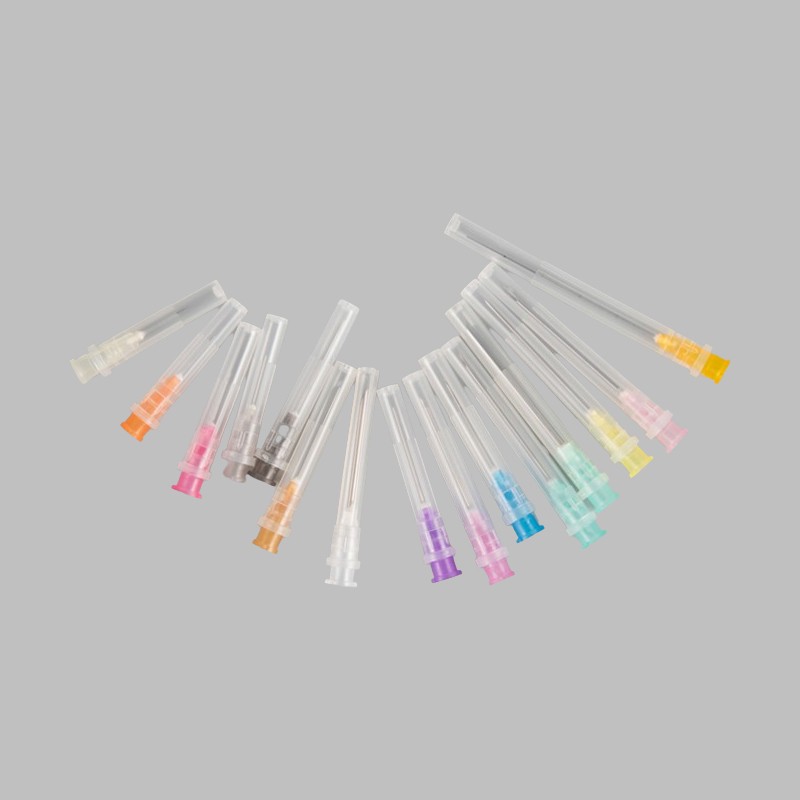
For disposable hypodermic needles, the hub may also use standardized color coding to help identify needle specifications, depending on the applicable standard and product design.
7. Needle Shaft
The needle shaft is the long, hollow section of the needle through which fluid passes.
Medical needles are commonly manufactured using stainless steel because the material provides the mechanical strength and corrosion resistance required for many medical applications.
Needle shafts are available in different:
Gauges
Lengths
Wall configurations
Bevel designs
The correct specification depends on the intended application and applicable clinical or device requirements.
8. Needle Bevel
The bevel is the angled, sharpened end of the needle.
Its geometry affects how the needle penetrates tissue and how the needle interacts with the intended injection site.
Different bevel designs may be used for different needle applications. Needle design should therefore be considered together with gauge, length, intended use, and applicable regulatory or clinical requirements.
9. Needle Cap
A needle cap is a protective cover used to protect the needle before use.
Its primary purposes are to:
Protect the needle from contamination before use
Protect handlers from accidental contact with the needle
Maintain the intended sterile barrier when properly packaged and handled
Used needles should be handled and disposed of according to applicable sharps-safety procedures and local healthcare regulations. Unnecessary handling or recapping of used needles should be avoided unless an approved safety procedure specifically requires it.
How Does a Syringe Work?
The basic working principle of a syringe is based on controlled pressure and the movement of the plunger inside the barrel.
Step 1: Drawing Fluid Into the Syringe
When the plunger is pulled backward, the internal volume of the barrel increases and pressure inside the syringe decreases relative to the fluid source.
When the syringe tip is connected appropriately and the opening is positioned in the fluid, the pressure difference allows fluid to enter the barrel.
Step 2: Measuring the Fluid
Once the required amount of fluid has entered the barrel, the graduation markings help the user determine the approximate volume.
For applications requiring precise dosing, syringe capacity and graduation design should be selected according to the required volume.
Step 3: Delivering the Fluid
When the plunger is pushed forward, pressure inside the barrel increases.
The fluid is then directed through the syringe tip and, when attached, through the needle or other compatible device.
In Simple Terms
Pull the plunger → fluid enters the barrel → read the graduation → push the plunger → fluid exits through the tip.
The barrel, plunger, gasket, tip, and needle therefore work together as a fluid-control system.
Common Types of Syringes
Syringes are available in different configurations for different medical and healthcare applications.
Disposable syringes are designed for single use and are widely used in healthcare environments.
Depending on the design, they may be supplied with or without a needle and may use Luer Lock or Luer Slip connections.
Safety syringes incorporate a safety mechanism intended to reduce the risk of accidental needlestick injuries.
Depending on the design, safety mechanisms may involve shielding, retraction, or other engineered approaches.
Auto-Disable Syringes
Auto-disable syringes are designed with a mechanism that prevents or limits reuse after a specified use cycle.
They are particularly relevant where prevention of syringe reuse is an important part of the product specification.
Oral and Enteral Syringes
Oral and enteral syringes are designed for administering fluids through the mouth or compatible enteral feeding systems rather than through injection.
Their connection and tip design can differ from conventional hypodermic syringes.
Insulin and Small-Volume Syringes
Small-capacity syringes are designed for applications where relatively small fluid volumes and clear graduation are important.
The appropriate product should be selected according to the intended medication, volume, dosing requirements, and applicable healthcare protocol.
Syringe Sizes: How Are Syringe Capacities Selected?
Syringes are available in a wide range of capacities.
| Syringe Capacity | General Consideration |
|---|
| 0.3 mL | Very small-volume applications |
| 0.5 mL | Small-volume dosing |
| 1 mL | Small-volume and precision applications |
| 2 mL | Small-to-medium fluid volumes |
| 3 mL | Common general-purpose capacity |
| 5 mL | Medium-volume applications |
| 10 mL | Larger fluid volumes |
| 20 mL | Higher-volume applications |
| 30 mL+ | Specialized or larger-volume applications |
The appropriate syringe size depends on the required volume, graduation requirements, connection type, intended application, and relevant medical-device specifications.
For precise measurements, choosing a syringe with a suitable capacity and readable graduation scale can be more important than simply selecting a larger syringe.
Understanding Needle Gauge and Length
Needle selection involves more than choosing a syringe capacity.
Two important needle parameters are gauge and length.
What Does Needle Gauge Mean?
Gauge describes the approximate diameter of the needle.
As a general convention, a higher gauge number corresponds to a smaller needle diameter, while a lower gauge number corresponds to a larger diameter.
What Does Needle Length Mean?
Needle length describes the distance from the hub to the needle tip.
The appropriate length depends on factors such as:
Needle gauge and length should always be selected according to the intended medical application rather than based on size alone.
How to Choose the Right Syringe?
For healthcare buyers, distributors, and medical device procurement teams, syringe selection should consider more than price.
1. Determine the Required Capacity
Select a syringe capacity that matches the intended fluid volume and required measurement accuracy.
2. Choose the Appropriate Tip
Determine whether the application requires:
3. Consider Needle Specifications
If the syringe is supplied with a needle, consider:
Gauge
Length
Hub design
Bevel configuration
Needle material
4. Evaluate Materials
Consider the materials used for the:
Barrel
Plunger
Gasket
Needle
Hub
Material selection should take into account the intended fluid, compatibility requirements, sterilization method, and applicable standards.
5. Check Sterility and Packaging
For sterile disposable products, buyers should evaluate the sterilization method, packaging configuration, shelf-life requirements, and applicable regulatory documentation.
6. Evaluate Manufacturing Quality
For large-volume procurement, buyers should also assess:
When sourcing disposable syringes from China, buyers should evaluate the manufacturer rather than comparing unit prices alone.
Important factors include:
Manufacturing Experience
A manufacturer with long-term experience may have established production processes, quality systems, and export procedures.
Cleanroom Manufacturing
Controlled manufacturing environments are important for disposable medical devices where cleanliness and contamination control are key considerations.
Product Range
A supplier capable of producing different syringe configurations can simplify procurement.
For example, Changzhou Medical Appliances General Factory's current product range includes disposable syringes, Luer Slip syringes, Luer Lock syringes, irrigation syringes, diabetic syringes, safety syringes, auto-disable syringes, and oral/enteral syringes.
Quality Management
Buyers should request appropriate quality-management and regulatory documentation for their target market and product category.
OEM and ODM Capability
For distributors and medical brands, customization may include:
Barrel printing
Graduation scales
Product configuration
Packaging
Branding
Needle specifications
Product combinations
Manufacturing processes for disposable medical products may include injection molding, barrel printing, assembly, packaging, sterilization, and storage.
Why Choose Changzhou Medical Appliances General Factory?

Changzhou Medical Appliances General Factory Co., Ltd. is a China-based manufacturer of disposable medical products established in 1988.
The company reports a 50,000 m² factory area and 15,000 m² purifying workshop, with disposable syringes, safety syringes, auto-disable syringes, infusion sets, blood transfusion sets, urine bags, IV cannulas, oxygen masks, and other disposable medical products in its portfolio.
Its syringe product range includes Luer Slip, Luer Lock, irrigation, diabetic, safety, auto-disable, and other syringe configurations.
For international buyers, selecting a syringe manufacturer with appropriate production capabilities, quality systems, product options, and export experience can help improve supply consistency and simplify product sourcing.
Looking for the Right Syringe Solution?
If you are looking for disposable syringes, Luer Lock syringes, Luer Slip syringes, safety syringes, or customized syringe solutions,Changzhou Medical Appliances General Factory can provide reliable products tailored to your specifications and sourcing requirements. Contact us to discuss your product needs and request a customized solution.
Request a Quote
Frequently Asked Questions About Syringe Parts
What are the main parts of a syringe?
The main parts of a typical syringe include the barrel, plunger, gasket, flange, syringe tip, and, when supplied with a needle, the needle hub, shaft, and bevel. Some syringe designs also include protective caps or safety mechanisms.
What does the barrel of a syringe do?
The barrel holds the fluid and provides graduation markings for volume measurement. Its capacity determines how much fluid the syringe can contain.
What does the plunger do in a syringe?
The plunger moves inside the barrel to create the pressure difference required to draw fluid into the syringe and to push fluid out through the tip.
What is the function of a syringe gasket?
The gasket forms a seal between the plunger and barrel. It helps prevent leakage and supports controlled fluid movement.
What is the difference between Luer Lock and Luer Slip?
Luer Lock uses a threaded connection that twists into place, while Luer Slip uses a friction-fit connection. Luer Lock generally provides a more secure connection, while Luer Slip allows quick push-fit attachment.
What does syringe gauge mean?
Gauge refers to the approximate diameter of a needle. Generally, a higher gauge number indicates a smaller needle diameter.
What syringe sizes are commonly available?
Syringes are available in capacities ranging from very small-volume sizes such as 0.3 mL or 0.5 mL to larger sizes of 20 mL, 30 mL, and beyond. The appropriate capacity depends on the intended application and volume requirements.
How do I choose a disposable syringe manufacturer?
Evaluate the manufacturer's production experience, cleanroom facilities, quality management system, product range, customization capabilities, regulatory documentation, production capacity, packaging options, and export experience.
Conclusion
Understanding syringe parts and functions is essential for selecting the right syringe for a specific medical application. The barrel controls fluid capacity and measurement, the plunger and gasket control fluid movement and sealing, the syringe tip provides the connection point, and the needle assembly determines how fluid is delivered when a needle is used.
For buyers, the selection process should also consider syringe capacity, Luer connection type, needle gauge and length, materials, sterility, packaging, manufacturing quality, and supplier capabilities.
For medical distributors, hospitals, healthcare procurement teams, and OEM brands, working with an experienced disposable syringe manufacturer can provide access to different syringe configurations, customization options, and scalable production solutions.